Acai
Brazilian superberry with extremely high antioxidant capacity (ORAC). Rich in anthocyanins, beneficial fats, and fibre.
What is Acai?
Acai is a small, dark purple berry that comes from the acai palm (Euterpe oleracea) which grows in the Amazon rainforest, primarily in Brazil. These superberries have become known worldwide for their potential health benefits and exceptional nutritional profile. Additionally, acai contains beneficial fats and fibre, making it a popular ingredient in health foods and superfoods.
How does it work in the body?
Acai berries are known for their high antioxidant capacity, meaning they can neutralise free radicals in the body.
Scientific benefits
Several studies have investigated the potential health benefits of acai. Here are some of the key findings:
- Antioxidant activity: Research has shown that acai berries have one of the highest ORAC values (Oxygen Radical Absorbance Capacity) of all foods, meaning they are extremely effective at neutralising free radicals. A study published in The Journal of Agricultural and Food Chemistry demonstrated that acai extract had significant antioxidant activity.
Dosage and recommendations
There is no official recommended dosage for acai, but many supplements and products contain between 500 mg and 2000 mg of acai extract per day. It is important to follow the manufacturer's instructions and to discuss supplement use with a healthcare professional, especially if you have underlying health conditions or are taking medications.
Best sources and forms
Acai is available in several forms, including:
- Fresh berries: These are difficult to find outside the Amazon but are the most nutrient-rich form.
- Acai powder: Dried and ground berries, which can be added to smoothies, yoghurt, or baked goods.
- Acai extract: Concentrated forms found in capsules or liquid, often used as supplements.
- Acai smoothies and bowls: Many cafés offer acai-based smoothies and bowls as a healthy breakfast or snack.
Side effects and warnings
Acai is generally considered safe for most people when consumed in moderate amounts. Some individuals may experience mild side effects, including:
- Stomach discomfort
- Allergic reactions (especially if you are allergic to other berries)
- Interactions with certain medications, particularly blood thinners
It is always best to consult a doctor before starting new supplements, especially if you have health issues or are pregnant or breastfeeding.
Frequently asked questions
Is acai really a superfood?
Yes, acai is considered a superfood due to its high antioxidant content and nutritional profile, but it is important to remember that no single food can replace a balanced diet.
Can I eat acai if I am allergic to other berries?
If you are allergic to other berries, you should consult a doctor before trying acai, as allergic reactions may occur.
How can I include acai in my diet?
Acai can be included in your diet by using acai powder in smoothies, making acai bowls, or taking supplements in capsule form.
Does acai have any proven health benefits?
Research has shown that acai has potential benefits, including antioxidant activity and support for heart health, but more research is needed to confirm these effects.
Products containing Acai
Show all 6 →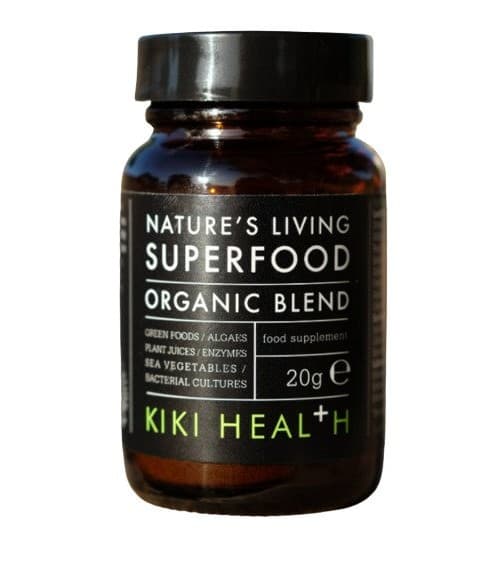
KIKI Health - Nature'S Living Superfood

NOW Foods - Eve Superior Women'S Multi - 120 Vcaps
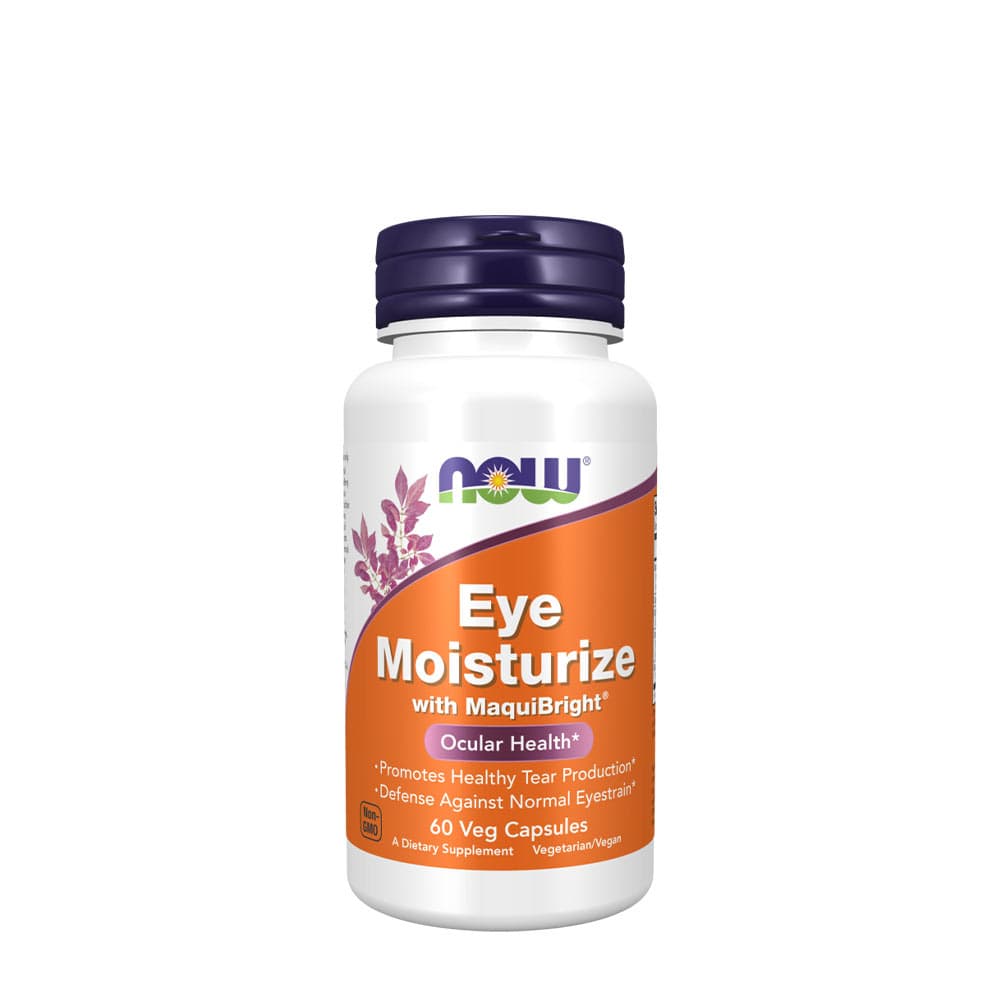
Now Foods - Eye Moisturizer With Maquibright - 60 Vcaps
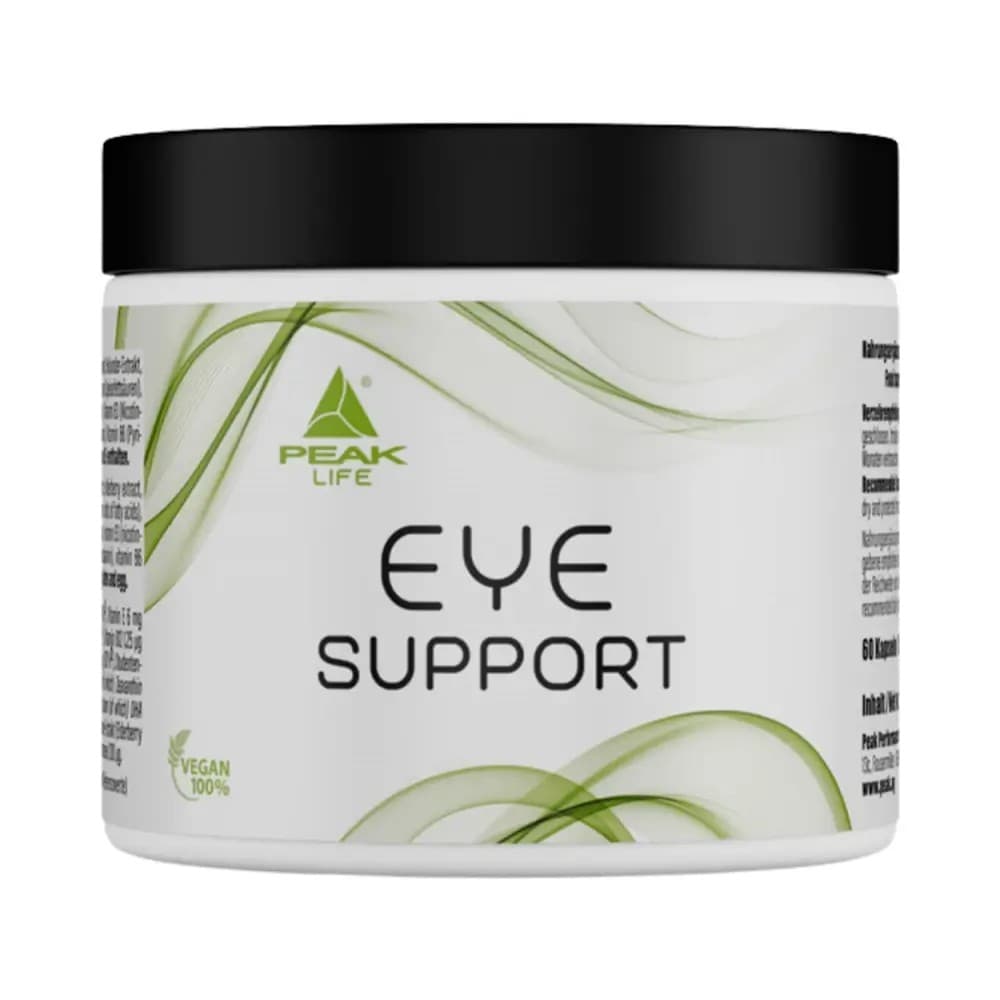
Peak - Eye Support - Unflavoured

Pureo - Collagen+ - 500 ml
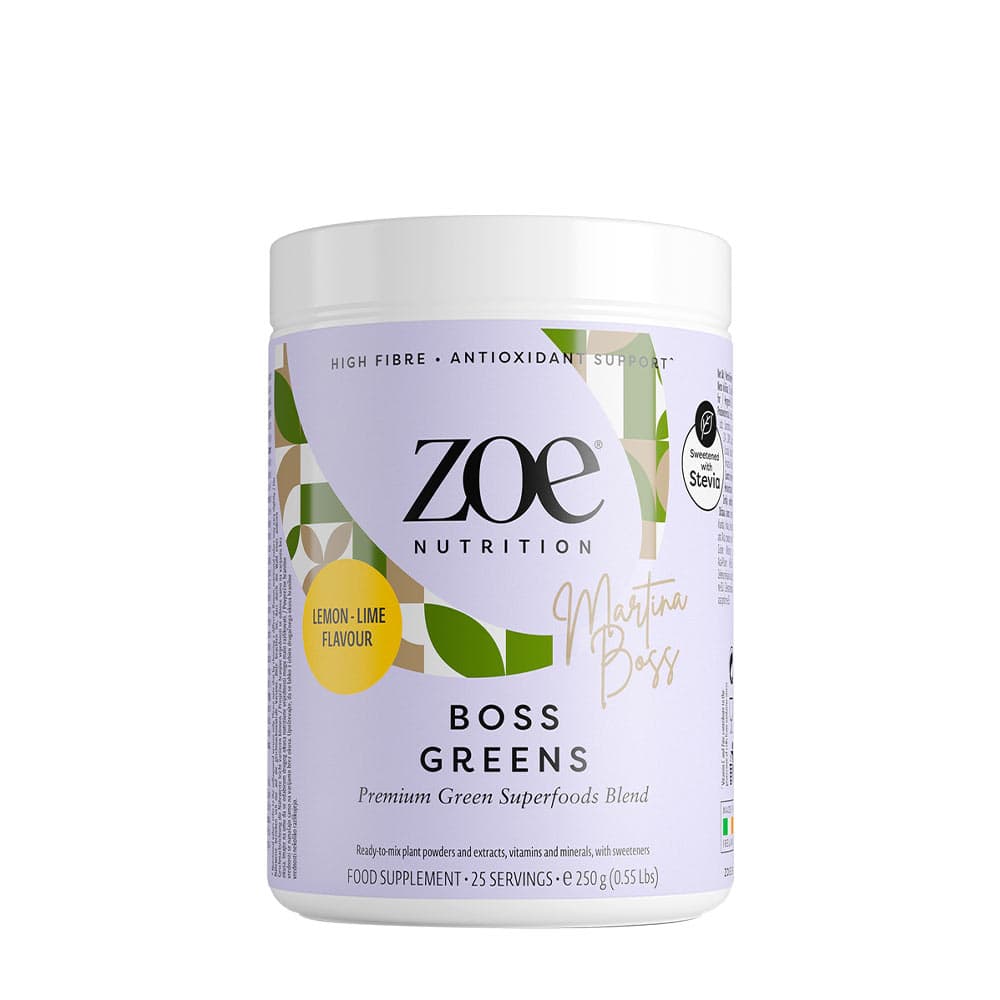
Zoe Nutrition - Boss Greens - Lemon Lime - 250 g
Related entries
Blueberry Extract
Blåbärsextrakt – definition and facts in our glossary. Concentrated extract of European blueberries (Vaccinium myrtillus) with a high anthocyanin content.
Goji
Chinese happiness berry (Lycium barbarum) rich in zeaxanthin, polysaccharides, and vitamin C. Traditional longevity food.
Maqui
Maqui – definition and facts in our glossary. Chilean superberry with extremely high anthocyanin content.
Antioxidants
Information about Antioxidants will be updated shortly.