Boron
Bor – definition and facts in our glossary. Underrated supplement.
What is Boron?
Boron is an ultratrace mineral that is often overlooked in discussions about supplements and minerals. It is an essential micronutrient naturally found in certain foods and water sources. In this article, we will explore the functions of boron, its benefits, recommended dosage, and more.
How does it work in the body?
Boron affects the body in several ways, particularly by supporting the metabolism of minerals such as calcium, magnesium, and phosphorus.
Scientific benefits
Several studies have investigated the health benefits of boron:
Dosage and recommendations
There is no official recommended daily dose for boron, but many studies have used doses between 3-10 mg per day. Generally, an intake of 3 mg per day is considered sufficient to achieve health benefits. However, it is always important to consult a doctor or nutrition expert before starting supplements to determine individual needs.
Best sources and forms
Boron is naturally found in many foods, including:
- Nuts (especially almonds)
- Fruits (such as apples and pears)
- Vegetables (such as broccoli and spinach)
- Legumes
- Water (depending on the source)
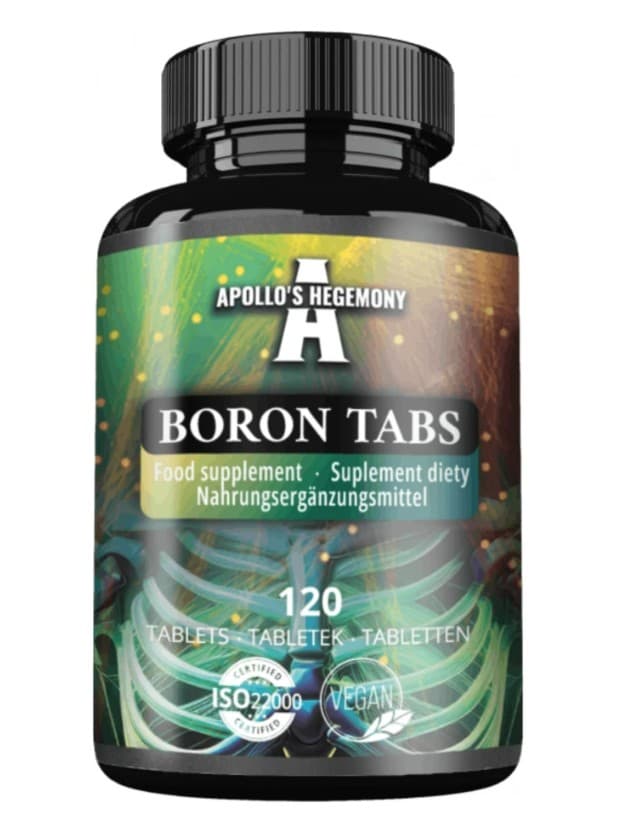
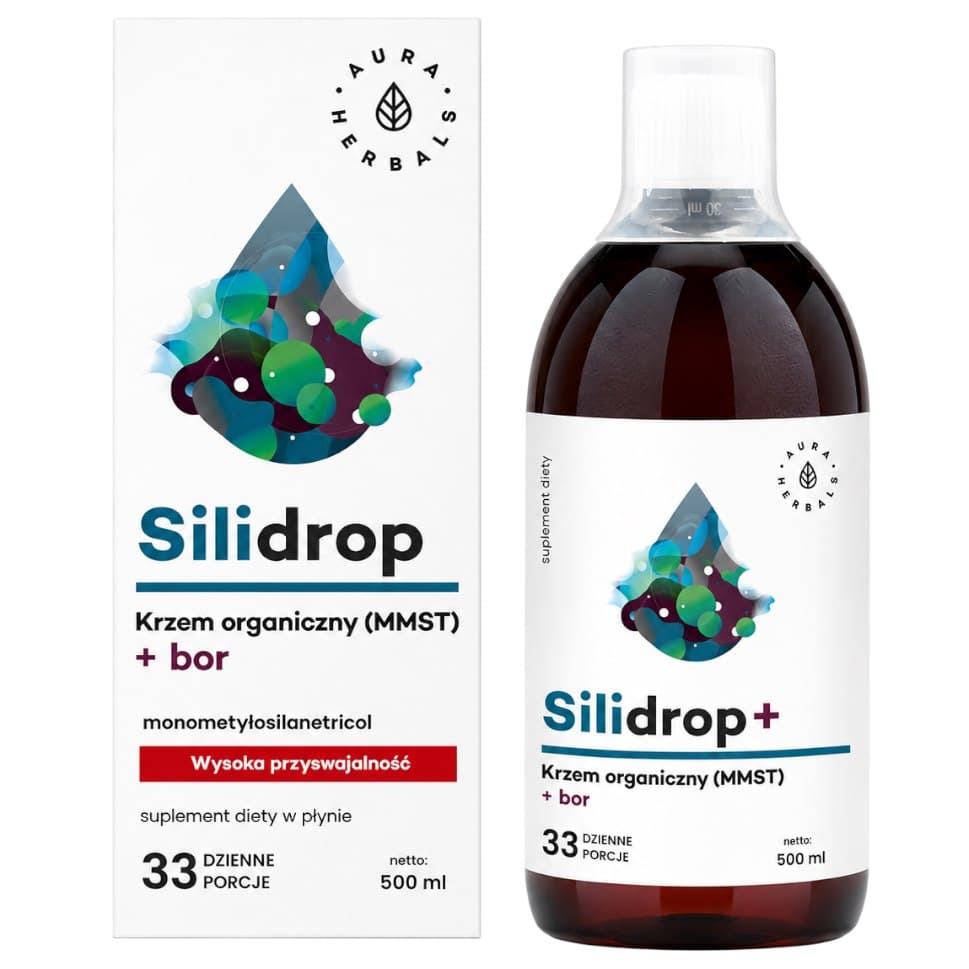
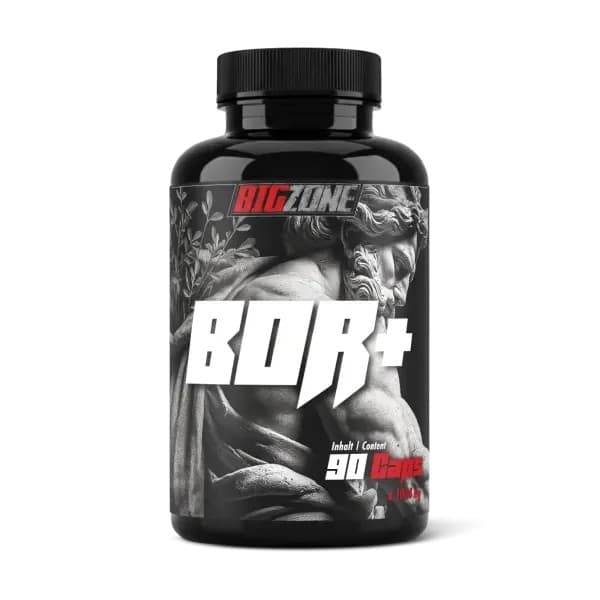
Supplements are also available in the form of borate or borosilicate. These supplements can be a good option for those who have difficulty obtaining enough boron through diet.
Side effects and warnings
Boron is generally considered safe when taken in moderate amounts, but excessive intake can lead to side effects. Common side effects of high doses may include:
- Stomach pain
- Nausea
- Diarrhoea
It is important to avoid intake of more than 20 mg of boron per day, as this can cause toxic effects. Pregnant and breastfeeding women should also be cautious and consult a doctor before taking supplements containing boron.
Frequently asked questions
What is boron good for?
Can I get enough boron through my diet?
Yes, many foods such as nuts, fruits, and vegetables naturally contain boron, which can help cover daily requirements.
Is boron a necessary supplement?
How do I know if I have a boron deficiency?
Boron deficiency can be difficult to detect, but symptoms may include weak bone structure and hormonal imbalances. A blood test can provide information about boron status in the body.
Are there any interactions with other medications?
Boron can affect how the body metabolises certain medications, so it is always wise to consult a doctor before starting supplements.