Ceramides
Lipids (fats) that constitute about 50% of the skin's barrier. Essential for retaining moisture and keeping irritants out.
What are Ceramides?
Ceramides are a type of lipid (fat) that make up about 50% of the skin's barrier. Without sufficient levels of ceramides, the skin can become dry, irritated, and more susceptible to damage.
How do they work in the body?
Ceramides function by forming a lipid barrier in the outermost layer of the skin, the epidermis.
Scientific benefits
Several studies have investigated the role of ceramides in skin health. According to research published in the Journal of Dermatological Science, a deficiency of ceramides can lead to conditions such as atopic dermatitis and psoriasis.
Dosage and recommendations
There is no single recommended dose for ceramides, as they are most often applied topically in the form of creams or serums. It is important to choose products with a high concentration of ceramides to achieve the best possible effect. When taken as a dietary supplement, one should follow the manufacturer's instructions and consult a healthcare provider if uncertain.
Best sources and forms
Ceramides are primarily found in two forms: topical products and dietary supplements. Common sources include:
- Skincare products: Creams, lotions, and serums containing ceramides.
- Dietary supplements: There are also ceramide-based supplements that can support skin health.
Side effects and warnings
Ceramides are generally considered safe to use and have few side effects. However, some individuals may experience mild irritation or allergic reactions, especially if they have sensitive skin. It is always advisable to perform a patch test before using a new product to ensure no adverse reaction occurs.
Frequently asked questions
1. What is the difference between ceramides and other lipids?
Ceramides are a specific type of lipid important for the skin's barrier function, whereas other lipids may have various roles in the body, such as energy storage or cell structure.
2. Can ceramides help with acne?
3. How long does it take to see results from ceramide products?
4. Are ceramides good for sensitive skin?
5. Can I get enough ceramides through diet?
Although some foods can support ceramide production, it is often more effective to use topical products to directly supply ceramides to the skin.
Products containing Ceramides
Show all 18 →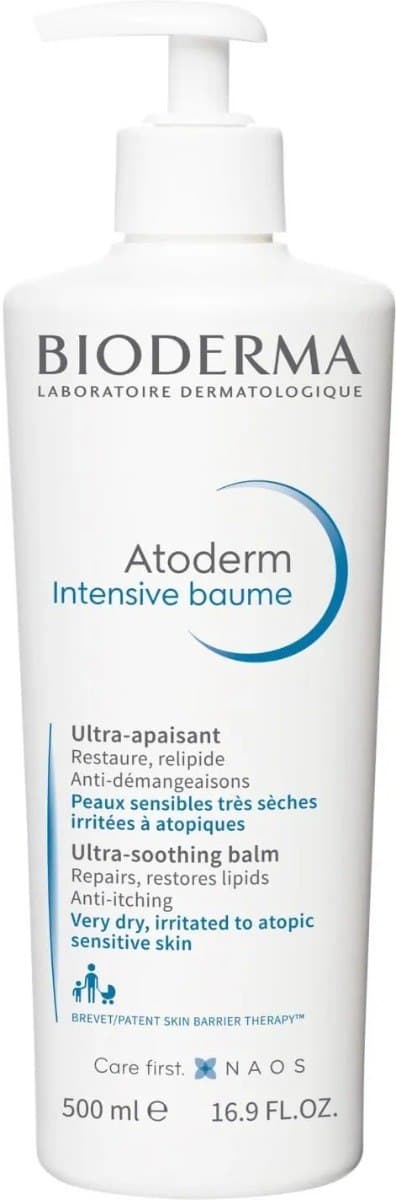
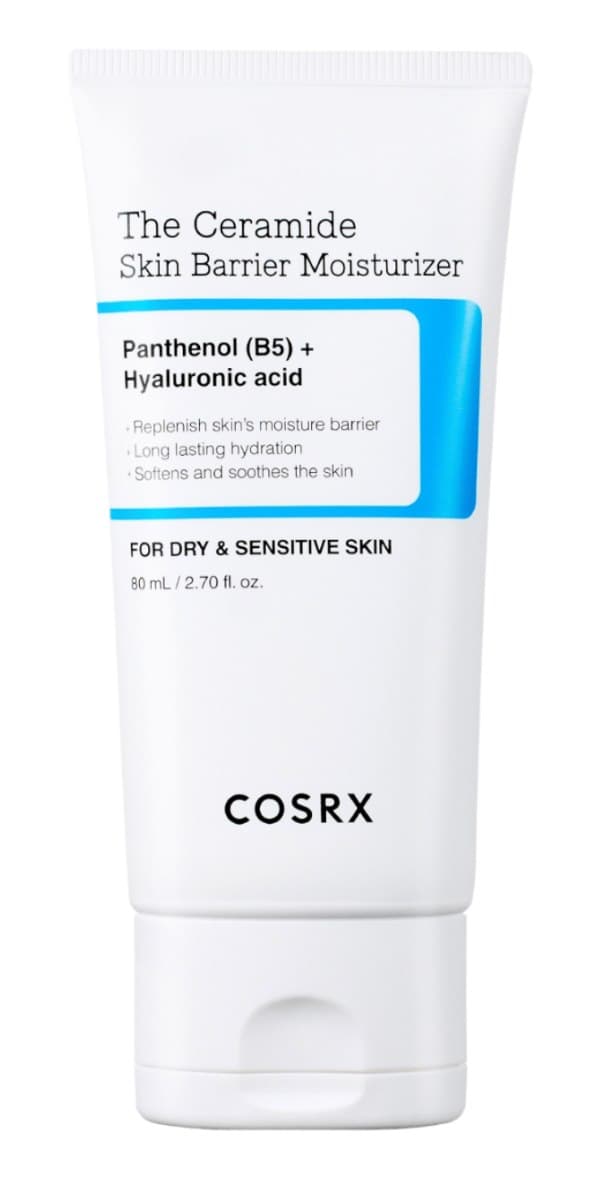
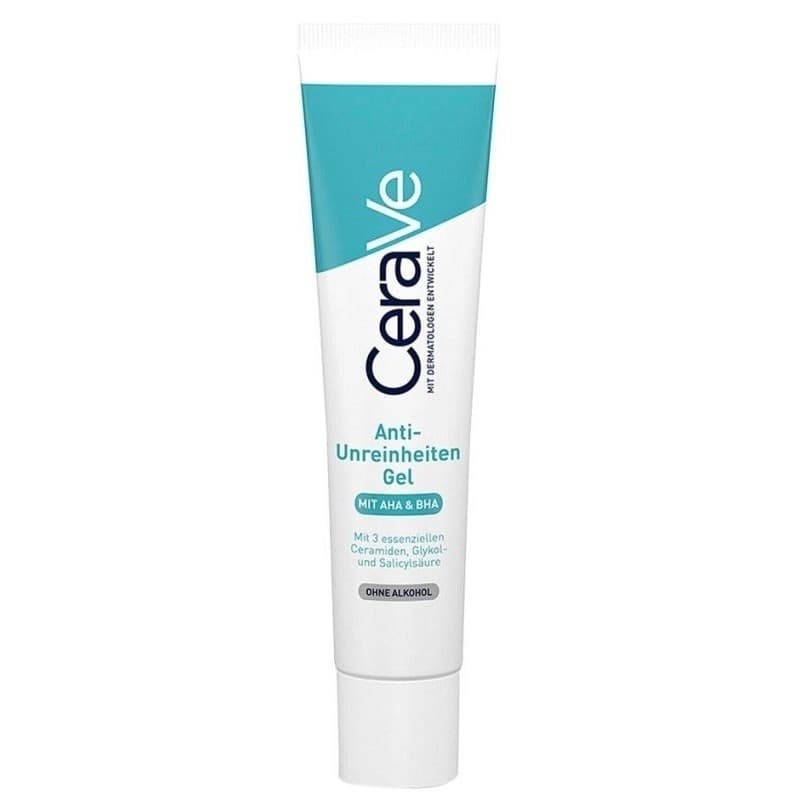
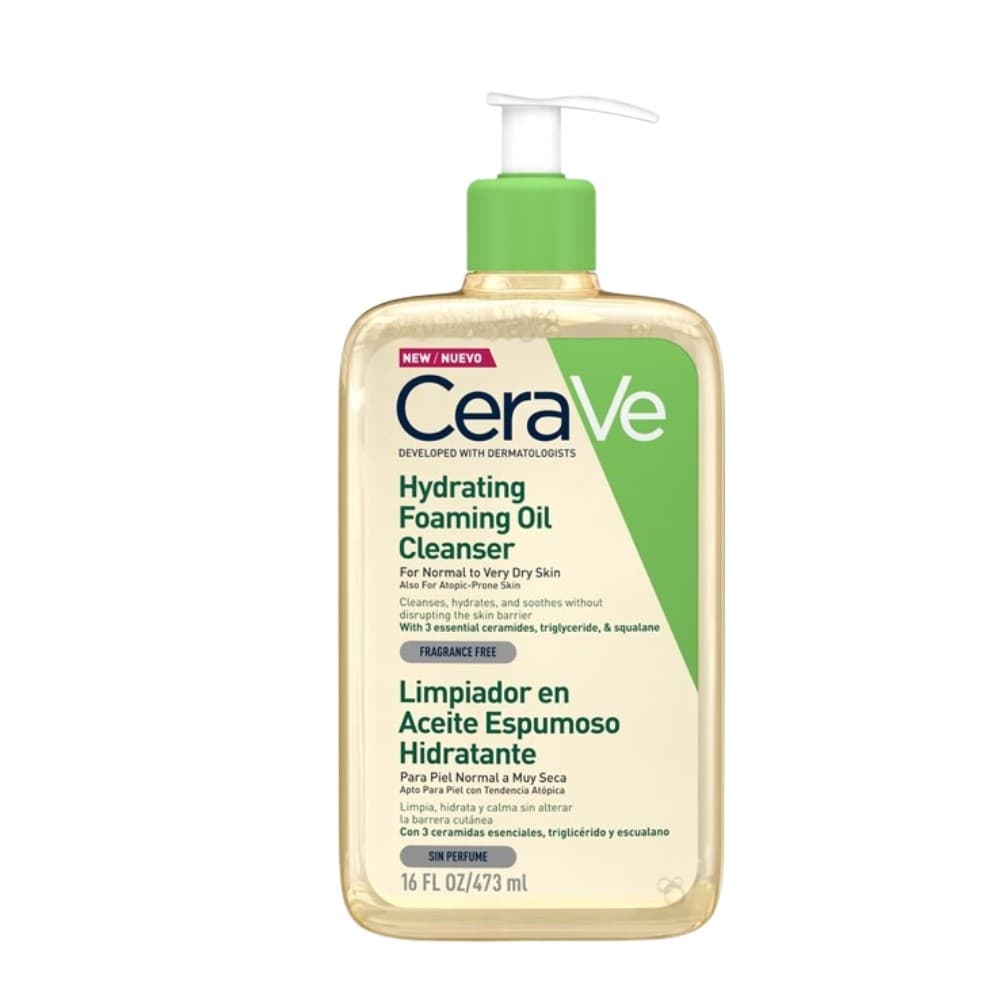


Related entries
Hyaluronic Acid
Naturally occurring polysaccharide that binds up to 1000 times its own weight in water. Central for skin hydration, elasticity, and joint lubrication.
Omega-3
Omega-3 fatty acids are essential polyunsaturated fats that the body cannot produce itself. The main forms are EPA and DHA (from fish) and ALA (from plants).
Collagen
Collagen is the body's most common protein and constitutes about 30% of all protein. It provides structure to skin, tendons, cartilage, bones, and blood vessels. The body's collagen production decreases with age.
GLA
GLA – definition and facts in our glossary. Found in evening primrose oil and borage oil.