Hyaluronic Acid
Naturally occurring polysaccharide that binds up to 1000 times its own weight in water. Central for skin hydration, elasticity, and joint lubrication.
What is Hyaluronic Acid?
Hyaluronic acid is a naturally occurring polysaccharide found in the body's connective tissue, skin, and joints. Hyaluronic acid also plays an important role in lubricating the joints, which is crucial for keeping them healthy and functional.
How does it work in the body?
In the body, hyaluronic acid is present in several tissues, including the skin, eyes, and joints. By supplementing with hyaluronic acid, either through dietary supplements or skincare products, we can potentially counteract these effects.
Scientific benefits
Several studies have investigated the potential benefits of hyaluronic acid.
Dosage and recommendations
The recommended dosage of hyaluronic acid varies depending on the product and purpose. For dietary supplements, a common dose is between 100-200 mg per day. It is important to follow the manufacturer's instructions and consult a doctor before starting hyaluronic acid, especially if you have any medical conditions or are taking other medications.
Best sources and forms
Hyaluronic acid is available in several forms, including:
- Dietary supplements: Available in capsule, tablet, or powder form.
- Skincare products: Many facial creams and serums contain hyaluronic acid as an active ingredient.
- Injections: Used in medical aesthetics to fill wrinkles and volume loss.
Natural sources of hyaluronic acid are limited, but some foods such as bone broth and fermented foods may support the body's production.
Side effects and warnings
Hyaluronic acid is generally considered safe for most people. Some side effects may include mild irritation, redness, or swelling when applying topical products. Injections can cause more serious side effects, such as infection or allergic reactions. It is always important to consult a doctor before starting treatment with hyaluronic acid, especially if you have known allergies or other medical conditions.
Frequently asked questions
Is hyaluronic acid good for everyone?
Hyaluronic acid is generally safe and can be beneficial for most people, but individuals with specific allergies or skin issues should consult a doctor.
Can I use hyaluronic acid if I have sensitive skin?
Yes, many hyaluronic acid products are formulated for sensitive skin, but it is always advisable to test a small amount first.
How long does it take to see results with hyaluronic acid?
Results may vary depending on the form of hyaluronic acid and usage, but many see improvements within a few weeks.
Can I take hyaluronic acid together with other supplements?
Yes, hyaluronic acid can often be combined with other supplements, but it is advisable to consult a doctor to ensure it is safe for you.
Products containing Hyaluronic Acid
Show all 195 →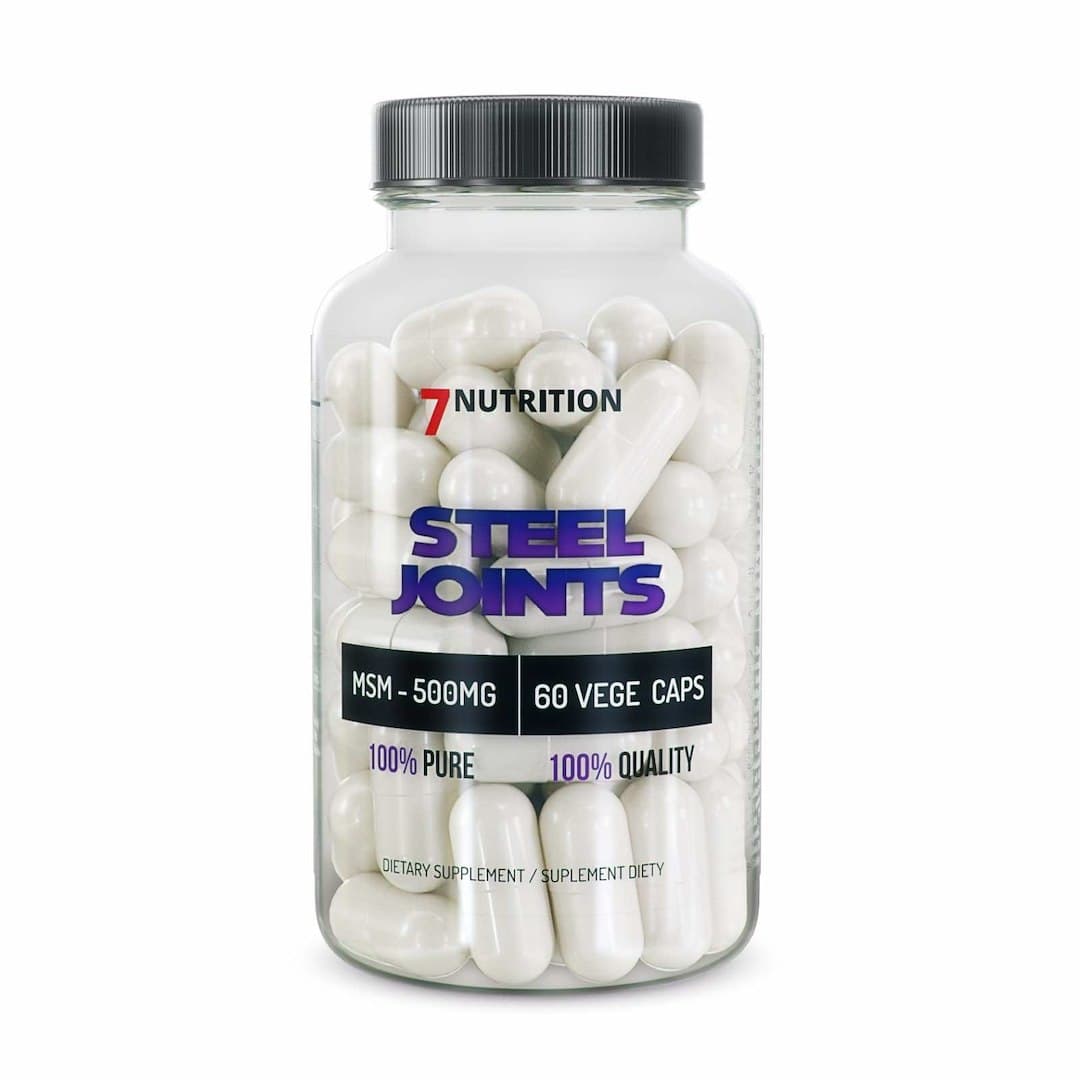
7 Nutrition - Steel Joints - 30 Days - 60 Vege Caps
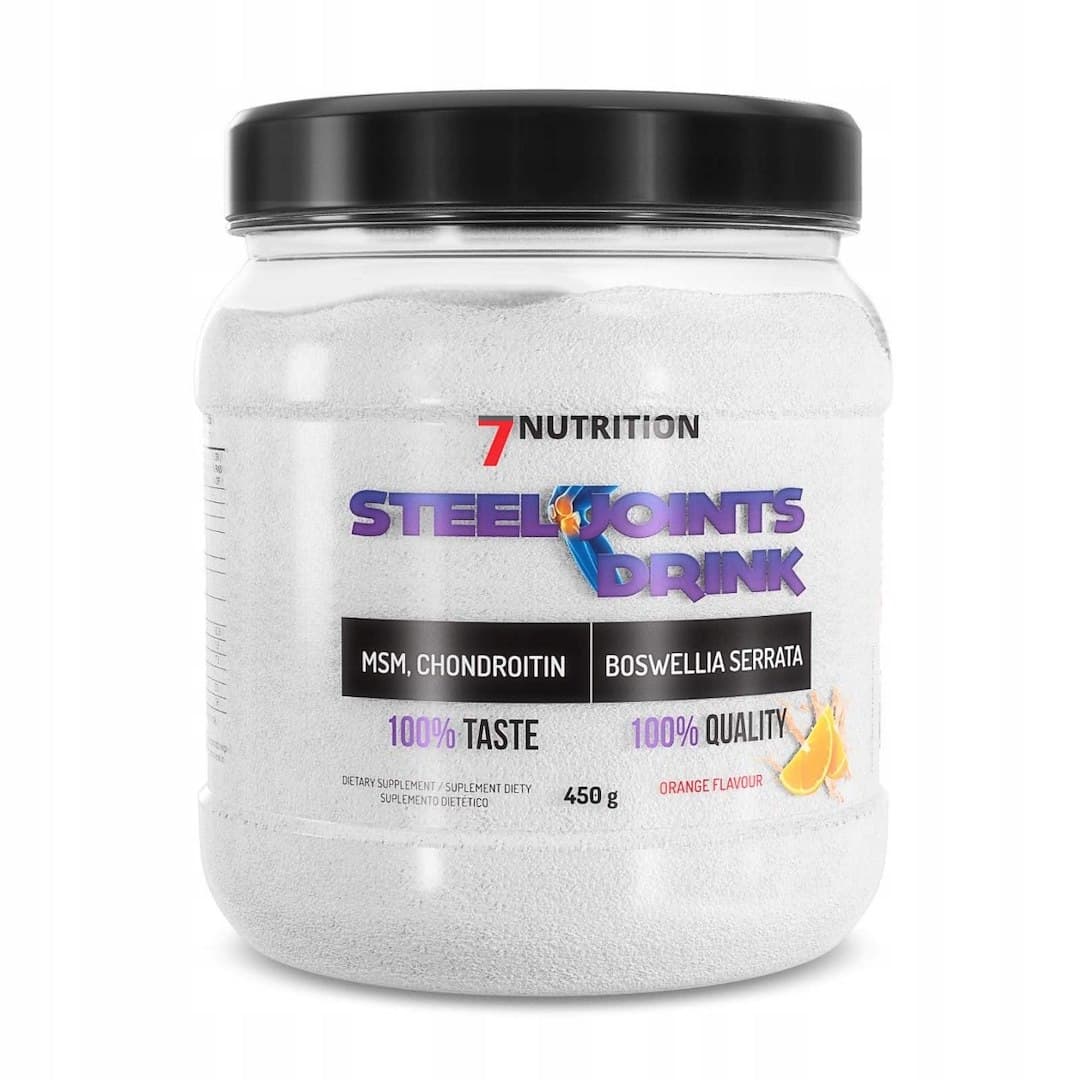
7 Nutrition - Steel Joints Drink - 450g
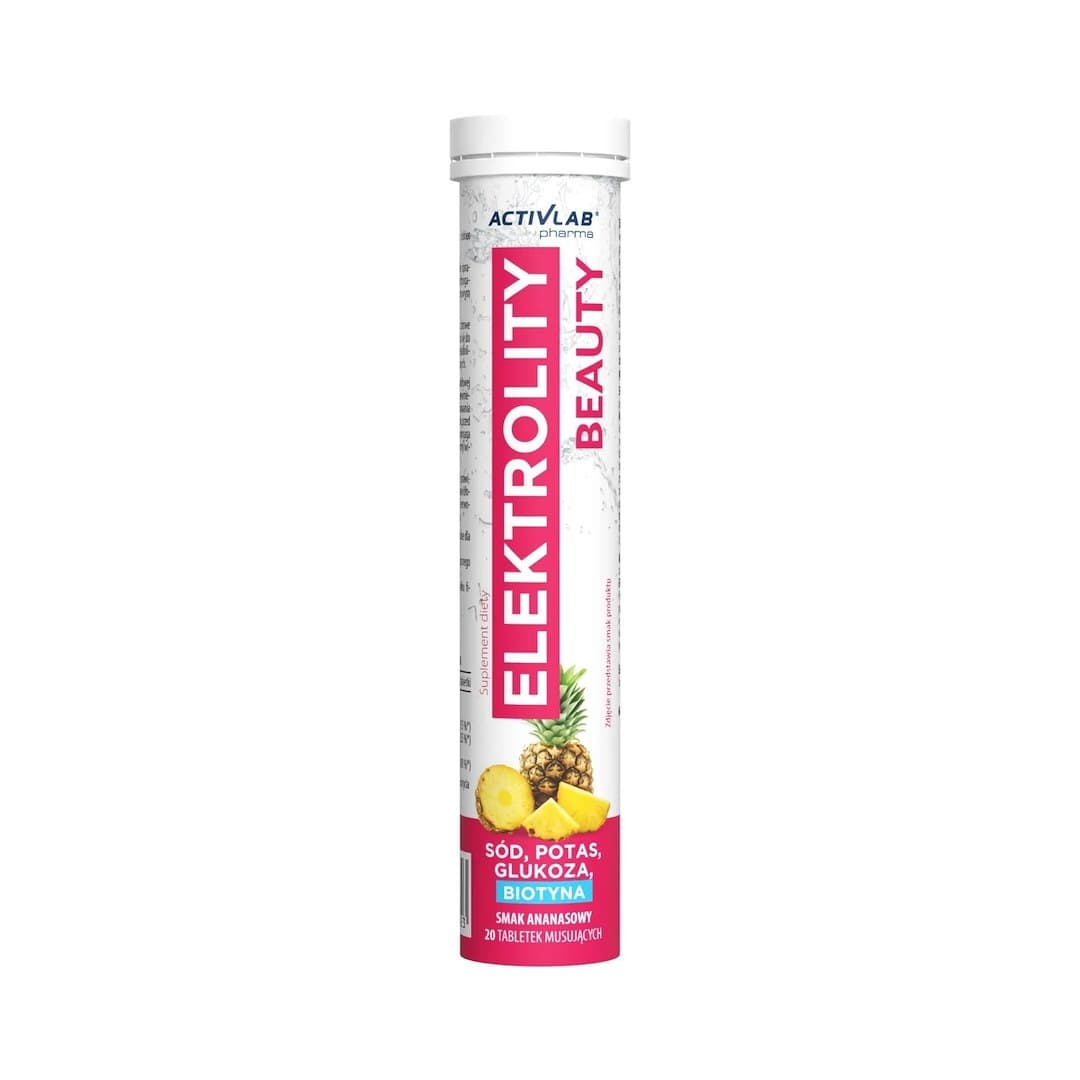
ActivLab - Electrolytes Beauty - 20 Tabs
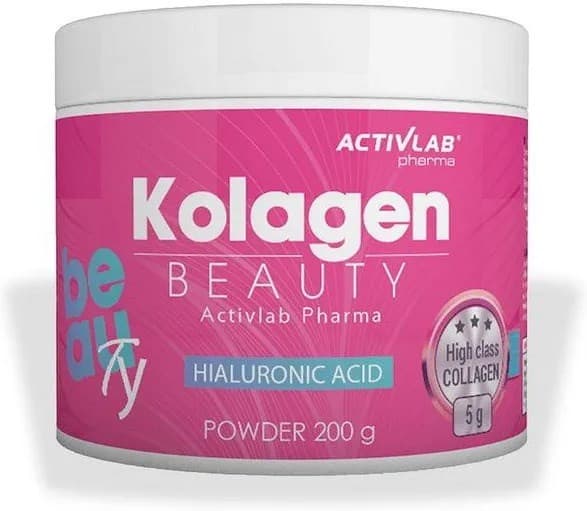
Activlab - Collagen Beauty Powder - 200g
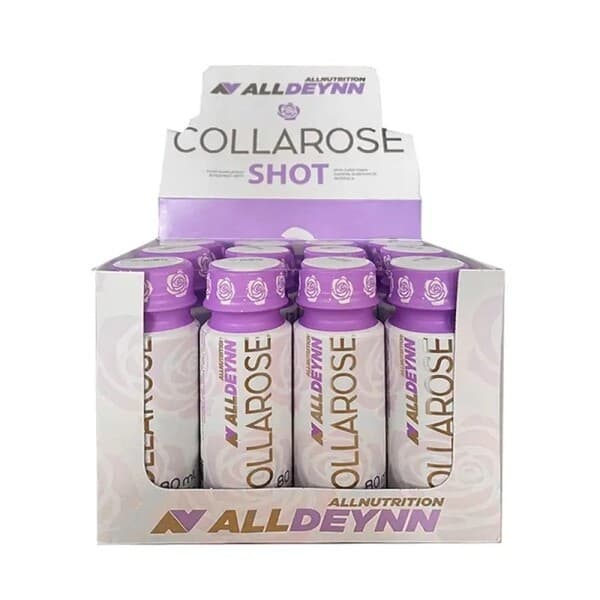
AllNutrition - Collarose Shot - 80ml x 12
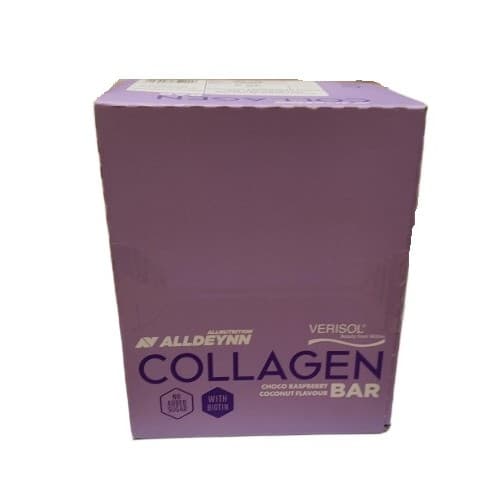
Allnutrition - Alldeynn Collagen Bar
Related entries
Collagen
Collagen is the body's most common protein and constitutes about 30% of all protein. It provides structure to skin, tendons, cartilage, bones, and blood vessels. The body's collagen production decreases with age.
Ceramides
Lipids (fats) that constitute about 50% of the skin's barrier. Essential for retaining moisture and keeping irritants out.
Elastin
Elastic protein in skin and connective tissue that gives tissues the ability to return to their original shape after stretching. Decreases with age.
Vitamin C
Vitamin C (ascorbic acid) is a water-soluble vitamin and a powerful antioxidant.