Vitamin C
Vitamin C (ascorbic acid) is a water-soluble vitamin and a powerful antioxidant.
What is vitamin C?
Vitamin C, also known as ascorbic acid, is a water-soluble vitamin that acts as one of the body27s most important antioxidants. Humans cannot produce vitamin C themselves and must obtain it through the diet.
Functions
- It can reduce the duration of colds by 8-14%.
- Collagen synthesis 2D Vitamin C is required for the production of collagen, the protein that builds skin, tendons, ligaments, and blood vessels.
- Also regenerates vitamin E.
- Iron absorption 2D Vitamin C increases the absorption of non-haem iron (from plants) by up to 6 times.
Forms
- Ascorbic acid 2D Standard form, effective and inexpensive. May irritate sensitive stomachs.
- Ester-C 2D pH-neutral, gentle on the stomach. Contains vitamin C metabolites.
- Liposomal vitamin C 2D Encapsulated in lipids for maximum absorption. More expensive but higher bioavailability.
- Sodium ascorbate 2D Buffered form, good for sensitive stomachs.
Dosage
RDI: 75-90 mg per day. Optimal: 500-1000 mg per day. During colds, 1000-2000 mg per day may reduce symptom duration. Upper limit: 2000 mg per day.
Swedish recommendations (National Food Agency)
The National Food Agency recommends the following daily intake of vitamin C:
| Age group | Recommended intake |
|---|---|
| Children 22D5 years | 30 mg |
| Children 62D9 years | 40 mg |
| Children 102D13 years | 50 mg |
| Adolescents 142D17 years | 602D70 mg |
| Adults 18+ years | 75 mg |
| Pregnant women | 85 mg |
| Breastfeeding women | 100 mg |
| Smokers | +40 mg extra |
Source: National Food Agency, NNR 2023.
Products containing Vitamin C
Show all 1451 →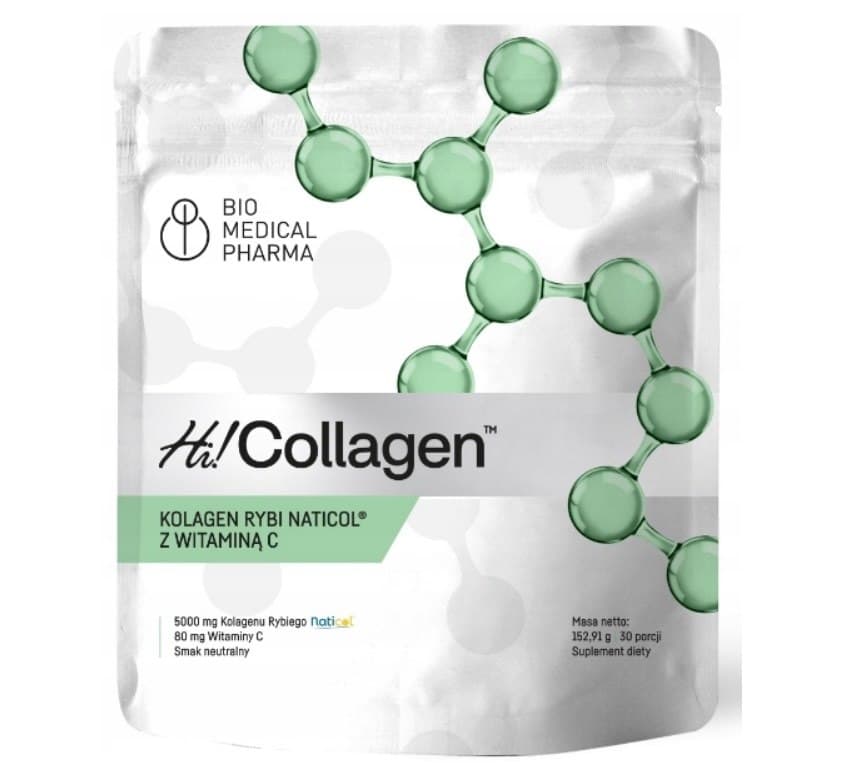
Bio Medical Pharma - Hi!Collagen - 352.91g, 30 servings
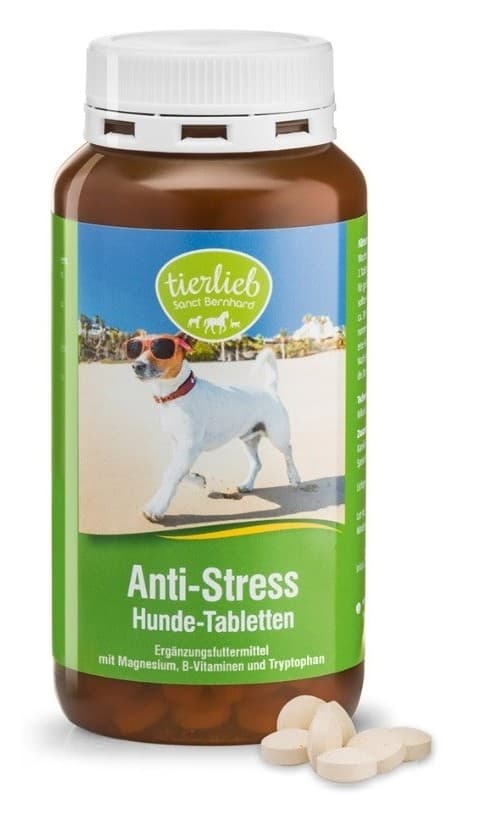
Tierlieb - Anti-Stress Dog Tabs - 340 Tabs
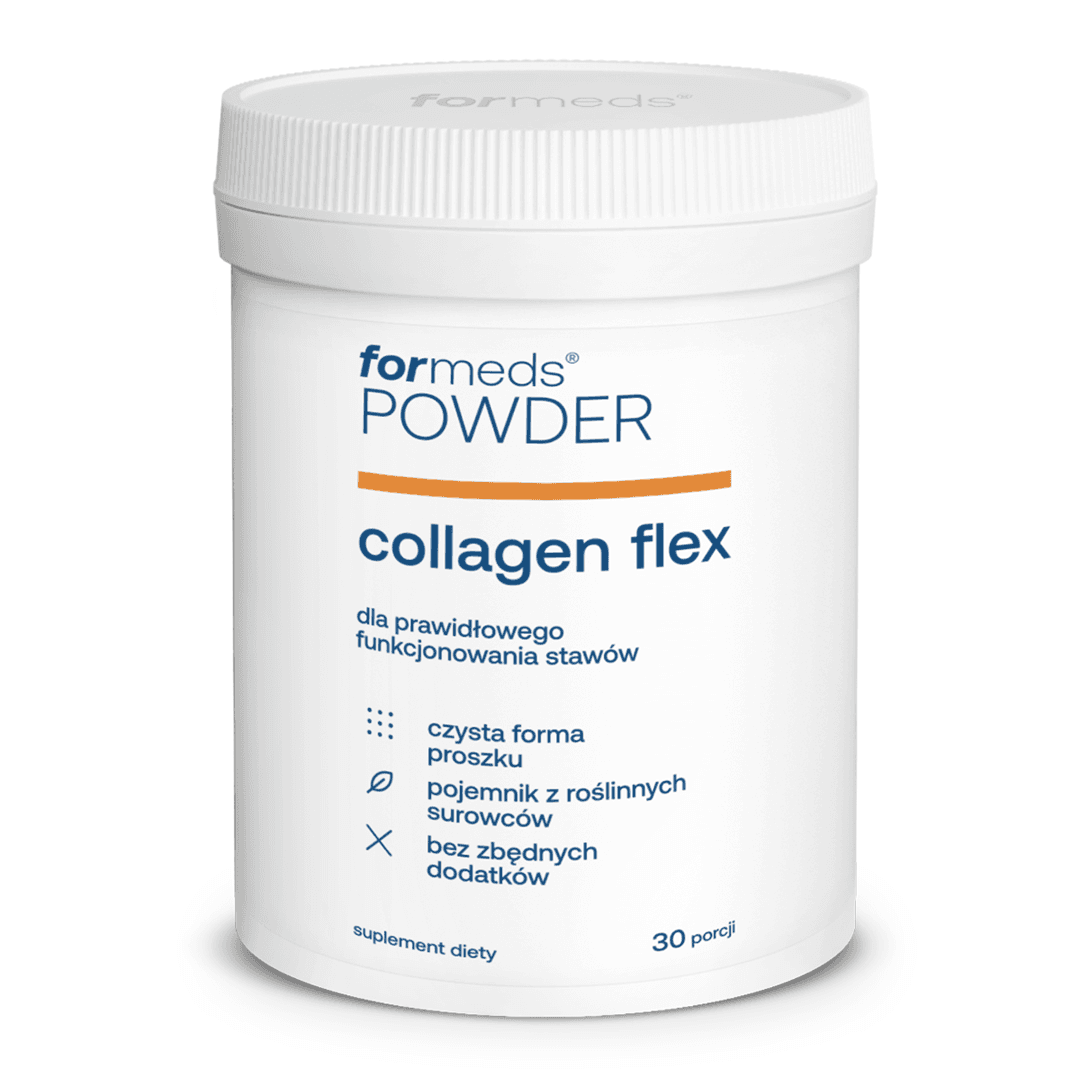
FORMEDS - POWDER collagen flex (153 g)
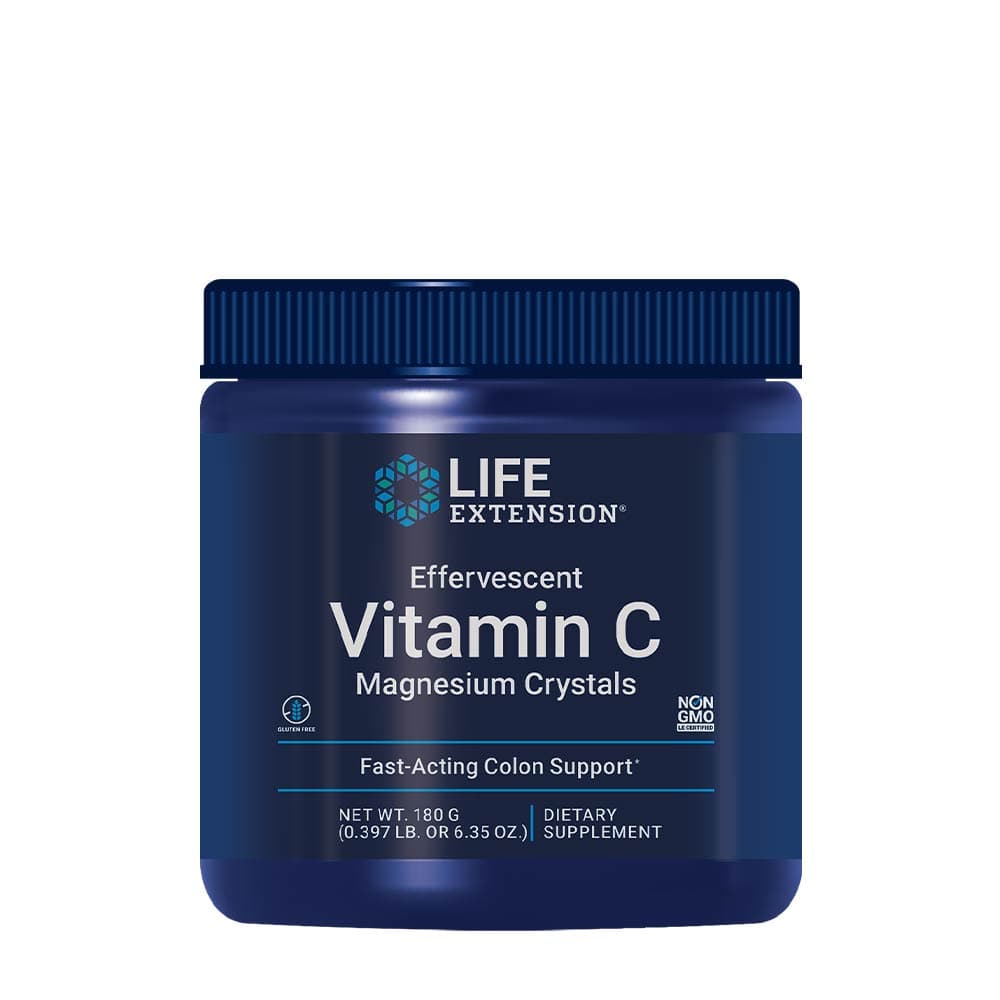
Life Extension - Effervescent Vitamin C Magnesium Crystals 180g
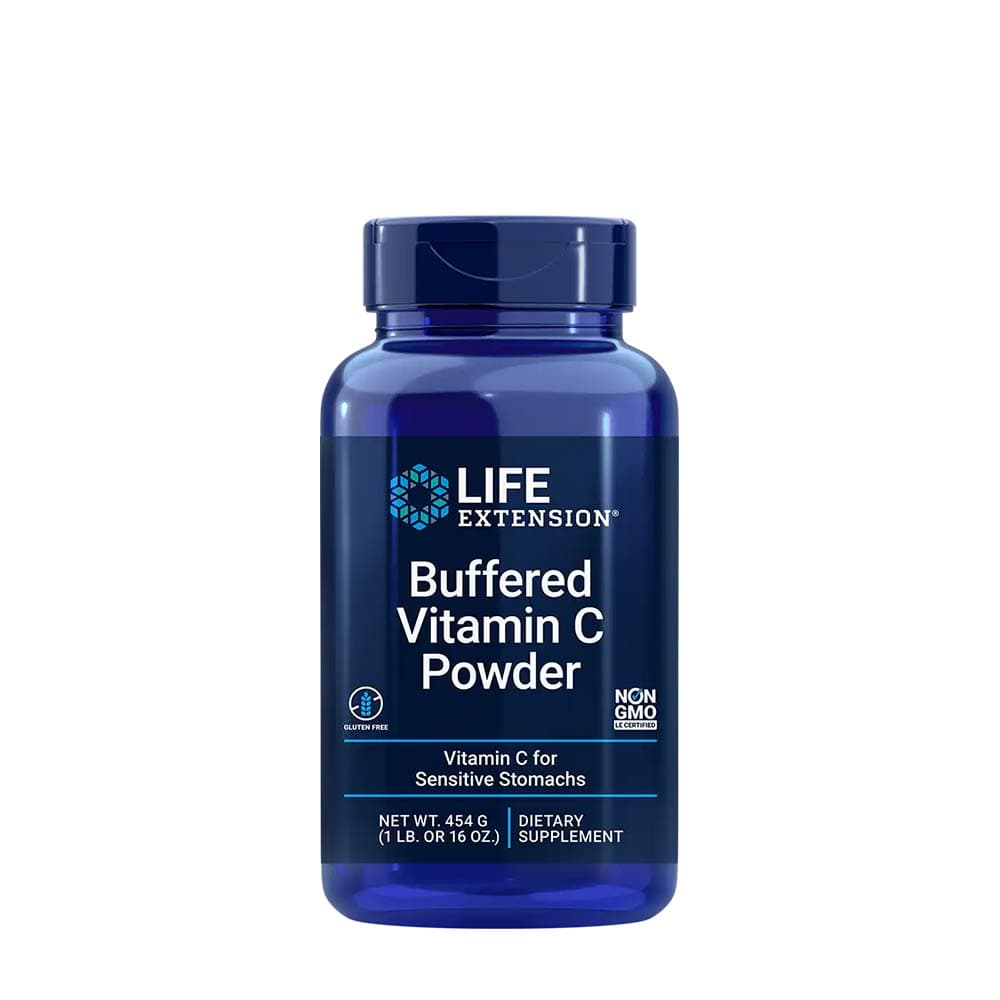
Life Extension - Buffered Vitamin C Powder - 454g
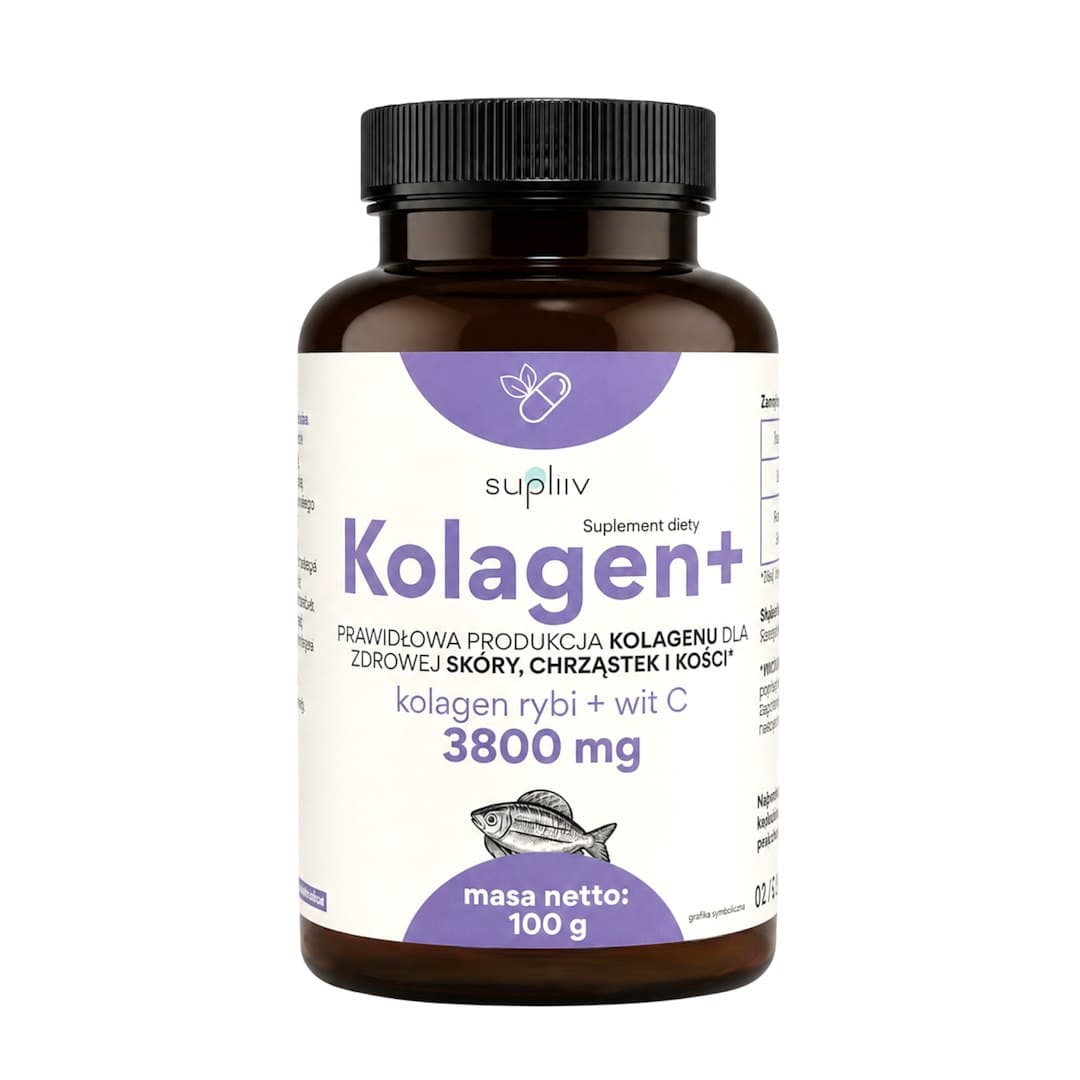
Supliiv - Fish Collagen + Vitamin C
Related entries
Ascorbic Acid
Information about Ascorbic Acid will be updated shortly.
Antioxidant
Antioxidant – definition and facts in our glossary. Important antioxidants include vitamin C, E, selenium, glutathione, and CoQ10.
Collagen
Collagen is the body's most common protein and constitutes about 30% of all protein. It provides structure to skin, tendons, cartilage, bones, and blood vessels. The body's collagen production decreases with age.
Iron
Järn – definition and facts in our glossary. Deficiency is the world's most common nutritional deficiency.