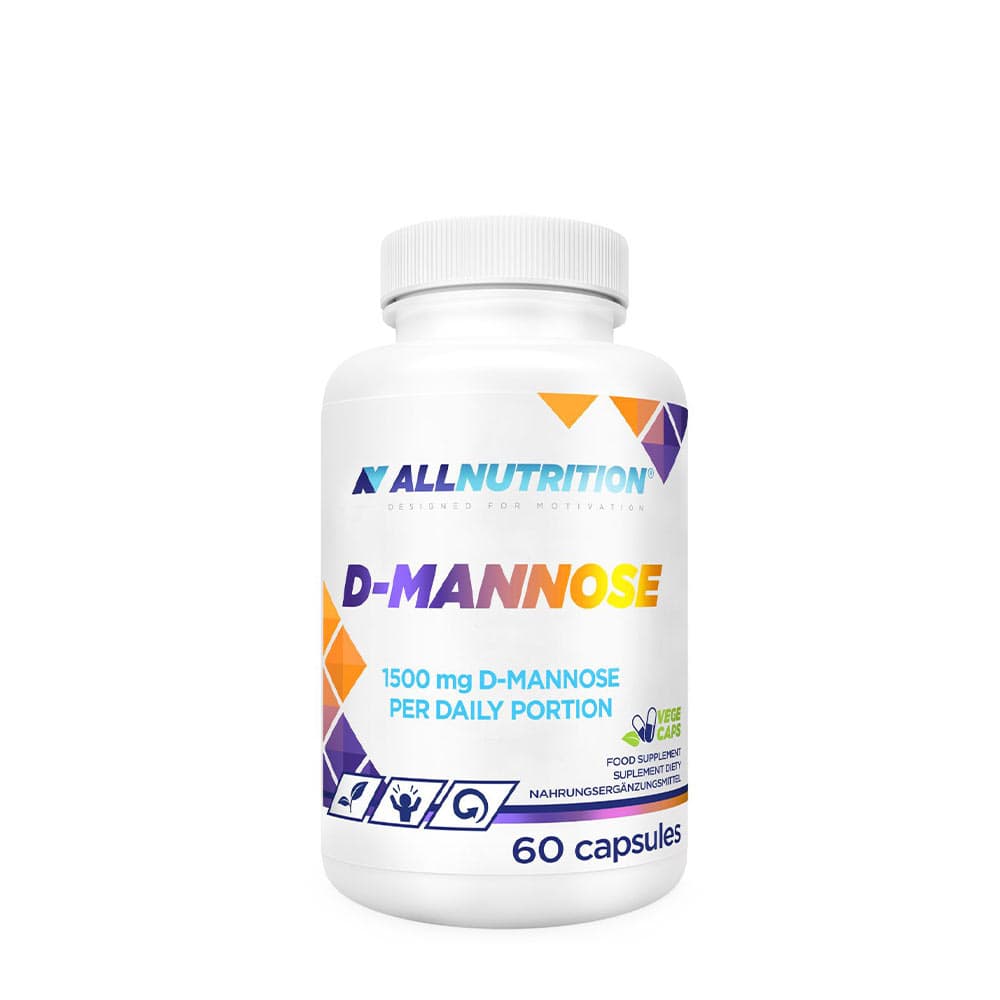
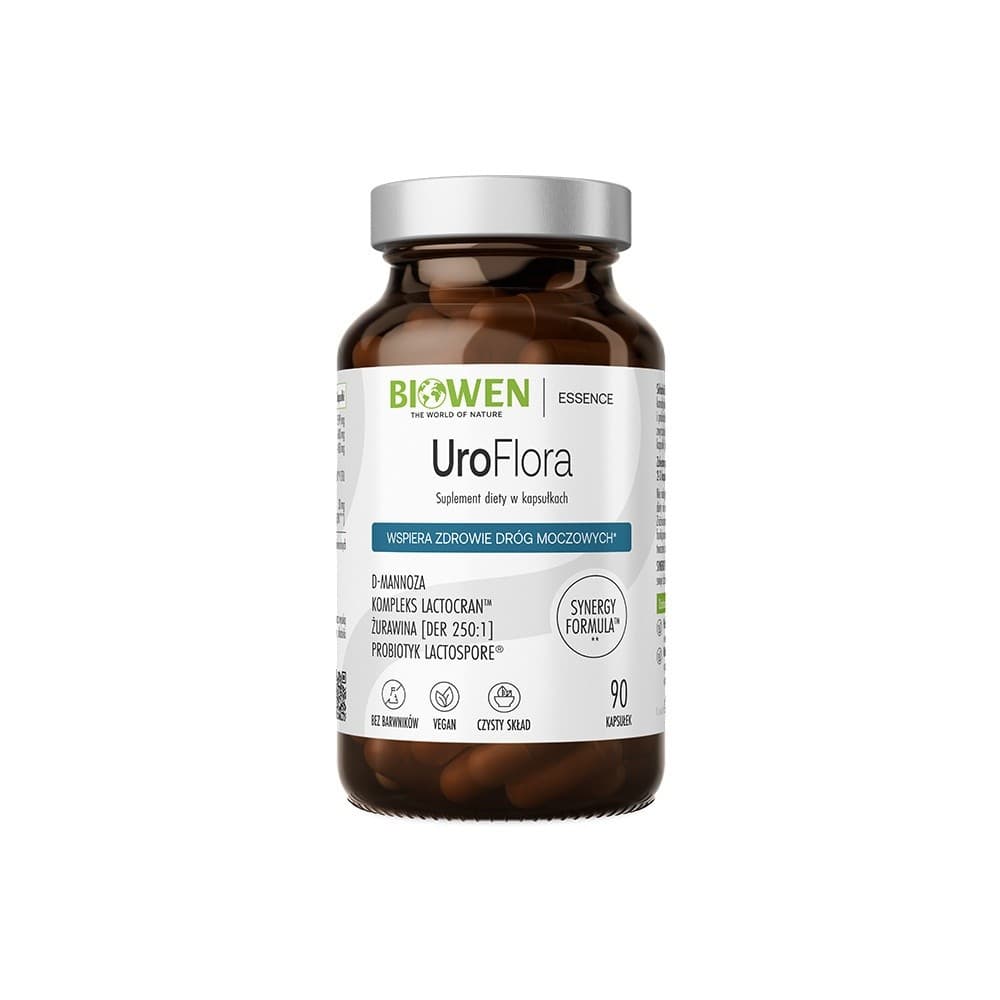
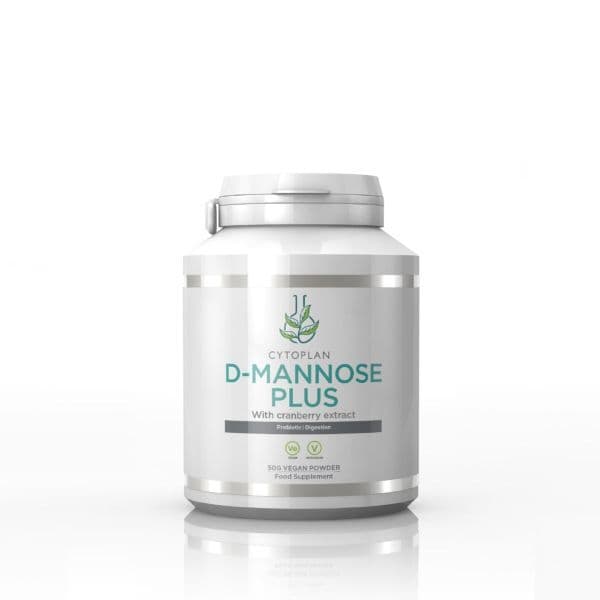
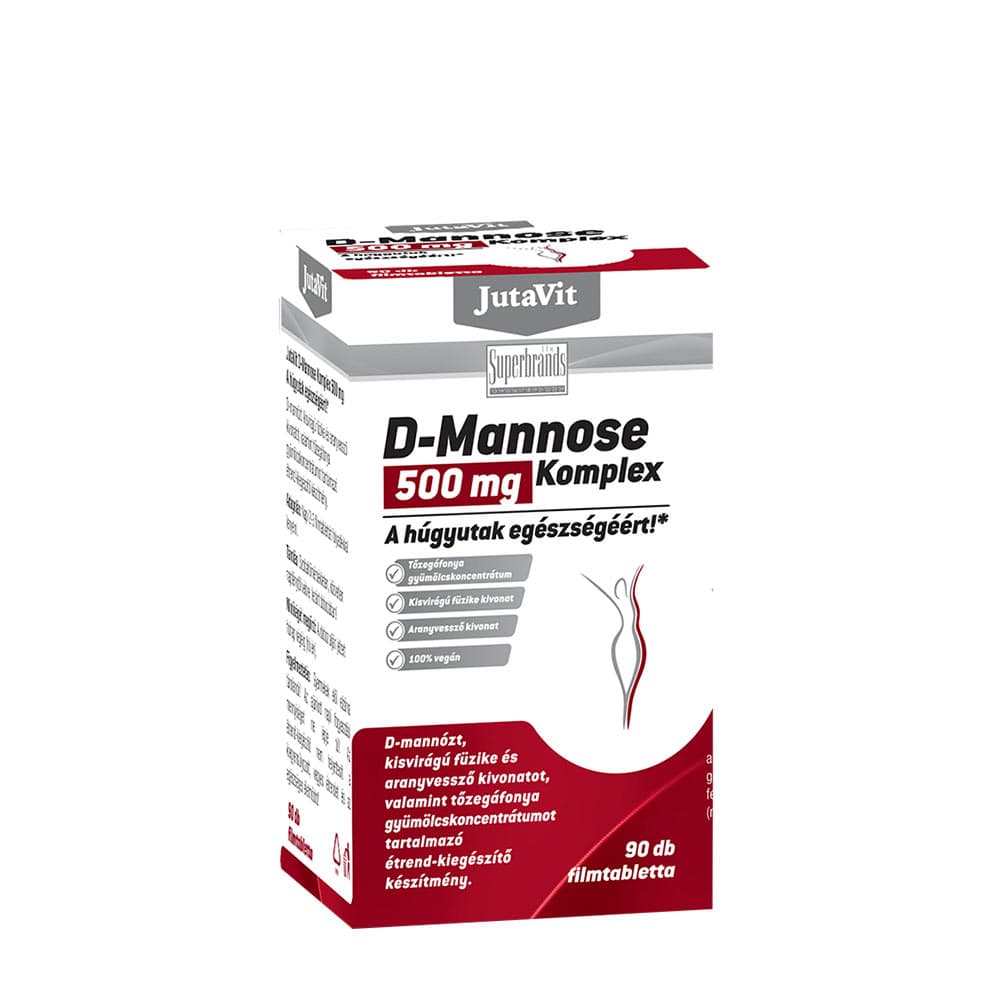
D-Mannose
Simple sugar (monosaccharide) that binds to E. coli bacteria in the urinary tract. Natural alternative for UTIs.
What is D-Mannose?
D-Mannose is a naturally occurring monosaccharide, a type of simple sugar found in certain fruits and vegetables. It is particularly known for its ability to bind to E. coli bacteria, which are a common cause of urinary tract infections (UTIs).
How does it work in the body?
D-Mannose primarily works by binding to E. This occurs because D-Mannose mimics the sugars present on the surface of cells in the urinary tract. When D-Mannose binds to the bacteria, they can no longer attach to the mucous membranes and are instead flushed out of the body with urine.
Scientific benefits
Several studies have investigated the effect of D-Mannose on urinary tract infections.
Dosage and recommendations
It is important to follow the instructions on the packaging or consult a doctor to determine the most appropriate dose based on individual needs and health conditions. D-Mannose can be taken in powder form, capsules, or tablets, and it is often recommended to take it with plenty of fluids to ensure optimal effect.
Best sources and forms
D-Mannose occurs naturally in certain foods but in relatively low concentrations. The best sources include:
- Apples
- Pears
- Blueberries
- Peaches
- Cranberries
D-Mannose is available in various forms, including powder, capsules, and tablets. It is important to choose a high-quality supplement from a reliable manufacturer to ensure purity and efficacy.
Side effects and warnings
D-Mannose is generally considered safe for most people when taken at recommended doses. However, some individuals may experience mild side effects such as stomach discomfort, diarrhoea, or nausea. If you have diabetes or other metabolic disorders, you should consult a doctor before starting D-Mannose, as it may affect blood sugar levels. There is also limited information on the use of D-Mannose during pregnancy and breastfeeding, so it is best to consult a healthcare provider in these cases.
Frequently asked questions
Is D-Mannose effective for everyone?
The effectiveness of D-Mannose can vary between individuals. Many people report positive results, but it is important to remember that supplements work best as part of a holistic approach to health and wellbeing.
Can D-Mannose replace antibiotics?
How long does it take for D-Mannose to start working?
The effects of D-Mannose can vary, but many users report noticing improvement within a few hours to days after intake.
Is D-Mannose safe for long-term use?
There is limited research on the long-term use of D-Mannose, but it is considered safe for short-term use. Always consult a doctor before using it for extended periods.