Echinacea
Echinacea – definition and facts in our glossary. One of the most used herbs for colds.
What is Echinacea?
Echinacea, also known as purple coneflower, is a plant native to North America and has been used as a medicinal herb for several hundred years. It is particularly known for its immune-stimulating properties and is one of the most popular herbs for treating colds and flu. Echinacea belongs to the family Asteraceae (the daisy family) and exists in several species, of which Echinacea purpurea is the most commonly used in supplements and natural medicines.
How does it work in the body?
This can lead to a faster and more effective response to viruses and bacteria.
Scientific benefits
Research on Echinacea has yielded mixed results, but several studies support its use as a natural treatment to shorten the duration of colds. A meta-analysis published in the Journal of Clinical Epidemiology showed that Echinacea can reduce the risk of developing colds by up to 58% and shorten their duration by approximately 1.4 days.
Despite these promising results, more research is needed to fully understand the mechanisms behind Echinacea's effects and its long-term safety.
Dosage and recommendations
To achieve the best results, it is often recommended to take Echinacea at the first signs of a cold. Dosage varies depending on the form and concentration, but a common recommendation is:
- 500-1000 mg of Echinacea extract, 2-3 times daily.
- For tinctures, 2-4 ml three times a day.
- For tea, use 1-2 teaspoons of dried herbs per cup of hot water.
It is important to follow the dosage instructions on the product label and consult a doctor before starting supplements, especially if you are pregnant or have underlying health conditions.
Best sources and forms
Echinacea is available in various forms, including:
- Extract: A concentrated form often used in supplements.
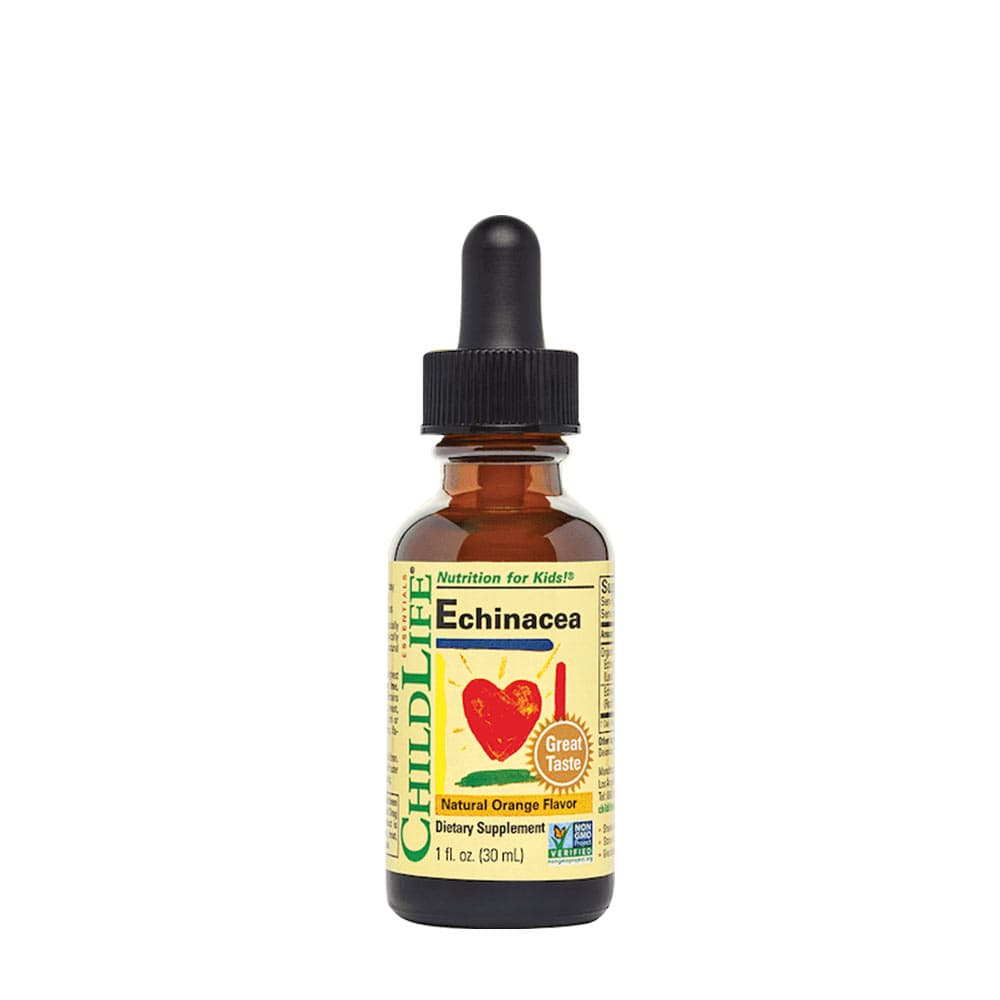
- Tincture: A liquid containing the herb in alcohol or glycerin.
- Dried herbs: Can be used to make tea or decoctions.
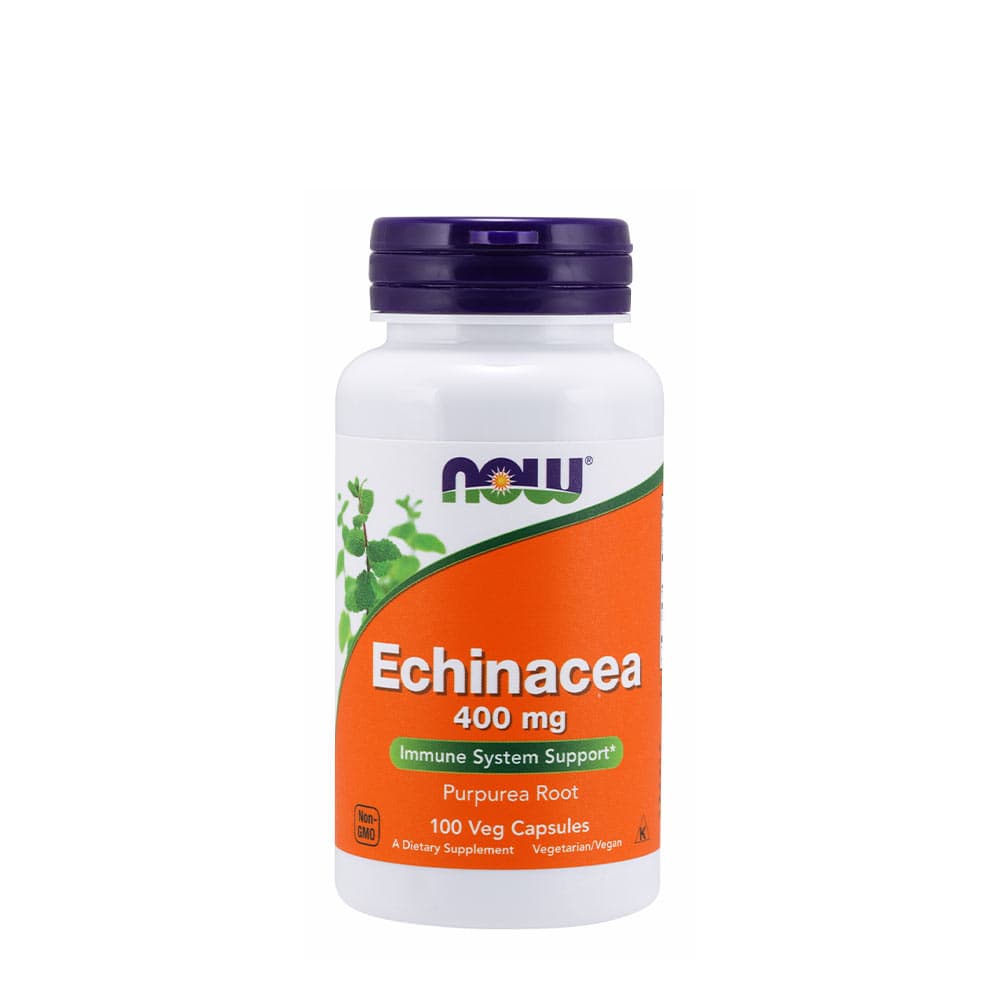
- Capsules: A simple and convenient form for daily intake.
It is important to choose high-quality products from reputable manufacturers to ensure efficacy and safety.
Side effects and warnings
Although Echinacea is considered safe for most people, it can cause side effects in some. Common side effects include:
- Stomach pain
- Nausea
- Skin rash
People allergic to plants in the Asteraceae family, such as ragweed, should avoid Echinacea. Additionally, it is important to note that Echinacea can interact with certain medications, so it is always best to consult a healthcare provider before use.
Frequently asked questions
1. Can I take Echinacea if I am pregnant?
There is not enough research to confirm the safety of Echinacea during pregnancy. It is always best to consult a doctor first.
2. How long should I take Echinacea?
It is usually recommended to take Echinacea for a short period, especially at the first symptoms of a cold. Long-term use should be avoided.
3. Can Echinacea help with allergies?
4.
It is always important to take flu symptoms seriously.
5. Are there any interactions with medications?
Echinacea can interact with immunosuppressive drugs and certain other medications. Always consult your doctor before use.