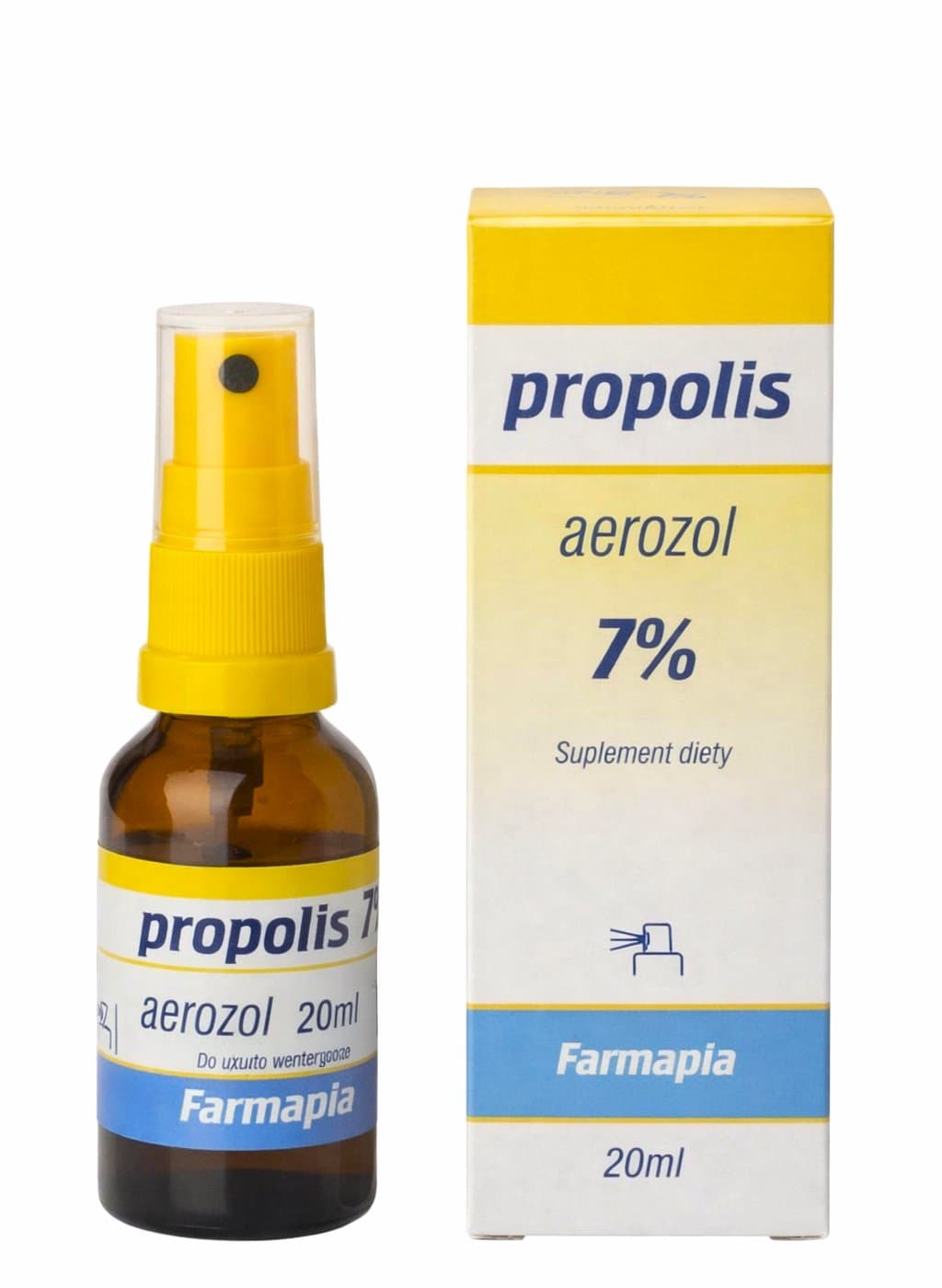
Propolis
Resin-like substance collected by bees and used to sterilise the hive. Broad-spectrum antimicrobial with hundreds of active compounds.
What is Propolis?
Propolis is a resin-like substance collected by bees from buds, resin, and other plant parts. Propolis consists of hundreds of active compounds, including flavonoids, terpenoids, and phenolic acids, which give it its broad-spectrum antimicrobial properties.
How does it work in the body?
Propolis has several mechanisms of action in the body. The active components in propolis can stimulate the production of immune cells, helping the body fight infections.
Scientific benefits
Several studies have investigated the potential health benefits of propolis. Here are some of the most prominent findings:
- Antimicrobial properties: A study published in the Journal of Medicinal Food demonstrated that propolis has effective antimicrobial properties against various bacteria and fungi.
Dosage and recommendations
There is no universal dosage for propolis, as it may vary depending on the individual's needs and health status. Generally, it is recommended to start with a low dose, for example 500 mg per day, and gradually increase up to 1-2 g per day. It is important to always follow the instructions on the product label and consult a doctor before starting a new supplement, especially if you are pregnant, breastfeeding, or have an underlying health condition.
Best sources and forms
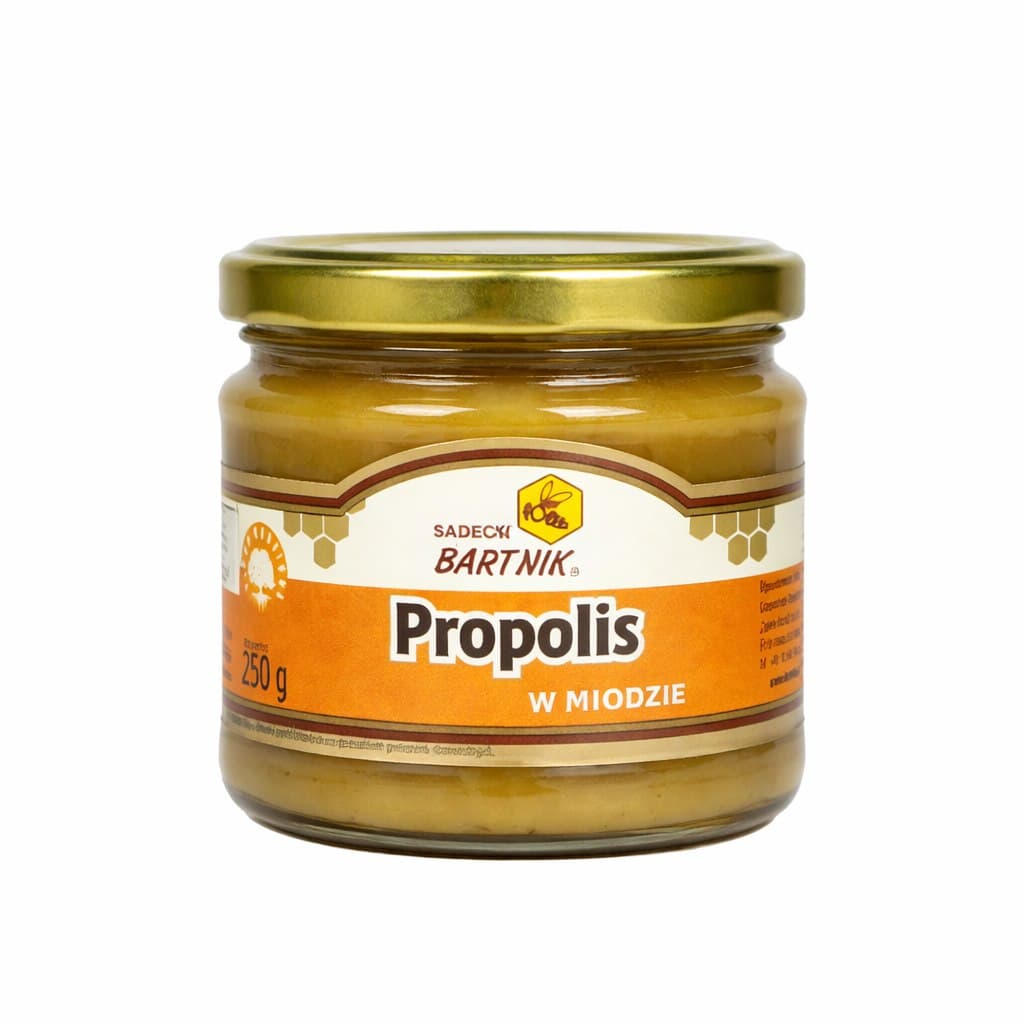
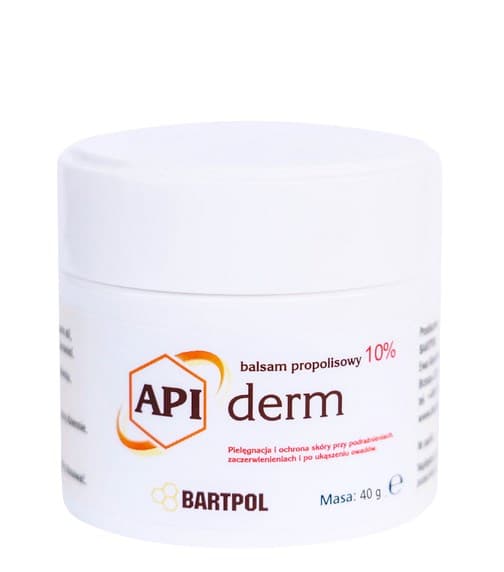
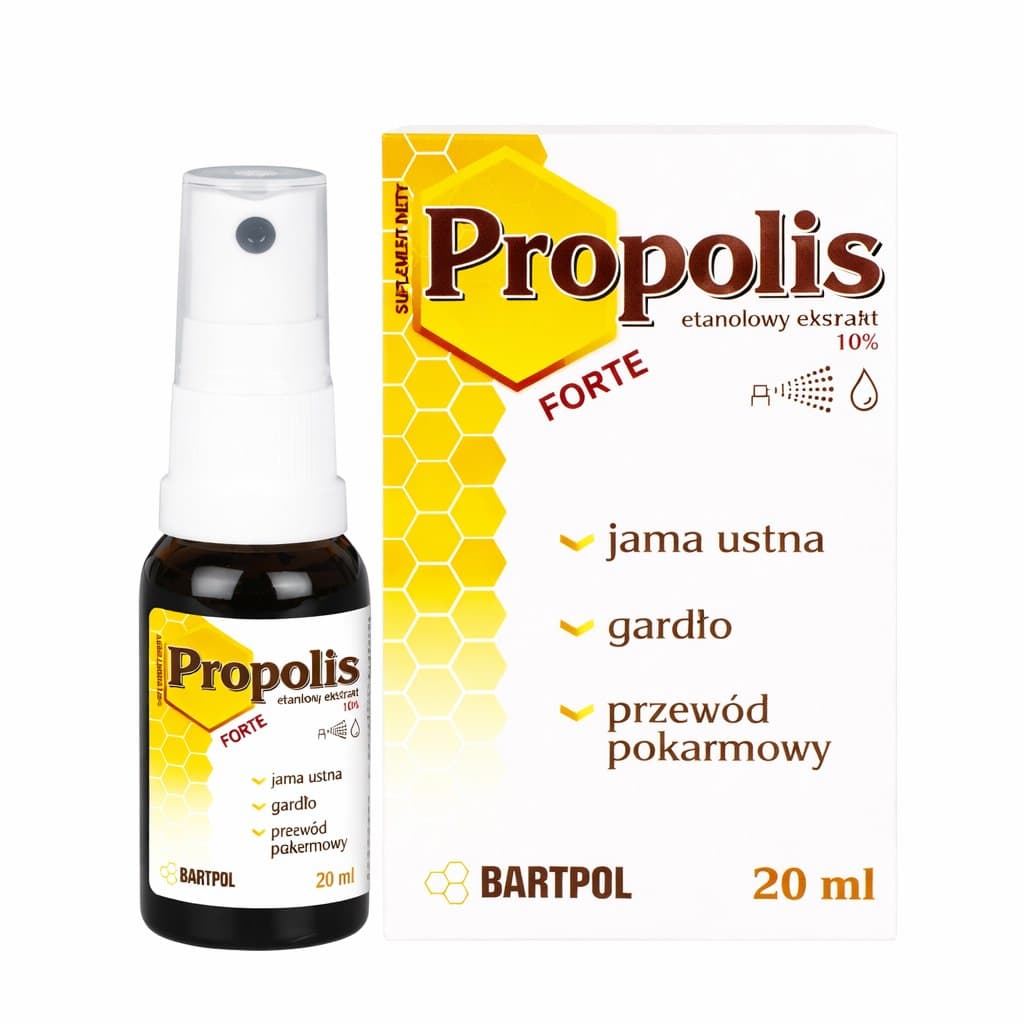
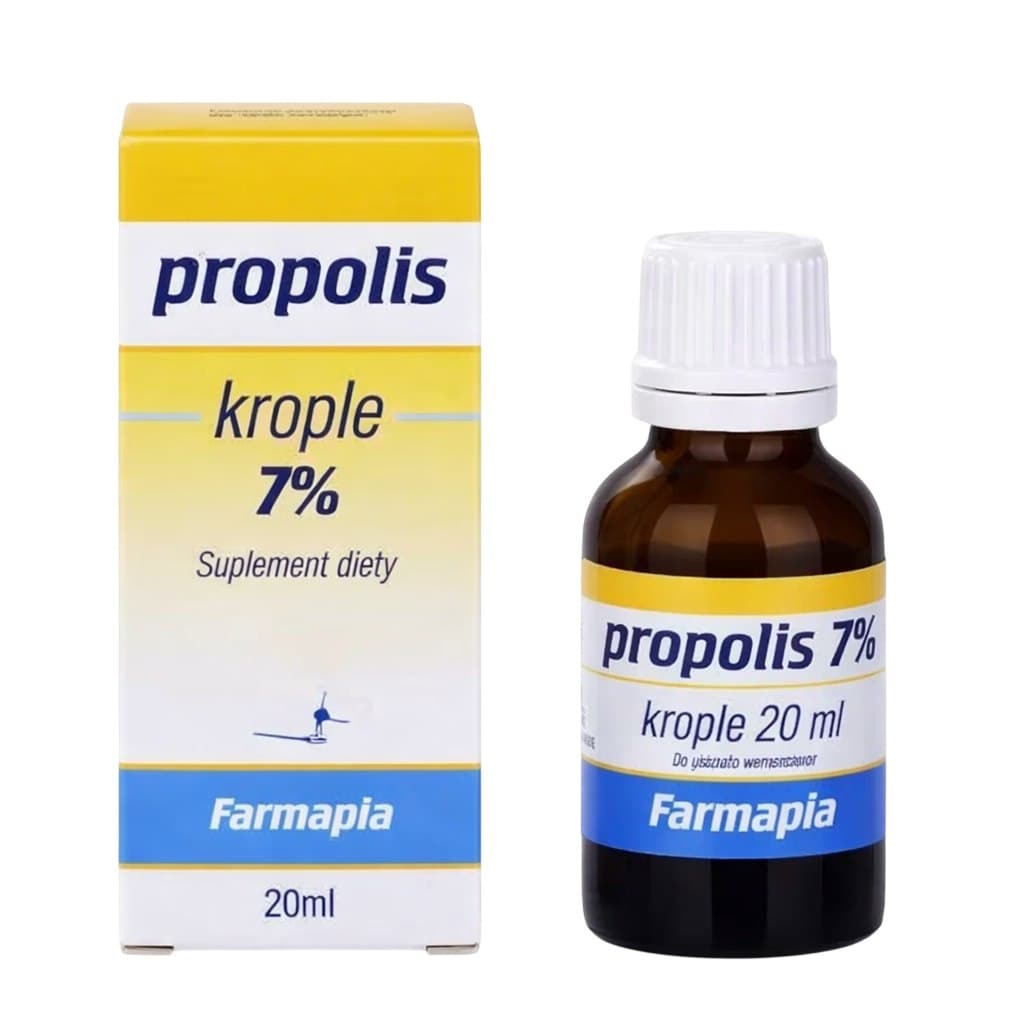
Propolis is available in several forms, including:
- Capsules: A popular and easy-to-use form of propolis that makes dosing simple.
- Liquid extracts: These can be mixed with water or juice for consumption.
It is important to choose high-quality products from reputable manufacturers to ensure purity and efficacy.
Side effects and warnings
Propolis is generally considered safe for most people when used at recommended doses. However, some individuals may experience allergic reactions, especially if they are allergic to bees or bee products. Common side effects may include:
- Skin rash
- Itching
- Stomach pain
If you experience any of these symptoms, you should stop using propolis and contact a doctor. It is also important to be cautious when using propolis if you have asthma or other allergic conditions.
Frequently asked questions
Can I give propolis to children?
Can propolis interact with medications?
Yes, propolis can potentially interact with certain medications, particularly blood thinners. It is always a good idea to consult a doctor before starting propolis if you are taking other medicines.
How long can I take propolis?
Propolis can be used for extended periods, but it is important to take breaks and consult a doctor to ensure it is appropriate for your specific health situation.
Where can I buy propolis?
Propolis is available in health food stores, pharmacies, and online. Be sure to choose products from reputable manufacturers to guarantee quality and purity.