Manuka honey
Medicinal honey from New Zealand with a unique antibacterial substance (MGO/methylglyoxal). Used for wounds, sore throat, and immune support.
What is Manuka Honey?
Manuka honey is a unique and medicinal honey from New Zealand, known for its powerful antibacterial properties. It is produced by bees that collect nectar from the Manuka bush (Leptospermum scoparium), a plant that grows wild in New Zealand and Australia. What makes Manuka honey particularly interesting is its content of methylglyoxal (MGO), a substance believed to be responsible for many of the honey's health benefits.
How does it work in the body?
Scientific benefits
Several studies have investigated the health benefits that Manuka honey may offer. Here are some of the most prominent benefits:
- Antibacterial properties: Research has shown that Manuka honey can combat various types of bacteria, including Staphylococcus aureus and Escherichia coli.
Dosage and recommendations
There is no official dosage recommendation for Manuka honey, but many manufacturers suggest consuming 1-2 tablespoons per day to achieve potential health benefits. When used to treat wounds, a thin layer of honey can be applied directly to the affected area.
Best sources and forms
Manuka honey is available in various forms, including pure honey, tablets, and capsules. When selecting Manuka honey, ensure it has a certified MGO level and is labelled with UMF (Unique Manuka Factor), which is a quality standard for Manuka honey. You can find Manuka honey in health food stores, pharmacies, and online.
Side effects and warnings
Although Manuka honey is safe for most people, some individuals may experience allergic reactions, especially those allergic to bees or pollen. It is also important to note that honey is not recommended for children under one year due to the risk of infant botulism. People with diabetes should consult a doctor before using honey, as it may affect blood sugar levels.
Frequently asked questions
Is Manuka honey better than regular honey?
Yes, Manuka honey has unique antibacterial properties thanks to methylglyoxal (MGO), which gives it more health benefits compared to regular honey.
Can Manuka honey help with colds?
How should Manuka honey be stored?
Is Manuka honey safe for pregnant women?
There are no known risks associated with consuming Manuka honey during pregnancy, but it is always advisable to consult a doctor to be on the safe side.
Can Manuka honey be used topically?
Products containing Manuka honey
Show all 8 →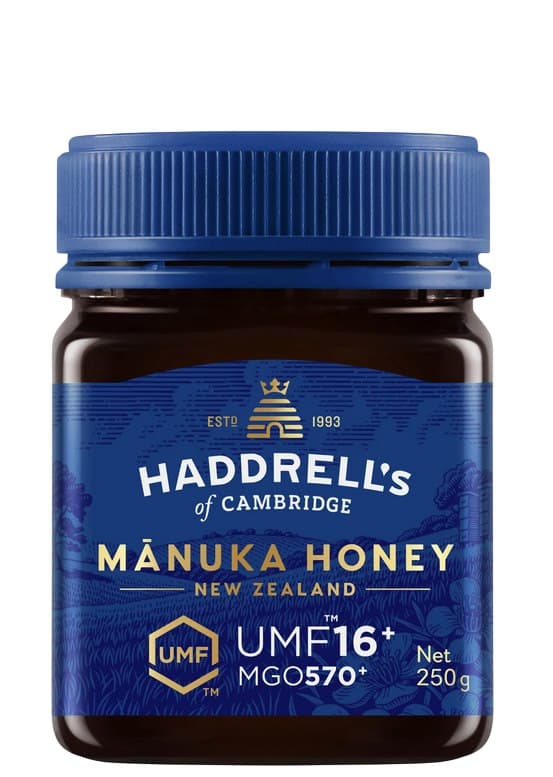
Haddrell's of Cambridge - Manuka Honey

Haddrell's of Cambridge - Manuka Honey - 250g
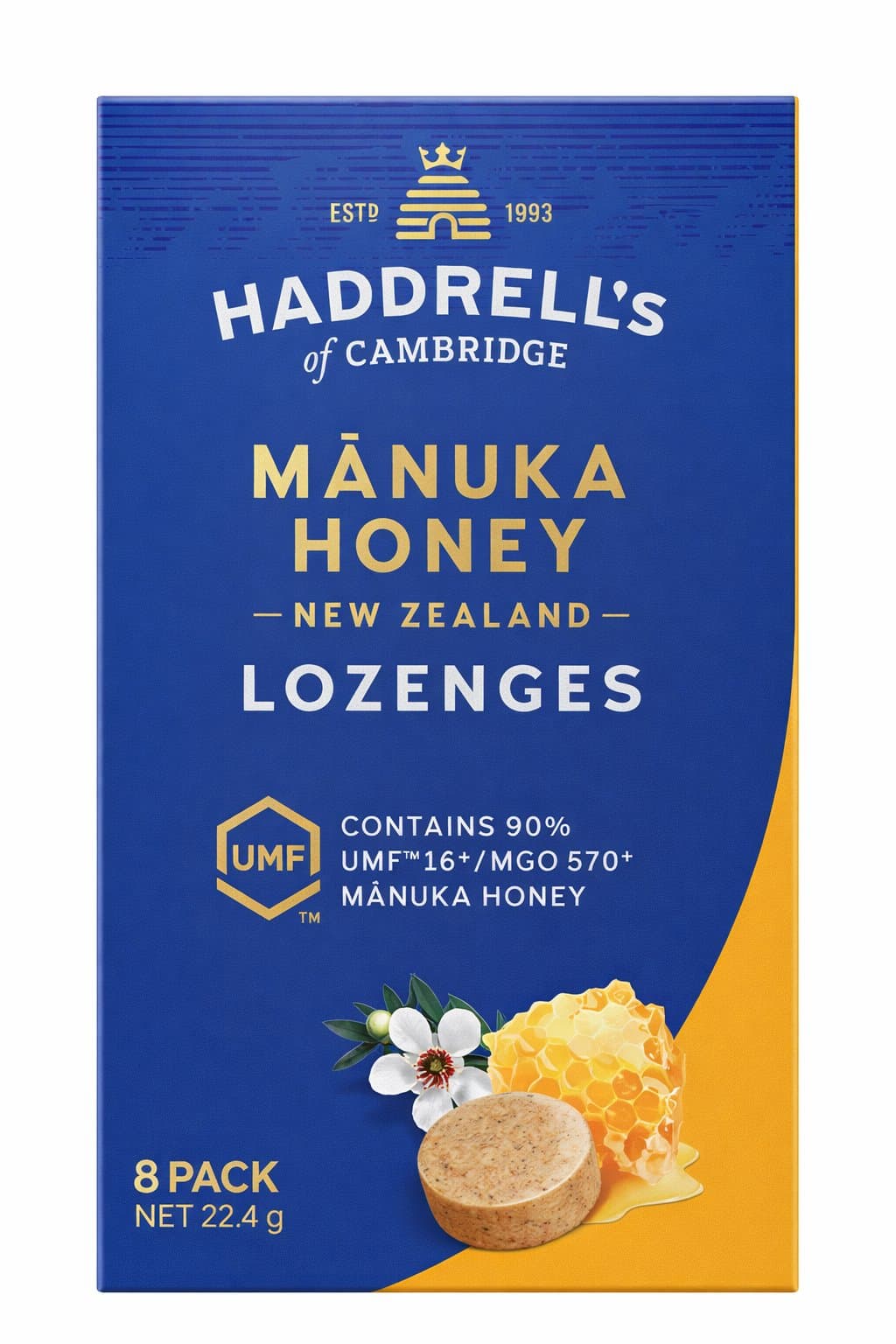
Haddrell's of Cambridge - Manuka Honey Lozenges - 22.4g

Haddrell's of Cambridge - Manuka Honey Umf13+ Mgo404+ 250g
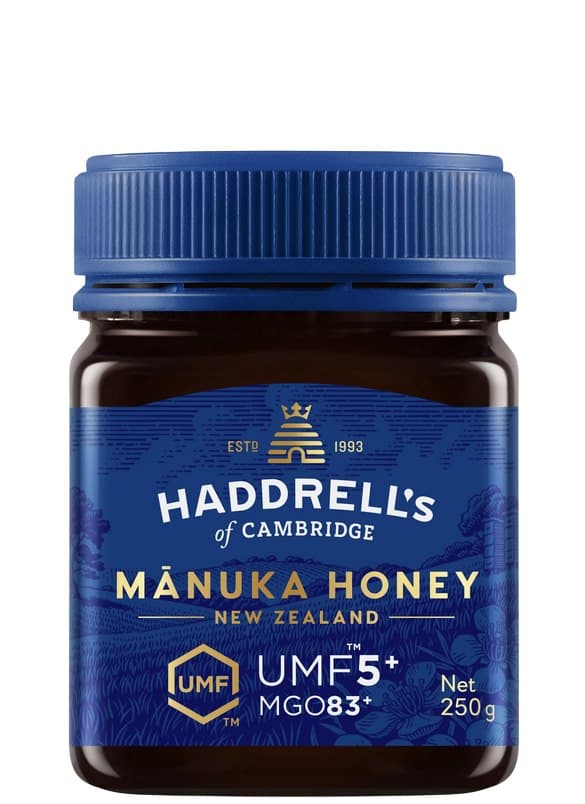
Haddrell's of Cambridge - Manuka Honey Umf5+ Mgo83+ 250g
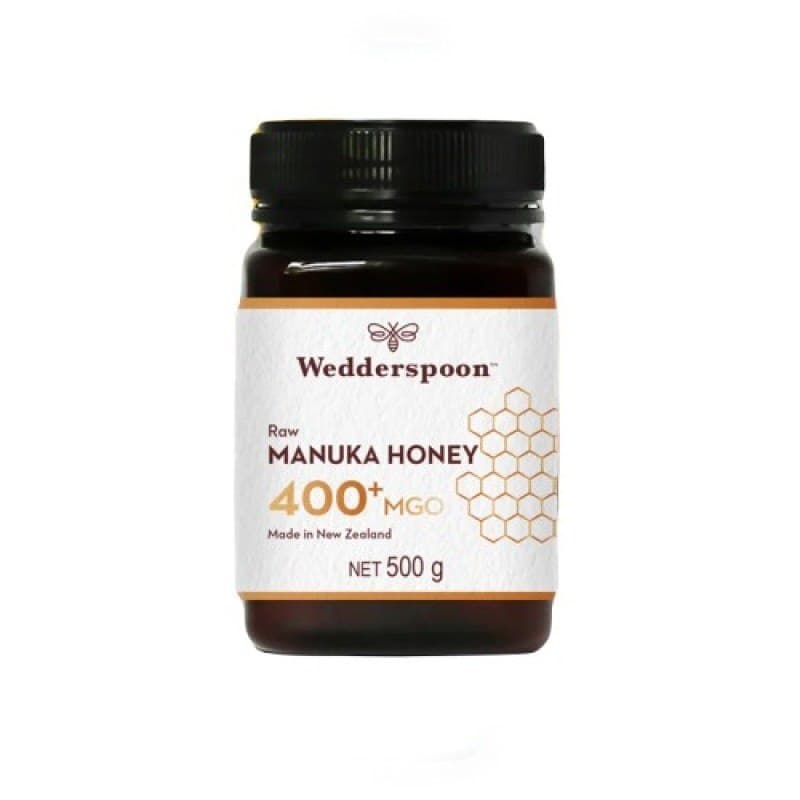
Manuka Medical - Manuka Honey 400+ Mgo
Related entries
Propolis
Resin-like substance collected by bees and used to sterilise the hive. Broad-spectrum antimicrobial with hundreds of active compounds.
Echinacea
Echinacea – definition and facts in our glossary. One of the most used herbs for colds.
Lactoferrin
Iron-binding glycoprotein in breast milk and cow's milk with broad antimicrobial, antiviral, and immunomodulatory effects.