EPA
EPA – definition and facts in our glossary.
What is EPA?
Eicosapentaenoic acid, better known as EPA, is an omega-3 fatty acid naturally found in fish and certain algae.
How does it work in the body?
EPA works by influencing several biological processes in the body.
Scientific benefits
Several studies have investigated the benefits of EPA and its impact on health. Here are some of the most prominent findings:
- Mental well-being: Research published in the American Journal of Psychiatry has demonstrated that EPA may have an antidepressant effect, especially in individuals with clinical depression.
Dosage and recommendations
The recommended dosage of EPA can vary depending on the individual's needs and health status. Generally, a daily dose of 250-500 mg is recommended to achieve health benefits. For individuals with specific health issues, such as heart disease or depression, higher doses may be recommended by a doctor or dietitian.
Best sources and forms
EPA is found in several sources, both animal and plant-based. The best sources include:
- Fatty fish: Salmon, mackerel, herring, and sardines are rich in EPA.
- Algae: Algal oil is an excellent plant-based source of EPA and is a good option for vegetarians and vegans.
- Supplements: Omega-3 supplements containing EPA in the form of fish oil or algal oil are readily available and can be a good alternative for those who have difficulty obtaining enough through diet.
Side effects and warnings
EPA is generally considered safe when consumed in recommended amounts. However, it can cause some side effects, especially at higher doses. Common side effects include:
- Digestive issues, such as nausea or diarrhoea.
- Blood-thinning effects, which may increase the risk of bleeding, especially if taken with anticoagulant medications.
- Allergic reactions in individuals sensitive to fish or algae.
It is always important to consult a doctor before starting a new supplement, especially if you are pregnant, breastfeeding, or have underlying health conditions.
Frequently asked questions
What is the difference between EPA and DHA?
EPA and DHA (docosahexaenoic acid) are both omega-3 fatty acids but have different functions in the body.
Can I get enough EPA through diet?
Yes, you can get enough EPA by eating fatty fish several times a week or by taking an omega-3 supplement. For vegetarians and vegans, algal oil can be a good alternative.
Is EPA good for the heart?
Are there any risks associated with taking EPA supplements?
At recommended dosages, EPA is considered safe. It is always advisable to consult a doctor before use.
How long does it take to notice the effects of EPA?
Products containing EPA
Show all 220 →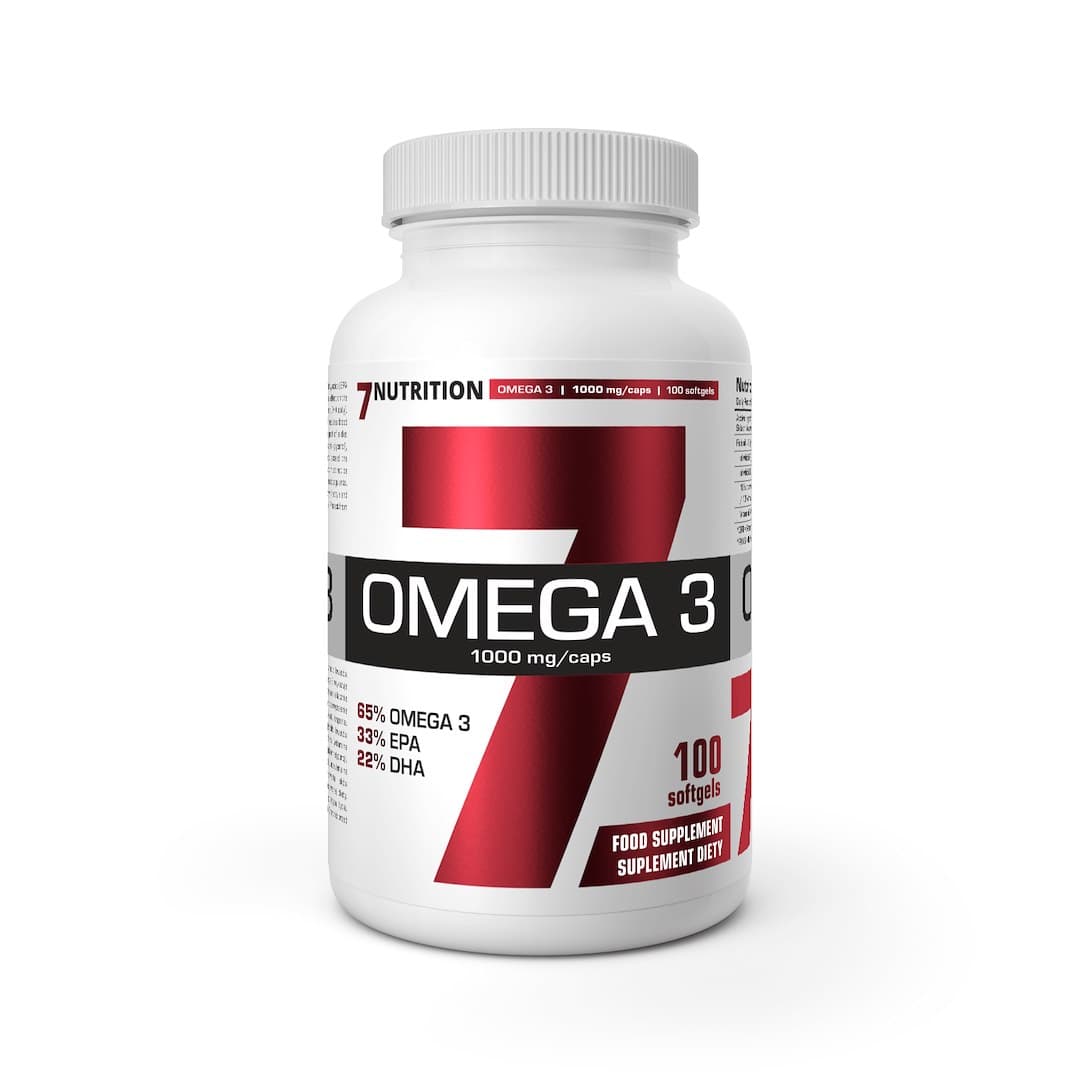
7 Nutrition - 7Nutrition Omega-3 65% 1000mg
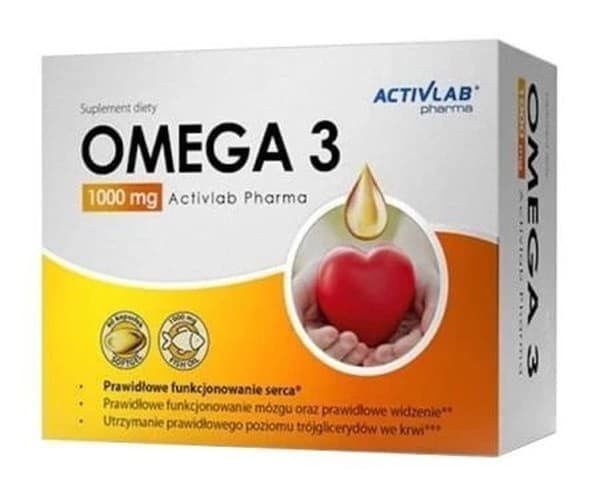
Activlab - Omega 3 - 60 Caps
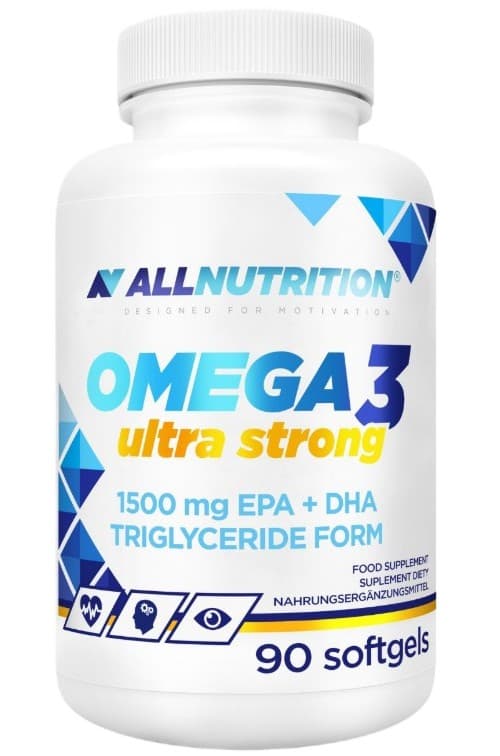
Allnutrition - Omega 3 Ultra Strong - 90 Sgels

Allnutrition - Omegarose - 60 Sgels
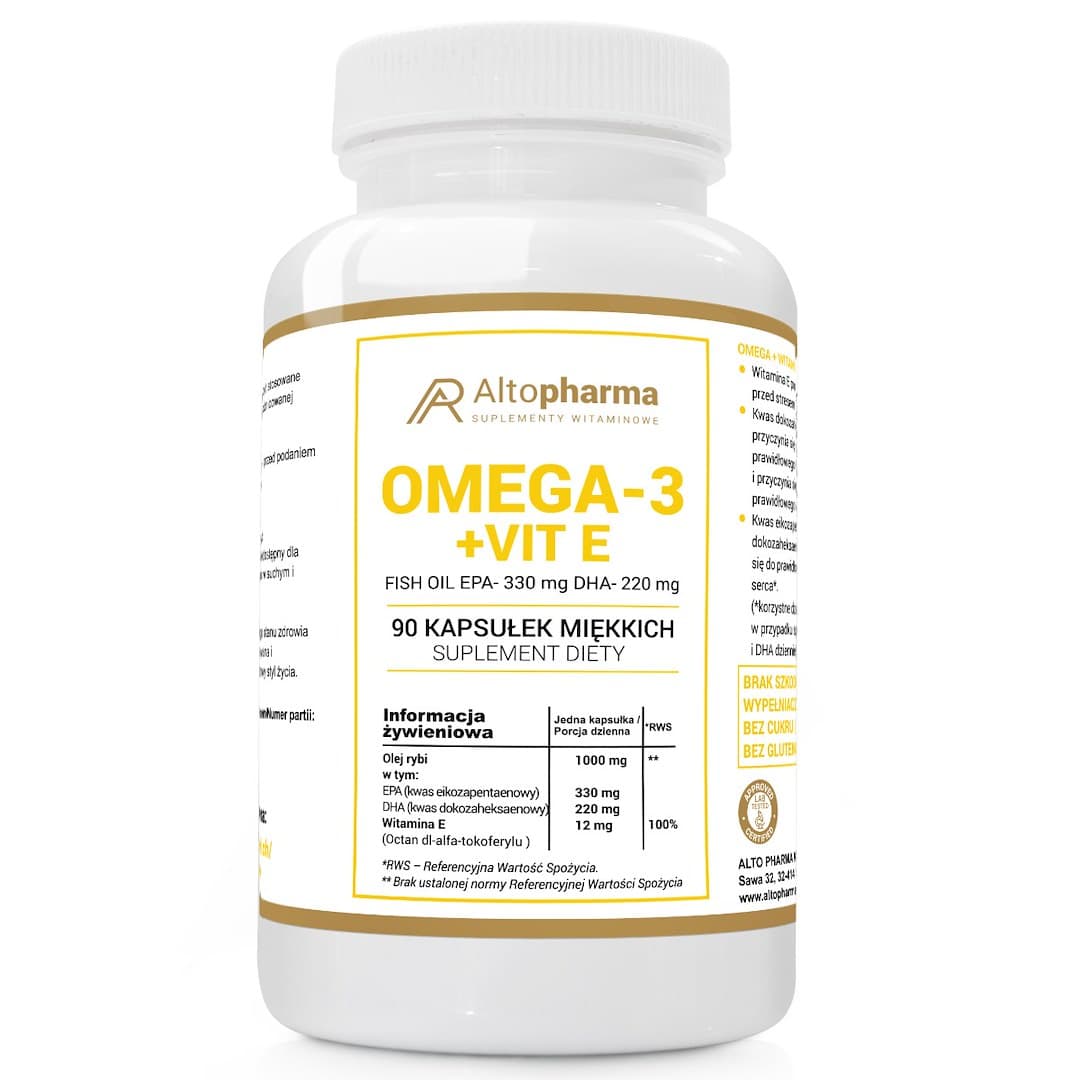
Altopharma - Omega-3 + Vitamin E - 90 Soft Capsules
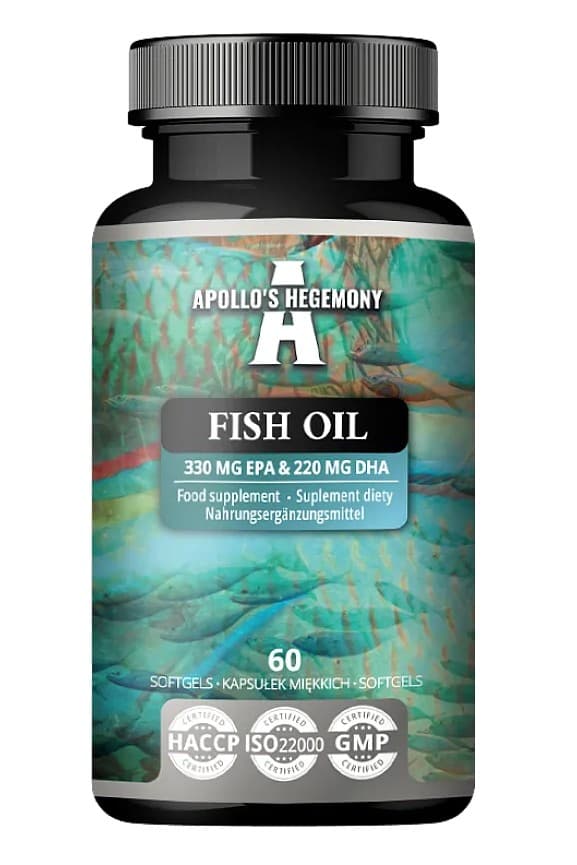
Apollo'S Hegemony - Fish Oil - 60 Sgels
Related entries
Omega-3
Omega-3 fatty acids are essential polyunsaturated fats that the body cannot produce itself. The main forms are EPA and DHA (from fish) and ALA (from plants).
DHA
Docosahexaenoic acid — omega-3 fatty acid constituting 40% of the brain's fatty acids. Essential for cognition and vision.
Fish Oil
Information about Fish Oil will be updated shortly.
Inflammation
Low-grade systemic inflammation lasting months to years. Called "silent inflammation" and linked to heart disease, diabetes, cancer, and depression.