Fisetin
Fisetin – definition and facts in our glossary. Senolytic flavonoid from strawberries that eliminates aged (senescent) cells.
What is Fisetin?
Fisetin is a natural flavonoid found in several fruits and vegetables, especially in strawberries, apples, peaches, and kiwi. It has become known for its potential health benefits, particularly in combating the effects of ageing. Fisetin is classified as a senolytic compound, which means it may help eliminate aged (senescent) cells in the body.
How does it work in the body?
Fisetin acts in several ways within the body. Additionally, Fisetin has been shown to affect cell signalling and inflammation, which are central to many chronic diseases.
Scientific benefits
Several studies have investigated Fisetin's effects and its potential health benefits. Here are some of the most notable findings:
Dosage and recommendations
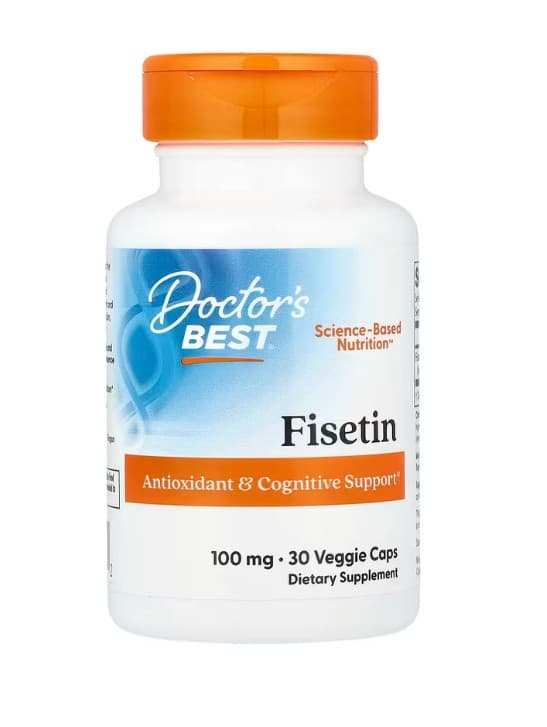
There is currently no standardised dose for Fisetin, but most supplements on the market offer doses between 100 mg and 500 mg per day. It is important to consult a doctor before starting Fisetin, especially if you have underlying health conditions or are taking other medications. Research is ongoing to determine the optimal dosage and long-term effects of Fisetin.
Best sources and forms
Fisetin occurs naturally in many foods, but in relatively small amounts. Some of the best sources include:
- Strawberries
- Apples
- Peaches
- Kiwi
- Green vegetables, especially spinach and Brussels sprouts
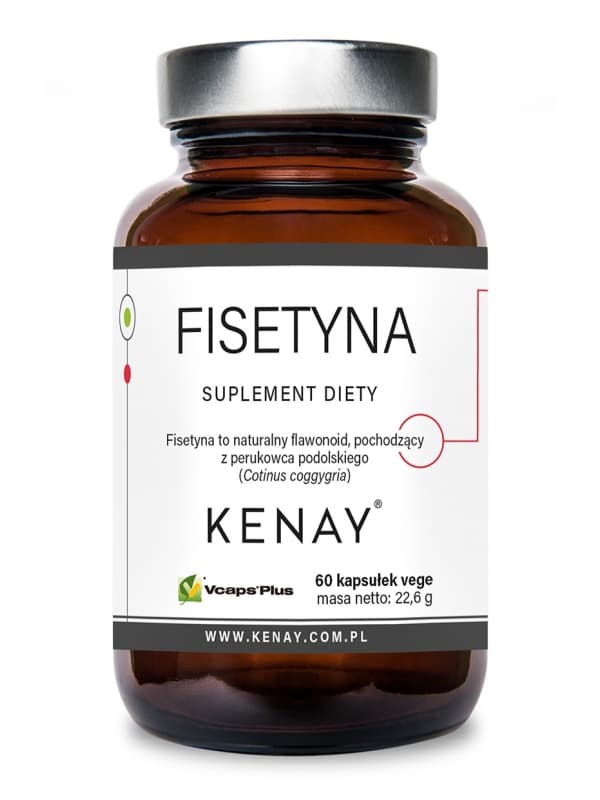
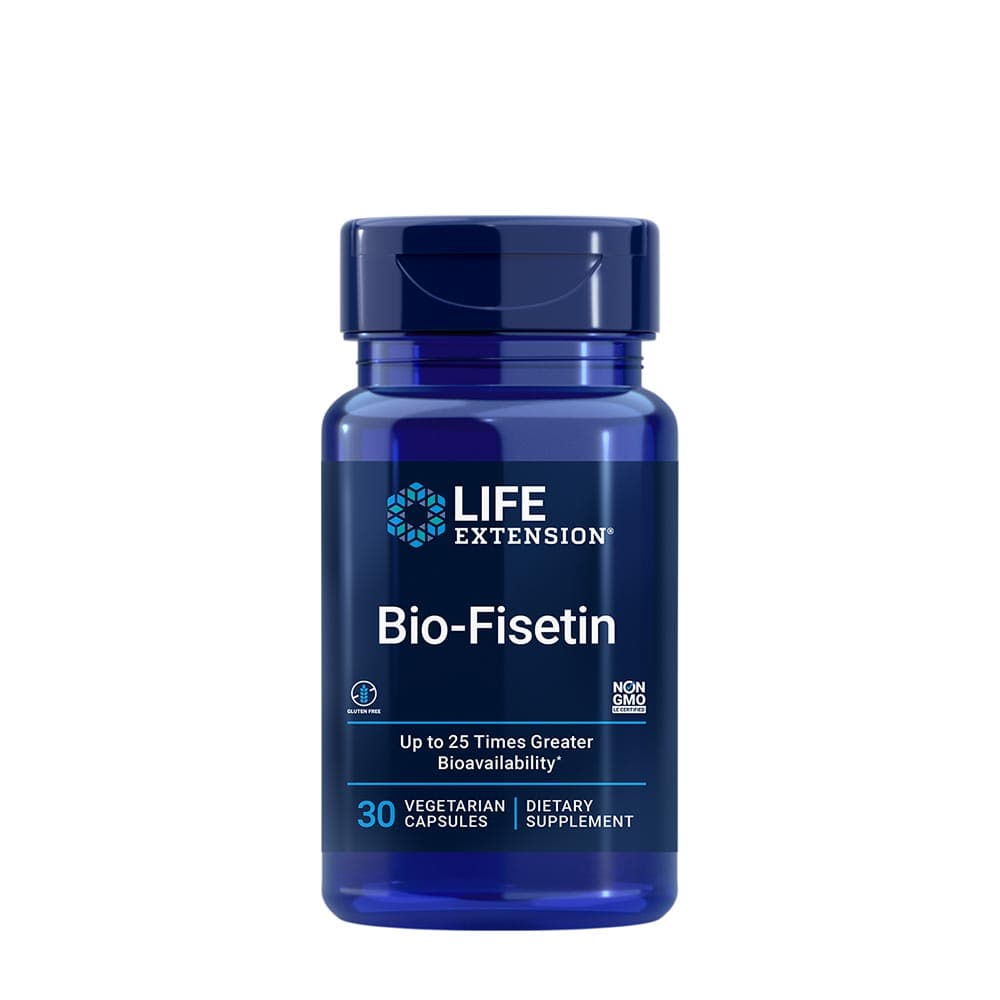
Fisetin can also be taken as a supplement in capsule or powder form. These products are often more concentrated and can provide a higher dose than what is typically found in the diet.
Side effects and warnings
Fisetin is generally considered safe when taken at recommended doses. However, some individuals may experience mild side effects such as:
- Gastrointestinal discomfort
- Nausea
- Allergic reactions (rare)
It is important to be aware that more research is needed to understand the long-term effects of Fisetin, and therefore it should always be taken with caution. Pregnant or breastfeeding individuals, or those with specific medical conditions, should consult their doctor before starting Fisetin.
Frequently asked questions
What is Fisetin good for?
Can I get enough Fisetin from my diet?
Although Fisetin is found in foods such as strawberries and apples, the amounts are relatively small. To achieve higher doses, supplements may be an option.
Is Fisetin safe to take?
Fisetin is generally considered safe, but it is important to follow recommended dosages and consult a doctor if unsure.
How long does it take to see effects from Fisetin?
The effects of Fisetin can vary depending on dosage and individual health status. Research is ongoing to better understand the timing of its effects.
Can I take Fisetin with other supplements?
It is best to consult a doctor before combining Fisetin with other supplements or medications to avoid potential interactions.