Quercetin
Quercetin – definition and facts in our glossary. Found in onions, apples, and berries.
What is Quercetin?
Quercetin is a naturally occurring flavonoid found in many fruits, vegetables, and beverages. It is found in high concentrations in foods such as onions, apples, berries, and green leafy vegetables.
How does it work in the body?
Quercetin acts in several ways within the body. Firstly, it functions as an antioxidant, meaning it neutralises harmful free radicals that can cause cellular damage and accelerate the ageing process. Additionally, quercetin has been shown to have antihistamine properties, making it useful for alleviating allergic symptoms. It can also modulate inflammatory processes by inhibiting the production of pro-inflammatory cytokines.
Scientific benefits
Several studies have investigated the potential health benefits of quercetin. Some of these include:
Dosage and recommendations
The recommended dose of quercetin varies depending on individual needs and health goals. Typically, the dose ranges between 500 mg and 1000 mg per day, divided into two to three intakes. It is important to consult a doctor or dietitian before starting supplements, especially if you have underlying health conditions or are taking medications.
Best sources and forms
Quercetin is found in many foods, making it easy to include in the diet:
- Onions: Red and yellow onions are particularly rich in quercetin.
- Apples: Especially the skins of apples contain high levels of quercetin.
- Berries: Blueberries, raspberries, and cranberries are good sources.
- Green leafy vegetables: Spinach and kale also contain quercetin.
Quercetin is also available as a dietary supplement in capsule or tablet form, which can be an option for those who find it difficult to obtain enough through diet.
Side effects and warnings
Quercetin is generally considered safe when taken at recommended doses. However, some individuals may experience mild side effects such as headache, gastrointestinal discomfort, or allergic reactions. It is important to note that people allergic to onions or apples may react negatively to quercetin. Pregnant and breastfeeding women should consult a doctor before taking supplements containing quercetin.
Frequently asked questions
Is quercetin good for allergies?
Can I get enough quercetin from my diet?
Yes, by eating a varied diet rich in fruits and vegetables, you can obtain a sufficient amount of quercetin.
Are there any interactions with medications?
Quercetin can interact with certain medications, including blood thinners. It is important to consult a doctor before taking quercetin if you are on medication.
Can quercetin help with colds?
Some research suggests that quercetin may have antiviral properties, but more studies are needed to confirm its effectiveness against colds.
Is quercetin safe for long-term use?
Quercetin is considered safe at recommended doses, but it is always best to consult a doctor for long-term use.
Products containing Quercetin
Show all 67 →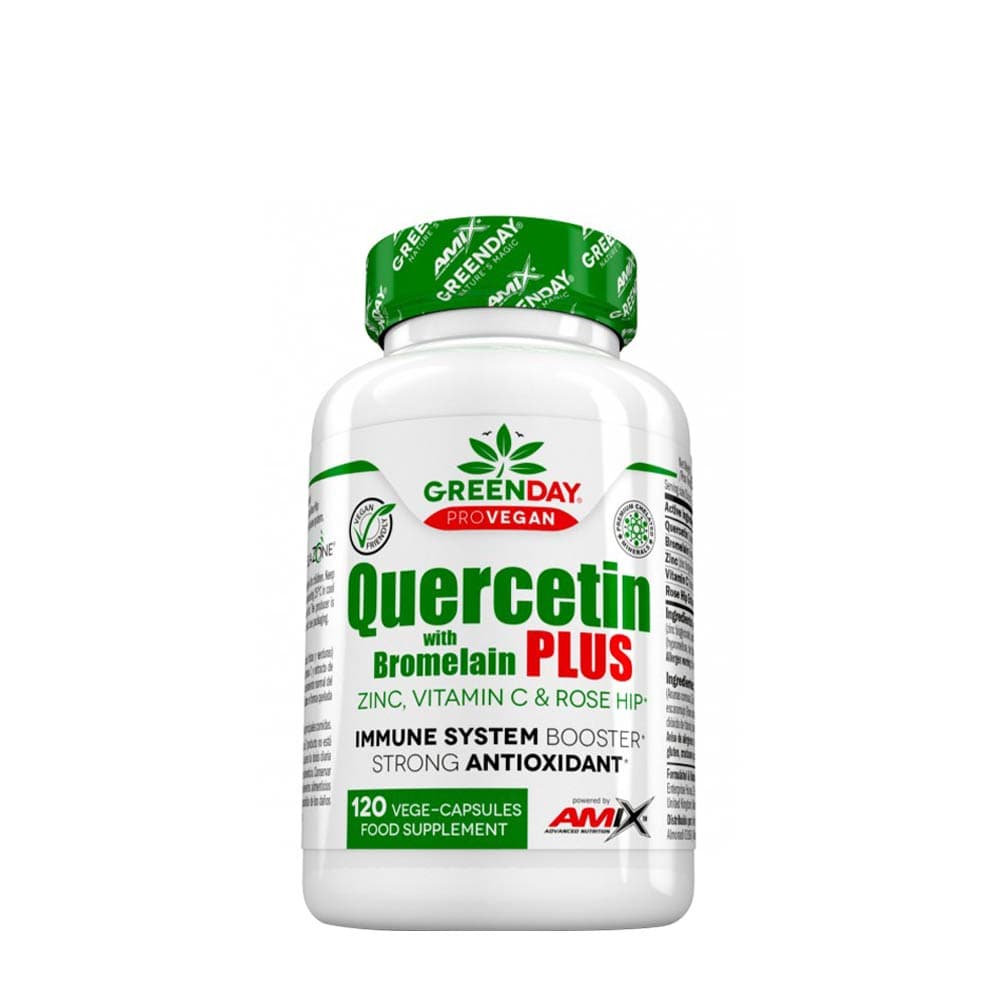
Amix - Provegan Quercetin With Bromelain Plus - 120 Caps

Applied Nutrition - SHED-H2O Water Out Complex - 180 Caps
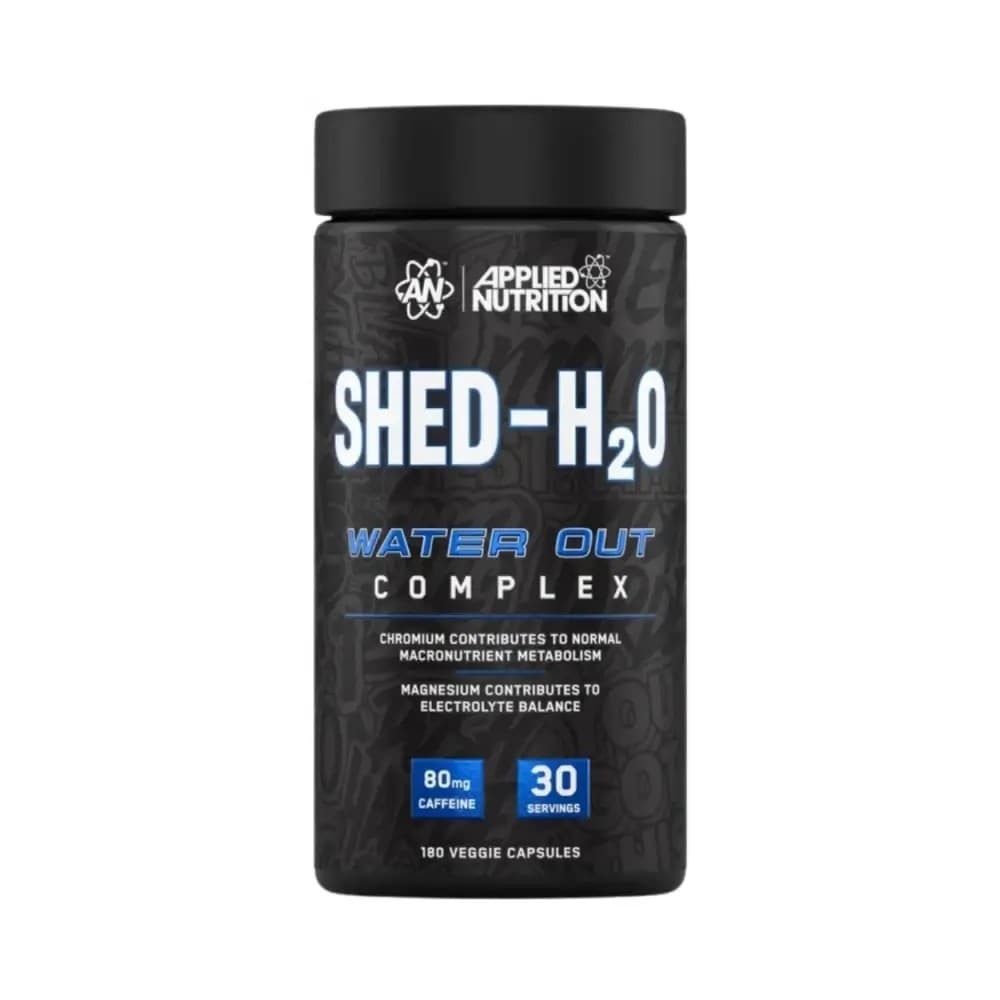
Applied Nutrition - Shed-H₂O - 180 veggie capsules
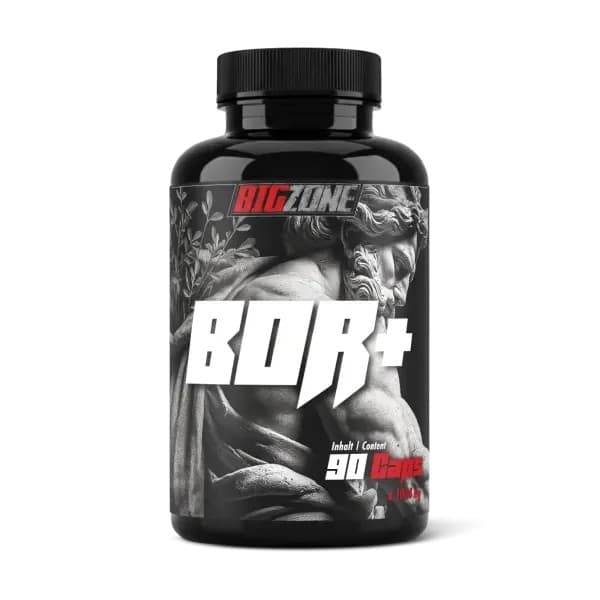
Big Zone - BOR+ - 90 Caps

Biowen - Vitamin C Forte - 100 Capsules
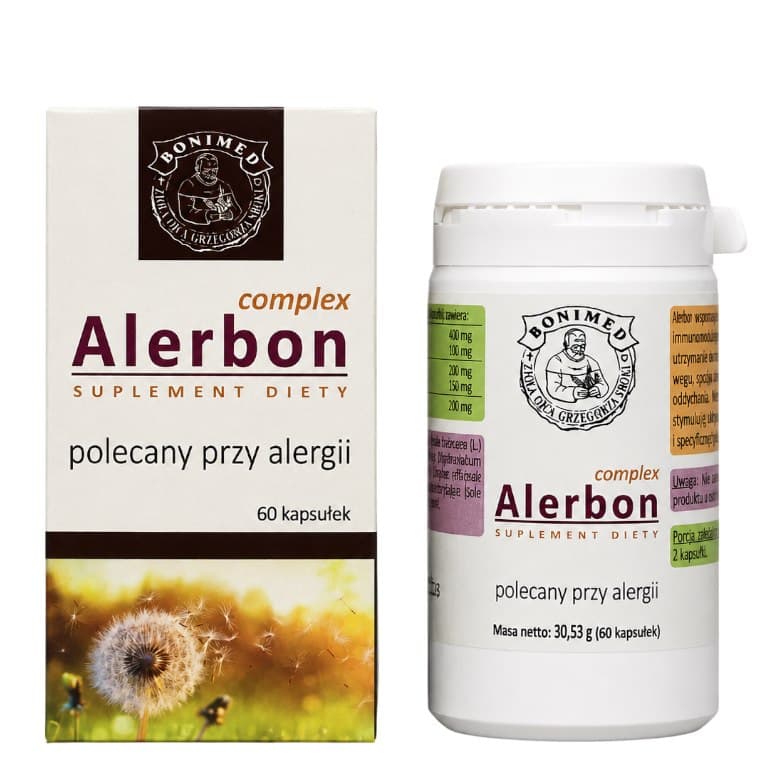
Bonimed - Alerbon - Allergy Support
Related entries
Vitamin C
Vitamin C (ascorbic acid) is a water-soluble vitamin and a powerful antioxidant.
Resveratrol
Resveratrol – definition and facts in our glossary. Activates SIRT1.
Fisetin
Fisetin – definition and facts in our glossary. Senolytic flavonoid from strawberries that eliminates aged (senescent) cells.