Resveratrol
Resveratrol – definition and facts in our glossary. Activates SIRT1.
What is Resveratrol?
Resveratrol is a natural polyphenol primarily found in red wine and certain plants, such as Japanese knotweed. Resveratrol is also believed to play an important role in activating a protein called SIRT1, which is linked to longevity and metabolism.
How does it work in the body?
Resveratrol works by interacting with several biological pathways in the body. It acts as an antioxidant, meaning it helps neutralise harmful free radicals that can cause cell damage.
Scientific benefits
Several studies have investigated resveratrol and its effects on health. Here are some of the most promising findings:
Dosage and recommendations
There is no universally recommended dose of resveratrol, but most supplements contain between 100 and 500 mg per day. Always consult a doctor before starting any new supplement, especially if you have underlying health conditions or are taking medications.
Best sources and forms
Resveratrol is found in several foods and supplements:
- Red wine: One of the most well-known sources of resveratrol.
- Japanese knotweed: Contains higher concentrations of resveratrol than red wine.
- Peanuts: Another natural source of resveratrol.
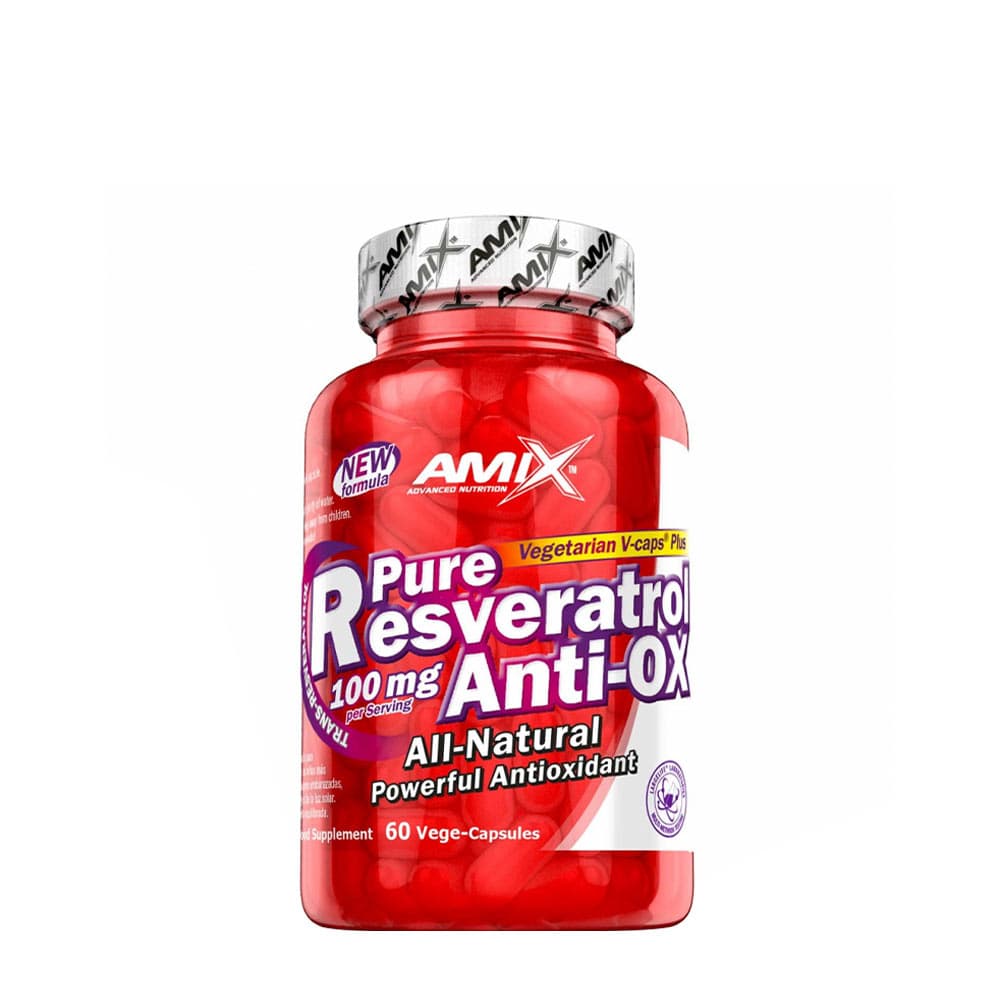
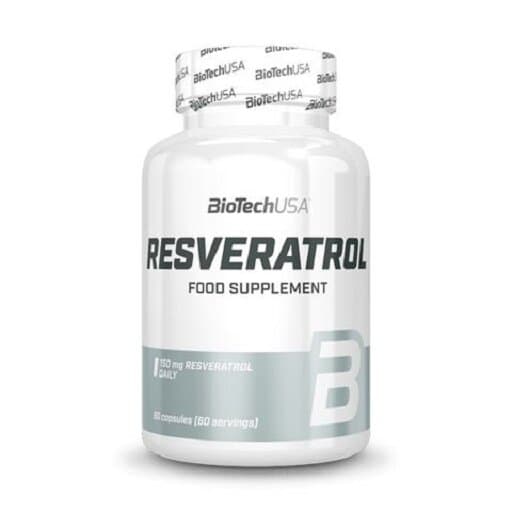
- Supplements: Available in capsule and tablet form, often with purified resveratrol.
Side effects and warnings
Resveratrol is generally considered safe when taken at recommended doses. However, some people may experience mild side effects such as:
- Digestive issues
- Nausea
- Headache
It is important to note that resveratrol can interact with certain medications, especially blood thinners. Always consult a doctor before taking resveratrol, particularly if you are pregnant, breastfeeding, or have an underlying medical condition.
Frequently asked questions
Several studies have shown promising results, but more research is needed to confirm its effects on human health.
Can I get enough resveratrol through diet?
Yes, you can obtain resveratrol by consuming red wine, Japanese knotweed, peanuts, and other foods, but the amounts may be lower than in supplements.
Are there any known side effects of resveratrol?
Most people tolerate resveratrol well, but some may experience mild side effects such as digestive issues or headaches.
How long does it take to notice the effects of resveratrol?
The timeframe for experiencing the effects of resveratrol can vary from person to person, depending on dose and individual factors.
Is resveratrol safe for long-term use?
There is limited research on the long-term use of resveratrol, so it is important to consult a doctor to assess your individual situation.