Krill Oil
Marine omega-3 source with EPA and DHA in phospholipid form. Better absorption and includes astaxanthin.
What is Krill Oil?
Krill oil is a marine source of omega-3 fatty acids extracted from small crustaceans called krill. These tiny organisms, primarily found in the Antarctic seas, are a rich source of both eicosapentaenoic acid (EPA) and docosahexaenoic acid (DHA) in a unique phospholipid form. This form of omega-3 allows the fatty acids to be more easily absorbed by the body compared to other sources, such as fish oil.
How does it work in the body?
Krill oil works by delivering essential omega-3 fatty acids EPA and DHA, which are crucial for several bodily functions. When krill oil is consumed, the phospholipids are easily absorbed in the intestines and transported to the cells, where they can help support brain function, heart health, and overall inflammation levels in the body.
Scientific benefits
Several studies have investigated the potential health benefits of krill oil.
Dosage and recommendations
The recommended dose of krill oil can vary depending on the individual's needs and health conditions. Generally, a dose between 500 mg and 3000 mg per day is recommended. It is important to always follow the manufacturer's instructions and consult a doctor before starting a new supplement, especially if you have underlying health issues or are taking other medications.
Best sources and forms
Krill oil is commonly available in the form of capsules or liquid oil. When choosing a krill oil, it is important to select high-quality products that are third-party certified to ensure purity and potent content. A well-known certification is Friend of the Sea, which guarantees that the krill oil has been harvested sustainably. It can also be beneficial to choose krill oil that contains astaxanthin for extra antioxidant benefits.
Side effects and warnings
Krill oil is generally considered safe for most people when used at recommended doses. However, some may experience mild side effects such as stomach discomfort, nausea, or diarrhoea. Since krill is a shellfish, individuals with shellfish allergies should avoid using krill oil. It is also important to consult a doctor before starting krill oil, especially if you are pregnant, breastfeeding, or taking blood-thinning medications.
Frequently asked questions
Is krill oil better than fish oil?
Krill oil has a different form of omega-3 fatty acids that may provide better absorption and includes astaxanthin, making it an attractive alternative for some people. However, it depends on individual preferences and health goals.
Can I take krill oil if I am allergic to shellfish?
No, individuals with shellfish allergies should avoid krill oil as it may trigger allergic reactions.
How long does it take to notice the effects of krill oil?
Can I take krill oil together with other supplements?
Yes, but it is always best to consult a doctor to avoid any potential interactions with other supplements or medications.
Are there any specific groups who should avoid krill oil?
Individuals with shellfish allergies, pregnant or breastfeeding women, and those taking blood-thinning medications should avoid krill oil or consult a doctor before use.
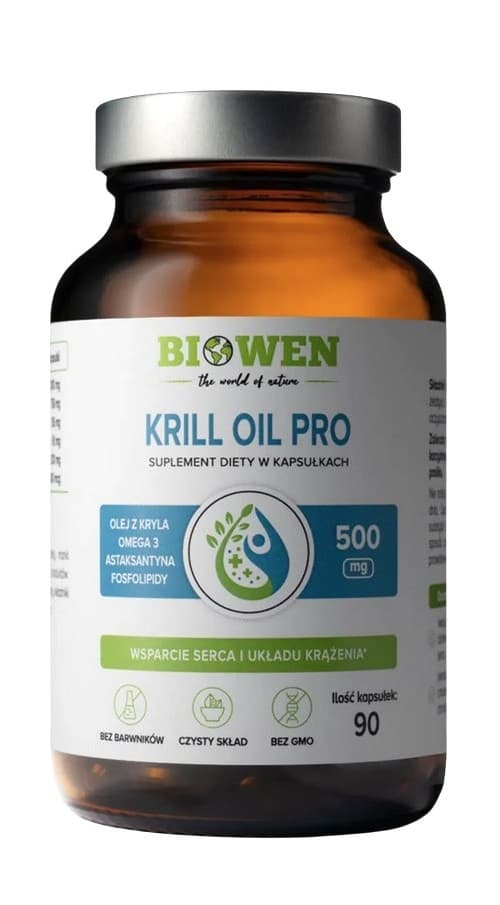
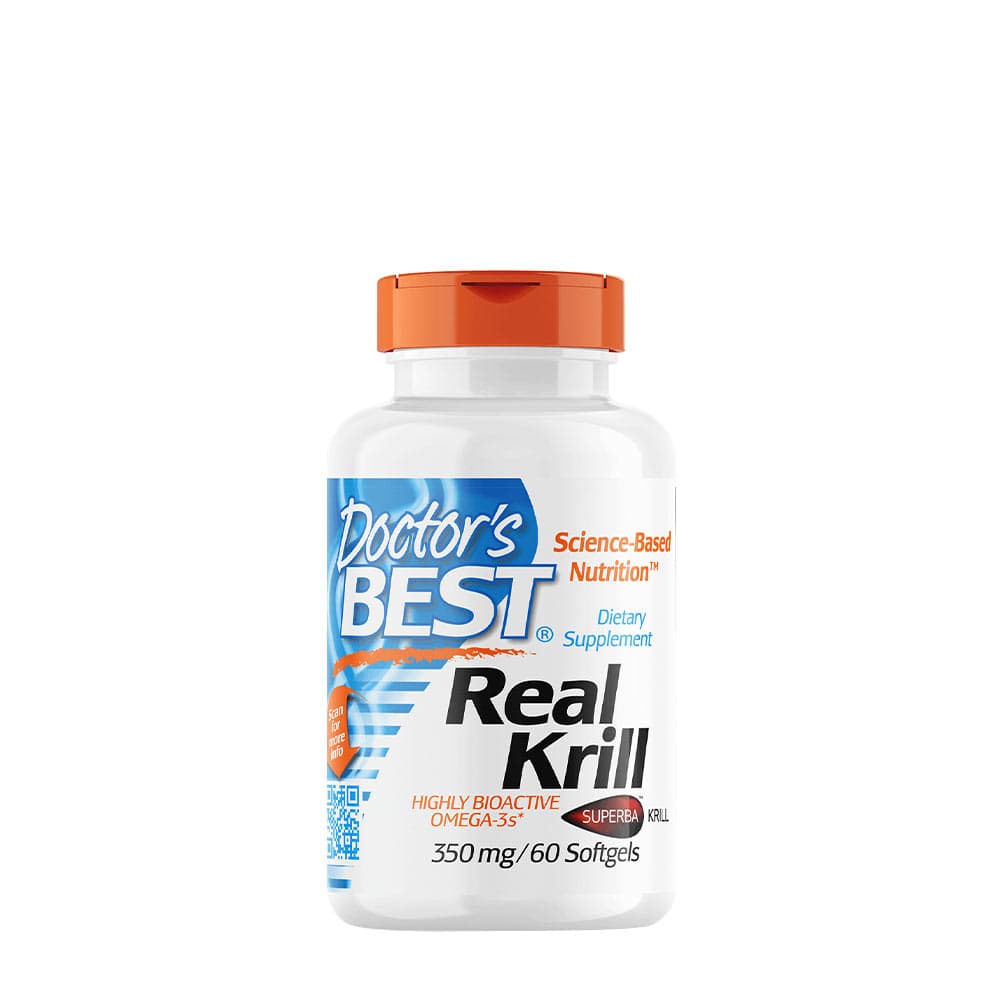
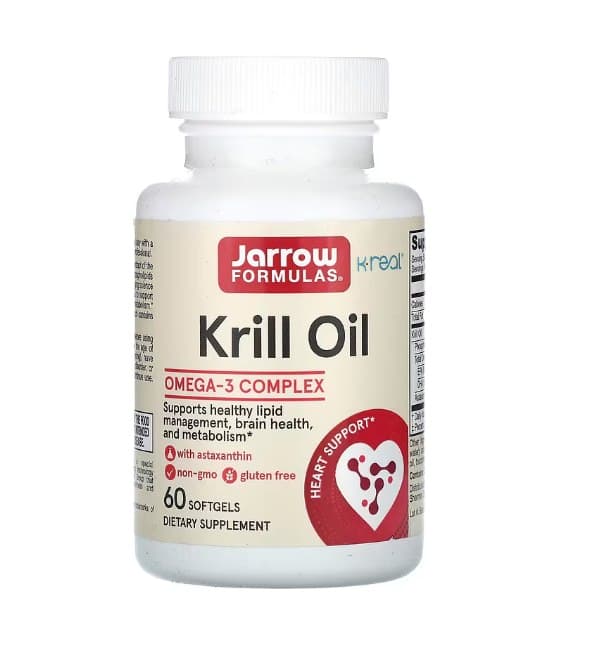
Products containing Krill Oil
Show all 12 →

Related entries
Omega-3
Omega-3 fatty acids are essential polyunsaturated fats that the body cannot produce itself. The main forms are EPA and DHA (from fish) and ALA (from plants).
EPA
EPA – definition and facts in our glossary.
DHA
Docosahexaenoic acid — omega-3 fatty acid constituting 40% of the brain's fatty acids. Essential for cognition and vision.
Astaxanthin
Information about Astaxanthin will be updated shortly.