Matcha
Japanese green tea in powder form with an exceptionally high content of L-theanine, catechin EGCG, and chlorophyll.
What is Matcha?
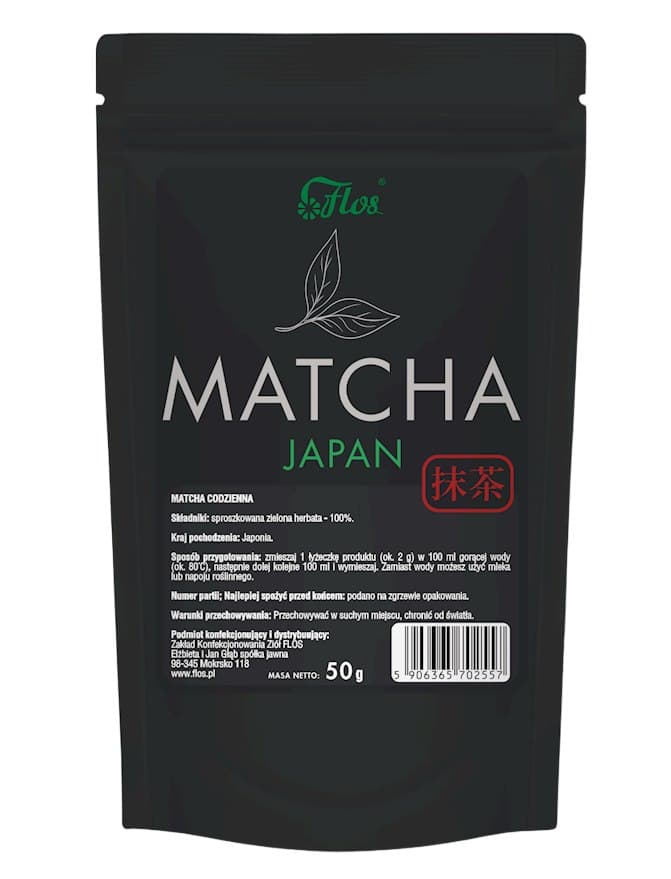
Matcha is a Japanese green tea that comes in powder form and has become increasingly popular as a superfood. Unlike regular green tea where the leaves are brewed and then removed, matcha leaves are ground into a fine powder, allowing you to consume the entire leaf. This gives matcha an exceptionally high content of nutrients, including L-theanine, catechin EGCG, and chlorophyll. Matcha has a rich history in the Japanese tea ceremony and is known for its many health benefits.
How does it work in the body?
When you drink matcha, you consume the whole tea leaf, which means you get more of the active compounds than with regular tea infusion.
Scientific benefits
Several studies have investigated the potential health benefits of matcha and its active components:
- Antioxidant effect: According to a study published in the Journal of Chromatography, matcha contains up to 137 times more EGCG (epigallocatechin gallate) than regular green tea, which may help combat free radicals in the body.
Dosage and recommendations
There is no universal dosage for matcha, but a general recommendation is to start with 1 to 2 grams of matcha per day, which corresponds to about one to two teaspoons. For those more accustomed to matcha, up to 5 grams per day may be appropriate. It is always advisable to consult a doctor or dietitian before starting new supplements, especially if you have underlying health conditions or are taking medications.
Best sources and forms
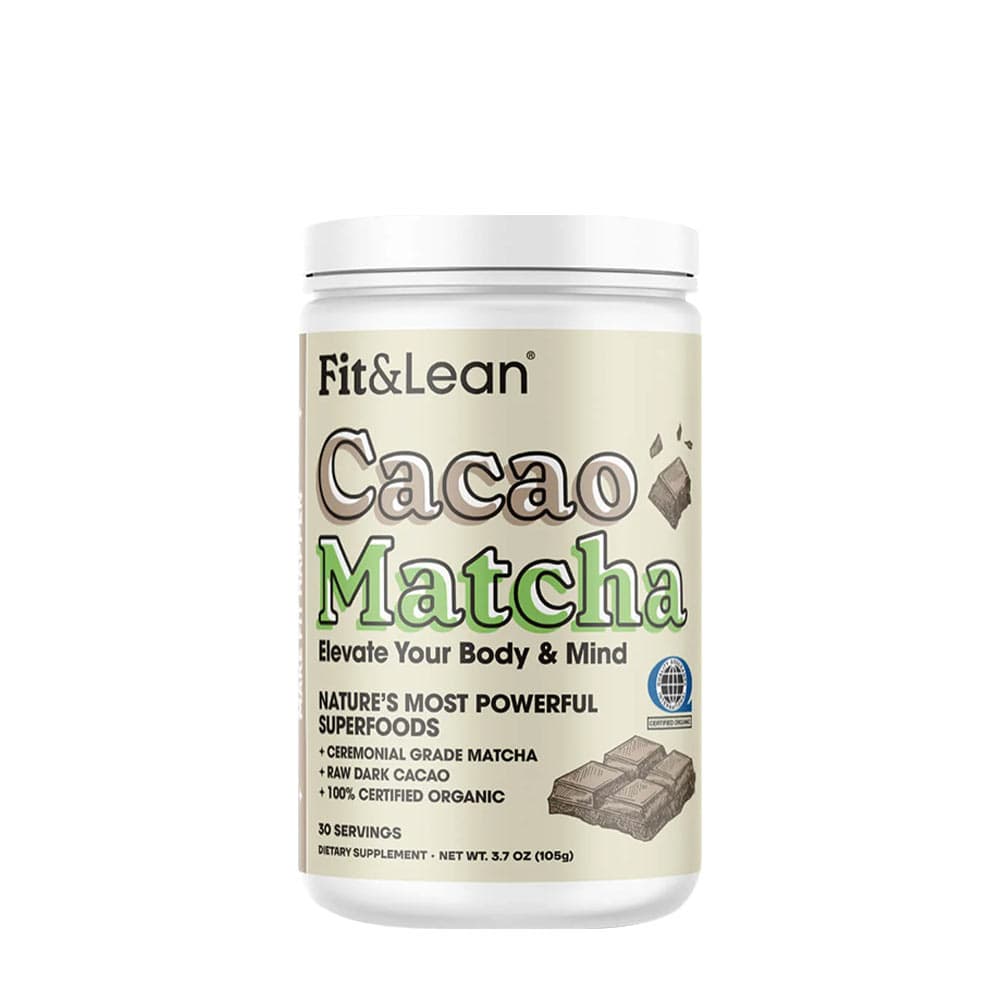
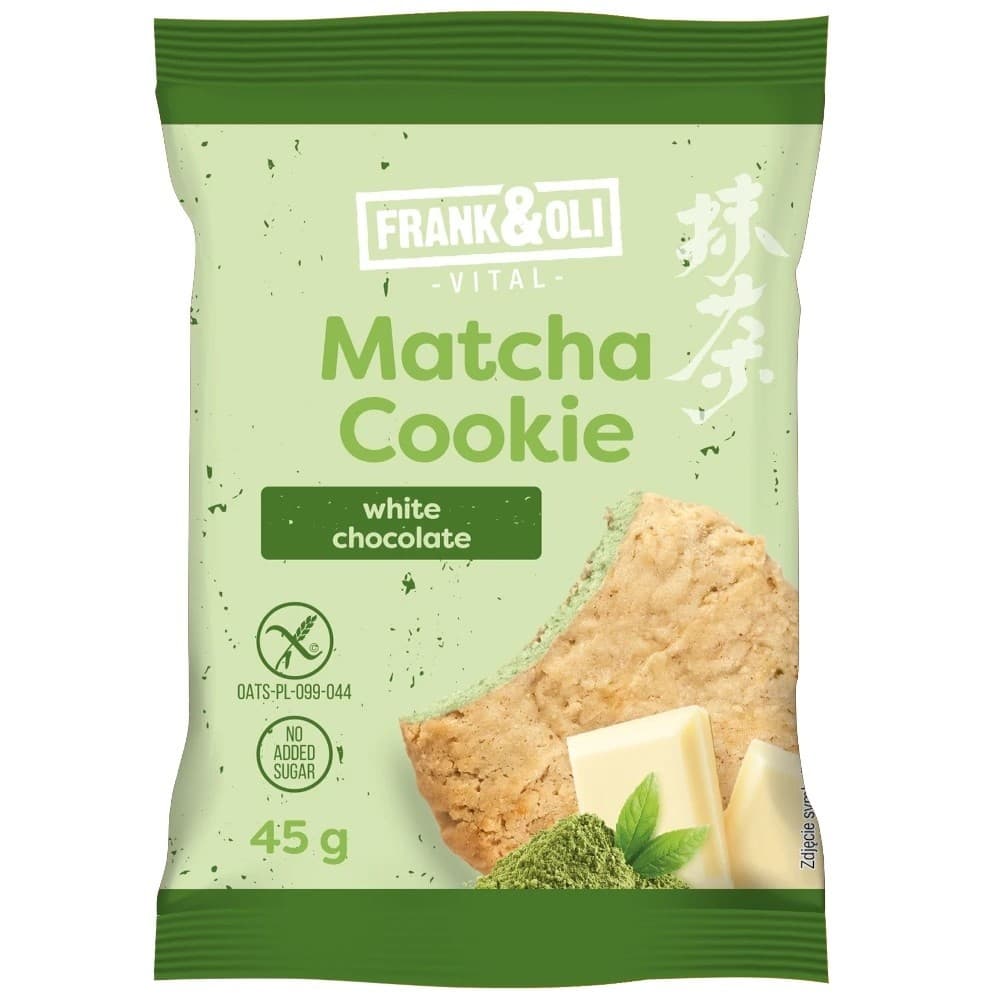
Matcha is available in several forms, including powder, capsules, and tea. When choosing matcha, it is important to select high-quality matcha to obtain maximum health benefits. High-quality Japanese matcha, especially that intended for tea ceremonies, is usually the most nutrient-rich. You can also find matcha in smoothies, baked goods, and energy bars.
Side effects and warnings
People who are sensitive to caffeine or have certain medical conditions should exercise caution and consult a doctor before starting to use matcha.
Frequently asked questions
Is matcha better than regular green tea?
Yes, matcha contains higher concentrations of antioxidants and nutrients because the whole tea leaf is consumed.
Can I drink matcha every day?
Yes, many people include matcha as part of their daily diet. However, it is important to stay within recommended doses.
How do you prepare matcha?
To prepare matcha, whisk 1-2 teaspoons of matcha powder with warm (not boiling) water until frothy. You can also add milk or plant-based alternatives to make a matcha latte.
Is it safe for pregnant women to consume matcha?
Pregnant women should be cautious with caffeine intake and should consult their doctor before consuming matcha.