Molybdenum
Ultratrace mineral essential for enzymes that break down sulfur-containing amino acids and purines.
What is Molybdenum?
Molybdenum is a trace mineral that belongs to the group of ultratrace minerals. It is an important component of several enzymes in the body, especially those involved in the breakdown of sulfur-containing amino acids and purines. Although molybdenum is needed in very small amounts, it plays a crucial role in many biochemical processes. Molybdenum occurs naturally in certain foods and can also be taken as a dietary supplement, but most people obtain sufficient amounts of this mineral through a balanced diet.
How does it work in the body?
Molybdenum primarily functions as a cofactor for several important enzymes, including:
- Sulfite oxidase: Helps break down sulfites, which are found in many foods and beverages.
- ALDH (Aldehyde dehydrogenase): Plays a role in the breakdown of aldehydes, which are by-products of metabolism.
Scientific benefits
Several studies have examined the role of molybdenum in the body. Research has shown that molybdenum can:
- Help regulate uric acid levels, which may reduce the risk of gout and kidney stones.
However, it is important to note that research on molybdenum is still limited and more studies are needed to fully understand its benefits and potential effects.
Dosage and recommendations
There is no specific recommended daily dose of molybdenum, but most adults require between 45-75 micrograms per day. It is also important to note that a balanced diet generally provides adequate amounts of molybdenum for most people.
If you are considering taking molybdenum as a dietary supplement, you should always consult a doctor or nutrition expert for proper guidance.
Best sources and forms
Molybdenum is found in a variety of foods, including:
- Beans and lentils
- Nuts, especially cashew nuts
- Whole grain products
- Dairy products
- Vegetables, especially green leafy vegetables
These foods can help meet your molybdenum needs without the need for supplements.
Side effects and warnings
Overdose of molybdenum is rare and there are no known toxic effects of molybdenum at normal dietary levels. However, very high doses may lead to:
- Stomach discomfort
- Diarrhoea
- Neurological problems, such as headaches or dizziness
It is always best to consult a doctor before starting supplements, especially if you have underlying health conditions or are taking other medications.
Frequently asked questions
What is molybdenum deficiency?
Molybdenum deficiency is rare but can lead to problems with metabolism and neurological disorders. It is important to ensure you get enough of this mineral through your diet.
Can you get too much molybdenum?
Yes, although it is rare, high consumption of molybdenum can lead to negative effects. It is important to adhere to recommended doses.
Which foods are rich in molybdenum?
Foods rich in molybdenum include beans, lentils, nuts, and whole grain products. These should be part of a balanced diet.
Do I need to take molybdenum as a supplement?
For most people, it is not necessary to take molybdenum as a supplement, as a varied diet usually provides sufficient amounts.
What are the symptoms of molybdenum deficiency?
Symptoms of molybdenum deficiency may include fatigue, headaches, and neurological problems, but this is uncommon and usually occurs only in extremely rare cases.
Products containing Molybdenum
Show all 142 →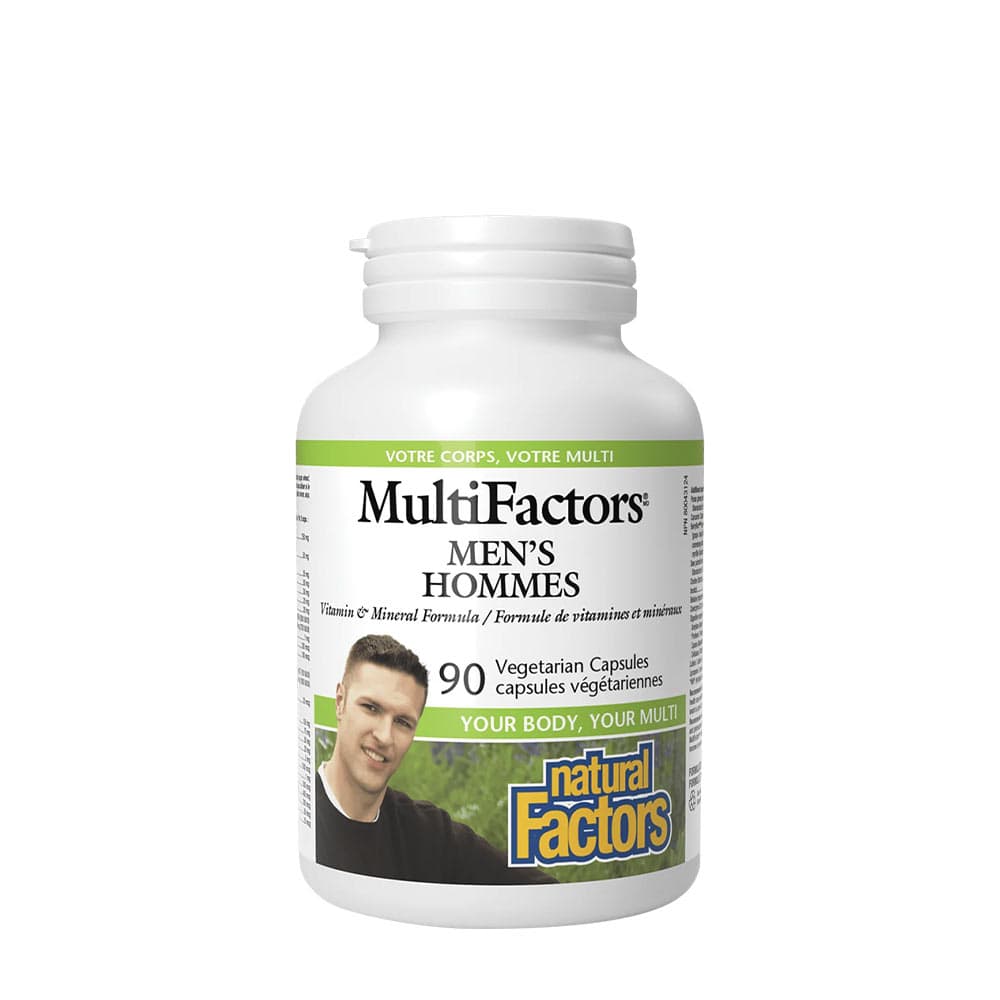
Natural Factors - Men'S Multifactors - 90 Caps
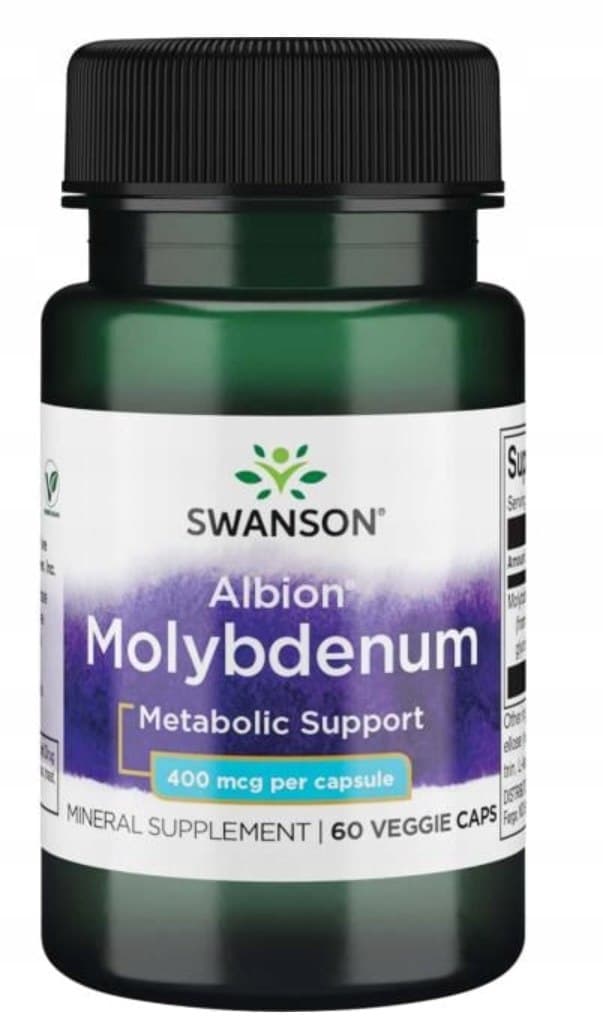
Swanson - Albion Molybdenum - 60 Vcaps
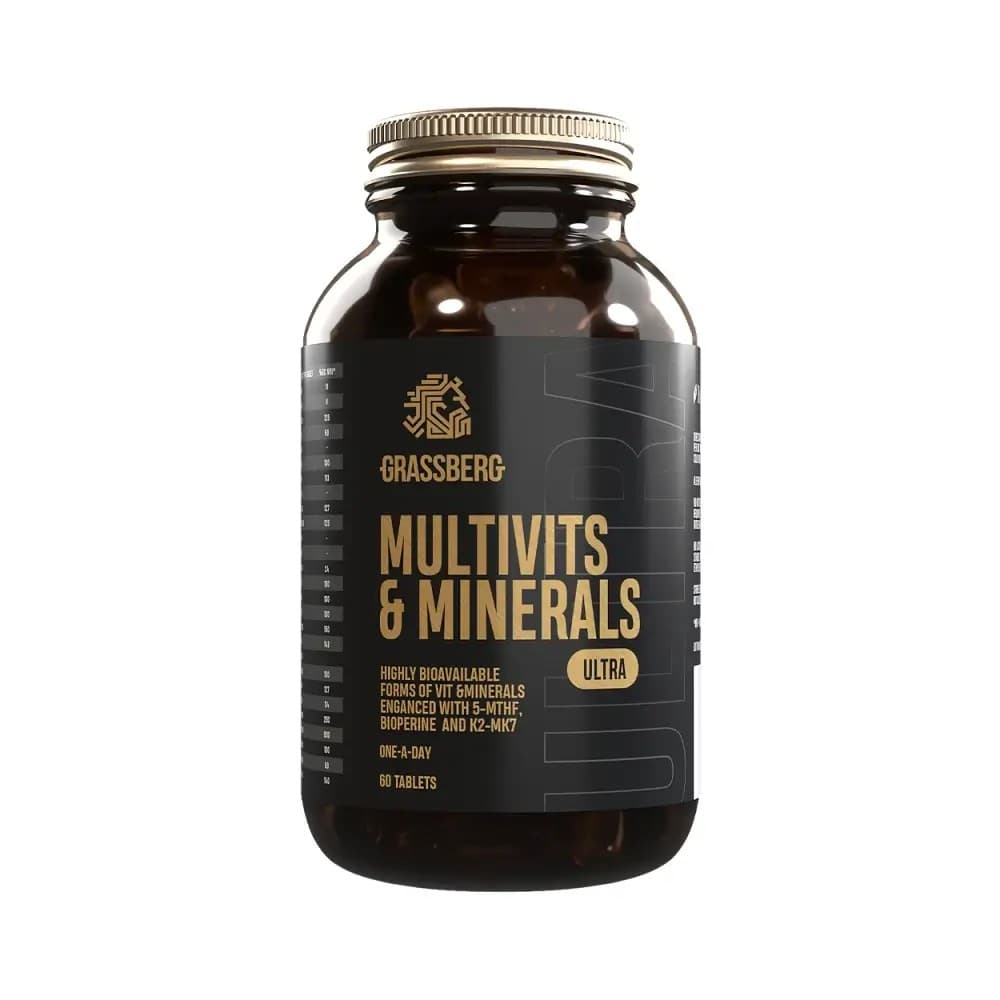
Grassberg - Multivits & Minerals Ultra - Unflavoured - 60 tablets
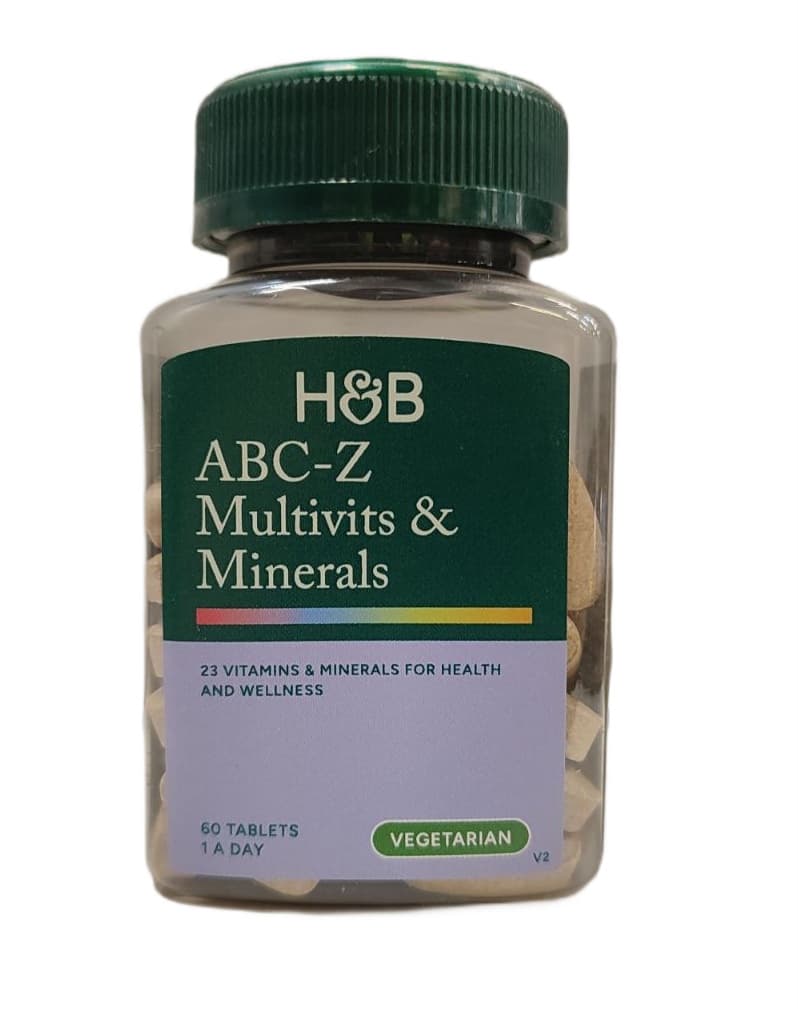
Holland & Barrett - Abc-Z Multivits & Minerals - 60 Tablets

Life Extension - Only Trace Minerals - 90 Caps