NAC
NAC – definition and facts in our glossary. N-Acetylcysteine 2D precursor to glutathione, the body's most important antioxidant.
What is NAC?
N-Acetylcysteine, often abbreviated as NAC, is an important amino acid that plays a crucial role in our body. NAC is a precursor to glutathione, which is the body's most important antioxidant.
How does it work in the body?
NAC works by increasing the production of glutathione, a tripeptide composed of three amino acids: cysteine, glutamate, and glycine. When the body is exposed to stress, toxins, or infections, glutathione levels can drop, making it important to have sufficient NAC in the body to support glutathione synthesis.
Scientific benefits
Several studies have investigated the potential benefits of NAC:
- Liver protection: A meta-analysis in The American Journal of Gastroenterology has shown that NAC can help protect the liver in cases of paracetamol overdose.
Dosage and recommendations
The recommended dose of NAC can vary depending on individual needs and health conditions. Common doses range from 600 mg to 1800 mg per day, divided into two to three doses. It is important to consult a doctor or nutrition expert before starting a NAC supplement, especially if you have a medical history or are taking other medications.
Best sources and forms
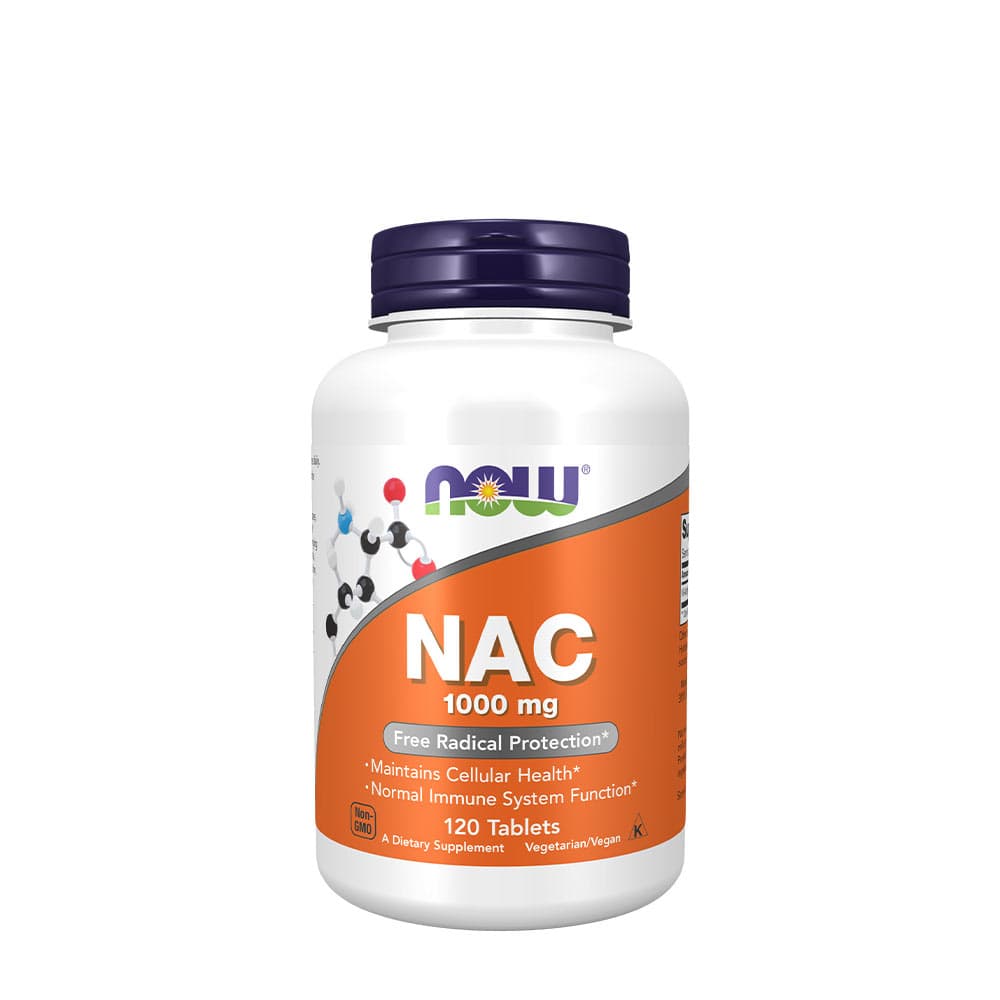
NAC is available in supplements in the form of capsules, tablets, and powder.
Side effects and warnings
Although NAC is generally considered safe, some people may experience side effects. Common side effects include:
- Stomach pain
- Nausea
- Diarrhoea
People with asthma should be cautious with NAC, as it can cause bronchospasm. It is also important to avoid combining NAC with certain medications, such as nitroglycerin, without medical approval. If you experience any serious side effects, you should contact a doctor immediately.
Frequently asked questions
What is the difference between NAC and cysteine?
NAC is a modified form of the amino acid called cysteine.
Can NAC help with colds or flu?
Is NAC safe to take during pregnancy or breastfeeding?
There is limited research on the safety of NAC during pregnancy and breastfeeding. It is best to consult a doctor before using NAC in these situations.
Can I take NAC together with other supplements?
It is generally safe to take NAC with most supplements, but it is recommended to discuss this with a healthcare provider to avoid potential interactions.