Glutathione
Glutathion – definition and facts in our glossary. The body's master antioxidant 2D a tripeptide of cysteine, glycine, and glutamate.
What is Glutathione?
Glutathione is a powerful antioxidant composed of three amino acids: cysteine, glycine, and glutamate. Although the body can produce glutathione on its own, levels can be affected by factors such as ageing, diet, and lifestyle, making it important to understand its functions and benefits.
How does it work in the body?
Scientific benefits
Several studies have examined the effects of glutathione and its potential health benefits:
Dosage and recommendations
There is no universal recommended dosage for glutathione, as requirements may vary depending on an individual's health status and lifestyle. Typically, a dose between 250-1000 mg per day is recommended for supplements, but it is important to consult a doctor before starting glutathione, especially if you have underlying health conditions or are taking medications.
Best sources and forms
Glutathione can be taken as a supplement but is also found in certain foods. The best sources include:
- Green leafy vegetables (spinach, kale)
- Broccoli
- Avocado
- Walnuts
- Beetroot
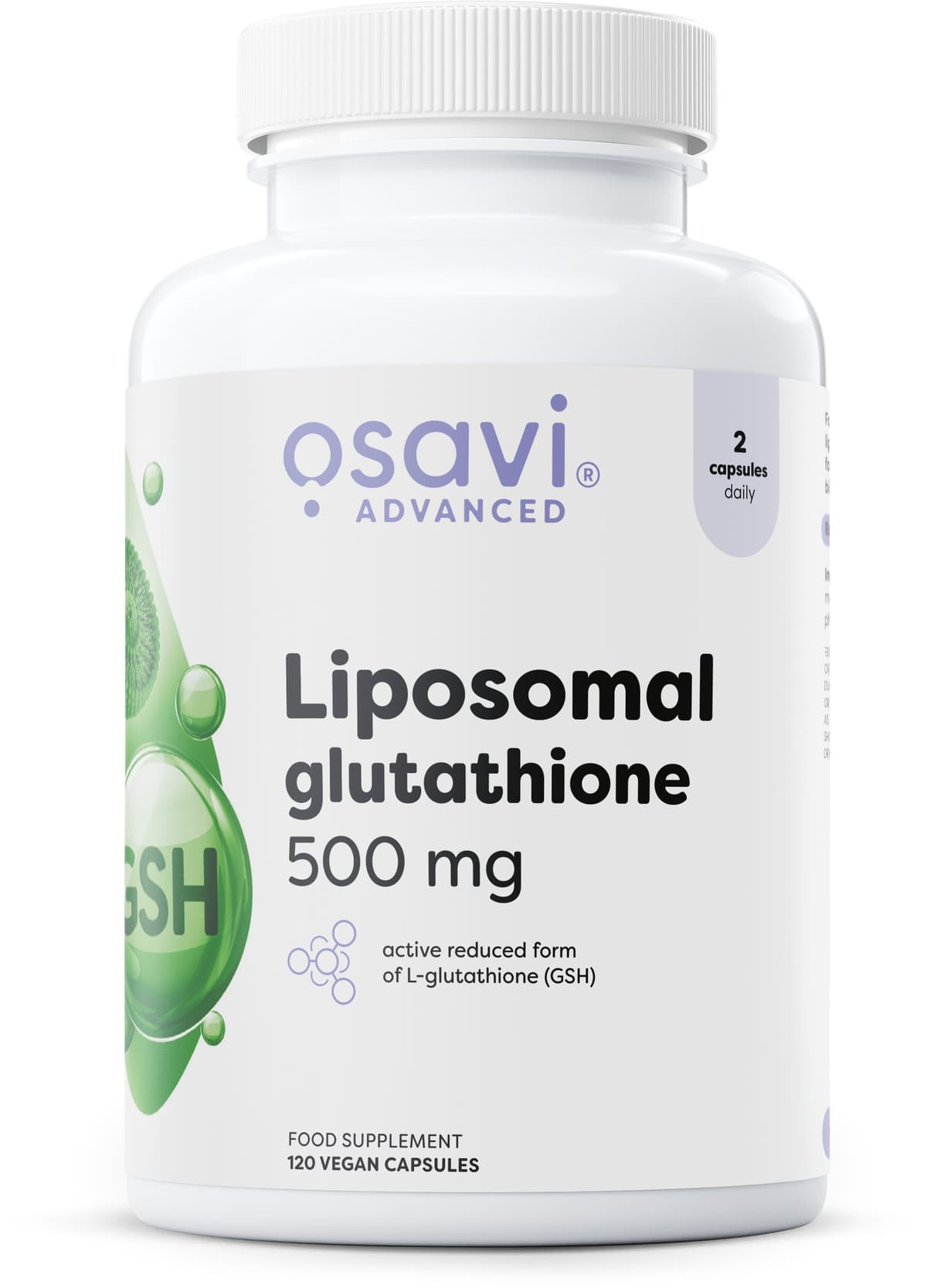
There are different forms of glutathione on the market, including liposomal glutathione and acetylglutathione, which may have better bioavailability compared to regular glutathione.
Side effects and warnings
Glutathione is generally considered safe for most people when taken at recommended doses. However, some may experience mild side effects such as gastrointestinal discomfort or allergic reactions. It is also important to note that individuals with specific health conditions, such as asthma, should be cautious with glutathione supplements and always consult a doctor before use.
Frequently asked questions
Is glutathione good for the skin?
Can I increase my glutathione levels through diet?
Yes, foods rich in sulphur, such as cruciferous vegetables and garlic, can support the body's natural production of glutathione.
Is glutathione safe to take daily?
For most individuals, glutathione is safe to take at recommended doses, but it is always best to consult a doctor before starting any new supplement.
Can I take glutathione if I am pregnant or breastfeeding?
There is insufficient research to fully confirm the safety of glutathione during pregnancy or breastfeeding, so it is important to discuss this with a doctor.
What is the difference between oral and intravenous glutathione?
Oral glutathione may have lower bioavailability than intravenous glutathione, meaning the amount that actually reaches the bloodstream can be less with oral consumption.
Products containing Glutathione
Show all 3 →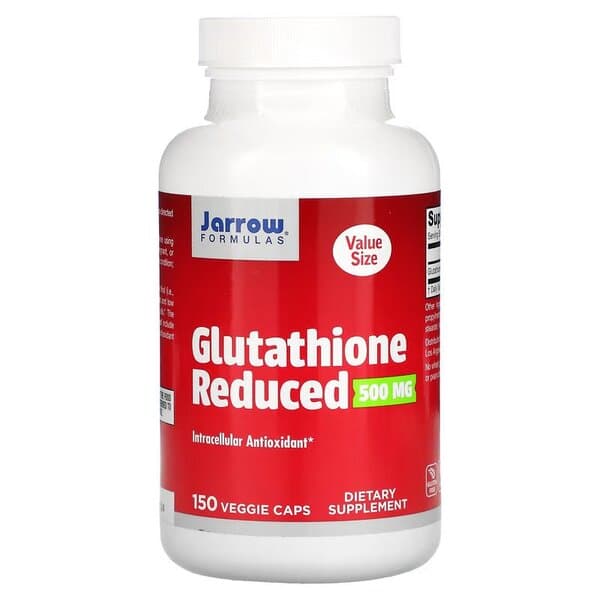
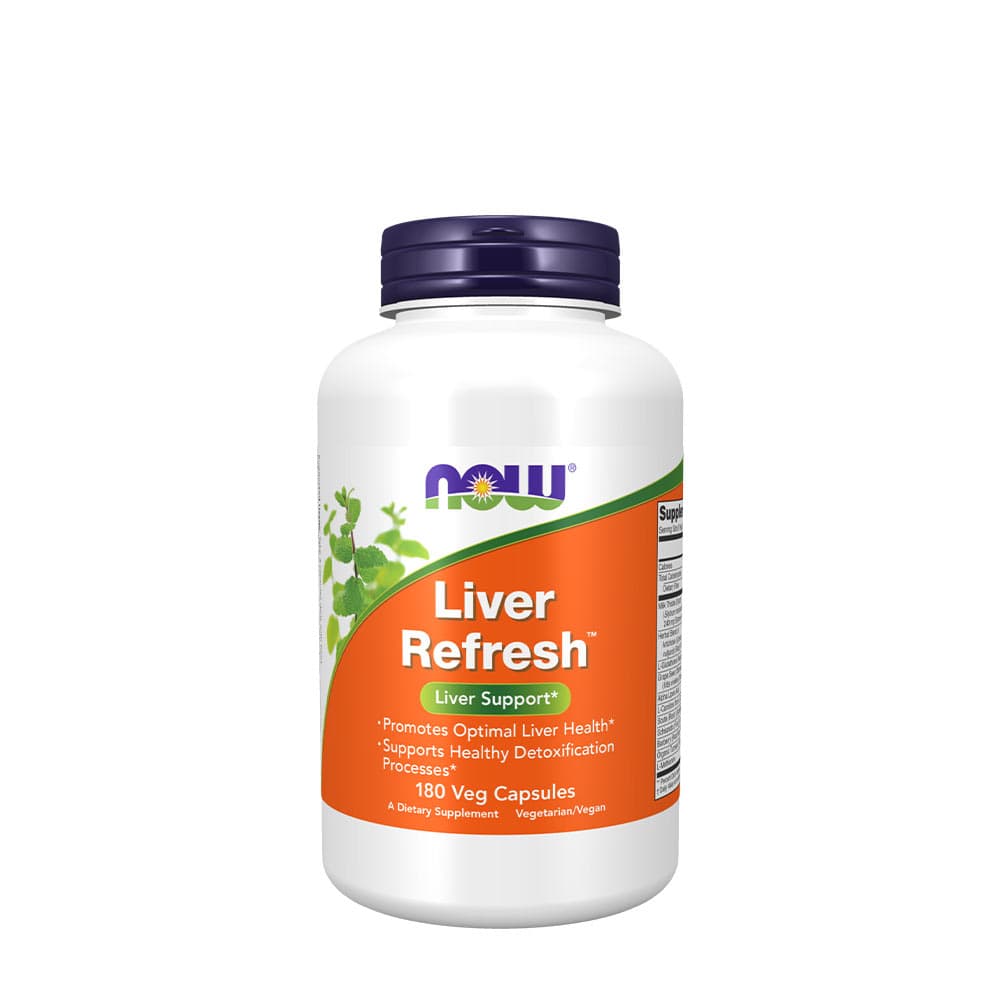
Related entries
NAC
NAC – definition and facts in our glossary. N-Acetylcysteine 2D precursor to glutathione, the body's most important antioxidant.
Vitamin C
Vitamin C (ascorbic acid) is a water-soluble vitamin and a powerful antioxidant.
Selenium
Selen – definition and facts in our glossary. Trace mineral with powerful antioxidant function via selenoproteins.