NAD+
NAD+ – definition and facts in our glossary. NAD+ (nicotinamide adenine dinucleotide) is a coenzyme in every living cell. Levels decline with age.
What is NAD+?
NAD+ (nicotinamide adenine dinucleotide) is a coenzyme found in every living cell. NAD+ is a form of nicotinamide, a type of vitamin B3, and is essential for cells to perform their functions efficiently. Levels of NAD+ in the body decrease with age, which can affect our health and well-being.
How does it work in the body?
It is involved in cellular respiration, where glucose and fatty acids are converted into energy in the form of ATP (adenosine triphosphate).
- DNA repair: NAD+ is necessary to activate enzymes that repair DNA damage.
- Cellular ageing: Low levels of NAD+ have been linked to age-related diseases and decline in cell function.
Scientific benefits
Research has shown that NAD+ may have several health benefits. Here are some key findings:
Dosage and recommendations
There is currently no official recommended daily dose for NAD+. However, research suggests that supplements may be effective in doses between 250 mg and 500 mg per day. It is important to consult a doctor before starting NAD+ supplementation, especially if you have underlying health conditions or are taking medications.
Best sources and forms
NAD+ can be taken as a dietary supplement in various forms, including:
- Nicotinamide riboside (NR): A form of vitamin B3 that has been shown to effectively increase NAD+ levels.
- Nicotinamide mononucleotide (NMN): Another form of B3 that can also raise NAD+ levels.
- Natural sources: Foods containing vitamin B3, such as meat, fish, whole grains, and nuts, can help naturally increase NAD+ levels.
Side effects and warnings
Overall, NAD+ supplements are considered safe for most people. Common side effects may include:
- Nausea
- Headache
- Flushing (skin redness)
It is important to follow dosing instructions and consult a doctor if you experience unwanted side effects. People with liver problems or who are pregnant should exercise extra caution.
Frequently asked questions
What is the difference between NAD+ and NADH?
NAD+ is the oxidised form of the coenzyme, while NADH is the reduced form. NAD+ accepts electrons during cellular respiration, whereas NADH carries these electrons to the electron transport chain to produce ATP.
Can I increase NAD+ levels naturally?
Yes, by eating foods rich in vitamin B3, such as meat, fish, nuts, and whole grain products, you can support the body's production of NAD+.
Are NAD+ supplements safe?
Generally, NAD+ supplements are safe for most people, but as with all supplements, you should consult a doctor before starting a new supplement.
What symptoms might indicate low NAD+ levels?
Can NAD+ affect my sleep?
Products containing NAD+
Show all 8 →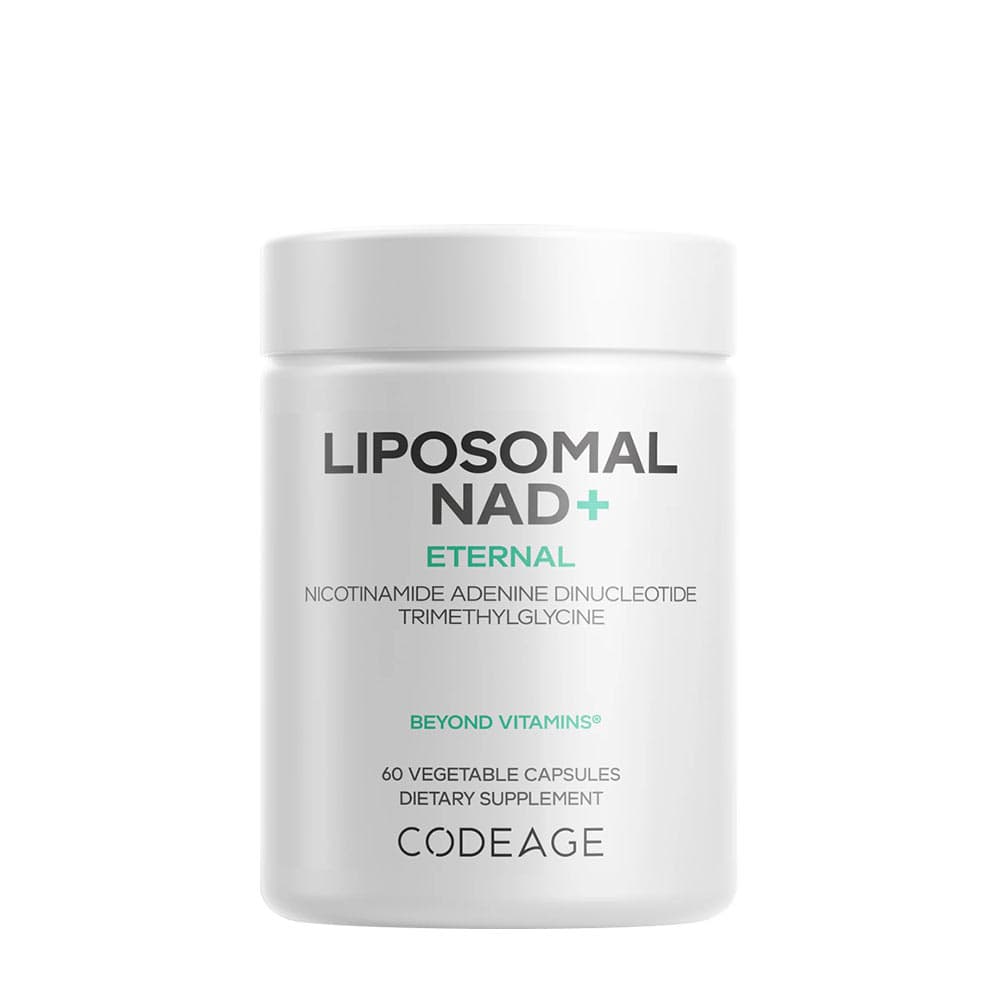
Codeage Liposomal Nad+ - 60 Vcaps - 60 Vegetable Caps
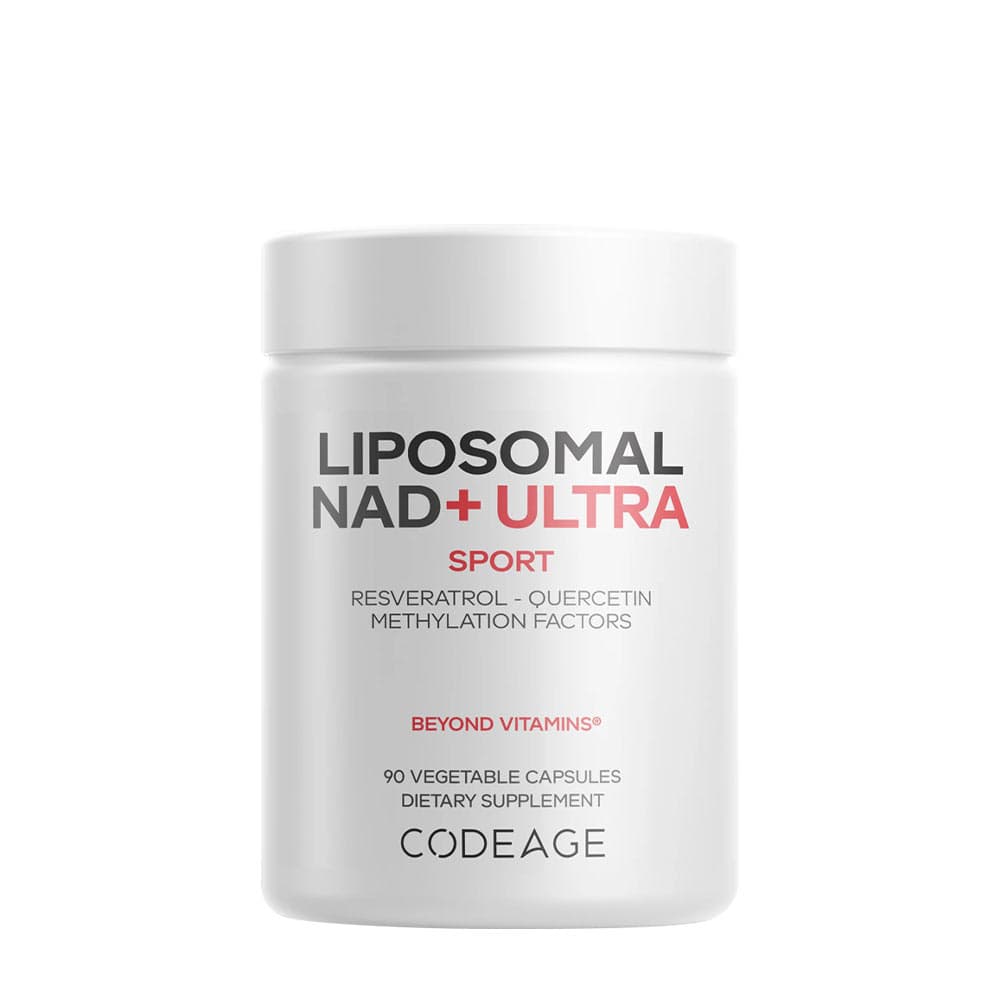
Codeage Liposomal Nad+ Ultra - 90 Vcaps - 90 Vegetable Caps
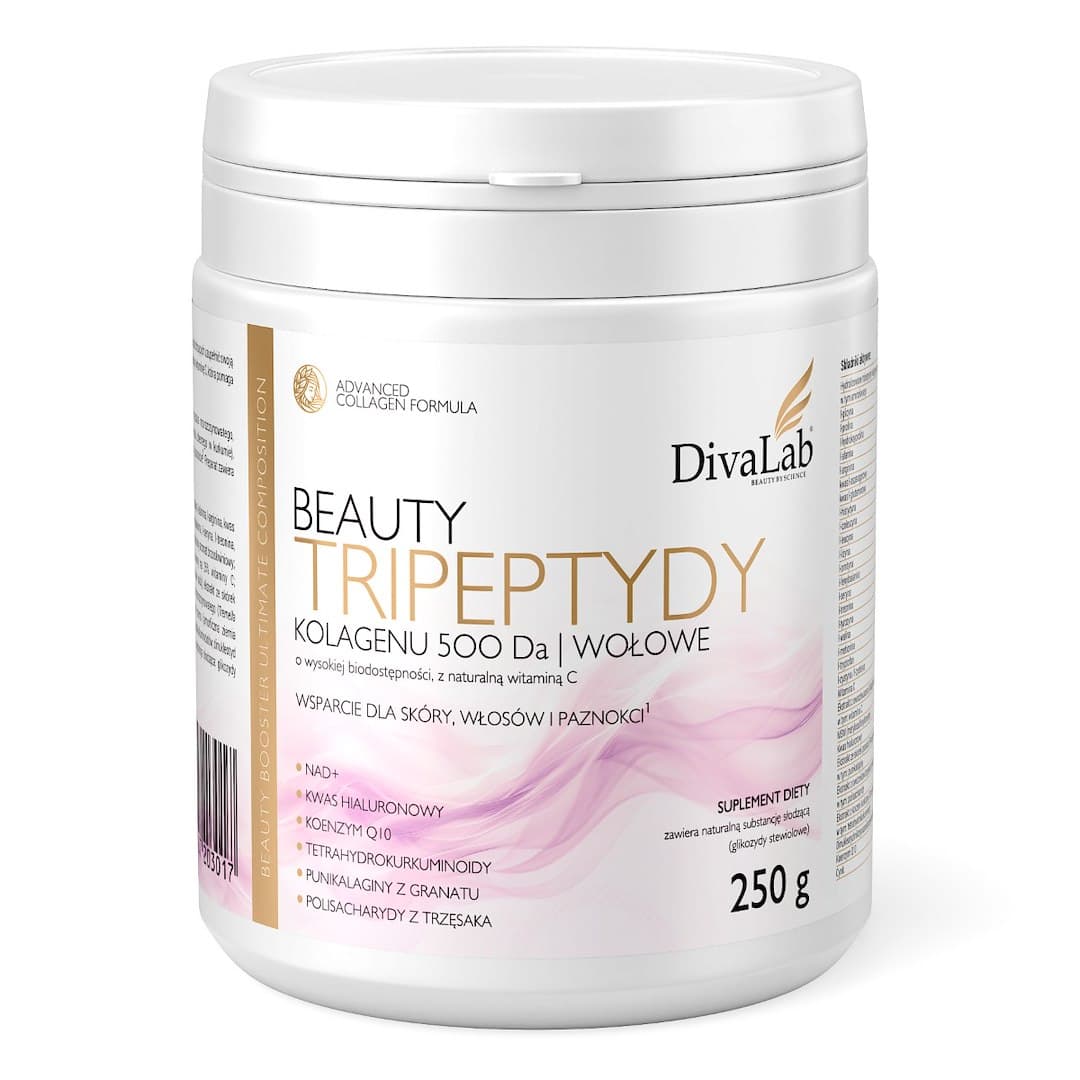
DivaLab - Beauty Tripeptide Collagen 500 Da Bovine - 250g

DivaLab - Beauty Tripeptide Collagen 500 Da Fish - 250g

FORA - 6 Beta-Ketone Test Strip - 10 pcs

Kenay - Nad+ - 30 Caps
Related entries
NMN
Nicotinamide mononucleotide 2D direct precursor to NAD+ which decreases with age. Central in longevity research.
Niacin
Niacin – definition and facts in our glossary. Available as niacin (with flush) and niacinamide (without flush).
Sirtuins
Sirtuiner – definition and facts in our glossary. Activated by NAD+ and calorie restriction.
Mitochondria
The powerhouses of the cell producing 90% of the body's energy (ATP). Mitochondrial dysfunction is a central mechanism behind ageing.