Omega-6
Omega-6 fatty acids (linoleic acid, arachidonic acid) are essential but often consumed in excess. The balance with omega-3 is more important than the total amount.
What is Omega-6?
Omega-6 fatty acids are a type of polyunsaturated fatty acids that play an important role in our health. They are essential, meaning the body cannot produce them on its own, and therefore we must obtain them through diet. The most well-known omega-6 fatty acids include linoleic acid (LA) and arachidonic acid (AA). These fatty acids are crucial for various bodily functions, including the structure of cell membranes and the production of signalling molecules.
How does it work in the body?
Omega-6 fatty acids have several important functions in the body. Linoleic acid, which is the most prescribed omega-6 fatty acid, can be converted into arachidonic acid in the body, which in turn is a building block for prostaglandins and leukotrienes, important for inflammatory processes and immune response.
Scientific benefits
Several studies have investigated the benefits of omega-6 fatty acids.
- Consumption of omega-6 fatty acids has also been shown to support a healthy pregnancy and foetal growth.
Dosage and recommendations
There is no specific recommended daily dose for omega-6 fatty acids, but it is generally accepted that a balanced diet containing omega-6 in reasonable amounts is beneficial. According to nutritional recommendations, the ratio between omega-6 and omega-3 should be approximately 4:1 to 1:1. This means that if you consume 4 grams of omega-6, you should also intake about 1 gram of omega-3.
Best sources and forms
Omega-6 fatty acids are found in many foods, especially vegetable oils. Here are some of the best sources:
- Sunflower oil
- Corn oil
- Soybean oil
- Sesame oil
- Nuts and seeds, especially walnuts and pumpkin seeds
- Animal products such as meat and eggs also contain arachidonic acid.
Side effects and warnings
Although omega-6 is important for the body, an excess can lead to negative health effects. It is important to strive for a balance between these fatty acids. Individuals with specific health conditions should consult a doctor or dietitian before making any major changes to their diet.
Frequently asked questions
What is the difference between omega-6 and omega-3?
Omega-6 and omega-3 are two different types of polyunsaturated fatty acids that have different functions in the body.
Can I get enough omega-6 from my diet?
Yes, most people get enough omega-6 from a typical diet. It is common in many vegetable oils and foods. However, it is important to also include sources of omega-3 to maintain a balanced diet.
Is omega-6 dangerous?
Which foods should I avoid to reduce omega-6 intake?
Foods high in omega-6 include many processed foods, fried foods, and certain vegetable oils. Reducing consumption of these can help balance the intake of omega-6 and omega-3.
Are omega-6 supplements necessary?
Most people can get enough omega-6 from their diet, so supplements are usually not necessary. It is best to discuss with a healthcare provider before starting supplements.
Products containing Omega-6
Show all 8 →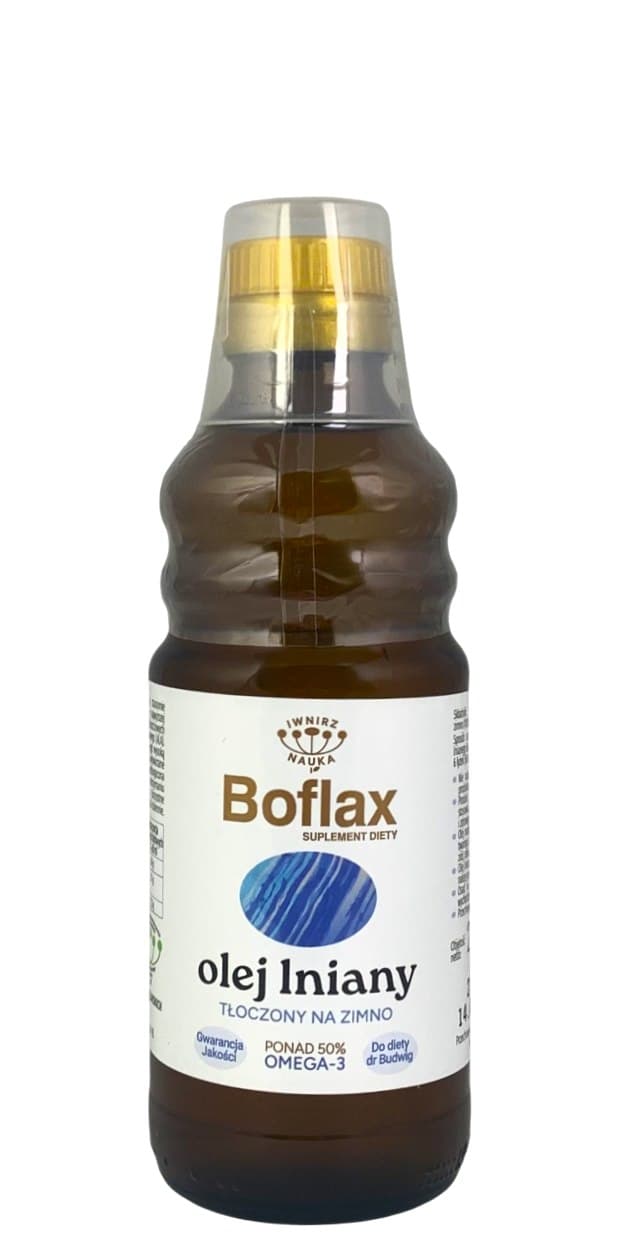
Boflax / Inniarz Nauka - Flaxseed Oil - Dr Budwig Diet 250ml

Garden of Life - mykind Organics Vegan D3 Organic Spray 58 ml

Genetic Nutrition - Organic Egyptian Black Seed Oil 200 Caps

Hanoju - Omega 3-6-9 90 caps
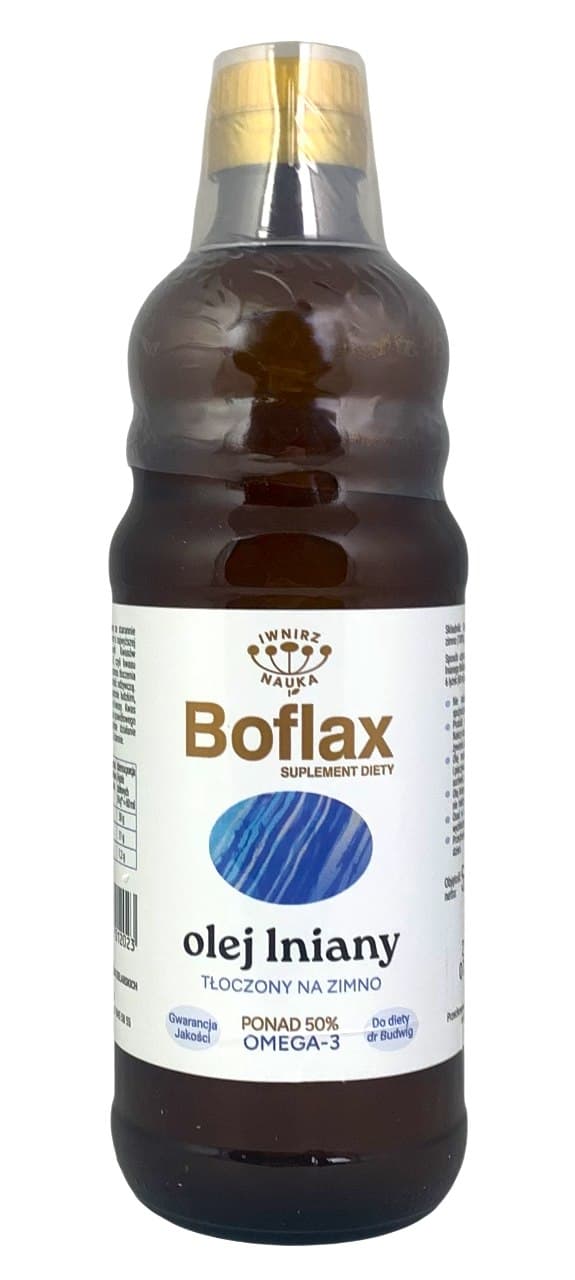
Iwnirz Nauka - Flaxseed Oil - 500ml

Olini - Oil for Seniors - 250ml
Related entries
Omega-3
Omega-3 fatty acids are essential polyunsaturated fats that the body cannot produce itself. The main forms are EPA and DHA (from fish) and ALA (from plants).
Inflammation
Low-grade systemic inflammation lasting months to years. Called "silent inflammation" and linked to heart disease, diabetes, cancer, and depression.
GLA
GLA – definition and facts in our glossary. Found in evening primrose oil and borage oil.
Linoleic Acid
Information about Linoleic Acid will be updated shortly.