Pantothenic Acid
Pantotensyra – definition and facts in our glossary.
What is Pantothenic Acid?
Pantothenic acid, also known as vitamin B5, is a water-soluble vitamin that plays a crucial role in the body's metabolism. Without sufficient levels of pantothenic acid, the body's ability to produce energy and manage stress can be negatively affected.
How does it work in the body?
Pantothenic acid works by being part of coenzyme A, which is necessary for the metabolism of carbohydrates, fats, and proteins. It also aids in the production of red blood cells and plays an important role in the synthesis of various hormones, including cortisol, which is involved in the body's stress response.
Scientific benefits
Several studies have investigated the potential benefits of pantothenic acid and its role in health:
- Stress management: Research shows that pantothenic acid can support adrenal gland function and thereby help the body manage stress better.
- Energy and performance: Another study showed that pantothenic acid can enhance endurance and energy levels in athletes, making it an important aspect of sports nutrition.
Dosage and recommendations
The recommended daily dose of pantothenic acid varies depending on age and sex. For adults, it is generally around 5 mg per day. Children and teenagers may require less or more depending on their growth and activity level. It is important to note that most people can obtain sufficient amounts of pantothenic acid through a balanced diet, making supplements unnecessary for most.
Best sources and forms
Pantothenic acid is found in a variety of foods. Here are some of the best sources:
- Meat, especially kidney and liver
- Eggs
- Milk and dairy products
- Fish
- Legumes such as beans and lentils
- Whole grain products
- Nuts and seeds
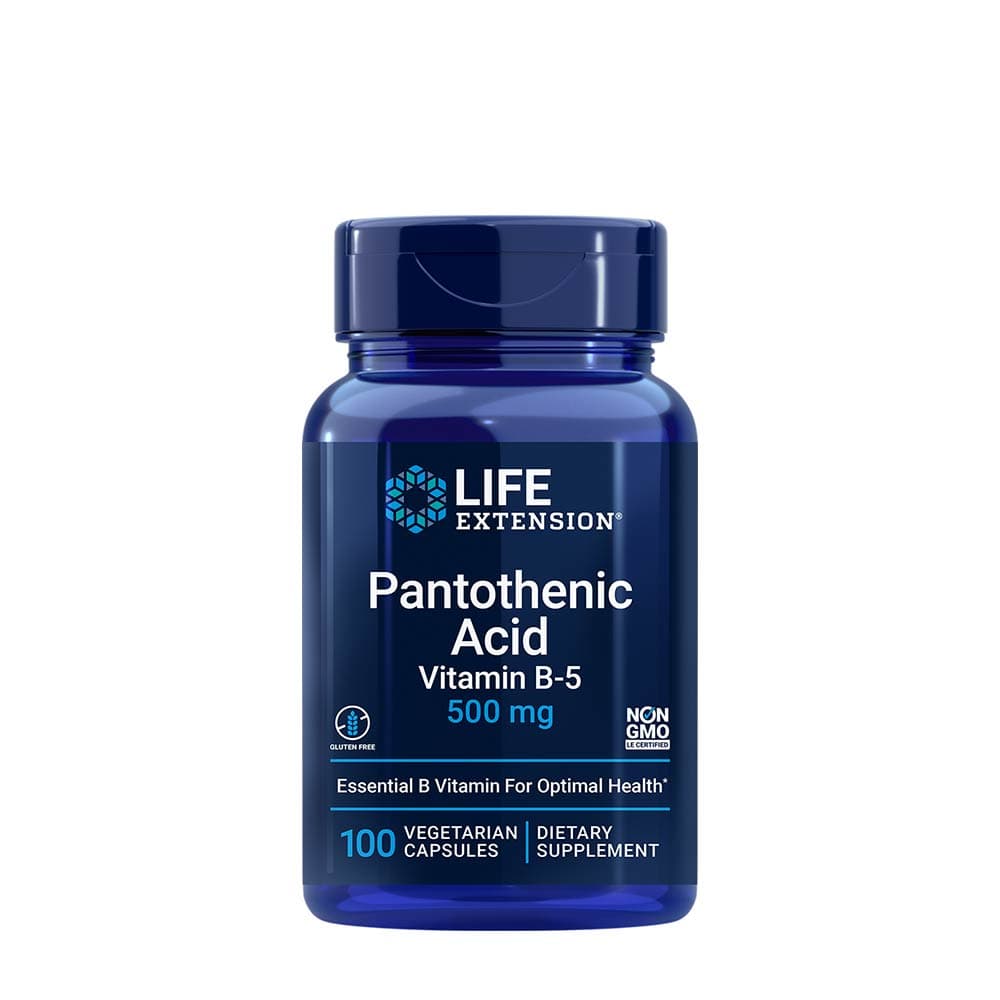
Pantothenic acid is also available as a dietary supplement in various forms, including tablets and capsules. When choosing supplements, it is important to select products from reputable manufacturers to ensure quality and purity.
Side effects and warnings
Pantothenic acid is generally considered safe and is not known to cause serious side effects at normal doses. However, some individuals may experience mild side effects such as diarrhoea or stomach discomfort if taking very high doses. It is always best to consult a doctor or dietitian before starting supplements, especially if you have underlying health conditions or are taking other medications.
Frequently asked questions
What is pantothenic acid good for?
Can I get enough pantothenic acid from my diet?
Yes, most people can obtain sufficient amounts of pantothenic acid through a balanced diet that includes meat, eggs, milk, legumes, and whole grain products.
Is it safe to take pantothenic acid as a supplement?
Pantothenic acid is generally safe at normal doses, but it is always advisable to consult a doctor before starting any supplements.
What symptoms can occur with pantothenic acid deficiency?
Can pantothenic acid help with stress?
Research suggests that pantothenic acid can support adrenal function and thereby help the body manage stress better.