Retinol
Retinol – definition and facts in our glossary. Active form of vitamin A that stimulates cell renewal, collagen synthesis, and reduces hyperpigmentation.
What is Retinol (skincare)?
It is primarily used for its ability to stimulate cell renewal, increase collagen synthesis, and reduce hyperpigmentation.
How does it work in the body?
Retinol works by affecting skin cells on multiple levels. When applied to the skin, it is converted into retinoic acid, the active form of vitamin A. Retinoic acid binds to specific receptors in skin cells, leading to:
- By stimulating collagen production, retinol can reduce wrinkles and fine lines.
Scientific benefits
Several studies have confirmed the positive effects of retinol on the skin.
Another study in the American Journal of Clinical Dermatology found that retinol is effective for treating acne and post-inflammatory hyperpigmentation, making it a versatile ingredient for various skin concerns.
Dosage and recommendations
For beginners, it is recommended to start with a low concentration of retinol, around 0.25% to 0.5%, to minimise the risk of irritation.
It is also important to use sunscreen during the day, as retinol can make the skin more sensitive to UV radiation.
Best sources and forms
Retinol is available in various forms in skincare products, including:
- Retinol: The most common form found in many skincare products.
- Retinaldehyde: A stronger form of vitamin A that is converted to retinoic acid in the skin.
- Retinoids: A group of synthetic derivatives of vitamin A that are more potent than retinol.
Products containing retinol can be found in various forms, including creams, serums, and oils. Choose a product that suits your skin type and needs.
Side effects and warnings
Although retinol is an effective ingredient, it can cause some side effects, especially upon first use. Common side effects include:
- Redness and irritation
- Dry patches and flaky skin
- Increased sensitivity to the sun
It is important to listen to your skin and adjust retinol use as needed. If you experience severe irritation, you should consult a dermatologist.
Frequently asked questions
Can I use retinol if I have sensitive skin?
Consider consulting a dermatologist to find the right product for your skin type.
How long does it take to see results with retinol?
Results may vary, but most people begin to see improvements after 4 to 12 weeks of regular use.
Can I use retinol during pregnancy or breastfeeding?
It is generally recommended to avoid retinol and other retinoids during pregnancy and breastfeeding, as they may affect the fetus.
Is retinol safe to use with other active ingredients?
It is best to avoid combining retinol with other strong active ingredients such as AHA or BHA, as this can increase the risk of irritation. Consult a dermatologist for specific recommendations.
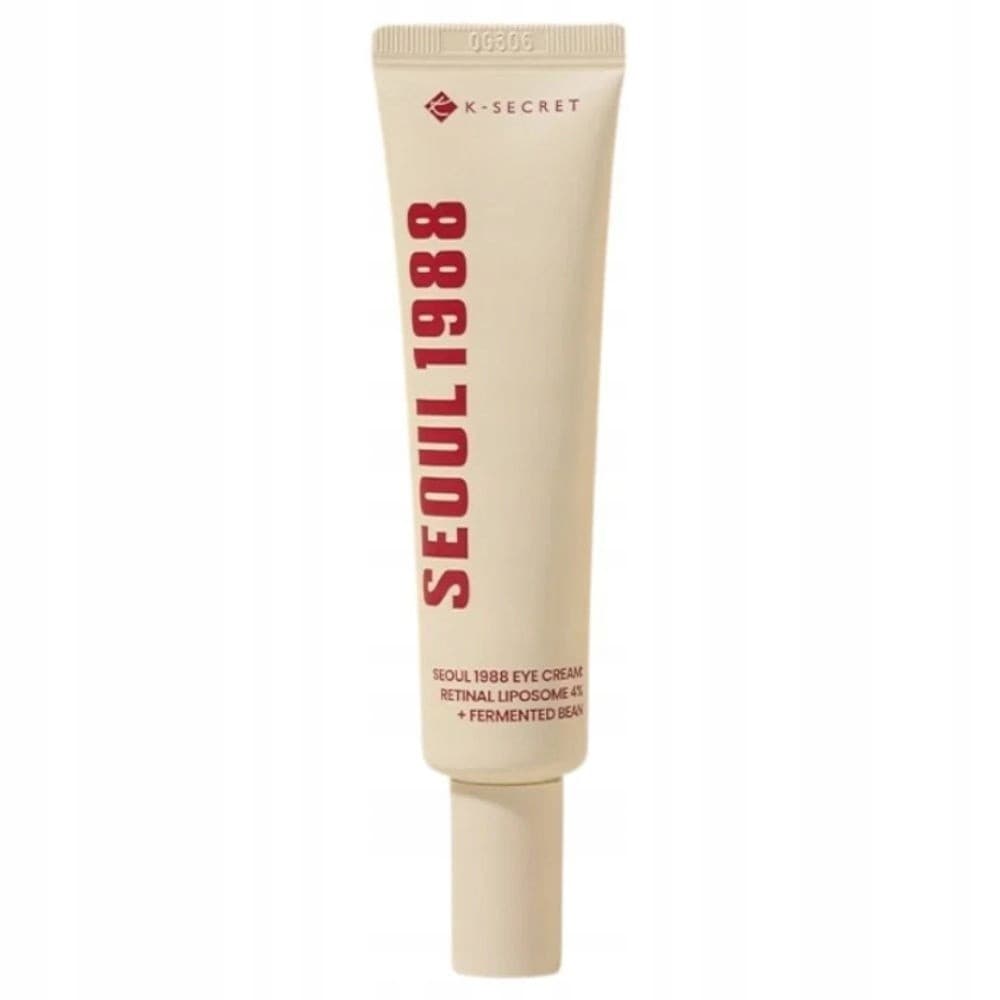
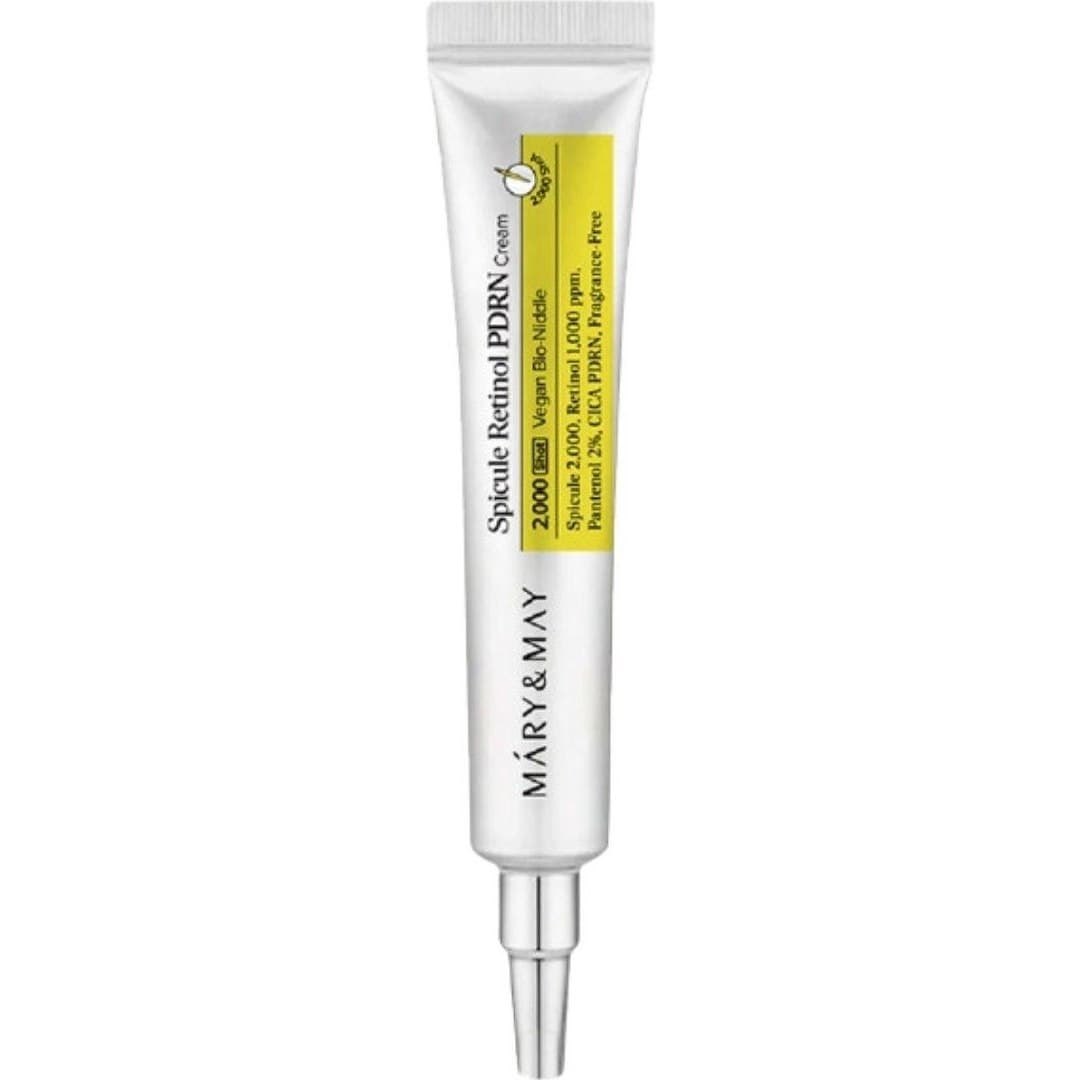
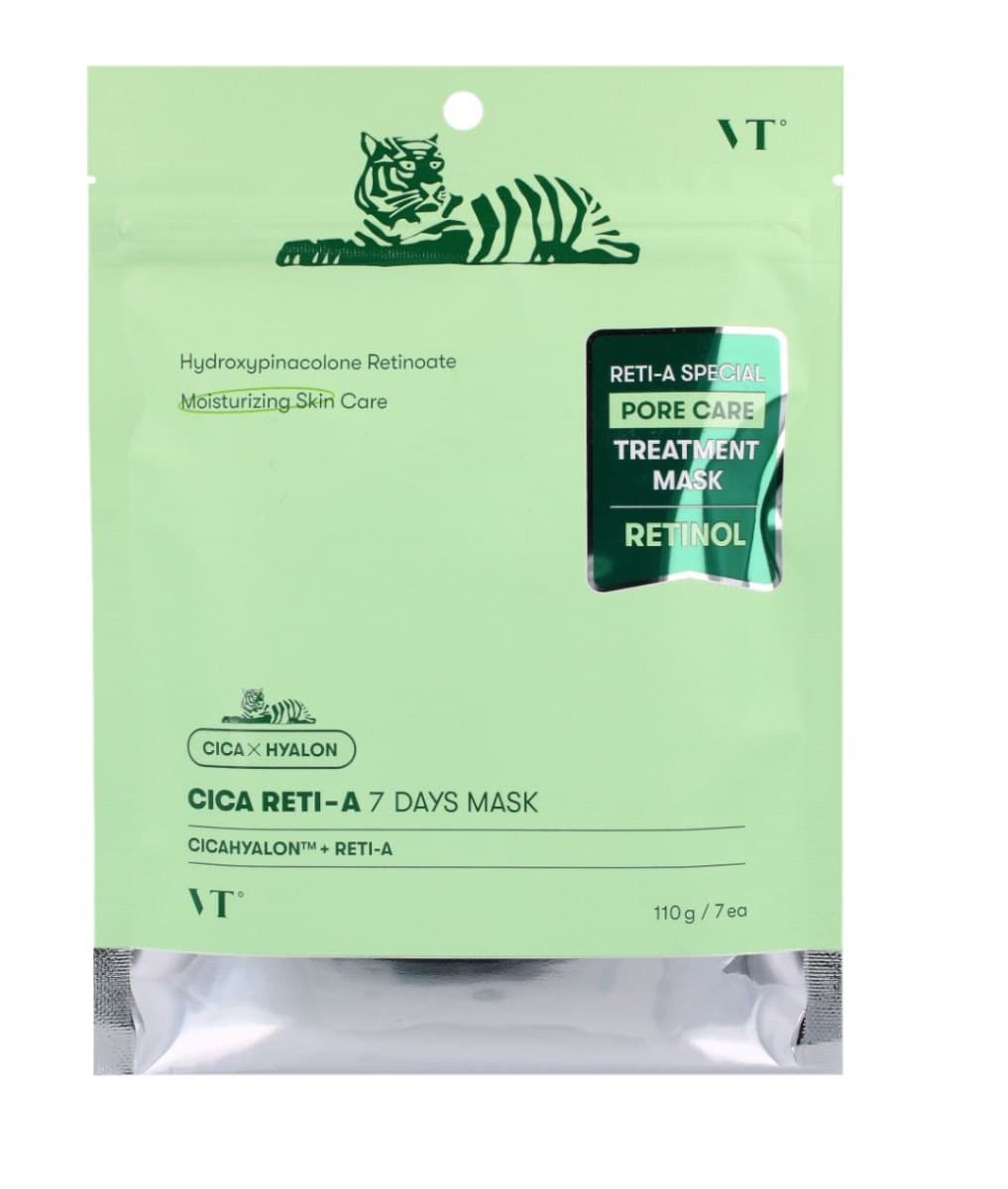
Products containing Retinol
Show all 5 →

Related entries
Vitamin A
Vitamin A – definition and facts in our glossary. Exists in two forms: retinol (animal) and beta-carotene (plant).
Collagen
Collagen is the body's most common protein and constitutes about 30% of all protein. It provides structure to skin, tendons, cartilage, bones, and blood vessels. The body's collagen production decreases with age.