Vitamin A
Vitamin A – definition and facts in our glossary. Exists in two forms: retinol (animal) and beta-carotene (plant).
What is Vitamin A?
Vitamin A is a fat-soluble vitamin that plays a crucial role in several important functions in the body. Vitamin A occurs in two main forms: retinol, which is the animal form, and beta-carotene, which is a plant-based compound that the body can convert into retinol.
How does it work in the body?
It is an important component of rhodopsin, a protein in the eyes that allows us to see in low light.
Absorption and metabolism
Vitamin A is best absorbed in the presence of fat and is then transported through the bloodstream with the help of lipoproteins. The liver stores vitamin A and releases it into the blood when the body needs it. It is important to note that both deficiency and overdose of vitamin A can have negative effects on health.
Scientific benefits
Research has shown that vitamin A has several health benefits:
Dosage and recommendations
The recommended daily dose of vitamin A varies depending on age, gender, and lifestyle. For adults, it is generally recommended that men consume about 900 micrograms (mcg) and women 700 mcg per day. Pregnancy and breastfeeding may increase the need for vitamin A.
Monitoring intake
It is important not to exceed the upper limit of 3000 mcg for adults, as vitamin A overdose can lead to serious health problems.
Best sources and forms
Vitamin A is found in various foods, both animal and plant sources:
- Animal sources: Liver, eggs, dairy products, and fish are rich in retinol.
- Plant sources: Carrots, sweet potatoes, spinach, and peppers contain beta-carotene, which the body can convert into vitamin A.
By including a variety of these foods in your diet, you can ensure you get sufficient amounts of vitamin A.
Side effects and warnings
Although vitamin A is important for health, excessive intake can lead to side effects such as:
- Nausea and vomiting
- Dizziness and headaches
- Liver problems
- Skin rashes
It is especially important for pregnant women to avoid exceeding recommended doses, as higher levels of vitamin A can negatively affect foetal development.
Frequently asked questions
What symptoms may indicate vitamin A deficiency?
Can you get too much vitamin A from diet?
It is uncommon to get too much vitamin A from diet alone, but it can occur with high intake of supplements or liver products.
Is vitamin A important for children?
Can I get vitamin A through supplements?
Yes, vitamin A is available as a supplement, but it is important to follow dosage instructions carefully and consult a doctor before starting to take them.
Which foods are the best sources of vitamin A?
The best sources include liver, carrots, sweet potatoes, spinach, and eggs.
Products containing Vitamin A
Show all 424 →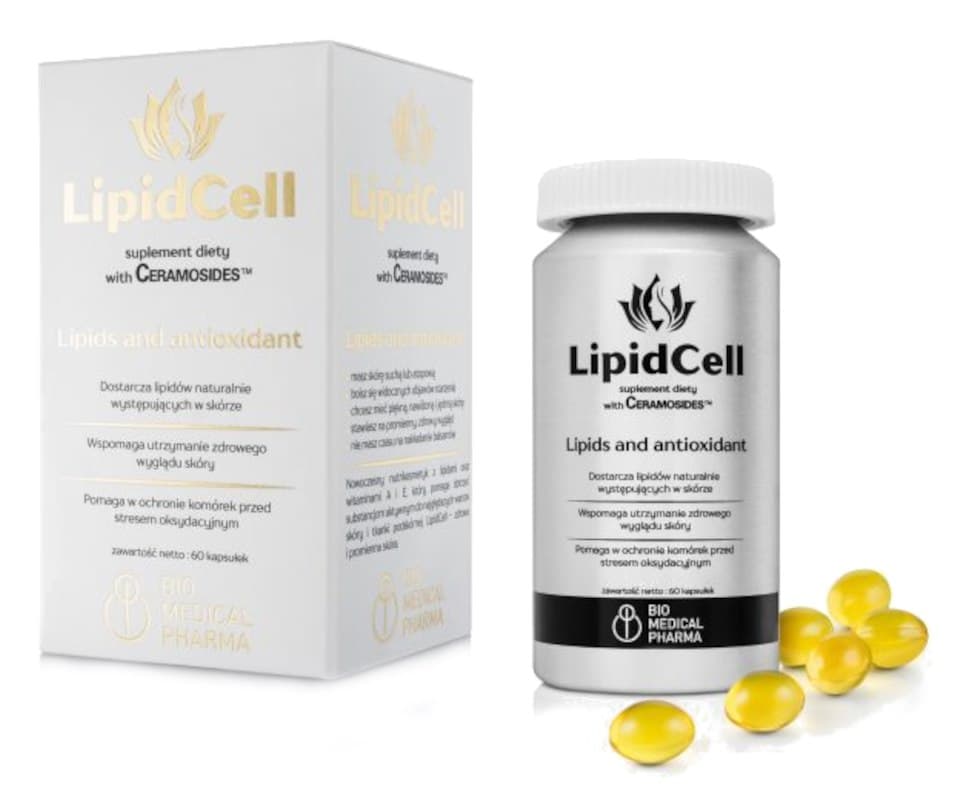

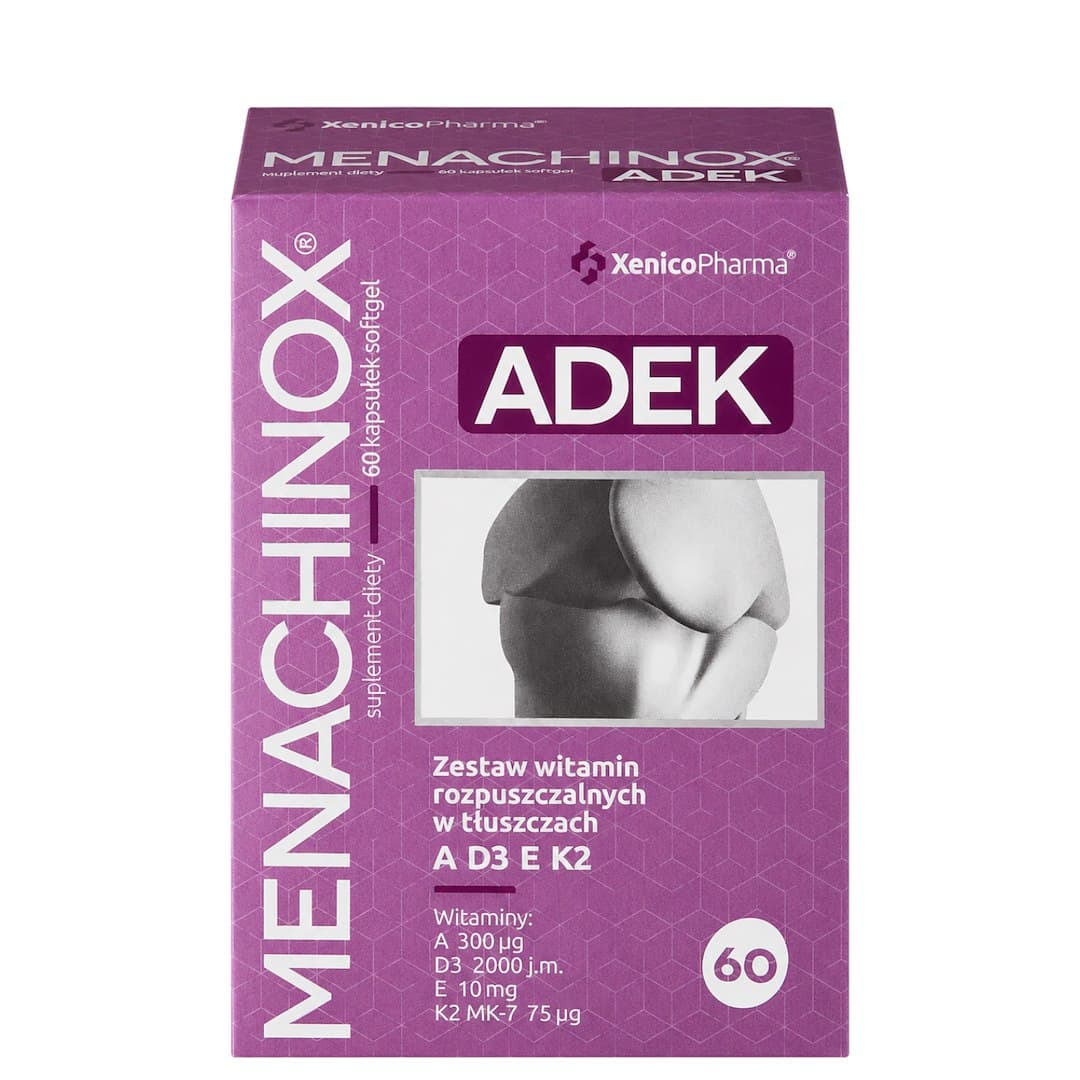
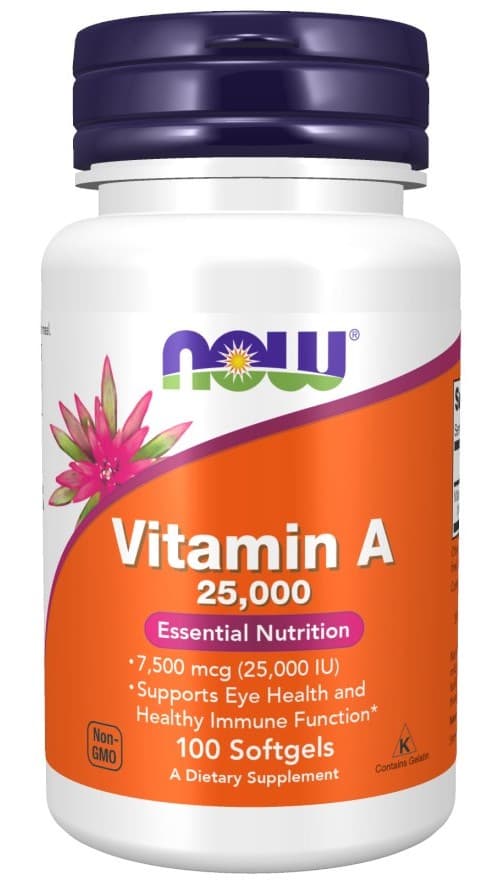
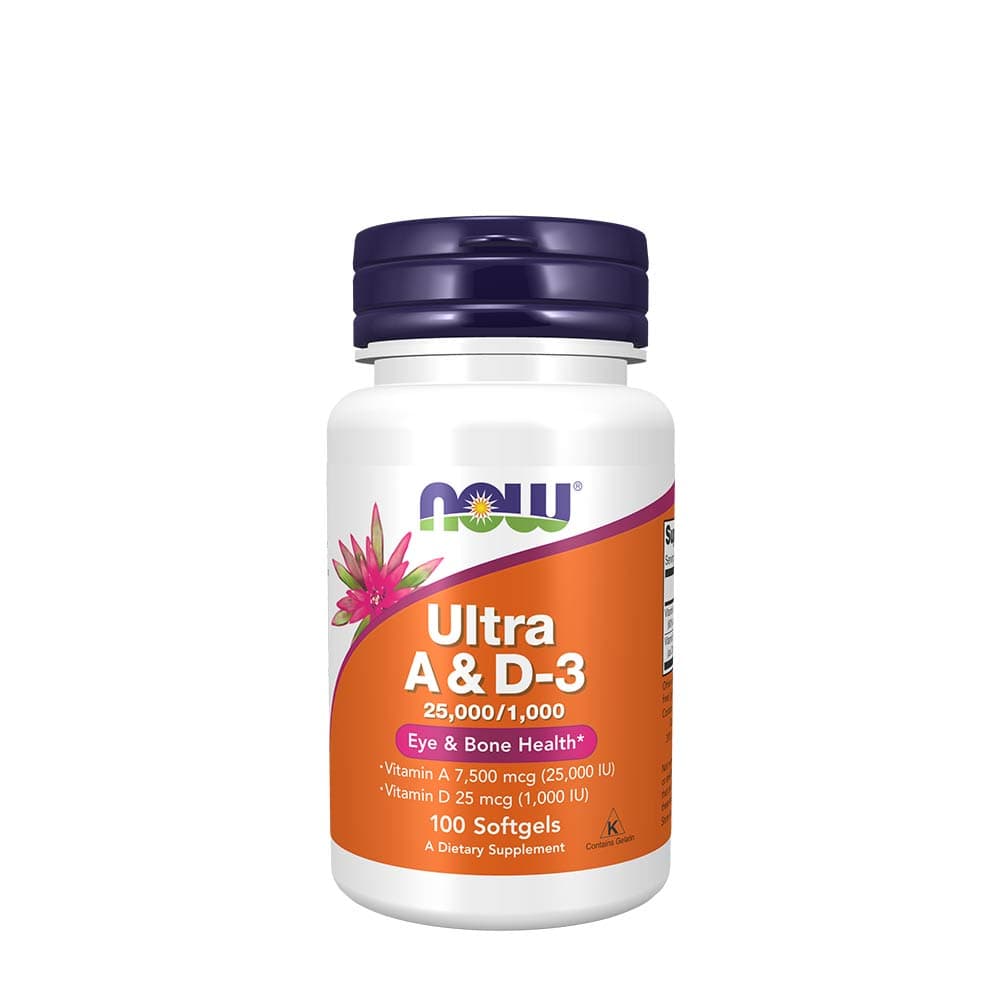
Related entries
Beta-Carotene
Provitamin A carotenoid that the body converts to vitamin A as needed. Powerful antioxidant that gives fruits and vegetables their orange colour.
Retinol
Retinol – definition and facts in our glossary. Active form of vitamin A that stimulates cell renewal, collagen synthesis, and reduces hyperpigmentation.
Vitamin E
Vitamin E – definition and facts in our glossary.
Zinc
Zink – definition and facts in our glossary. Deficiency is common globally.