Zinc
Zink – definition and facts in our glossary. Deficiency is common globally.
What is zinc?
Zinc is an essential trace element that the body needs in small amounts but which fulfils crucial functions.
Functions
- Testosterone 2D Zinc is needed for normal testosterone production. Deficiency can lead to lowered levels.
- Skin, hair and nails 2D Zinc deficiency can cause acne, hair loss, and brittle nails.
- Taste and smell 2D Zinc receptors are found in the cells of the taste and olfactory senses.
Forms
- Zinc picolinate 2D Good bioavailability, well studied.
- Zinc bisglycinate 2D Bound to glycine, gentle on the stomach.
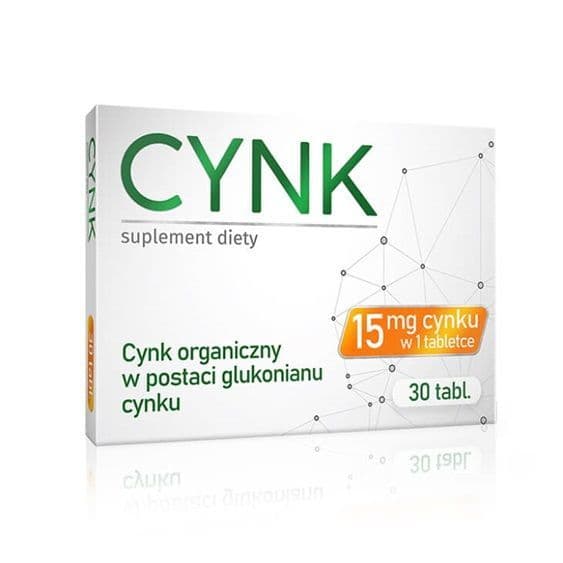
- Zinc gluconate 2D Common in throat lozenges.
- Zinc oxide 2D Cheap but low absorption.
Dosage
RDI: 8-11 mg. Supplements: 15-30 mg. Do not take more than 40 mg daily without medical advice. High doses can interfere with copper absorption.
Swedish recommendations (National Food Agency)
The National Food Agency27s recommendations for daily zinc intake:
| Age group | Recommended intake |
|---|---|
| Children 22D5 years | 6 mg |
| Children 62D9 years | 7 mg |
| Boys 102D13 years | 11 mg |
| Girls 102D13 years | 8 mg |
| Men 14+ years | 9 mg |
| Women 14+ years | 7 mg |
| Pregnant | 9 mg |
| Breastfeeding | 11 mg |
Source: National Food Agency, NNR 2023.