Copper
Trace mineral needed for iron metabolism, connective tissue, and antioxidant enzymes. Balance with zinc is important.
What is Copper?
Copper is an essential trace mineral that plays a crucial role in several biological processes in the body. It is necessary for iron metabolism, connective tissue synthesis, and functions as a component of various antioxidant enzymes. Copper is a mineral the body needs in small amounts, but its importance cannot be underestimated.
How does it work in the body?
Copper is involved in many vital functions in the body. It helps form haemoglobin, which is necessary for oxygen transport in the blood. Additionally, copper plays a role in the production of elastin and collagen, which are important for connective tissue and skin structure. Copper also acts as a cofactor for several enzymes, including ceruloplasmin, which is important for iron metabolism.
Scientific benefits
Several studies have investigated copper's role in health. According to a study published in Free Radical Biology and Medicine, copper has been shown to play an important role in combating free radicals in the body.
Research on copper and iron metabolism
Another important aspect of copper is its relationship to iron metabolism. According to a study published in the Journal of Nutrition, copper is necessary for iron to be transported correctly in the body. Copper deficiency can lead to anaemia, even in the presence of sufficient iron.
According to an article in the Journal of Immunology, copper is necessary for producing white blood cells, which are crucial for the body's ability to fight infections.
Dosage and recommendations
The recommended daily intake (RDI) of copper for adults is approximately 900 micrograms per day. For pregnant and breastfeeding women, the requirement may be slightly higher. It is important to note that too much copper can be harmful, so it is best to consult a doctor or dietitian before starting supplements.
Best sources and forms
Copper is found in several foods, and the best sources include:
- Nuts and seeds (especially walnuts and sunflower seeds)
- Shellfish (such as oysters and mussels)
- Whole grain products
- Green leafy vegetables (such as spinach and kale)
- Liver and other offal
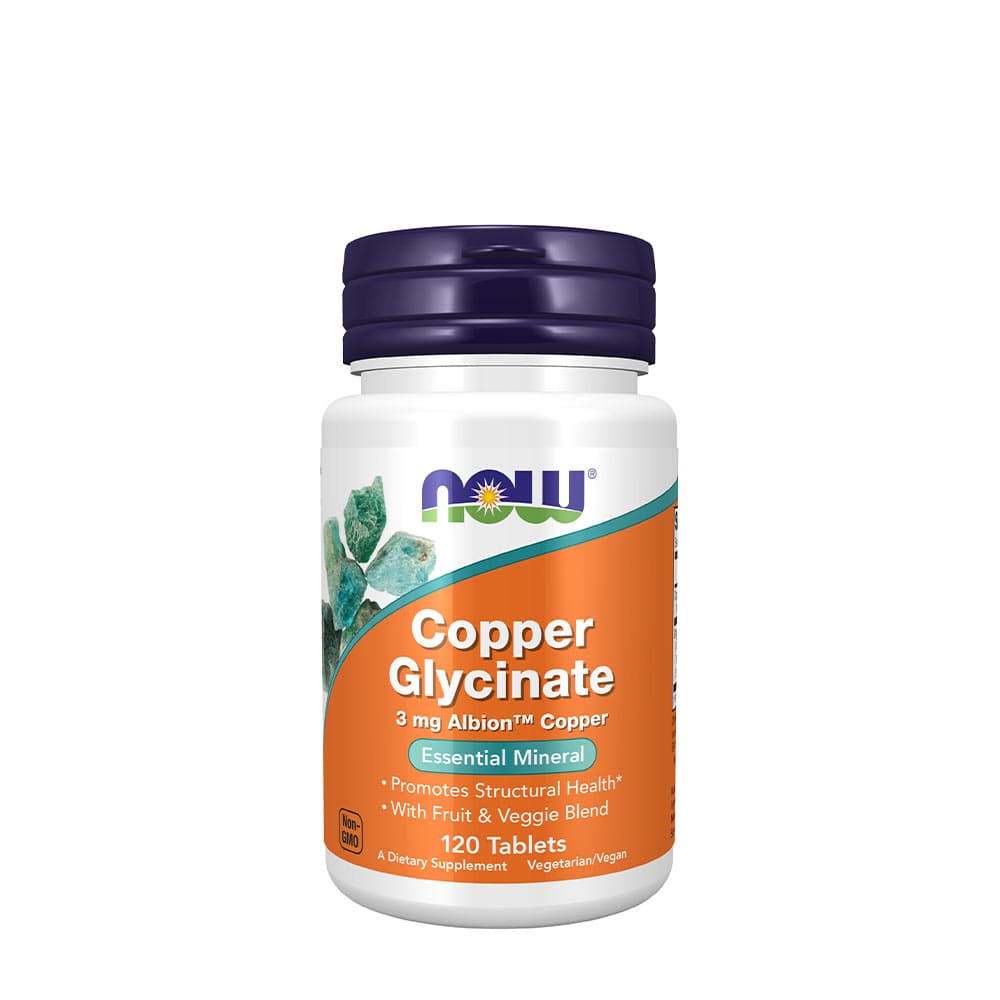
Copper is also available in supplements, usually in the form of copper gluconate or copper sulphate.
Side effects and warnings
Although copper is necessary for the body, excessive copper intake can lead to various side effects, including:
- Stomach pain and nausea
- Diarrhoea
- Liver problems with prolonged overconsumption
It is important to avoid excessive copper intake, especially through supplements, unless advised by a professional. Individuals with certain medical conditions, such as Wilson's disease, should avoid copper entirely.
Frequently asked questions
What is copper deficiency?
It is important to get enough copper through the diet to avoid these issues.
Can I get enough copper from my diet?
Yes, most people can obtain sufficient copper through a balanced diet that includes nuts, shellfish, and whole grains.
Is copper good for the skin?
Copper can support skin health by contributing to the production of collagen and elastin, which are important for skin elasticity and strength.
What is the relationship between copper and zinc?
Copper and zinc work together in the body, but an imbalance can occur if too much zinc is taken, which can lead to copper deficiency.
How can I tell if I have copper deficiency?
If you suspect a deficiency, you should consult a doctor for testing and diagnosis.
Products containing Copper
Show all 351 →

Related entries
Zinc
Zink – definition and facts in our glossary. Deficiency is common globally.
Iron
Järn – definition and facts in our glossary. Deficiency is the world's most common nutritional deficiency.
Collagen
Collagen is the body's most common protein and constitutes about 30% of all protein. It provides structure to skin, tendons, cartilage, bones, and blood vessels. The body's collagen production decreases with age.