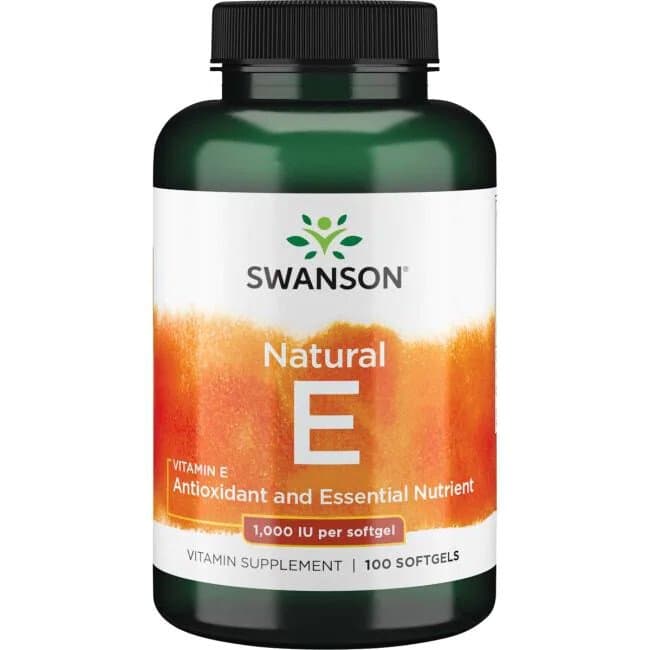
Vitamin E
Vitamin E – definition and facts in our glossary.
What is Vitamin E?
Vitamin E is a powerful fat-soluble antioxidant that plays a crucial role in human health. It is a group of compounds that includes tocopherols and tocotrienols.
How does it work in the body?
In the body, vitamin E acts as an antioxidant by neutralising free radicals, which are unstable molecules that can cause damage to cells and tissues.
Scientific benefits
Several studies have demonstrated the potential health benefits of vitamin E.
A study published in Dermatologic Therapy demonstrated that topical application of vitamin E can enhance skin recovery after sun damage.
Dosage and recommendations
The recommended daily dose of vitamin E varies depending on age and sex. For adults, the recommended dose is approximately 15 mg (22.4 IU) per day. It is important to note that excessive vitamin E intake can have adverse effects, including an increased risk of bleeding, especially if taken in combination with anticoagulant medications. It is advised to consult a physician before starting vitamin E supplementation, particularly for those with underlying health conditions.
Best sources and forms
Vitamin E occurs naturally in many foods. Some of the best sources include:
- Nuts and seeds, especially almonds and sunflower seeds
- Green leafy vegetables, such as spinach and broccoli
- Vegetable oils, such as wheat germ oil, sunflower oil, and olive oil
- Whole grain products
- Avocado
There are different forms of vitamin E, including natural and synthetic. Natural vitamin E (d-alpha-tocopherol) is considered more biologically active than the synthetic form (dl-alpha-tocopherol), and it is recommended to choose natural sources when possible.
Side effects and warnings
Although vitamin E is safe for most people at recommended doses, high intakes can lead to side effects. Common side effects include:
- nausea
- diarrhoea
- fatigue
- increased risk of bleeding
Individuals taking anticoagulant medications or with certain health conditions should be especially cautious and consult a doctor before taking vitamin E supplements.
Frequently asked questions
What is the difference between natural and synthetic vitamin E?
Natural vitamin E (d-alpha-tocopherol) is more biologically active and better absorbed by the body than the synthetic form (dl-alpha-tocopherol).
Can I get enough vitamin E from my diet?
Yes, most people can obtain sufficient vitamin E through a balanced diet that includes nuts, seeds, vegetable oils, and green leafy vegetables.
Is vitamin E good for the skin?
Can vitamin E cause side effects?
Yes, at high doses vitamin E can cause side effects such as nausea, diarrhoea, and an increased risk of bleeding.
How can I tell if I have a vitamin E deficiency?
Vitamin E deficiency is rare but can lead to symptoms such as muscle weakness, vision problems, and impaired immune function. If you suspect a deficiency, you should consult a doctor for assessment.
Products containing Vitamin E
Show all 866 →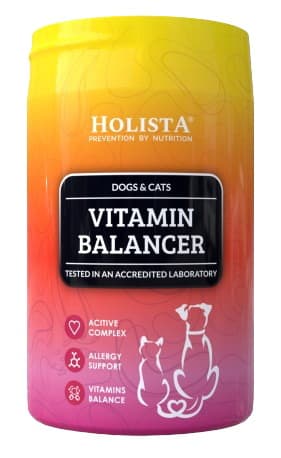
Holista - Vitamin Balancer 200 g

Kenay - Vitamin E Tocotrienols And Tocopherols Ultra - 30 Caps
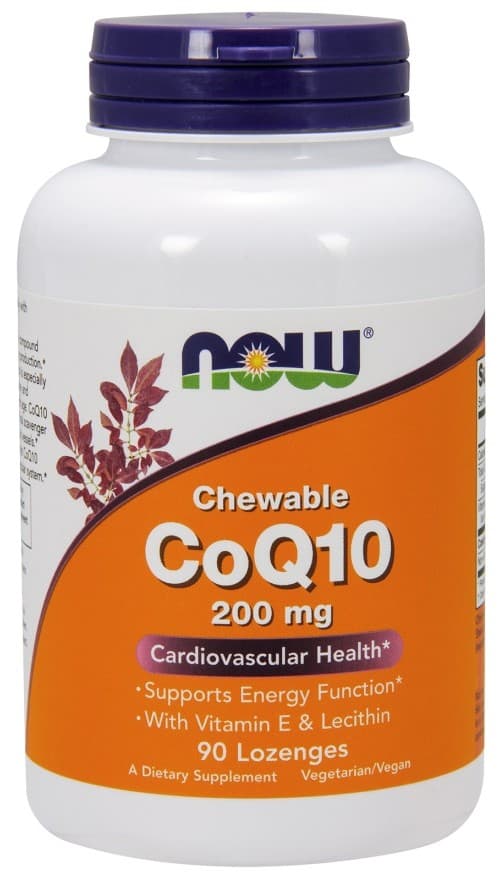
NOW Foods - CoQ10 With Lecithin & Vitamin E
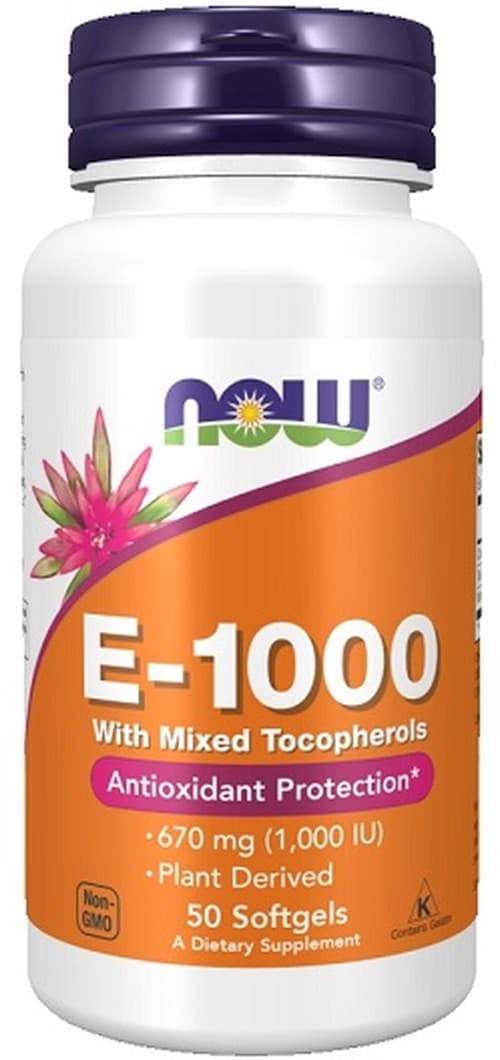
NOW Foods - Vitamin E-1000 Natural Mixed Tocopherols - 50 Sgels
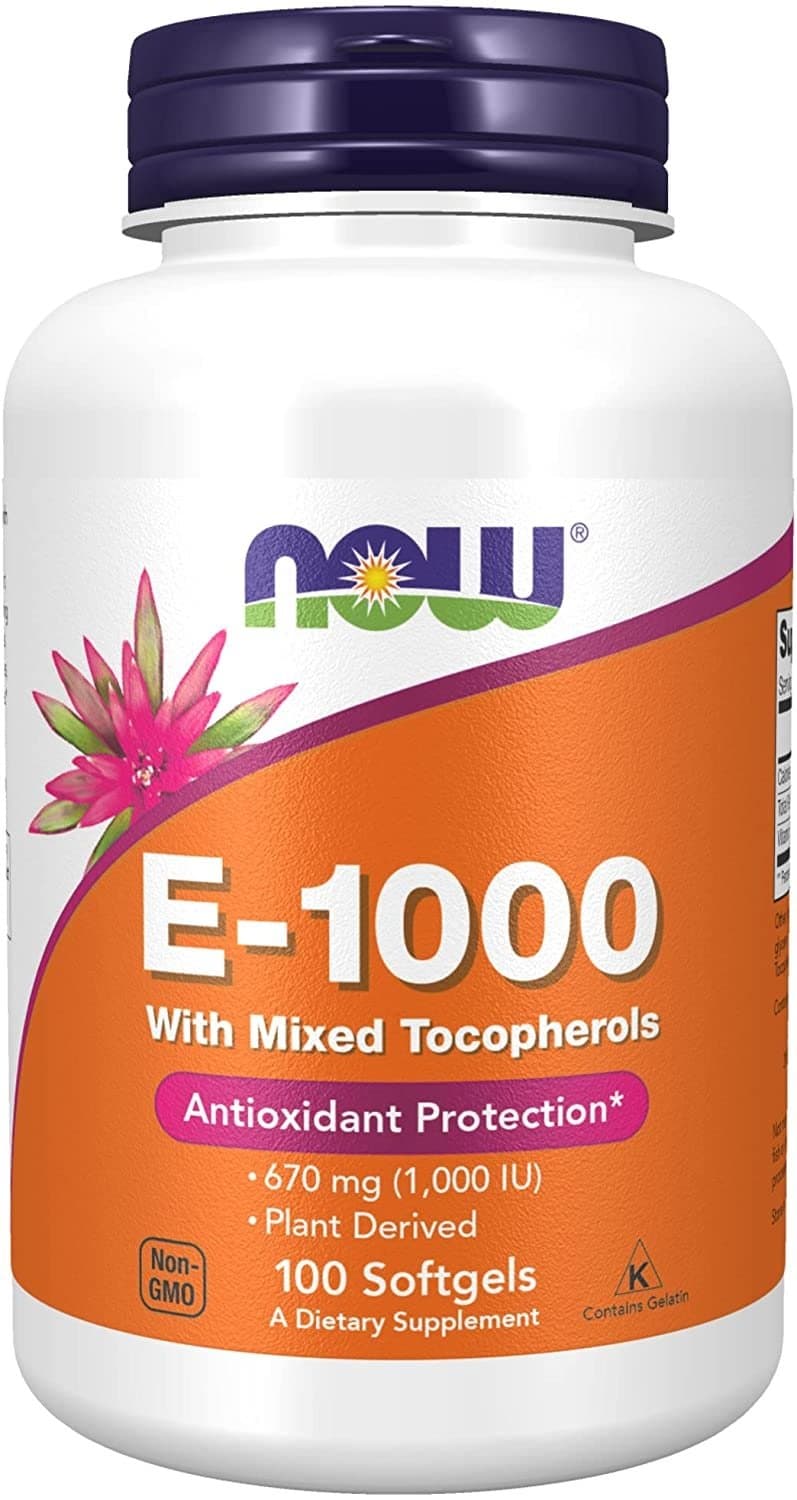
Now Foods - E-1000 With Mixed Tocopherols - 100 Sgels