Spirulina
Blue-green algae extremely rich in protein (60-70%), B12, iron, and the antioxidant phycocyanin. One of the world's most nutrient-dense foods.
What is Spirulina?
Spirulina is a blue-green algae that has become known as one of the world's most nutrient-dense foods. It grows in freshwater and is rich in protein, with a protein content that can reach up to 60-70%. In addition to protein, spirulina is also an excellent source of vitamin B12, iron, and the antioxidant phycocyanin, making it a popular component in many dietary supplements and superfood products.
How does it work in the body?
Spirulina works by providing a concentrated source of nutrients that the body needs to function optimally. The proteins contained in spirulina are of high quality and easily absorbed, meaning the body can use them effectively for tissue repair and growth.
Scientific benefits
Several studies have investigated the potential health benefits of spirulina. Here are some of the most notable benefits:
- Antioxidant effect: Spirulina contains phycocyanin, a powerful antioxidant that can help combat free radicals in the body.
Dosage and recommendations
The recommended dose of spirulina varies depending on the individual's needs and the product's concentration. Generally, a typical dose is between 1-3 grams per day, with some individuals taking up to 10 grams for specific health benefits.
Best sources and forms
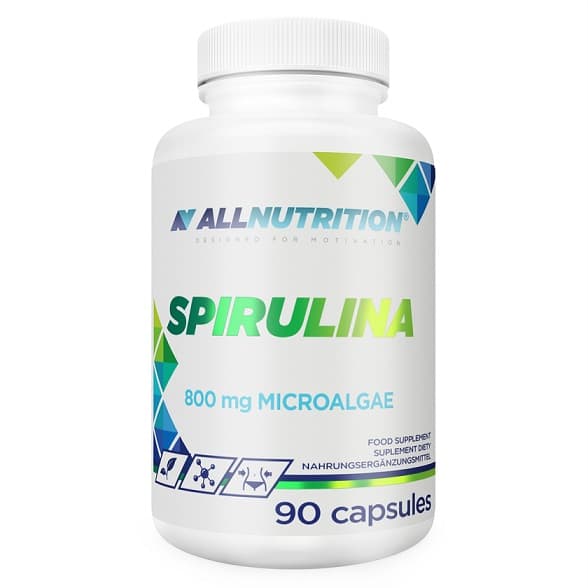
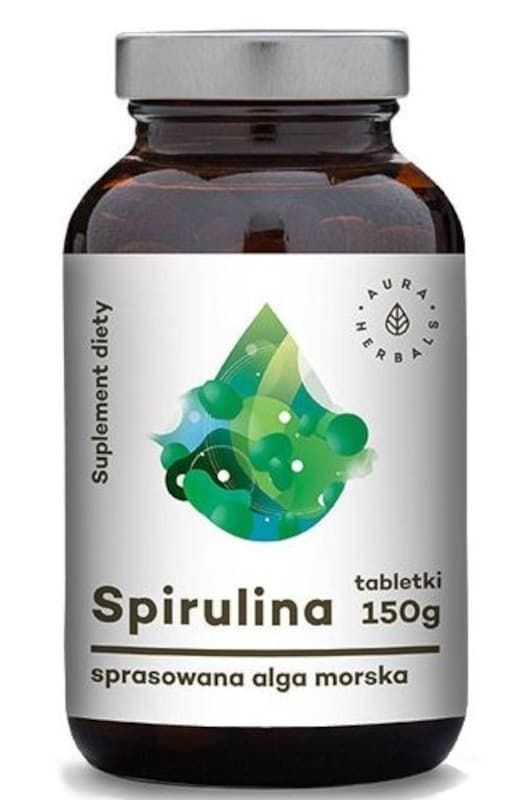
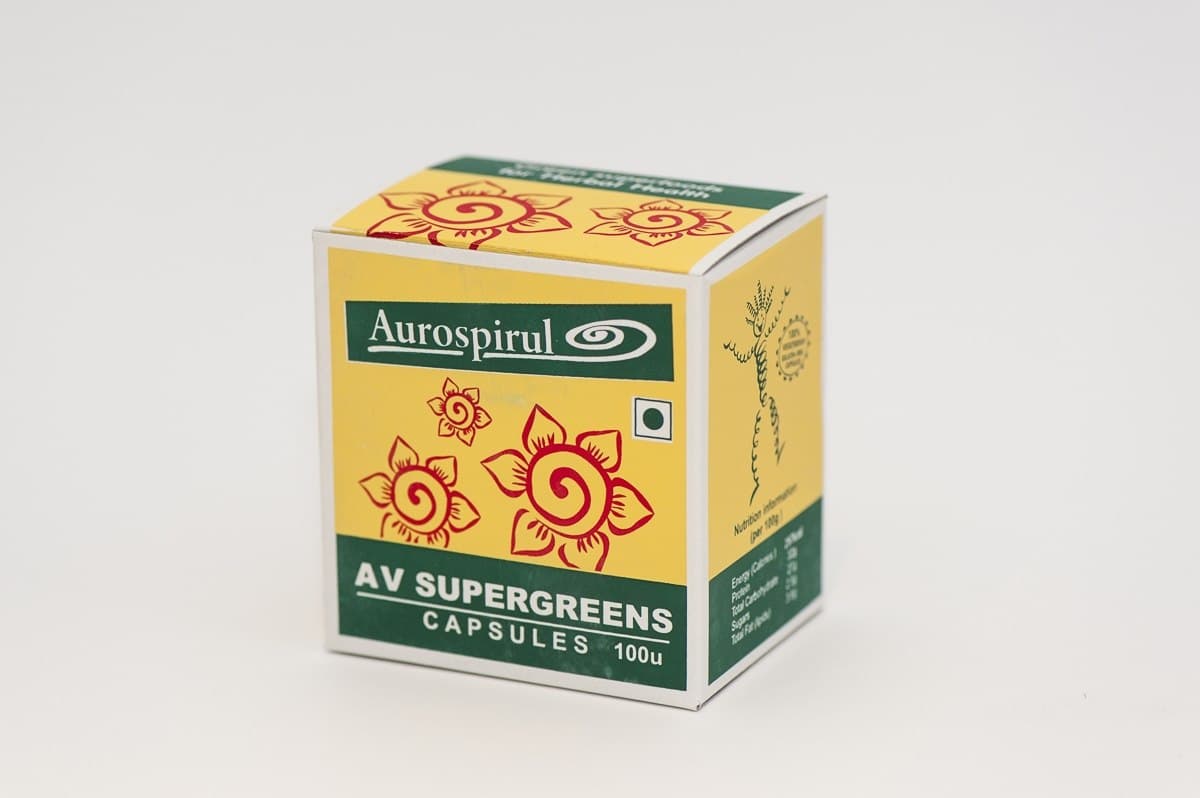
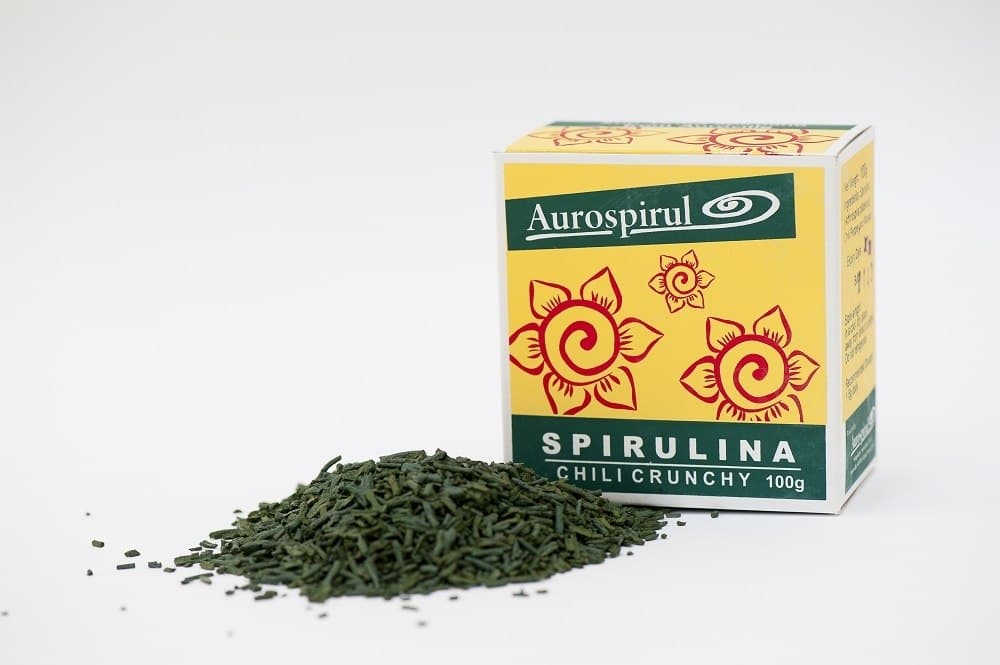
Spirulina is available in several forms, including powder, tablets, and capsules. It is important to choose high-quality spirulina from reliable sources to ensure it is free from contaminants and heavy metals.
Side effects and warnings
For the most part, spirulina is safe for most people, but it can cause side effects in some. Common side effects include stomach discomfort, nausea, and allergic reactions. People with autoimmune diseases or who are allergic to algae should avoid spirulina. It is always best to consult a doctor before starting a new supplement, especially if you have any underlying conditions or are taking medications.
Frequently asked questions
What is spirulina good for?
Is spirulina safe to take during pregnancy?
There is limited research on the use of spirulina during pregnancy, so it is important to consult a doctor before use.
How long can you take spirulina?
Spirulina can be taken continuously, but it is recommended to take breaks and vary supplements to avoid potential side effects.
Can children take spirulina?
Children can take spirulina, but it is important to consult a doctor to determine the appropriate dosage based on age and weight.