Urolithin A
Metabolite produced by gut bacteria from pomegranate. Stimulates mitophagy (clearing damaged mitochondria).
What is Urolithin A?
Urolithin A is a metabolite produced by gut bacteria when they break down ellagic acid and punicalagins, compounds abundantly found in pomegranate.
How does it work in the body?
Urolithin A works by activating mitophagy, an important process for cellular health. When the mitochondria in our cells become damaged or inefficient, they can cause a range of problems, including inflammation and ageing.
Scientific benefits
Several studies have investigated the effects of Urolithin A and its potential health benefits. Here are some of the most interesting findings:
Dosage and recommendations
There is currently no official recommended daily dose for Urolithin A, as it is a relatively newly discovered compound in dietary supplements. However, several studies have used doses ranging from 250 mg to 1000 mg per day with positive results. It is important to consult a healthcare professional before starting to use Urolithin A or other supplements to ensure it suits individual health needs.
Best sources and forms
Urolithin A occurs naturally in pomegranate, but it is important to note that it is primarily produced by gut bacteria when they break down pomegranate components. To obtain Urolithin A, one can:
- Eat pomegranate or drink pomegranate juice.
- Consider supplements containing Urolithin A, which can provide a more concentrated and direct source of the compound.
- Include foods rich in polyphenols, such as berries, nuts, and green leafy vegetables, to support the gut flora that produces Urolithin A.
Side effects and warnings
Research on Urolithin A is still in an early stage, and there is limited information on possible side effects. Generally, Urolithin A is considered safe when taken at recommended doses. However, it is important to be aware of the following:
- Individuals with underlying health conditions or those taking medications should always consult a doctor before starting any new supplement.
- Excessive consumption of pomegranate or pomegranate products may cause digestive discomfort in some individuals.
Frequently asked questions
What is the difference between Urolithin A and other antioxidants?
Urolithin A is unique because it specifically stimulates mitophagy, a process that clears out damaged mitochondria. Many other antioxidants work by neutralising free radicals but do not have the same effect on mitochondrial health.
Can Urolithin A help with age-related diseases?
Research suggests that Urolithin A may have positive effects on cellular health and inflammation, which could help counteract certain age-related diseases. More research is needed to confirm these effects.
Is Urolithin A safe for everyone to take?
Urolithin A is generally considered safe, but individuals with specific health conditions or those taking medications should consult a doctor before starting supplements.
How long does it take to see the effects of Urolithin A?
The effects of Urolithin A may vary depending on the individual's health and dosage. Some people may notice changes within a few weeks, while others may take longer.
Are there interactions with other medications?
There is limited information on interactions between Urolithin A and other drugs, making it important to consult a doctor to ensure safety.
Products containing Urolithin A
Show all 1 →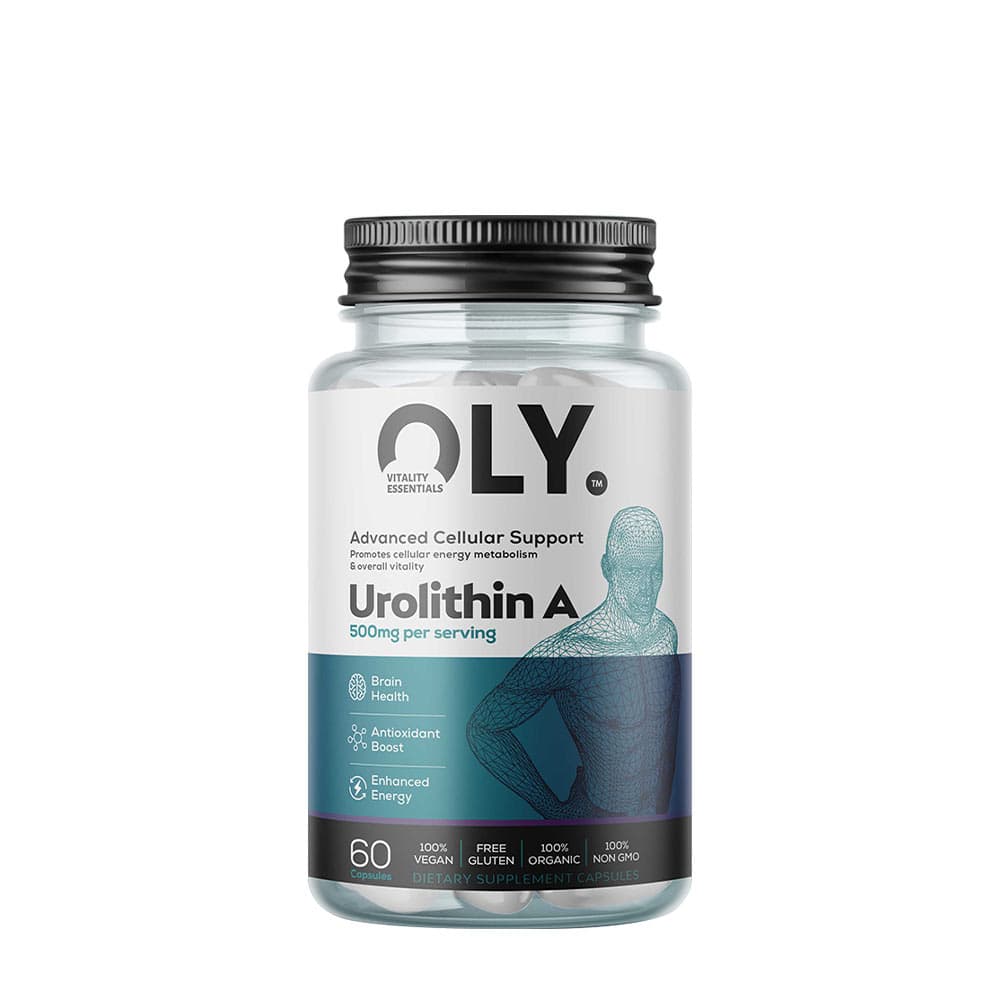
Related entries
Mitochondria
The powerhouses of the cell producing 90% of the body's energy (ATP). Mitochondrial dysfunction is a central mechanism behind ageing.
Pomegranate
Granatäpple – definition and facts in our glossary. Antioxidant-rich superfruit with unique punicalagins.
PQQ
PQQ – definition and facts in our glossary. Pyrroloquinoline quinone 2D a cofactor that stimulates mitochondrial biogenesis (formation of new mitochondria).