Wheatgrass
Young wheat shoots rich in chlorophyll, enzymes, vitamins, and minerals. Gluten-free despite originating from wheat.
What is Wheatgrass?
Wheatgrass, or Triticum aestivum, is the young shoots of wheat harvested before they flower. These green shoots are rich in chlorophyll, enzymes, vitamins, and minerals, making them a popular superfood. Although they come from wheat, they are gluten-free, making them an excellent option for people with gluten intolerance or coeliac disease.
How does it work in the body?
Wheatgrass is a concentrated source of nutrients that can support various bodily functions. Additionally, wheatgrass contains a variety of enzymes that can aid digestion and metabolism.
Scientific benefits
Several studies have investigated the potential health benefits of wheatgrass. Here are some of the most prominent benefits:
Dosage and recommendations
The recommended dosage of wheatgrass can vary depending on the form and individual needs. Generally, a dose of 1-2 teaspoons of powder per day is a good starting point. If using wheatgrass in juice form, 30-60 ml per day may be sufficient. It is always best to start with a lower dose and increase gradually.
Best sources and forms
Wheatgrass is available in several forms, including powder, capsules, and fresh juice. When choosing a product, it is important to ensure it is of high quality and free from additives. Fresh wheatgrass juice is often the most nutrient-rich form, but powder form is more convenient and long-lasting.
Side effects and warnings
Wheatgrass is generally safe for most people, but some may experience mild side effects such as nausea or stomach discomfort. If you are allergic to wheat or have a sensitivity to grasses, it may be best to avoid wheatgrass. Always consult a doctor before starting new supplements, especially if you have underlying health conditions or are taking medications.
Frequently asked questions
Is wheatgrass gluten-free?
Yes, wheatgrass is gluten-free despite originating from wheat, as it is harvested before the grain matures and develops gluten.
How can I include wheatgrass in my diet?
Wheatgrass can easily be added to smoothies, juices, or used as a powdered supplement in various dishes.
Products containing Wheatgrass
Show all 8 →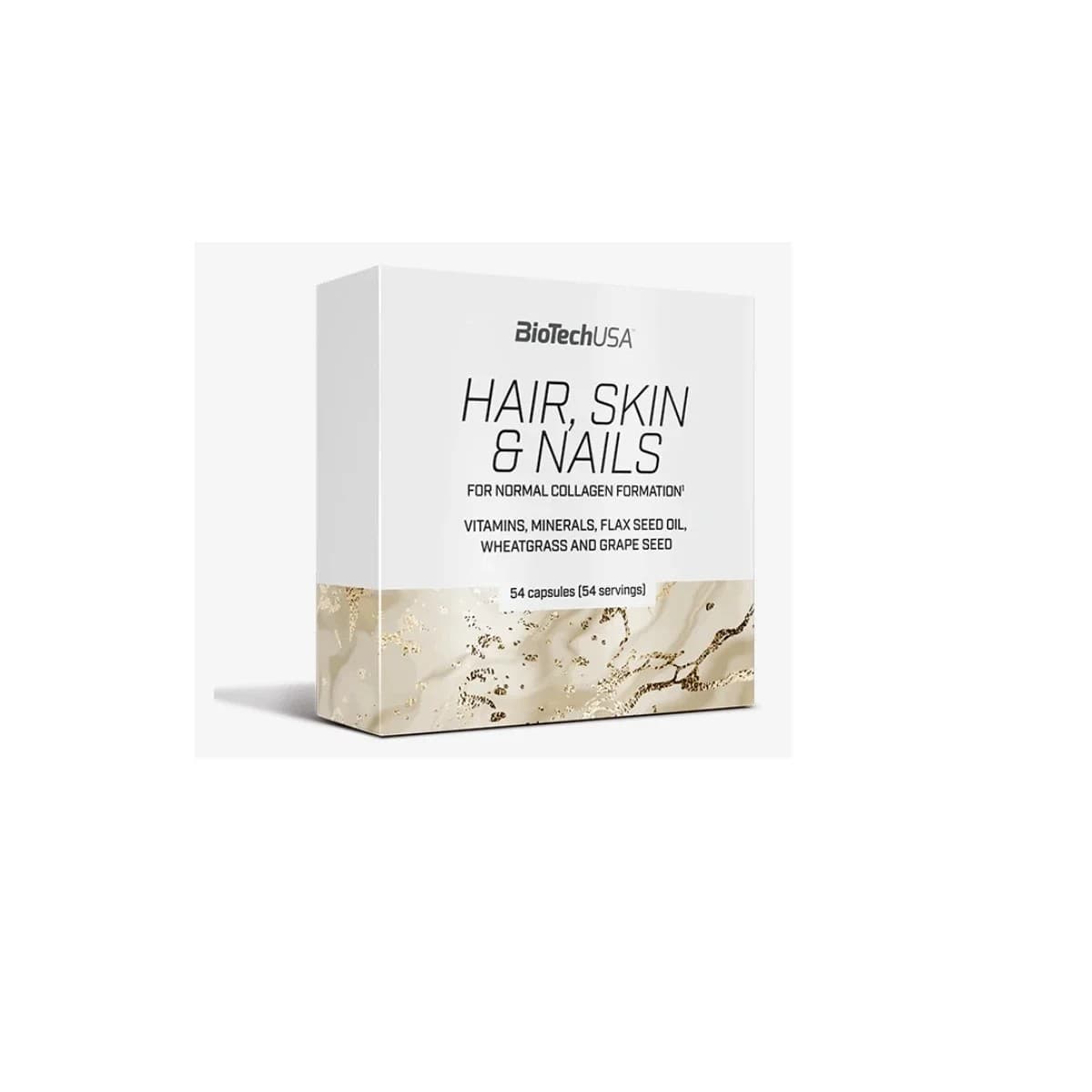
BioTechUSA - Hair, Skin & Nails - 54 Caps
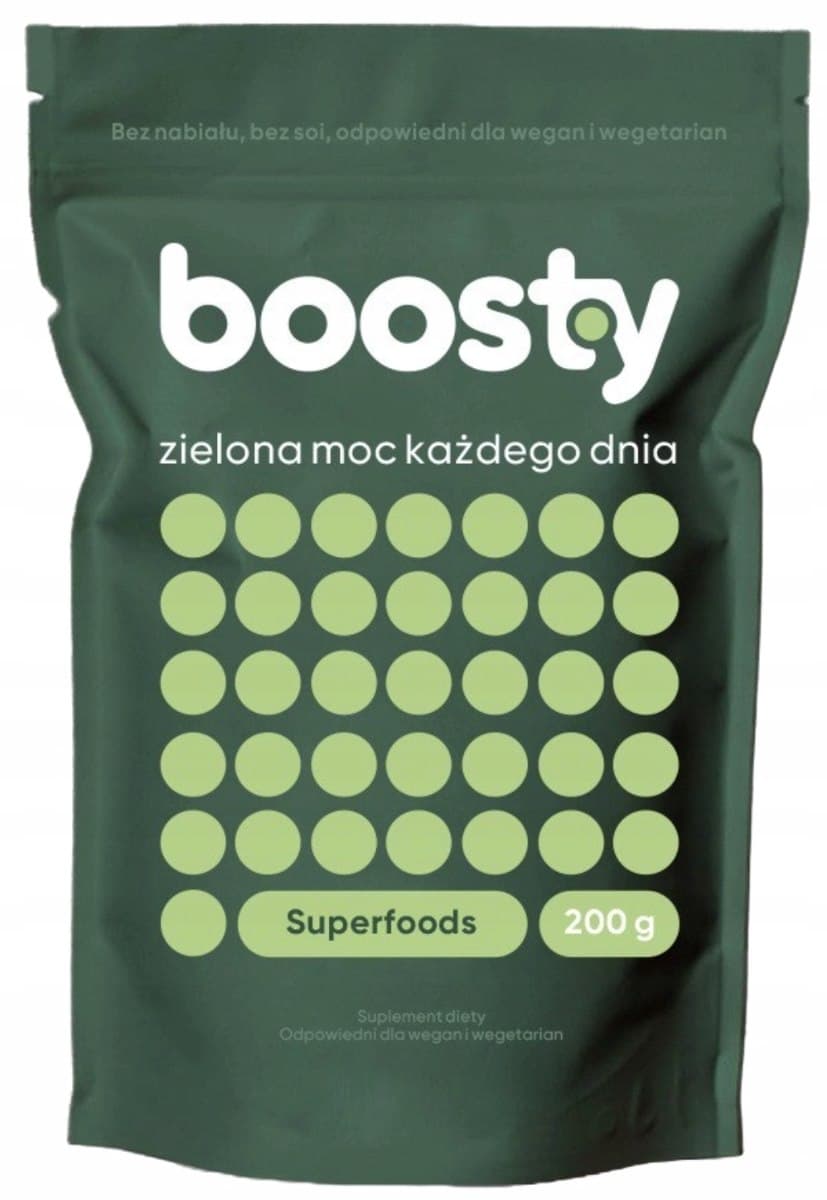
Boosty - Green Power Superfoods - 200g

KIKI Health - Nature'S Living Superfood

Kaged Muscle - Outlive 100, Apple Cinnamon - 510g
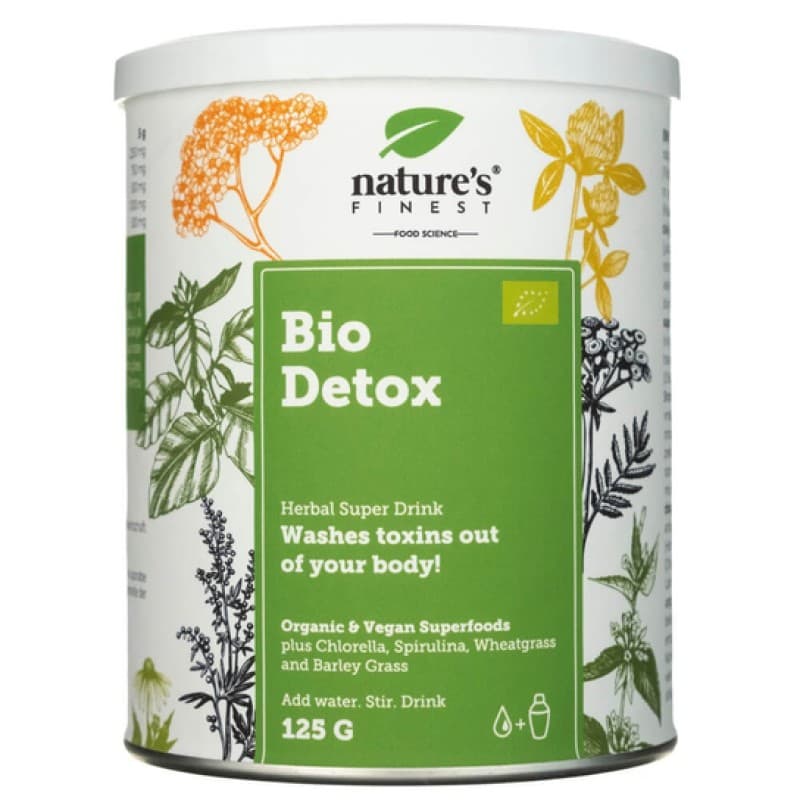
NUTRISSLIM D.O.O. - Nature's Finest Bio Detox 125 g

Universal Nutrition - Daily Greens - 30 Packs
Related entries
Barley Grass Juice
Juice from young barley plants, even more nutrient-dense than wheatgrass. Rich in SOD enzyme, vitamins, and minerals.
Spirulina
Blue-green algae extremely rich in protein (60-70%), B12, iron, and the antioxidant phycocyanin. One of the world's most nutrient-dense foods.
Chlorophyll
Information about Chlorophyll will be updated shortly.