Vitamin B1
Thiamine — water-soluble vitamin necessary for carbohydrate metabolism and nerve function. Deficiency can cause beriberi.
What is Vitamin B1?
Vitamin B1, also known as thiamine, is a water-soluble vitamin that plays a crucial role in the body's carbohydrate metabolism. It is necessary for converting carbohydrates into energy, making it important for both physical and mental functions of the body.
How does it work in the body?
Thiamine acts as a coenzyme in several metabolic processes, particularly in the conversion of glucose to energy.
Scientific benefits
According to a study published in the American Journal of Clinical Nutrition, thiamine deficiency is linked to neurological disorders, which can lead to conditions such as Wernicke-Korsakoff syndrome.
- Support for the nervous system: Thiamine helps produce neurotransmitters necessary for normal nerve function.
Dosage and recommendations
The recommended daily dose of vitamin B1 varies depending on age, sex, and lifestyle. For adults, the recommended dose is approximately 1.1 mg per day for women and 1.2 mg per day for men. Pregnant and breastfeeding women may require higher doses. It is always wise to consult a doctor or dietitian before starting supplements.
Best sources and forms
Vitamin B1 is naturally found in many foods. Some of the best sources include:
- Whole grain products such as bread and pasta
- Beans and lentils
- Nuts and seeds
- Pork and liver
- Vegetables such as asparagus and broccoli
It is also possible to take vitamin B1 as a supplement in the form of thiamine or thiamine mononitrate. These supplements can be useful for people with increased needs or those who have difficulty obtaining enough through diet.
Side effects and warnings
Vitamin B1 is generally considered safe when taken in recommended doses. Excessive intake of thiamine through supplements is rare and may cause mild side effects such as headache, irritability, or allergic reactions in rare cases. Individuals with certain medical conditions should consult a doctor before starting supplements, especially if they have kidney problems.
Frequently asked questions
What are the symptoms of thiamine deficiency?
Symptoms of thiamine deficiency can include fatigue, confusion, nerve pain, muscle weakness, and in severe cases, beriberi, which affects the heart and nervous system.
Can I get enough vitamin B1 from my diet?
Yes, if you eat a balanced diet that includes whole grain products, beans, nuts, and meat, you should be able to get enough vitamin B1 without needing supplements.
Is vitamin B1 good for energy levels?
Can vitamin B1 help with stress?
Some research suggests that vitamin B1 may have a positive effect on the nervous system and thus potentially help manage stress and anxiety, but more research is needed to confirm these effects.
Is it safe to take vitamin B1 as a supplement?
Yes, vitamin B1 is generally safe to take as a supplement in recommended doses. It is always best to consult a doctor if you have any health issues or are taking other medications.
Products containing Vitamin B1
Show all 1 →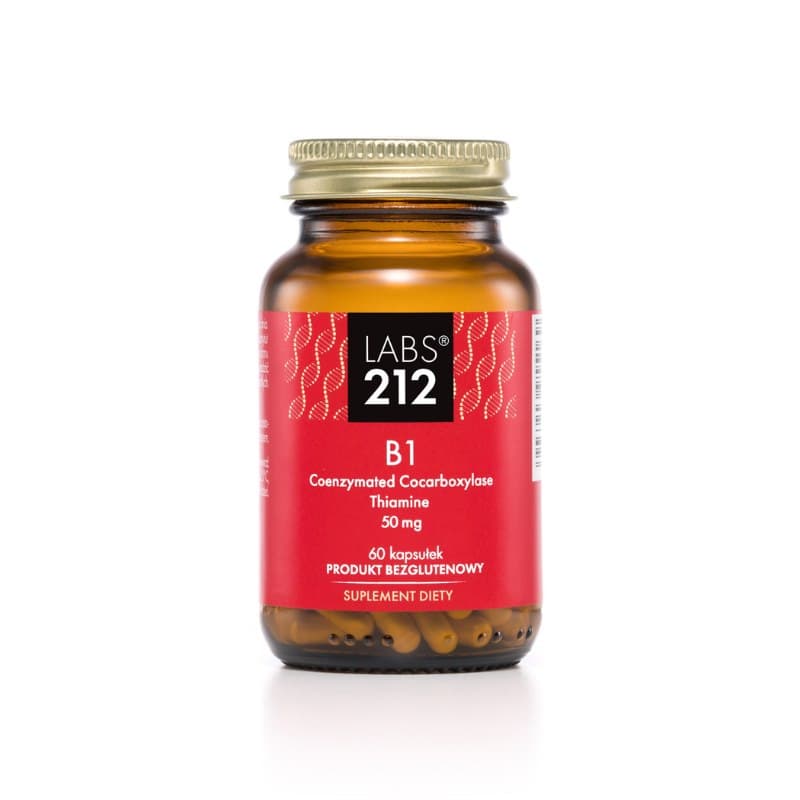
Related entries
B vitamins
Information about B vitamins will be updated shortly.
Vitamin B2
Vitamin B2 – definition and facts in our glossary. Causes yellow urine.
Vitamin B6
Vitamin B6 (pyridoxine) participates in 150+ enzymatic reactions. Important for amino acid metabolism, serotonin production, immune function, and haemoglobin formation.