Vitamin B6
Vitamin B6 (pyridoxine) participates in 150+ enzymatic reactions. Important for amino acid metabolism, serotonin production, immune function, and haemoglobin formation.
What is Vitamin B6?
Vitamin B6, also known as pyridoxine, is a water-soluble vitamin that plays a central role in several important biological processes in the body. It is one of the eight B vitamins and is involved in over 150 enzymatic reactions.
How does it work in the body?
Vitamin B6 acts as a cofactor for many enzymes involved in protein, fat, and carbohydrate metabolism. It assists in the conversion of amino acids, which is important for creating proteins and neurotransmitters. Additionally, the vitamin is necessary for the synthesis of haemoglobin, the protein that transports oxygen in the blood, as well as for the production of serotonin, a neurotransmitter that affects mood and sleep.
Scientific benefits
Several studies have demonstrated the potential health benefits of vitamin B6:
Dosage and recommendations
The recommended daily intake (RDI) of vitamin B6 varies depending on age and sex. For adults, it is generally recommended to consume:
- Women: 1.2 mg - 1.5 mg per day
- Men: 1.3 mg - 2 mg per day
It is important to note that these values may vary depending on individual needs, diet, and health status.
Best sources and forms
Vitamin B6 is found in many foods, making it relatively easy to obtain sufficient amounts through a balanced diet. Some of the best sources include:
- Chicken and turkey
- Fish, especially salmon and tuna
- Potatoes and other starchy vegetables
- Bananas
- Legumes such as chickpeas and lentils
- Nuts and seeds
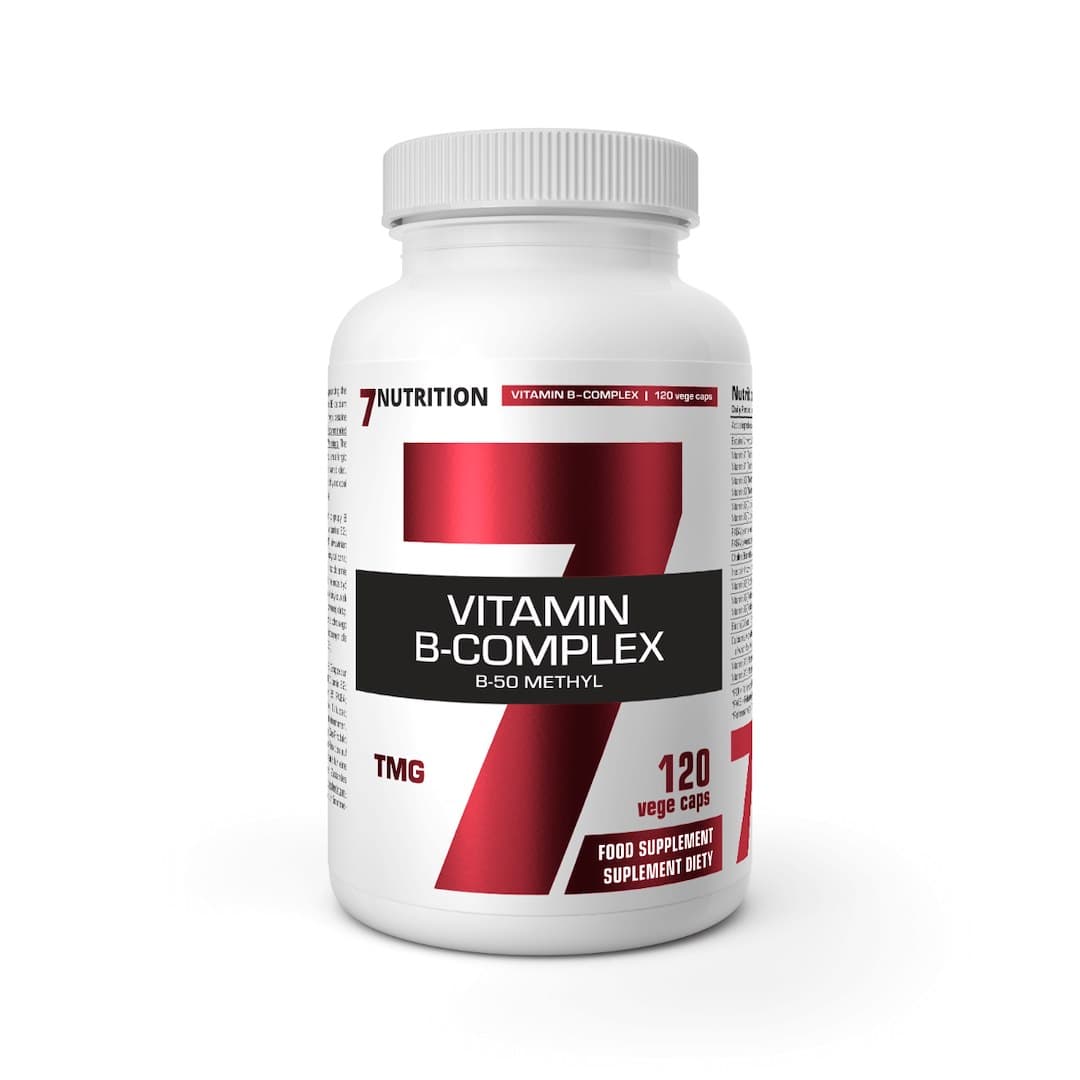
There are also dietary supplements containing vitamin B6, available in both tablets and capsules. It is always advisable to consult a doctor before starting any supplements.
Side effects and warnings
Vitamin B6 is generally safe when taken at recommended doses. Exceeding the recommended intake can lead to side effects, including:
- Nerve damage (neuropathy) with long-term intake of very high doses
- Nausea and gastrointestinal issues
- Increased sensitivity to sunlight
It is always important to follow guidelines and consult a doctor if unsure.
Frequently asked questions
What are the symptoms of vitamin B6 deficiency?
Symptoms of deficiency may include fatigue, irritability, depression, impaired immune function, and skin rashes. Severe deficiencies can lead to anaemia and peripheral neuropathies.
Can I get enough vitamin B6 from my diet?
Yes, most people can obtain sufficient vitamin B6 through a varied and balanced diet that includes protein-rich foods, fruits, and vegetables.
Is it safe to take vitamin B6 supplements?
Taking vitamin B6 supplements is generally safe, but it is important not to exceed the recommended doses without consulting a doctor.
How does vitamin B6 affect my sleep?
Can vitamin B6 help with PMS?
Some studies have shown that vitamin B6 may alleviate PMS symptoms, but more research is needed to establish its effectiveness and optimal dosages for this purpose.