Carbohydrate Foods: What to Know and How to Choose
Short answer
The best everyday carbohydrate foods are the ones that stay close to their original form, such as beans, lentils, oats, barley, brown rice, potatoes with skin, fruit and vegetables. For adults, the guidance here points to 45–60% of energy from carbohydrate and 25 g of fibre a day.
Quick facts
- EFSA places carbohydrate at 45–60% of total energy intake.
- EFSA says 25 g/day of dietary fibre is adequate for normal bowel function in adults.
- Wholegrain cereals, pulses, fruit, vegetables and potatoes are key fibre sources.
- Brown rice, wholewheat pasta and wholemeal bread are better everyday picks than refined versions.
- Fibre should be increased gradually and taken with plenty of fluid.
- Cooked rice should be cooled within an hour, refrigerated and reheated thoroughly only once.
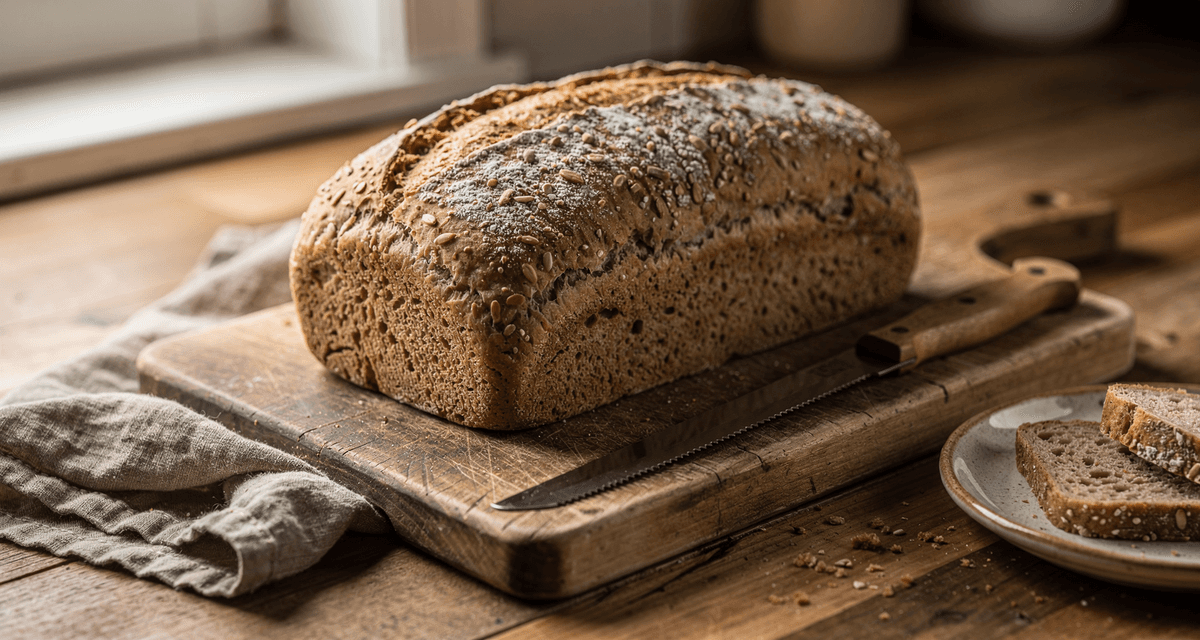
What counts as carbohydrate foods, and which are best?
EFSA groups carbohydrates into total carbohydrates from starchy foods such as potatoes and pasta and simple carbohydrates such as sugars, while its fibre materials point to whole grain cereals, pulses, fruit, vegetables and potatoes as the main fibre sources EFSA dietary reference values for carbohydrates and fibre EFSA summary report. In practice, the strongest everyday choices are the foods that stay close to their original form: beans, lentils, oats, barley, brown rice, potatoes with skin, fruit and vegetables EFSA summary report NHS starchy foods guidance.
Wholegrain gives you more of the grain
| Type | How to recognise it | Examples named in guidance |
|---|---|---|
| Wholegrain and minimally processed | Retains more of the grain or plant structure; higher in fibre | Wholegrain cereals, oats, barley, brown rice, wholewheat pasta, wholemeal bread, beans, lentils, potatoes with skin |
What to put in the basket
The NHS specifically highlights wholegrain cereals, brown rice, oats, wholewheat pasta, seeded or wholemeal breads and potatoes eaten with their skin on. It also notes that many cereal products in the UK are refined and can be high in added salt and sugar, so labels are worth checking NHS starchy foods guidance. EFSA and EU guidance point in the same direction: the main fibre sources are whole grain cereals, pulses, fruit, vegetables and potatoes EFSA summary report.
Choose wholegrain cereals, pulses, fruit, vegetables and potatoes with skin first; use white bread, white rice and sugary products less often.
How much carbohydrate do adults need each day?
What carbohydrate does in the diet
EFSA classifies carbohydrate as an energy-yielding macronutrient and defines its Reference Intake as a proportion of energy derived from that nutrient, rather than as a fixed gram target for every person EFSA Reference Intake range. Its 2010 dietary reference values say total carbohydrate intake should range from 45 to 60% of total energy intake for both adults and children EFSA dietary reference values for carbohydrates.
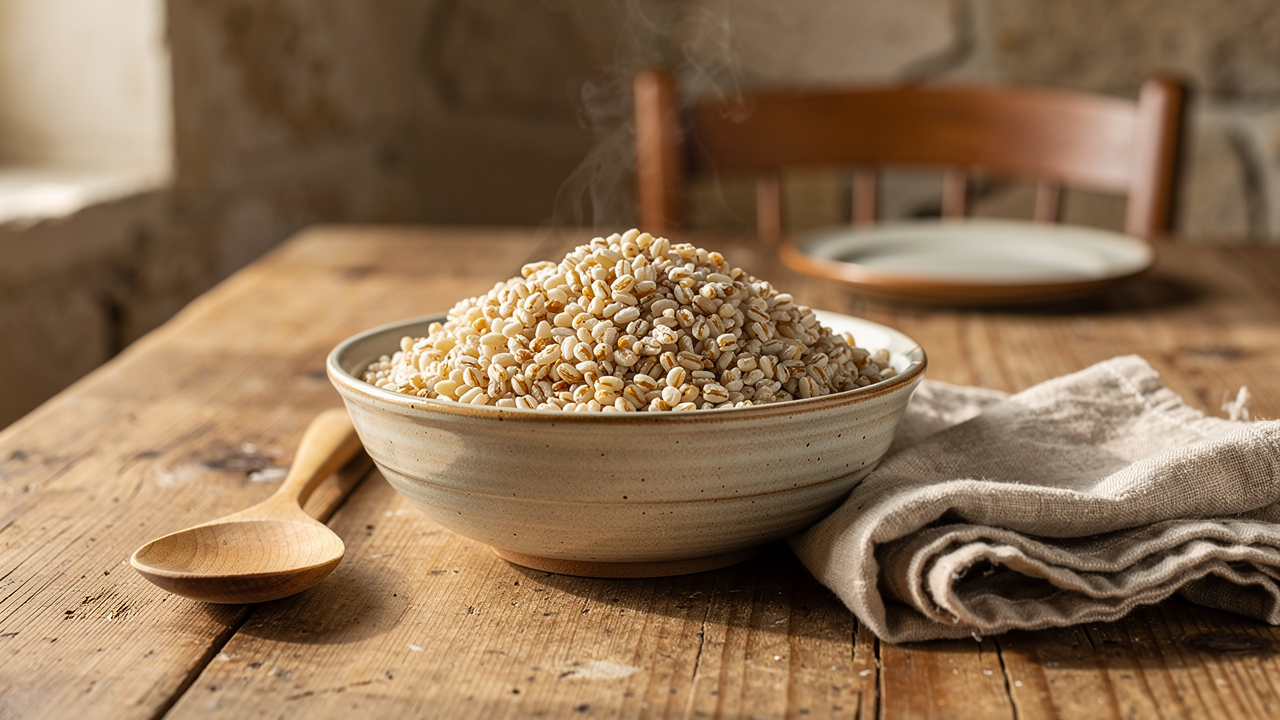
Fibre also counts as carbohydrate, but it is not handled the same way as starch: the EU definition used by K4P describes fibre as carbohydrate polymers that are neither digested nor absorbed in the human small intestine K4P Dietary Fibre. That same brief notes that fibre intake is associated with gastrointestinal health and that recommended intakes are often expressed as adequate intake values rather than a single universal target K4P Dietary Fibre.
The main adult reference values
| Authority | Adult reference value | How it is framed |
|---|---|---|
| EFSA | 45–60% of total energy intake from carbohydrate | Energy share for adults and children |
| EFSA | 25 g/day of dietary fibre | Adequate for normal bowel function in adults |
| K4P summary of organisational guidance | 25–38 g/day of dietary fibre | Range cited for adult recommendations across organisations |
| K4P | Grams per megajoule or per 1000 kcal | Alternative way some organisations express fibre guidance |
EFSA says the 45 to 60% carbohydrate range includes carbohydrates from starchy foods such as potatoes and pasta, as well as simple carbohydrates such as sugars EFSA dietary reference values for carbohydrates. It also states that evidence is insufficient to set an upper limit for sugars, and that policy makers should consider patterns of food consumption rather than the total sugar intake alone EFSA dietary reference values for carbohydrates.
Why there is no single best macro split
The authorities cited here do not give one ideal carbohydrate split for every adult. Instead, they give a range for total carbohydrate and an adequate intake for fibre, while K4P notes that adult fibre advice is often presented as a range across organisations and sometimes per unit of energy K4P Dietary Fibre. That is a signal to look at the whole food pattern, not just one number on a label EFSA dietary reference values for carbohydrates.
EFSA also notes that evidence is still inconclusive on the role of glycaemic index and glycaemic load in maintaining weight and preventing diet-related diseases EFSA dietary reference values for carbohydrates. The practical takeaway is that carbohydrate guidance is range-based, not one-size-fits-all.
For adults, the clearest evidence-based targets here are 45–60% of energy from carbohydrate and 25 g/day of fibre, with higher fibre ranges commonly used in public-health guidance EFSA K4P.
Because these values are expressed as ranges and adequate intakes, the right fit depends on the overall pattern of foods consumed rather than a single universal macro split EFSA dietary reference values for carbohydrates.
Which starchy carbohydrates foods are worth choosing?
Starchy foods should make up just over a third of what you eat, and the NHS says to choose wholegrain varieties where you can, with potatoes eaten skin-on for more fibre NHS guidance on starchy foods and carbohydrates. On a practical shopping list, that means potatoes, bread, rice, pasta and cereals, plus wholegrain picks such as oats, barley, couscous and bulgur wheat; the NHS also lists corn and tapioca among healthy cereal products NHS guidance on starchy foods and carbohydrates.
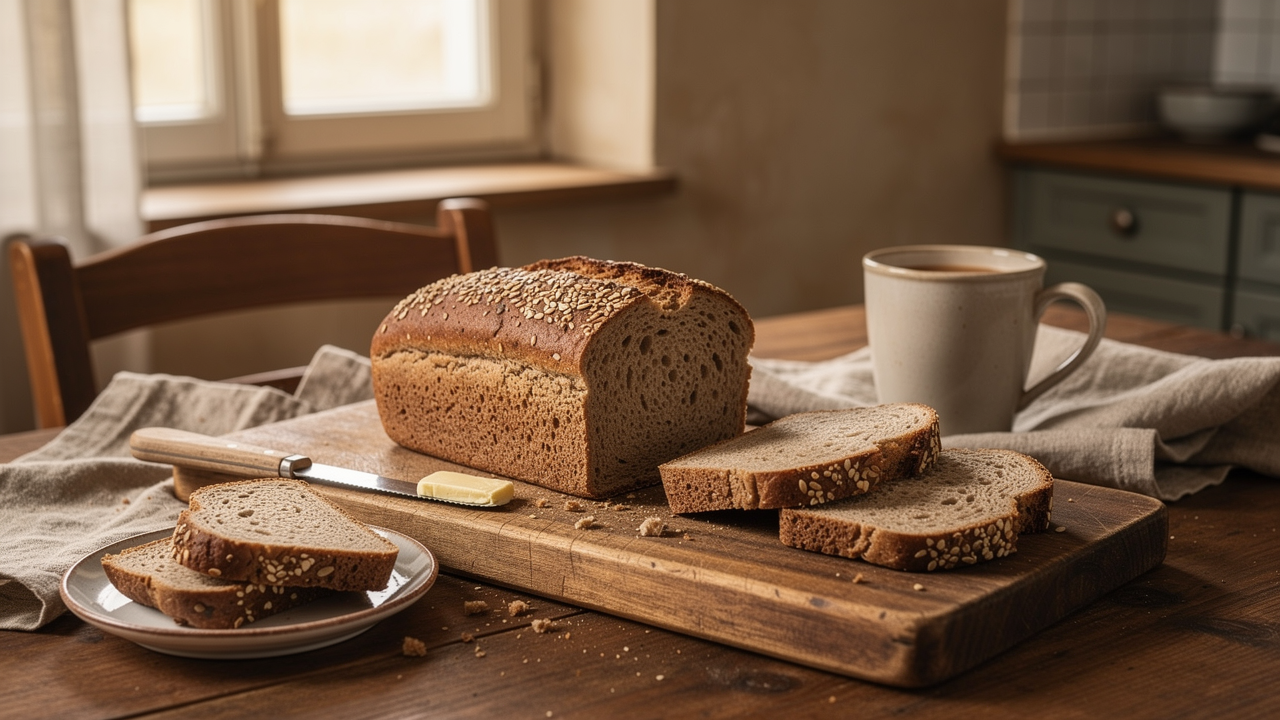
What to put in the basket
| Food form | Better choice | What changes |
|---|---|---|
| Bread | Wholemeal, granary, brown or seeded | More fibre and a slower rise in blood glucose than white bread NHS guidance on starchy foods and carbohydrates |
| Rice | Brown or wholegrain | More fibre; digests more slowly than refined rice NHS guidance on starchy foods and carbohydrates |
| Pasta | Wholewheat or wholegrain | More fibre and slower digestion than ordinary pasta NHS guidance on starchy foods and carbohydrates |
| Potatoes | Baked, boiled, mashed or roasted with skin on | More fibre and vitamins than peeled potatoes NHS guidance on starchy foods and carbohydrates |
Wholegrain versus refined
Wholegrain foods keep the bran, germ and endosperm, while refined versions lose some of that structure; the NHS says wholegrain starchy foods and potatoes with skin are good sources of fibre, and that fibre helps food move through the gut and can help you feel full NHS guidance on starchy foods and carbohydrates. The same page says wholegrain bread, brown rice and wholewheat pasta are digested more slowly than refined versions, which is why they tend to produce slower blood-glucose rises and steadier energy NHS guidance on starchy foods and carbohydrates; CUH adds that the more processed a carbohydrate is, the faster the rise in blood glucose after eating CUH carbohydrates guidance.
Simple upgrades that make a difference
Small swaps are enough: leave potato skins on, choose wholegrain bread and cereals, and use brown rice or wholewheat pasta instead of white versions NHS guidance on starchy foods and carbohydrates. If you cook rice or grains ahead of time, cool them within an hour, refrigerate them, and reheat them thoroughly only once; the NHS warns that rice left at room temperature overnight should be thrown away NHS guidance on starchy foods and carbohydrates.
Wholegrain starches, skin-on potatoes and less-processed grains give you more fibre per bite and are usually the easier choice for fullness NHS guidance on starchy foods and carbohydrates.
For a more balanced meal, the NHS suggests keeping the vegetables on the plate and using only a small amount of added fat; its potato advice specifically mentions lower-fat or unsaturated oils such as olive or sunflower oil NHS guidance on starchy foods and carbohydrates. CUH also notes that protein foods can help you feel fuller for longer, so pairing starch with beans and pulses, tofu, lean meat or low-fat dairy can make a meal more satisfying without relying on extra sauce or refined sides CUH carbohydrates guidance.
Are 'natural' and organic foods better carb choices?
In EU food law, organic is a regulated production system, not a nutrient shortcut. The rules cover farming and food production, and the 2018 update for processed organic foods says products must be made from organic ingredients, processing should be gentle, additives should be minimised, and the method should not mislead about the product’s nature. Those rules say how the food is produced; they do not set sugar or fibre targets.
EFSA’s “organic compound” glossary uses the scientific meaning of organic as a carbon-containing chemical substance, which is different from the food-label word “organic.” That difference is useful when you read carbohydrate foods: the label can describe origin or production, but it does not tell you whether a food is low in sugar, high in fibre, or a better choice than another product.
What to check on the pack
EU food information rules focus on helping consumers make informed choices.
| Check | What to look for | Why it helps |
|---|---|---|
| Organic label | Certification and production rules | Shows the food follows the organic system |
| Fibre wording | How fibre is defined or measured | Fibre values can vary by definition and method |
What “natural carb foods” usually means
For searches about natural carbohydrate foods, the clearest whole-food groups in the retrieved EFSA material are foods such as fruit, vegetables, grains and dairy, which EFSA lists as carbohydrate-containing foods. The label itself still does not tell you whether the food is built from whole ingredients or from refined starches and sweeteners.
If you are comparing two carb foods, the practical test is simple: look past the label word and compare the recipe and nutrition panel side by side.
Can carbs help constipation, and what is best natural laxative?
The most useful food-based approach is not a single “detox” item, but a steady pattern of fibre plus fluid. CUH explains that insoluble fibre from whole grains and skins increases stool size, while soluble fibre from oats, beans and pulses softens and bulks the stool so it is easier to pass when the person is sufficiently hydrated: CUH on fibre and constipation. EFSA’s review says 25 grams of dietary fibre a day is adequate for normal bowel function in adults, and notes benefits at higher intakes as well: EFSA on dietary reference values.
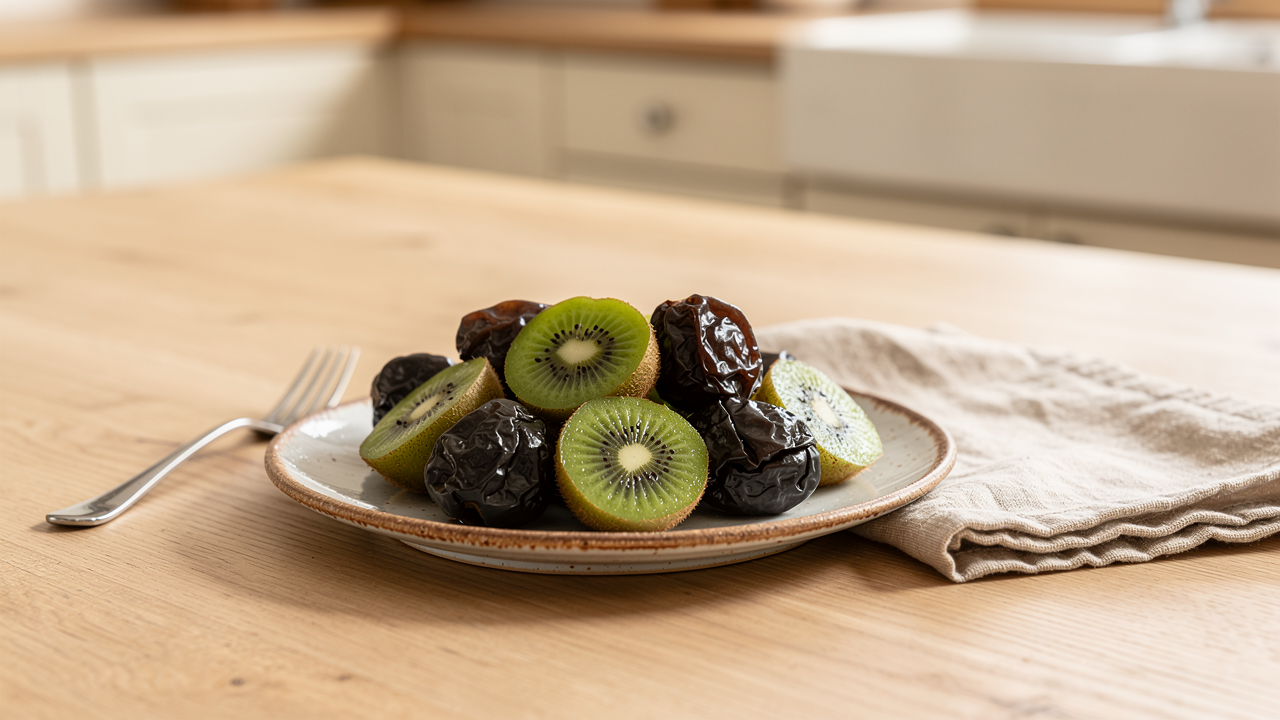
“It may take as long as four weeks for the benefits to be seen.” CUH on constipation and fibre
The foods with the clearest support
In these sources, prunes and kiwifruit are the foods most directly linked with easier bowel movements. CUH reports that 9–10 prunes a day increased stool frequency, softened stools and reduced straining in severe cases, and that 2–3 kiwis a day increased stool mass and helped harder stools. East Cheshire NHS also suggests 1–2 kiwifruit a day and a small portion of prunes as useful options: CUH on prunes and kiwis, East Cheshire NHS on constipation foods.
| Food or pattern | What the source says | Practical reading |
|---|---|---|
| Prunes | 9–10 a day were linked with softer stools and less straining | Best used regularly, not as a one-off |
| Kiwifruit | 2–3 a day increased stool mass | Often paired with higher fibre intake |
| Pears and other sorbitol fruit | Fruit high in sorbitol includes pears, plums and prunes | Sorbitol helps draw water into the bowel |
| Oats, beans and pulses | Soluble fibre softens and bulks stool | Useful at breakfast, lunch and dinner |
| Flaxseed | Linseeds can help make stools softer and easier to pass | Increase gradually with water |
How to build a constipation-friendly day
CUH recommends increasing fibre gradually to minimise bloating, aiming for soluble fibre such as oats, fruit, vegetables and linseeds, plus plenty of fluid. East Cheshire NHS advises regular meals, drinking about six to eight glasses of fluid a day, and choosing fibre-rich foods instead of processed foods: CUH constipation guidance, East Cheshire NHS constipation guidance.
A simple pattern is to start the day with porridge or wholegrain cereal, include beans or lentils in a meal, add fruit such as pears, plums or kiwi, and keep water or another fluid alongside those foods. That approach matches the mechanism in the guidance: fibre needs water to work well, and regular intake gives the bowel time to respond.
Who should limit carbs or take extra care?
EFSA says carbohydrate reference values are expressed as a proportion of energy rather than a single gram target, and its glossary defines reference intake ranges as amounts that are adequate for maintaining health. The same EFSA material says 25 grams of dietary fibre a day is adequate for normal bowel function in adults, while the EU health-promotion gateway says adult fibre recommendations range from 25 to 38 grams a day and children’s values vary with energy requirements. EFSA reference intake range EFSA dietary reference values EU dietary fibre overview
When carbohydrate changes meet glucose treatment
The FDA’s diabetes-and-pregnancy reference says carbohydrate management must account for both hyperglycaemia and hypoglycaemia. That is the clearest sign in the retrieved sources that major changes in carbohydrate intake should not be treated as a food-only decision when blood glucose is already being actively managed. FDA diabetes and pregnancy reference
The retrieved sources do not name insulin or sulfonylureas, so they do not give a drug-by-drug rule here; what they do show is that carbohydrate advice belongs with glucose control, not apart from it. FDA diabetes and pregnancy reference
Fibre should rise gradually, not all at once
It also says that if you already have gastrointestinal problems, abdominal pain, discomfort or bloating, you should discuss whether to increase fibre intake with a health professional.
| Situation | What the retrieved sources support | Reader takeaway |
|---|---|---|
| Glucose-lowering treatment | FDA says carbohydrate management must avoid both high and low blood glucose. FDA diabetes and pregnancy reference | Large carbohydrate changes should be matched to the treatment plan. |
| Children | Fibre needs vary with energy requirements. EU dietary fibre overview | A child’s carb pattern should not be copied from an adult’s. |
| Kidney disease, breastfeeding, older adults, eating-disorder history | The retrieved sources do not give one fixed carbohydrate rule for these groups. EFSA reference intake range | These are not one-size-fits-all situations. |
| Gluten-related conditions or intolerance | The retrieved sources here do not give gluten-specific carbohydrate guidance. | Grain choices may need separate advice before cutting carbs further. |
When carbohydrate intake changes, the main issues in the retrieved sources are glucose control, fibre tolerance and life-stage differences, not a single universal carb rule.
Safety and precautions
Increase fibre gradually and drink enough fluid, especially if you are moving toward more wholegrain foods, beans, lentils, fruit or seeds. If you have abdominal pain, discomfort or bloating, get advice from a health professional before increasing fibre further.
If you take medicine that affects blood glucose, or if you are pregnant or choosing foods for children, get healthcare advice before making major changes to carbohydrate intake. Rice should be cooled within an hour, refrigerated and reheated thoroughly only once; rice left at room temperature overnight should be thrown away.
Frequently asked questions
Can dogs eat carbohydrate foods from the human kitchen?
This article does not cover dogs or pet feeding. It only discusses carbohydrate foods for people, so it does not say whether human kitchen carbohydrate foods are suitable for dogs.
Do dogs need carbohydrates in their diet?
This article does not discuss dog nutrition. It gives guidance on carbohydrate intake for people, not on whether dogs need carbohydrates.
What are safe natural dog food treats?
It focuses on human carbohydrate foods such as wholegrain cereals, pulses, fruit, vegetables and potatoes with skin.
Is there a natural food that works like Viagra?
This article does not discuss Viagra or any food that works like it. It only covers how to choose carbohydrate foods and fibre-rich options.
Where can I buy natural foods in Cork?
This article does not give location-specific buying information. It explains which carbohydrate foods are better choices, but it does not say where to buy them in Cork.
Sources
- Dietary Reference Values for nutrients Summary report (external link)
- Starchy foods and carbohydrates (external link)
- EFSA sets European dietary reference values for nutrient intakes | EFSA (external link)
- National Severe Insulin Resistance Service - Carbohydrates | CUH (external link)
- Dietary Fibre | Knowledge4Policy (K4P) (external link)
- Improving bowel function in constipation | CUH (external link)
- IBS - Constipation :: East Cheshire NHS Trust (external link)
- Diabetes Mellitus and Pregnancy³ (external link)
- Reference intake range (RI) | EFSA (external link)
- Regulation - 1169/2011 - EN - Food Information to Consumers Regulation - EUR-Lex (external link)
- Regulation - 834/2007 - EN - EUR-Lex (external link)
- CL2018R0848EN0040010.0001_cp 1..1 (external link)
- organic compound | EFSA (external link)
- carbohydrates | EFSA (external link)