What should you know about vitamin C powder?
Short answer
Vitamin C powder is a measured powder form of the same essential nutrient, so the main difference is practical rather than nutritional. The label matters most: check the exact source, serving size, and any added ingredients before you buy or use it.
Quick facts
- Vitamin C powder is a measured powder form of vitamin C.
- The label should show the source form, serving size, and any added ingredients.
- Moderate intakes are absorbed better than very large intakes.
- A very large scoop is not automatically better than a steady measured serving.
- Dissolved vitamin C is unstable, so mix only what you will use soon.
- High intakes can cause diarrhea, nausea, and abdominal cramps.

What is vitamin C powder, really?
A powder form of the same nutrient
Vitamin C is L-ascorbic acid, a water-soluble essential nutrient that humans cannot make on their own because they have lost the enzyme needed for biosynthesis. The same NIH fact sheet explains that vitamin C acts as a cofactor in collagen synthesis, in L-carnitine and neurotransmitter production, as an antioxidant, and in nonheme iron absorption.
Why some shoppers choose powder instead of tablets
For buyers, the practical difference is format.
| Format | What the label usually shows | What to check |
|---|---|---|
| Powder | A measured vitamin C serving | Vitamin C source, serving size, and any added ingredients |
Why regular intake matters more than one-off large servings
Vitamin C is handled in a dose-dependent way. NIH reports about 70–90% absorption at moderate intakes of 30–180 mg/day, but less than 50% once oral intakes rise above 1 g/day, with excess excreted in urine. Peak blood levels also plateau at higher doses. That means a very large scoop is not automatically a better choice than a steady, measured serving.
For vitamin C powder, the label matters more than the front of the tub: check the source form, the serving size, and whether it is truly a single-ingredient product.
How much vitamin C do you need each day?
Adult figures differ by authority
NIH/ODS uses a different adult reference system: 90 mg/day for men and 75 mg/day for women, with 85 mg/day in pregnancy, 120 mg/day during lactation, and 35 mg/day extra for smokers. For children and teenagers, the NIH fact sheet gives age- and sex-based values from 15 to 115 mg/day. NIH vitamin C fact sheet

| Group | UK NHS | NIH/ODS |
|---|
What EFSA means by a reference intake
EFSA does not frame vitamin C around a single universal adult number. Its dietary reference values use the terms average requirement and population reference intake, and EFSA says the PRI is the intake that is likely to meet the needs of almost all healthy people in a population. The agency also says requirements vary with age, gender and physiological status such as pregnancy and lactation. EFSA dietary reference values
Reference intakes are population targets, not a supplement dose recommendation for every individual.
EFSA’s vitamin C opinion also notes that requirements may differ by life stage, with age taken into account for children and older adults, and that extra intakes were considered for pregnancy and lactation. The same opinion says the main food contributors for adults are fruits and vegetables, their juices and potatoes. EFSA scientific opinion on vitamin C
What this means in practice
What benefits are authorised and proven?
EFSA also says health claims are authorised only after scientific assessment and used by the European Commission and Member States on food labels and marketing material (EFSA health claims).
The authorised wording is narrow
| Approved wording | Use condition |
|---|
What the biology supports
The public-health evidence agrees that vitamin C has real roles in the body. EFSA’s scientific report likewise notes that vitamin C plays an important role in collagen biosynthesis, is part of the antioxidant defence system, and that deficiency impairs collagen synthesis (EFSA scientific report).
Those are mechanisms and deficiency facts. They explain why correcting low intake is well established, but they do not turn vitamin C powder into a medicine.
What common consumer promises can and cannot say
For colds, NCCIH’s summary of a Cochrane review found that regular vitamin C of at least 0.2 grams per day did not reduce cold incidence in the general population, although some studies found modest reductions in length and severity, and possible benefit during brief severe physical stress (NCCIH common cold review). That is a limited effect, not a disease claim.
For skin, wound healing, and general wellness, the evidence here is more modest: the sources support vitamin C’s role in collagen biology and note poor wound healing in deficiency, but they do not support marketing powder as a broad wellness fix. If a label goes beyond the approved claims above, it is leaving the authorised framework.
Vitamin C powder can support normal function and help correct deficiency, but it is not a medicine.
Which foods still matter most?
| Food group | What to do with the USDA entry | Why it belongs on the shortlist |
|---|
The retrieved USDA excerpt available here does not surface the exact per-100 g numbers for each food, so it is better to rely on the database entry than to estimate. That is especially useful when you are comparing produce by price, pack size or eating occasion, because the same food can look very different once you move from 100 g to a bowl, a handful or a sliced portion.
Storage and heat reduce vitamin C quickly
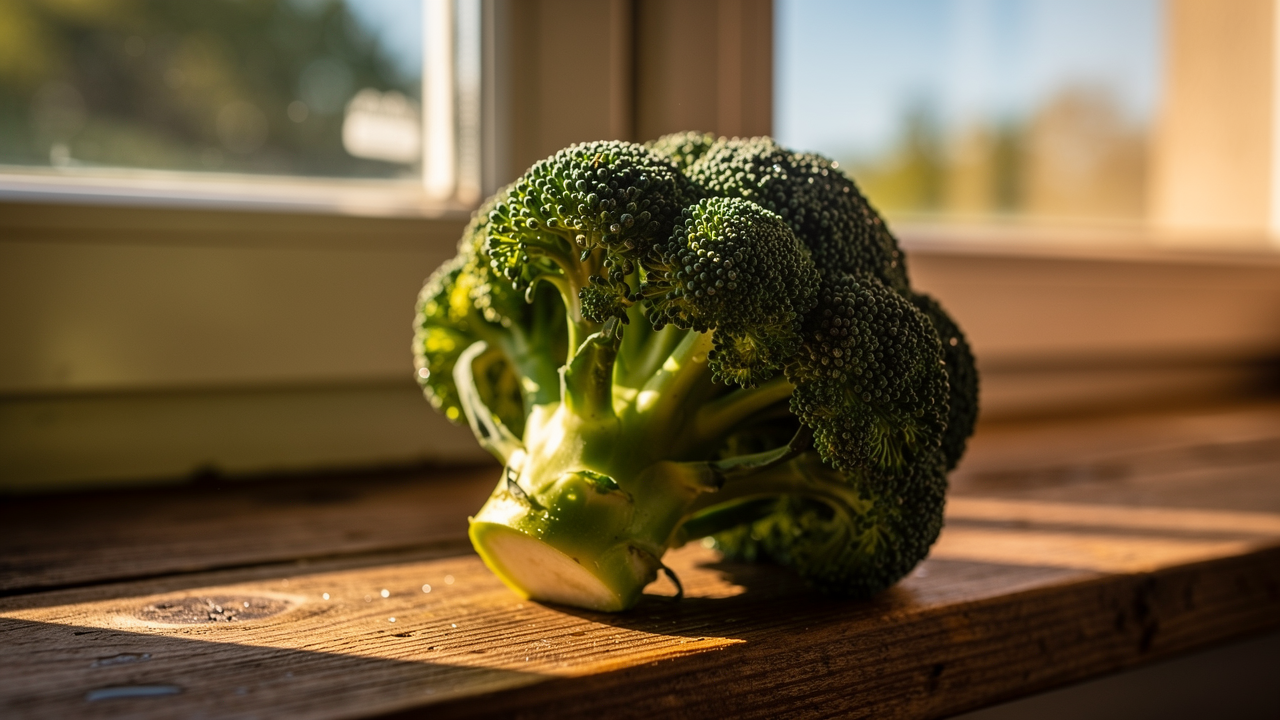
USDA home-canning guidance says many vegetables begin losing some vitamins after harvest; nearly half may be lost within a few days unless the produce is cooled or preserved, and refrigerated produce can lose half or more of some vitamins within 1 to 2 weeks: USDA Complete Guide to Home Canning. The same guidance says heating during canning destroys one-third to one-half of vitamins A and C, and that canned foods can lose another 5% to 20% of these sensitive vitamins each year.
The practical takeaway is straightforward: buy what you will use soon, keep storage short, and avoid long cooking when the goal is to keep vitamin C in the food. The USDA text here does not give a separate percentage for cutting, so the evidence-supported message is that time after harvest and heat are the main drivers of loss in the material retrieved.
Takeaway: the fresher and less heated the produce, the more vitamin C remains by the time you eat it.
What powder adds, and what it does not
EFSA describes food supplements as concentrated sources of nutrients marketed in dose form, and says they should not be used as a substitute for a varied diet. That means a vitamin C powder can give you a measured nutrient ingredient, but it does not replace the fruit or vegetable itself.
So the food-first approach still starts in the produce aisle: use the USDA database for exact per-100 g comparisons, then use powder only when you want the vitamin C ingredient in concentrated form rather than the food.
Which powder form should you choose?
Vitamin C powders are usually sold as ascorbic acid or as salt forms such as sodium ascorbate and calcium ascorbate. NIH ODS says supplements commonly contain those forms, and it also says research has not shown one form to be superior in efficacy; the body uses them as vitamin C, and bioavailability is equivalent across forms. NIH ODS Vitamin C consumer fact sheet
Pure acid versus buffered salt forms
Sodium ascorbate is listed by FDA as “sodium ascorbate,” “sodium L-ascorbate,” and “vitamin C sodium,” and FDA’s food-substance entry shows it is used as a nutrient supplement. EFSA’s food-supplement rules also list sodium-L-ascorbate as an authorised source of vitamin C. FDA Substances Added to Food EFSA food supplements
Calcium ascorbate appears in EFSA’s vitamin C material as one of the salt forms of vitamin C. EFSA vitamin C opinion FDA sodium ascorbate label
What the label can tell you
| Form | What the evidence identifies | What a label clue may look like | What it does not prove |
|---|---|---|---|
| Sodium ascorbate | A sodium salt of vitamin C; authorised in EU supplement rules | “Sodium ascorbate” or “sodium-L-ascorbate” | Not shown to be superior in efficacy |
| Calcium ascorbate | A calcium salt of vitamin C | “Calcium ascorbate” | Not shown to be superior in efficacy |
Single-ingredient or blended formula?
That is the quickest way to compare products: look for the source line, then check whether the label names a single vitamin C source or a blended formula. NIH ODS Vitamin C consumer fact sheet
How should you take and store it?
FDA dietary-supplement rules require the Supplement Facts panel to show the serving size and the amount of vitamin C per serving, and if a specific source is used it may also appear in the ingredients list. That makes the labelled serving size the first reference point for daily use, not a guess made from the spoon or the tub. FDA dietary supplements Q&A
Measure against the labelled serving
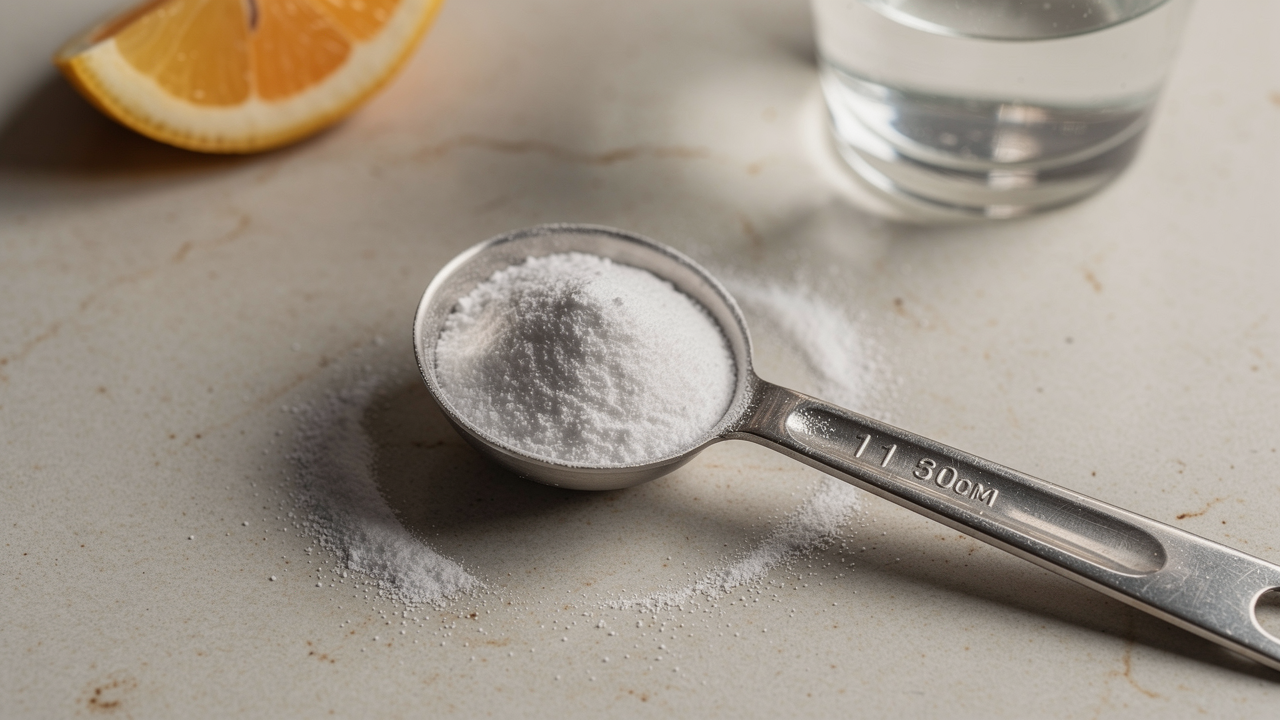
The retrieved public-health pages do not give a vitamin C powder-specific scoop or gram conversion. The clearest powder-based example they do give is NHS Specialist Pharmacy Service guidance for St Mark’s electrolyte solution: it uses accurate spoon measures, is mixed in 1 litre of water, and is sipped through the day. That is not a vitamin C powder instruction, but it shows the standard of exact measurement used for oral powders. NHS SPS: Using St Mark’s electrolyte solution
| Day-to-day step | What the sources support | Why it matters |
|---|---|---|
| Check the label first | FDA requires serving size and amount per serving on the Supplement Facts panel | It gives you the reference amount for the product |
| Measure precisely | NHS SPS uses accurate spoon measures in a powder-based oral solution | It avoids estimating a dose by eye |
Mix only what you will use soon
Once vitamin C is dissolved, the FDA ORA Lab Manual describes L-ascorbic acid in solution as very unstable. FDA ORA Lab Manual, nutrient analysis
The retrieved sources do not give a vitamin C powder-specific instruction to take it with food. EFSA tolerable upper intake report NIH Vitamin C Health Professional Fact Sheet
Store the powder and the mixed liquid differently
The source set is clearer about the mixed liquid than the dry powder. NHS SPS says its prepared St Mark’s solution can be kept at room temperature or in the fridge, while the FDA source warns that dissolved L-ascorbic acid is unstable. The retrieved public-health pages do not give a vitamin C powder-specific checklist for heat, light or moisture on the dry product itself. NHS SPS: Using St Mark’s electrolyte solution FDA ORA Lab Manual, nutrient analysis
Measure to the label, mix only what you will use now, and treat any prepared liquid as short-lived.
What are the safety issues?
Digestive side effects are the main problem
NCCIH says vitamin C is generally considered safe, but high doses can cause diarrhea, nausea, and abdominal cramps. EFSA’s upper-intake opinion adds that supplemental intakes up to about 1 g/day were not linked with adverse gastrointestinal effects in the evidence it reviewed, while acute gastrointestinal effects such as diarrhoea and flatulence may occur at about 3–4 g/day or more. For a powder, the practical risk is that a serving can rise quickly if you keep adding scoops. NCCIH common-cold review; EFSA upper-intake opinion
| Situation | What the public-health sources say | Practical reading |
|---|---|---|
| Higher daily intakes | Digestive effects such as diarrhea, nausea, abdominal cramps, diarrhoea and flatulence can appear when intake gets high | Watch the total amount you mix, not just the number of servings |
| About 1 g/day of supplemental intake | EFSA found no adverse gastrointestinal effects in the evidence it reviewed | This is not a target, but it is the level EFSA described as not linked with harm in the reviewed data |
| About 3–4 g/day | EFSA noted acute gastrointestinal effects may occur | Higher risk of stomach upset |
Who needs individual advice first?
EFSA also says dietary reference values are intended for healthy people, and that people with disease may have different needs. During pregnancy and breastfeeding, it is sensible to check advice before using high-dose powder. ODS vitamin C fact sheet for health professionals; EFSA dietary reference values; ODS pregnancy fact sheet
Medicines and monitoring
If you take iron therapy or any other prescribed medicine regularly, ask a clinician or pharmacist before using high-dose vitamin C powder on your own. The safest approach is to treat powder as something that can raise total intake quickly, and to check whether your own situation calls for a lower limit or closer monitoring. ODS vitamin C fact sheet for health professionals
High-dose vitamin C powder is most likely to cause trouble by upsetting the stomach, but some health conditions and treatments need individual advice first.
How do you compare products before buying?
Search terms such as a brand name, a retailer name, or a pack size only tell you what is being marketed. They do not tell you the full formula, and UK specialist guidance notes that supplement contents can differ from the label, so the product page itself is the place to verify details. NHS SPS guidance on using food supplements
Use the label, not the search snippet, as your comparison tool.
Start with the exact ingredient form
Compare the vitamin C source shown on the listing and on the pack.
That matters because a “pure” powder listing can still describe different ingredient forms on the detail page. EFSA general function claim EFSA food supplements
| What to check | What it tells you |
|---|---|
| Exact form | Which vitamin C ingredient is used on the listing and on the Supplement Facts panel |
| Declared amount per serving | The number you should compare across products |
| Total pack size | How much product you are actually buying |
| Other ingredients | Excipients, flavouring, allergens, vegan status, and whether a scoop is included |
| Batch and expiry information | Practical freshness and traceability checks before checkout |
Compare value only after the label checks
Once the ingredient form and serving size match, compare value by price per gram or price per milligram. A 250 g tub is not automatically better value than a smaller pack if the serving size differs. The same applies to listings that look similar across retailer pages: stock, pack size, and product text can change over time, so re-check the live page before ordering.
Do not rely on the shop name alone
UK professional guidance says supplement content can differ from the label and that certificates or batch testing are often absent or non-accredited, so a familiar retailer name is not a substitute for reading the ingredient panel and serving information. Reputable UK or EEA suppliers are the safer starting point, but the final check is still the label itself. NHS SPS guidance on using food supplements
- Check the exact ingredient form first.
- Check the amount per serving second.
- Compare price per gram or milligram only after those two match.
- Confirm other ingredients, allergens, vegan status, scoop inclusion, batch, and expiry where listed.
Safety and precautions
Vitamin C powder is generally considered safe, but high doses can cause digestive upset such as diarrhea, nausea, and abdominal cramps. Measure carefully and pay attention to the total amount you mix, since powder can raise intake quickly.
If you take regular medication, are pregnant or breastfeeding, or are choosing a product for a child, speak with a doctor or pharmacist before use.
Supplements with the ingredients in this article
Compare contents, dose and price
Frequently asked questions
Can vitamin C powder be mixed into hot drinks?
The body does not give a vitamin C powder-specific hot-drink instruction. It does say dissolved vitamin C is unstable and that heat reduces vitamin C in food, so mix only what you plan to use soon.
Is vitamin C powder easier on the stomach than tablets?
The body does not show that powder is gentler than tablets. High intakes can still cause diarrhea, nausea, and abdominal cramps, so the amount you take matters more than the format.
What does a label mean when it says 'pure vitamin C powder'?
Even so, check the Supplement Facts panel and ingredients list for the exact source, serving size, and any added ingredients.
Can vitamin C powder be used alongside an iron supplement?
The body does not give a blanket yes or no for every situation. If you use iron therapy or any other prescribed medicine regularly, ask a clinician or pharmacist before using high-dose vitamin C powder on your own.
How do I judge whether a powder is good value for money?
First compare the exact vitamin C form and the amount per serving. Then compare price per gram or milligram, because a larger tub is not automatically better value if the serving size is different.
Does vitamin C powder work differently from capsules or chewable tablets?
The nutrient is still vitamin C in each format. The main differences are practical ones such as serving size, added ingredients, and how you prefer to take it, not a different effect of the nutrient itself.
Sources
- Vitamin C - Health Professional Fact Sheet (external link)
- Scientific Report of EFSA (external link)
- Dietary reference values | EFSA (external link)
- general function claim | EFSA (external link)
- Health claims | EFSA (external link)
- The Common Cold and Complementary Health Approaches: What the Science Says | NCCIH (external link)
- Composition of Foods Raw, Processed, Prepared USDA National Nutrient Database for Standard Reference, Release 28 (external link)
- How Did We Can? | USDA Complete Guide to Home Canning, 2015 revision (external link)
- Vitamin C - Consumer (external link)
- Food supplements | EFSA (external link)
- complet_chapitres.indd (external link)
- Questions and Answers on Dietary Supplements | FDA (external link)
- FOOD AND DRUG ADMINISTRATION OFFICE OF REGULATORY AFFAIRS Office of Regulatory Science Title: ORA Lab Manual Vol. IV Section 11 - Nutrient Analysis (IV-11) | Document Number: MAN-000064 None | Revision #: 03 Revised: 27 Jul 2022 Page 1 of 34 --- | --- | --- (external link)
- Vitamins and minerals - Vitamin C (external link)
- Using food supplements – NHS SPS - Specialist Pharmacy Service – The first stop for professional medicines advice (external link)
- Substances Added to Food <em>(formerly EAFUS)</em> (external link)
- Using St Mark’s electrolyte solution – NHS SPS - Specialist Pharmacy Service – The first stop for professional medicines advice (external link)
Read more
Products related to this article

Life Extension
Life Extension - Vitamin C 24-Hour Liposomal Hydrogel
295 krIn stockWhy is this shown? Innehåller alla ämnen artikeln handlar om · Renodlat tillskott — ämnet står i produktnamnet · I lager · Betyg 5.0 av 8 kunder
7 Nutrition
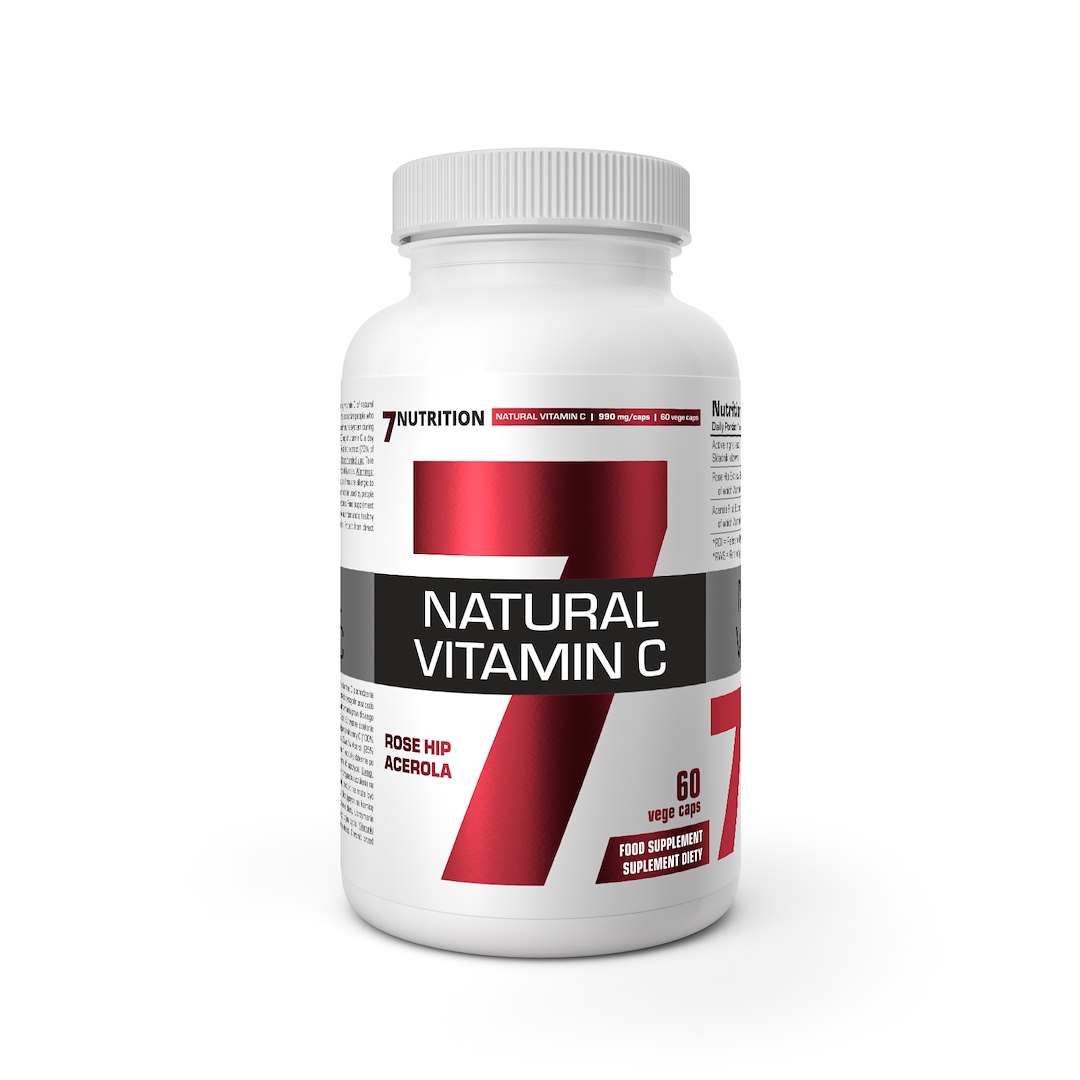
7 Nutrition - Natural Vitamin C - 60 Vcaps
105 krIn stockWhy is this shown? Innehåller alla ämnen artikeln handlar om · Renodlat tillskott — ämnet står i produktnamnet · I lager
Allnutrition
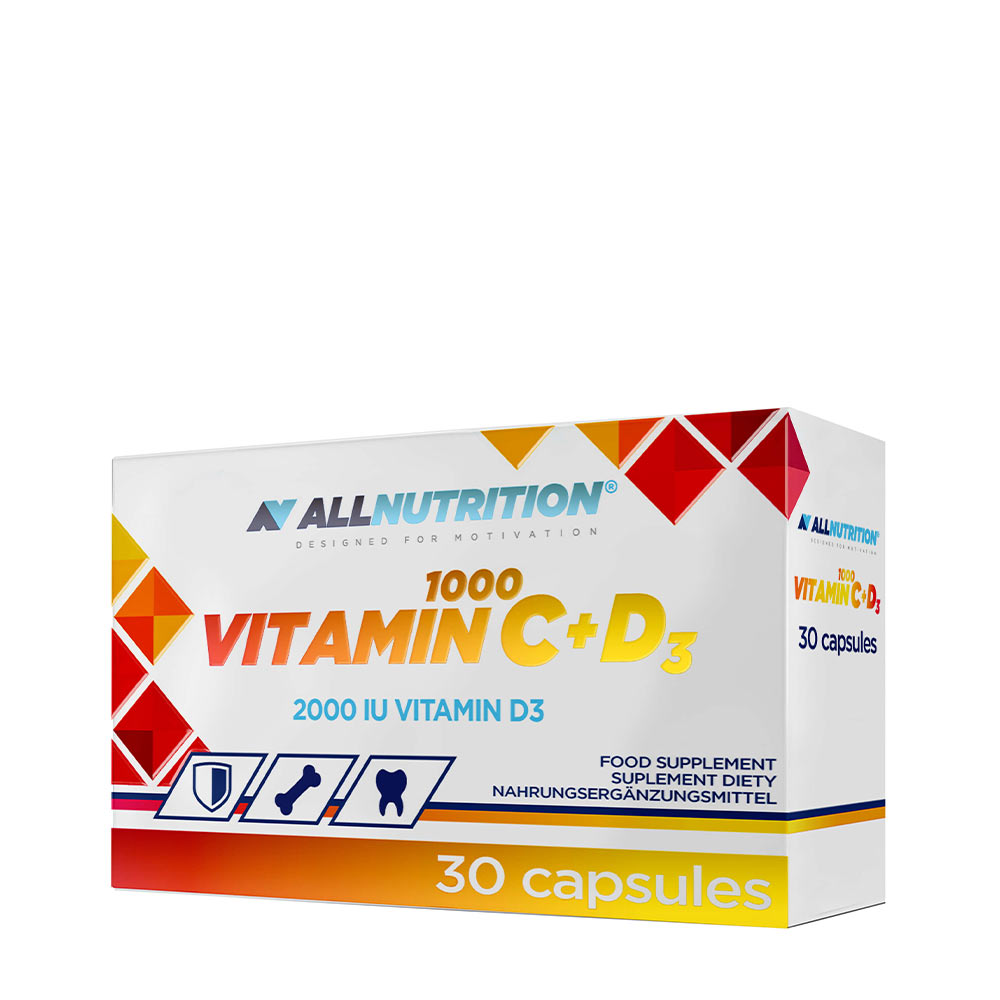
Allnutrition - Vitamin C 1000 + D3 - 30 Caps
64 krIn stockWhy is this shown? Innehåller alla ämnen artikeln handlar om · Renodlat tillskott — ämnet står i produktnamnet · I lager
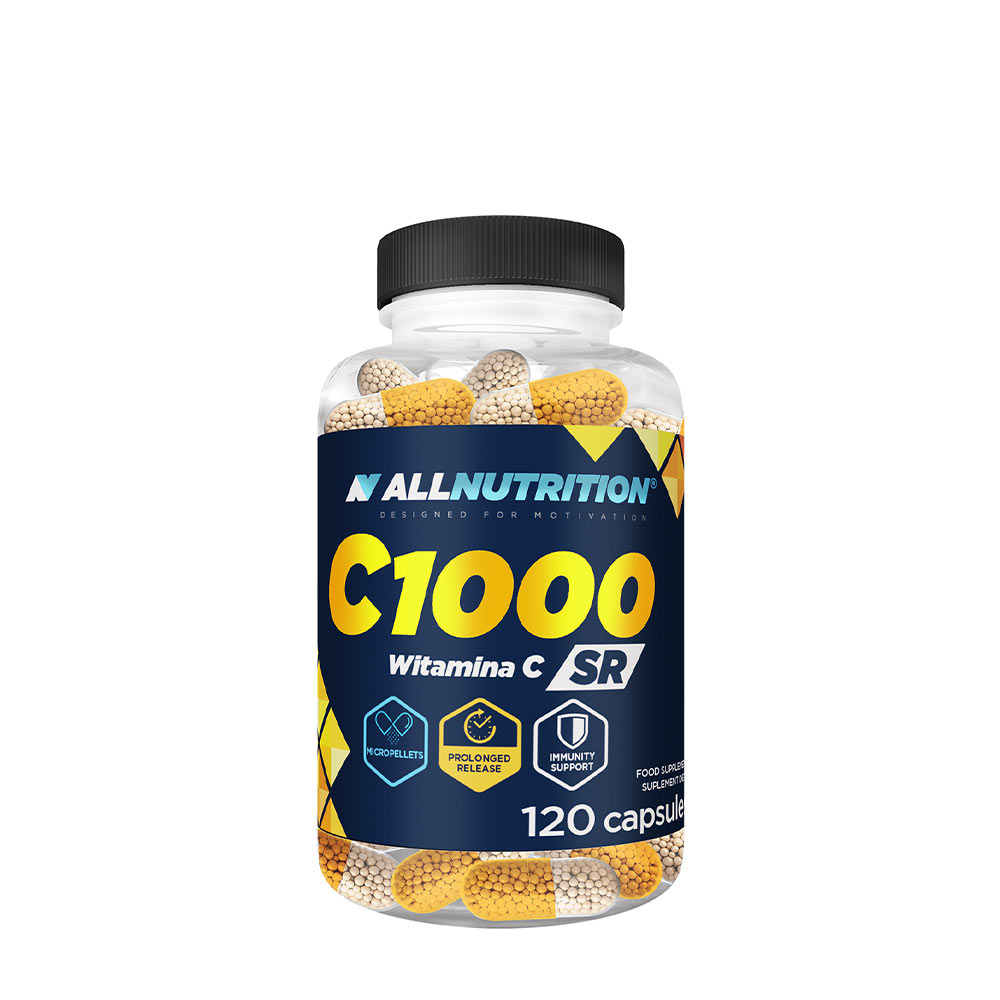
Allnutrition
Allnutrition - Vitamin C 1000 Sr - 120 Caps
172 krIn stockWhy is this shown? Innehåller alla ämnen artikeln handlar om · Renodlat tillskott — ämnet står i produktnamnet · I lager
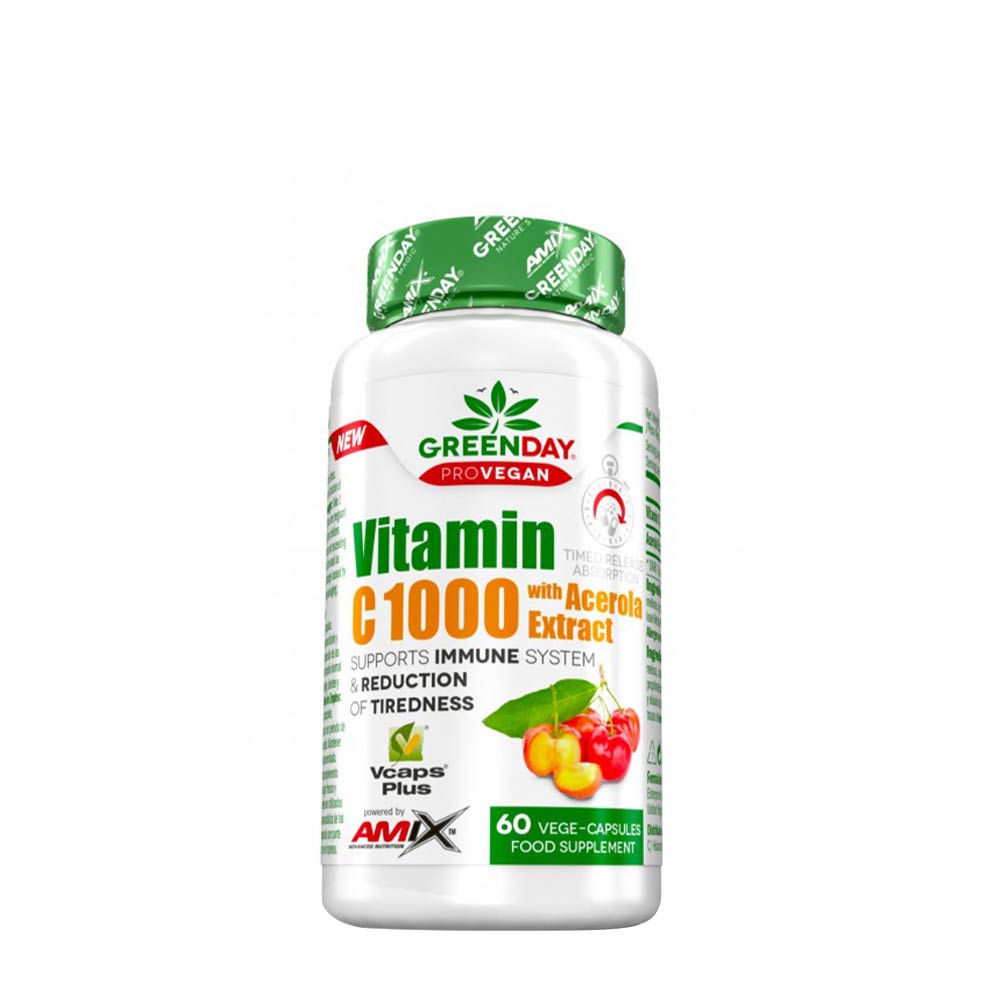
Amix
Amix - Provegan Vitamin C - 60 Caps
144 krIn stockWhy is this shown? Innehåller alla ämnen artikeln handlar om · Renodlat tillskott — ämnet står i produktnamnet · I lager