Vitamin C Serum: What It Is, How It Works, and How to Choose
Short answer
Vitamin C serum is a topical skincare product designed to deliver vitamin C directly to the skin. Choosing the right serum involves considering concentration, form, pH, and supporting ingredients.
Quick facts
- Vitamin C serum contains active vitamin C (often L-ascorbic acid) in a topical form.
- Effective serums usually have a concentration between 10–20% and a low pH for stability.
- Vitamin C serums are generally well tolerated; mild irritation is possible.

How it works
Vitamin C serum is formulated to deliver vitamin C directly to the skin’s surface, bypassing the limitations of dietary absorption for skin tissue. The most active form used is L-ascorbic acid, which is water-soluble and acts as a potent antioxidant in the skin. Its antioxidant properties help neutralize oxidative stress from ultraviolet (UV) exposure and pollution, which are known contributors to skin aging.
Vitamin C also plays a key role in supporting collagen synthesis by acting as a co-factor for enzymes involved in collagen stabilization and cross-linking. Additionally, vitamin C can inhibit melanin synthesis by interacting with the enzyme tyrosinase, which may help with pigmentation concerns.
Vitamin C is one of the most potent antioxidants in the skin, supporting its defense against environmental stressors.
Recent clinical studies have shown that topical application of vitamin C serum can improve skin firmness, elasticity, and radiance, and reduce signs of aging such as fine lines and uneven tone. In a randomized controlled trial, a 12% vitamin C serum applied twice daily for 84 days increased epidermal thickness and improved collagen fiber quality without significant adverse effects.
What the research and authorised claims say

Vitamin C is an essential nutrient. Topical vitamin C serums have been studied primarily in small-scale human trials and laboratory settings.
Clinical studies suggest vitamin C serum can improve skin firmness and radiance, but more long-term research is needed.
Summary of evidence from clinical and laboratory studies
- Topical vitamin C acts as an antioxidant, neutralizing free radicals generated by UV exposure and pollution.
- Vitamin C can inhibit melanin production, potentially improving pigmentation and skin tone.
- Anti-glycation and anti-inflammatory effects have been observed in controlled trials.
- Most clinical studies are short-term and involve small groups of participants.
Key limitations

- Most clinical studies on vitamin C serum involve small groups and short durations (weeks to a few months).
- Many findings are based on laboratory or animal studies; robust, large-scale human trials are limited.
- Long-term safety and effectiveness, as well as comparisons between different vitamin C derivatives, require further research.
- Generalizability of results may be limited due to single-brand or single-formulation studies.
How to choose

When selecting a vitamin C serum, evidence suggests considering the following criteria:
- Form of Vitamin C: L-ascorbic acid is the most active and studied form. Some derivatives (e.g. , ascorbyl phosphate, ascorbyl palmitate) offer improved stability but may have lower skin absorption and uncertain efficacy.
- Concentration: Effective serums typically contain 10–20% vitamin C. Concentrations above 20% do not increase efficacy and may cause more irritation.
- pH Level: A low pH (below 3.
- Stabilizing Ingredients: The addition of antioxidants like vitamin E and ferulic acid can enhance the photoprotective effects of vitamin C.
- Clinical Evidence: Look for products with documented efficacy and tolerability in human studies.
| Form | Stability | Skin Absorption | Typical Concentration |
|---|---|---|---|
| L-ascorbic acid | Low (requires low pH, stabilizers) | High | 10–20% |
| Ascorbyl phosphate | High | Moderate | 5–20% |
| Ascorbyl palmitate | High | Low–Moderate | Varies |
| Sodium ascorbate | Moderate | Moderate | Varies |
When comparing vitamin C serums, consider the form, concentration, pH, and presence of stabilizing ingredients.
Safety, interactions and risk groups
Vitamin C serums are generally well tolerated. Mild side effects such as temporary skin yellowing, stinging, dryness, or mild redness may occur, especially at higher concentrations. These effects are usually temporary and manageable with moisturizers. Rarely, hypersensitivity reactions such as urticaria or erythema multiforme have been reported.
Individuals with sensitive skin or a history of allergies should perform a patch test before using a new serum. If you are pregnant, breastfeeding, have a skin condition, or are taking medication, consult a healthcare professional before starting any new skincare product. Vitamin C serums are not intended for use in children unless directed by a healthcare provider.
Safety and precautions
Vitamin C serums are generally safe for most adults. Mild side effects such as stinging, dryness, or temporary redness may occur, especially with higher concentrations. Rare hypersensitivity reactions have been reported. If you have sensitive skin, allergies, are pregnant, breastfeeding, taking medication, or considering use in children, consult a healthcare professional before starting a new skincare product. Always perform a patch test before first use.
Supplements with the ingredients in this article
Compare contents, dose and price
Frequently asked questions
vitamin c serum garnier
When comparing vitamin C serums, look at the concentration of vitamin C (ideally 10–20%), the form used (L-ascorbic acid is most studied), pH level (below 3.5 is ideal for stability), and the presence of stabilizing ingredients like vitamin E or ferulic acid.
the ordinary vitamin c
The Ordinary offers several vitamin C serums with different forms and concentrations. When choosing, consider the form (L-ascorbic acid or derivatives), concentration (10–20% is typical for efficacy), and your skin's sensitivity. Always patch test before use.
vitamin c serum boots
When shopping for vitamin C serum, check the ingredient list for the form of vitamin C, concentration, pH, and stabilizing ingredients. Compare these features to ensure the product meets evidence-based criteria for effectiveness and tolerability.
vitamin c serum ordinary
The Ordinary's vitamin C serums vary in form and strength. Look for L-ascorbic acid at 10–20% for evidence-based efficacy, and consider your skin type and sensitivity. Patch testing is recommended.
vitamin c serum benefits
Most evidence comes from small-scale clinical studies.
best vitamin c serum ireland
The best vitamin C serum is one that contains L-ascorbic acid or a well-studied derivative at 10–20% concentration, has a low pH, includes stabilizing antioxidants, and is packaged to protect from light and air. Always consider clinical evidence and your skin’s needs.
vitamin c for skin serum
Vitamin C serums are designed to deliver vitamin C directly to the skin, supporting antioxidant protection and collagen synthesis. Choose a serum with the right concentration and form for your skin type.
vichy vitamin c serum
When evaluating any vitamin C serum, consider the concentration, form of vitamin C, pH, and supporting ingredients. Look for clinical evidence of efficacy and tolerability.
dr althea vitamin c boosting serum
To assess a vitamin C serum, review the ingredient list for active vitamin C (L-ascorbic acid or derivatives), concentration, pH, and stabilizing antioxidants. Patch test before use, especially if you have sensitive skin.
paulas choice vitamin c
Paula's Choice offers vitamin C serums with different formulations. For best results, select a serum with 10–20% L-ascorbic acid, low pH, and stabilizing antioxidants. Patch test before use.
image vitamin c serum
When choosing a vitamin C serum, prioritize products with evidence-based concentrations (10–20%), stable forms of vitamin C, and protective packaging. Consider your skin type and sensitivities.
paulas choice vitamin c serum
Look for a vitamin C serum with 10–20% L-ascorbic acid, low pH, and stabilizing ingredients. Patch test before use and consult a healthcare professional if you have specific concerns.
Sources
- Topical Vitamin C and the Skin: Mechanisms of Action and Clinical Applications - PMC (external link)
- Vitamin C in dermatology - PMC (external link)
- Clinical Efficacy of a 12% Pure Vitamin C Serum Across All Skin Phototypes: An Integrated In Vitro-In Vivo Evaluation - PubMed (external link)
- Study on the Multiple Efficacies of Vitamin C Serum in Anti‐Glycation, Anti‐Carbonylation, Antioxidation, and Anti‐Inflammation of Human Skin Based on In Vivo Tests - PMC (external link)
- Modulatory role of vitamins A, B3, C, D, and E on skin health, immunity, microbiome, and diseases - PMC (external link)
- Effectiveness and safety of topical L-ascorbic acid 15% serum compared to retinol 0.1% serum for skin aging: a double-blind randomized controlled trial study - PubMed (external link)
- Cosmeceuticals: The Principles and Practice of Skin Rejuvenation by Nonprescription Topical Therapy - PMC (external link)
Read more
Products related to this article
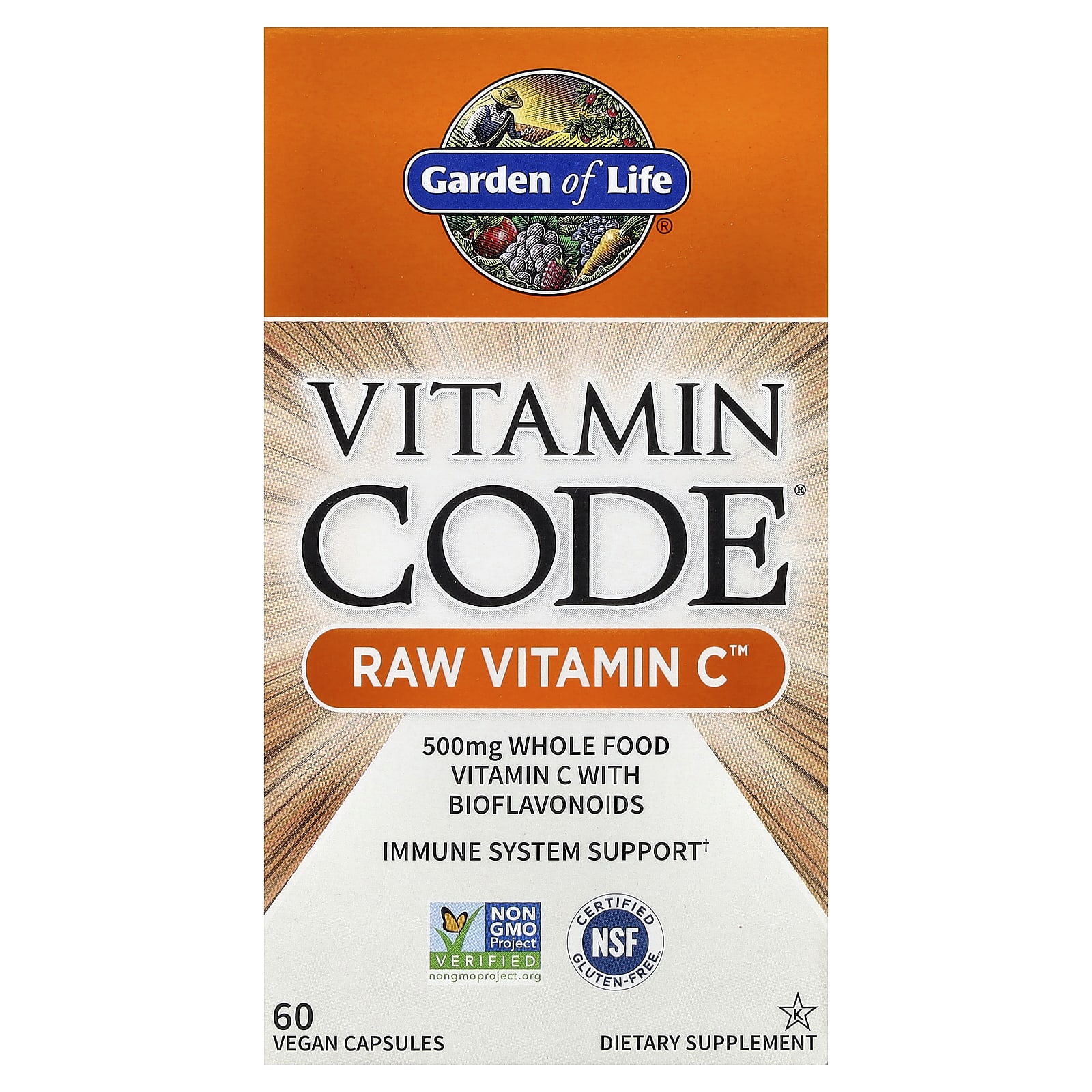
Garden Of Life
Garden Of Life - Raw Vitamin C - 60 Vcaps
266 krIn stockWhy is this shown? Innehåller alla ämnen artikeln handlar om · Renodlat tillskott — ämnet står i produktnamnet · I lager · Betyg 5.0 av 9 kunder

Life Extension
Life Extension - Vitamin C And Bio-Quercetin - 250 Tabs
404 krIn stockWhy is this shown? Innehåller alla ämnen artikeln handlar om · Renodlat tillskott — ämnet står i produktnamnet · I lager · Betyg 5.0 av 8 kunder

NOW Foods
NOW Foods - Vitamin C Crystals - Ascorbic Acid - 1361g
718 krIn stockWhy is this shown? Innehåller alla ämnen artikeln handlar om · Renodlat tillskott — ämnet står i produktnamnet · I lager · Betyg 5.0 av 7 kunder
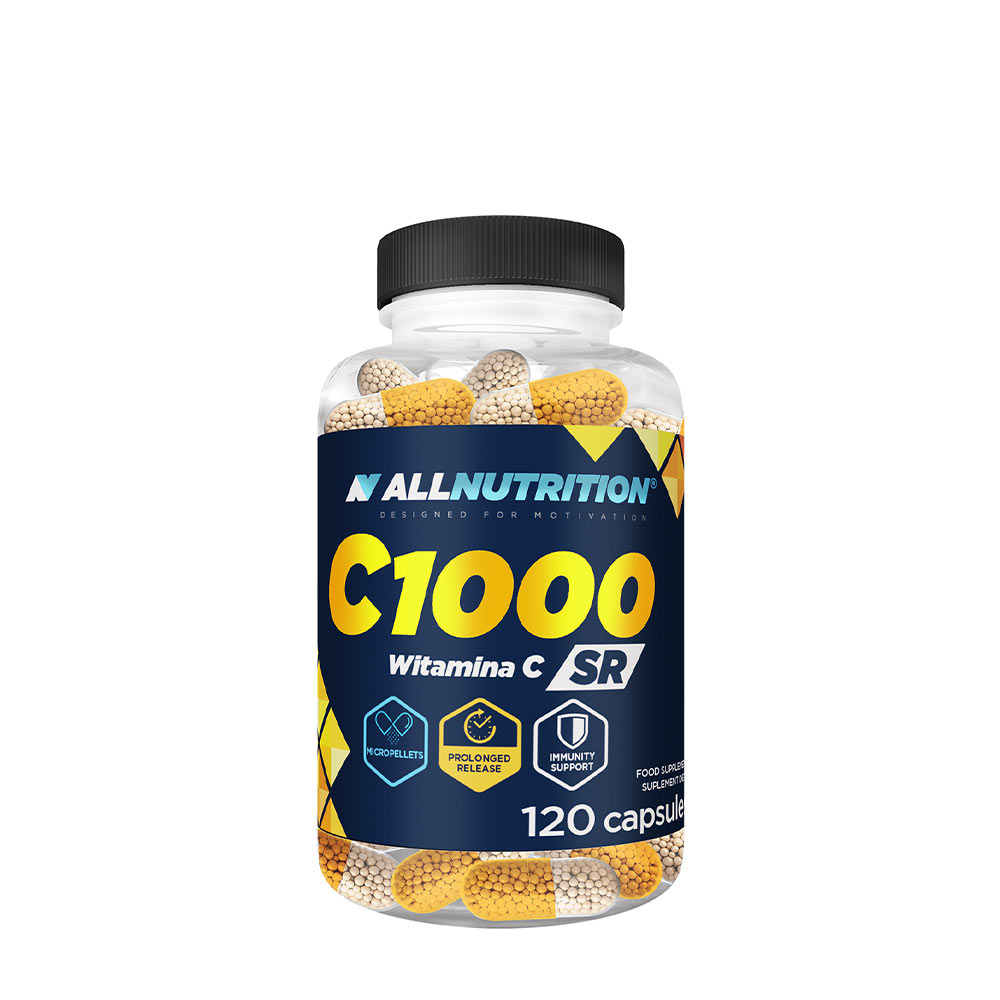
Allnutrition
Allnutrition - Vitamin C 1000 Sr - 120 Caps
172 krIn stockWhy is this shown? Innehåller alla ämnen artikeln handlar om · Renodlat tillskott — ämnet står i produktnamnet · I lager
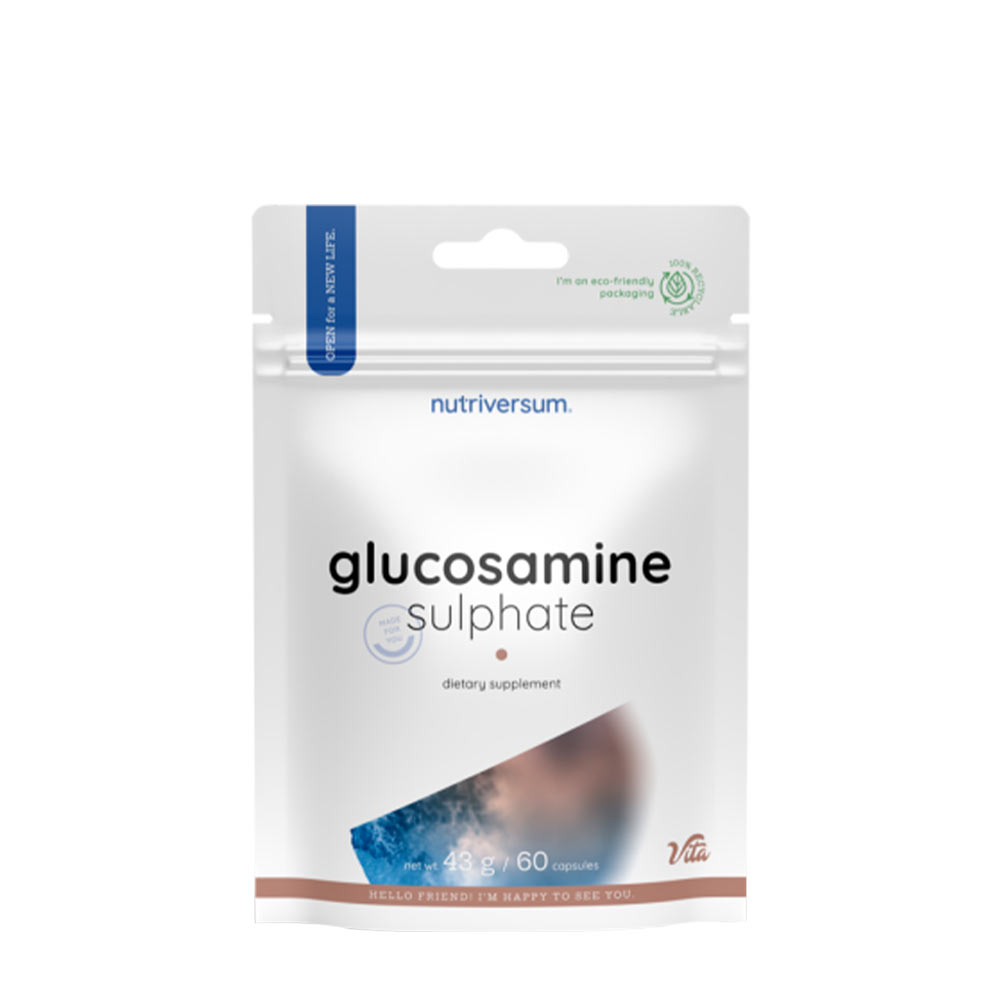
Nutriversum
Nutriversum - Glucosamine Sulphate - 60 Caps
118 krIn stockWhy is this shown? Innehåller alla ämnen artikeln handlar om · I lager