Foods with magnesium: sources and how to compare them
Short answer
The available sources do not include composition data to identify which foods contain magnesium or how much each provides. They therefore do not support a reliable list, comparisons between foods or a “top 10.”
Quick facts
- No magnesium amounts are provided for individual foods.
- A reliable ranking cannot be compiled.
- Dietary intake is an estimate based on recorded foods.
- Dietary intake and measurements in blood or urine are different variables.

Which foods contain magnesium?
The most rigorous answer the available sources allow is that they cannot identify which specific foods contain magnesium. They include neither a list of foods nor food composition data with which to check the content of each one. For that reason, no foods are named here as sources or assigned amounts.
A search for “magnesium foods” usually calls for two kinds of information: which foods have been analysed and how much magnesium each is estimated to provide. An accurate answer would require a food composition source that presents verifiable data of this kind. The sources used for this article do not provide that information, so a reliable list or comparison of foods is not possible.
A review notes that dietary magnesium intake is one of the measures that may be considered when estimating magnesium status, alongside serum and urinary magnesium measurements (review of magnesium assessment). This provides context for studying intake, but does not indicate which foods provide the mineral or how much each contains.
Can a list of foods containing magnesium be made?
Not from the sources provided. They contain neither a food table nor comparable values for a reference amount, such as 100 g or a serving. Without those data, there is no sound basis for stating that one food has more magnesium than another, ranking them or identifying the “10 foods richest in magnesium.”
The same limitation applies to a table: to compare foods, it would need to identify each one and show its magnesium content using a clear unit and reference amount. It would also need to specify which data were used. Because this information is unavailable in the cited sources, no table is presented, and the gaps are not filled with unverified figures or examples.
- Specific foods: the sources do not provide a list that would establish which foods contain magnesium.
- Amounts: they do not provide values per 100 g, per serving or per any other amount of food.
- Rankings: they do not support ranking foods or identifying the ten with the highest content.
In short, the sources consulted support saying that dietary intake is one of the measures mentioned when estimating magnesium status, but not providing a list of foods or amounts. To find the content of a specific food, a food composition table with verifiable, comparable data is needed.
How to interpret magnesium in the diet
“Dietary magnesium” refers to an estimate of the magnesium associated with foods consumed. It is not the same as measuring magnesium in a blood sample or calculating how much is excreted in urine. These are different measures describing different aspects and should not be treated as equivalent. A review notes that estimating magnesium status is complex and proposes assessing it through a combination of measures, including serum magnesium, urinary magnesium and dietary intake (review of magnesium assessment).
Estimated intake and laboratory measurements
Dietary intake is estimated from recorded food consumption and the nutritional composition data used to interpret those records. The result therefore depends on how the information is collected and how the content of the foods is calculated. It is not a direct measurement of magnesium in the body.
Serum magnesium, by contrast, is a concentration measured in blood; urinary magnesium is measured in urine. The cited review includes these three variables—dietary intake, serum magnesium and urinary magnesium—among the measures that may be combined when assessing magnesium status. This does not mean an intake figure automatically predicts a laboratory result, or that a single measurement describes a person’s usual diet on its own (review of magnesium assessment).
What an intake figure can tell you
An intake estimate describes the magnesium associated with the diet according to the data collected. It does not necessarily identify which specific food accounts for that figure, nor does it allow foods to be compared without knowing the composition source, unit and reference amount. It should not be interpreted as a blood or urine measurement, either.
The review indicates that assessing magnesium status is complex and does not reduce the assessment to a single measure. Consequently, an isolated dietary figure is not enough to summarise all the possible measurements.
- Dietary intake: an estimate based on recorded foods.
- Serum magnesium: a concentration measured in blood.
- Urinary magnesium: a measurement obtained from urine.
When reading a study or table, it is worth checking which of these variables it presents rather than treating them as interchangeable. This keeps information about magnesium in foods separate from other magnesium measurements, as proposed in the cited review (review of magnesium assessment).
Can the ten foods richest in magnesium be identified?
With the sources available for this article, it is not possible to compile a reliable ranking of the ten foods with the most magnesium. None presents a composition table comparing specific foods by a reference amount, such as 100 g, or by serving. Nor do they provide figures from which to assign a magnesium content to each food.
The cited studies and analyses address other questions. A review explains that dietary intake is one of the factors that may be considered when estimating magnesium status, but it neither ranks foods nor compares their amounts of this mineral (review of magnesium). An analysis of European dietary surveys examines trends in micronutrient intake among adults in different countries; it is not a table comparing the magnesium content of individual foods (analysis of European dietary surveys). A cross-sectional study calculates the dietary density of several minerals in relation to recorded energy intake, but it does not rank foods by magnesium content either (cross-sectional study of dietary mineral density).
Why the foods cannot be ranked
Comparing foods and deciding which rank highest would require composition data for each food, expressed on the same basis. A value per 100 g and a value per serving are not directly equivalent if the serving’s weight is unknown. The data would also need to specify the state of the food analysed—for example, whether it was dry or prepared—and where the information came from.
Without comparable data of this kind, any list of ten foods would require adding figures or choosing an order that the cited sources do not support. For the same reason, no amounts, percentages or relative positions are assigned here. Mentioning food groups without an appropriate composition source would not establish which provides more magnesium, either.
- Top 10: the sources do not support selecting or ranking ten foods by magnesium content.
- Amounts: they do not provide comparable values by weight or serving for specific foods.
- Comparison: without a common unit and details of the food analysed, a reliable ranking cannot be established.
In short, the available information cannot rigorously establish which ten foods are richest in magnesium. Compiling such a list would require a food composition database with verifiable, comparable data; estimates or unsupported figures should not be used here to fill that gap.
Magnesium with potassium, vitamin D or omega-3
Searches for foods containing magnesium together with potassium, vitamin D or omega-3 raise a specific question: which foods contain these nutrients together? The sources available for this article do not include food-level composition data that would confirm this. It is therefore not possible to provide a reliable list of foods combining magnesium with potassium, vitamin D or omega-3, or to compare their amounts per serving or per 100 g.
Which foods contain magnesium and potassium?
The information provided does not identify specific foods that supply both minerals or offer comparable values. Without composition data showing the amount of each mineral in the same food on a common basis, it is not possible to determine which would rank highest or compile a list of foods “richest” in both nutrients.
What about magnesium and vitamin D?
There are also insufficient data to identify specific foods containing both nutrients or compare how much they provide. Research on micronutrient intakes among adults in four European countries presents overall findings on various nutrients, but does not provide a food-level composition table that could answer this question (analysis of European dietary surveys).
Are there foods containing magnesium and omega-3?
The available sources do not provide a verifiable list of foods containing both magnesium and omega-3, or amounts that would allow comparisons. It is therefore not possible to recommend a specific combination on the basis of the information provided.
- Magnesium and potassium: there are no food-level composition data confirming which foods provide both nutrients.
- Magnesium and vitamin D: the sources do not identify specific options or offer comparable amounts.
- Magnesium and omega-3: no verifiable list or values for comparing foods are provided.
Answering these questions rigorously would require a food composition database stating, for each food, which nutrients were analysed, their amounts and the reference unit. Without those data, any list or ranking would be an inference unsupported by the available sources. This lack of information does not show that the nutrients cannot occur together in a food; it means only that there is insufficient evidence here to name specific foods or quantify their content.
What the cited research examines
The cited research addresses different questions: how to assess magnesium status, how micronutrient intakes have changed in some European countries, and whether the dietary density of several minerals is associated with clinical outcomes in people with long COVID. None of the studies ranks foods by their magnesium content or makes it possible to attribute outcomes to a particular food.
Assessing magnesium status
The review «Magnesium: Hype and Health Benefits» examines the challenges of assessing magnesium status. According to its authors, several measures are considered together, including serum magnesium, urinary magnesium and dietary intake. The review addresses assessment and supplementation; it does not compare foods or provide a table of magnesium amounts by product.
This work can therefore provide context for why magnesium research uses different measures, but it does not, on its own, answer questions such as which foods contain the most magnesium or how much a given serving provides. Nor does it allow a measurement of magnesium status to be turned into a recommendation for choosing foods.
Intake trends in European surveys
The study «Nutritional Safety and Health Resilience in Europe» analyses changes in adult micronutrient intakes in national dietary surveys from the Netherlands, Ireland, France and the United Kingdom. Its analyses bring together data from 17,261 people and compare intake estimates collected at different points over approximately two decades. The surveys were not harmonised and were not conducted at the same time.
The summary provided reports declines and differences in the intakes of several micronutrients, but does not present results specific to magnesium. It is therefore not possible to use this study to establish a particular trend in magnesium intake in those countries or to identify foods that provide it. Its scope is the analysis of population-level micronutrient trends, not the comparison of food products.
Dietary mineral density and clinical outcomes
The study «Dietary Mineral Density and Clinical Outcomes in Adults with Long COVID» is a cross-sectional analysis of 290 participants with long COVID. It estimates intake using seven-day food records and expresses the density of nine minerals, including magnesium, per 1,000 kcal. It then analyses associations with 16 clinical outcomes and explores differences by sex.
The summary states that no robust overall associations were observed between dietary mineral density and clinical burden. The exploratory findings described concern iron and zinc, not findings that would allow an effect to be attributed to magnesium or to particular foods. Moreover, because this is a cross-sectional study, its analyses do not constitute dietary advice.
These studies do not provide a table of foods with comparable amounts, nor do they justify ranking foods, recommending one over another or associating a specific food with an outcome.
Limits of the available information
The available sources do not include a food composition table that would allow the magnesium content of specific foods to be compared. Nor do they give amounts per 100 g or per serving, or describe the weight of a portion or the state of the food to which a figure would apply. With this information, it is therefore not possible to calculate how much magnesium a serving would provide, rank foods from highest to lowest content or produce a reliable nutrition table.
A review of magnesium examines, among other things, how magnesium status is estimated and mentions dietary intake as one of the measures considered. However, a review of magnesium assessment and status is not the same as a food composition database: it does not provide a comparable inventory of foods and their magnesium amounts (S1).
Likewise, a study that calculates intake from food records addresses a different question from how much each food contains. For example, the BioICOPER analysis estimated the dietary density of several minerals from seven-day records and expressed those data per 1,000 kcal. That method describes intake relative to recorded energy intake; it does not provide a ranking of foods by magnesium content or values per serving (S3).
A comparison would require composition data using a common unit and enough information to identify which product and quantity were measured. If figures come from different portion sizes or foods in different states, they cannot be compared directly without those details. The sources cited here do not provide that information for foods, so it would not be appropriate to fill the gaps with approximate figures, quantified examples or a “top 10”.
- Comparing foods: the sources do not provide consistent values that would make it possible to determine which contains more magnesium.
- Calculating a serving: they do not specify reference amounts or portion weights from which to calculate its contribution.
- Preparing a table: there are no comparable food composition data to support a table of amounts.
- Recommending a selection: the cited studies do not support choosing particular foods or establishing a plan based on their content.
Consequently, these studies can describe how magnesium intake has been studied, but they cannot establish precisely how much each food provides or which foods would be the richest sources. Those comparisons would require specific food composition data; it would not be appropriate to substitute findings from intake studies or figures the sources do not provide.
What can and cannot be concluded
The available references cannot establish which foods contain the most magnesium or support a reliable list of the “10 richest foods”. Nor do they provide a composition table that would allow amounts per 100 g or per serving to be compared. It is therefore not possible to give a rigorous answer about which food ranks first, how much magnesium a particular portion provides or how the comparison would change depending on the state or preparation of the food.
The cited research examines dietary intake or mineral density in groups of participants; it does not rank foods. For example, the cross-sectional BioICOPER analysis calculated the dietary density of several minerals from seven-day records, but does not offer a table for comparing foods by magnesium content. Its design and findings also do not allow effects to be attributed to particular foods (BioICOPER study).
What about searches for tables and combinations?
The sources provided do not make it possible to construct a “table of foods containing magnesium” with comparable values. Answering that query would require composition data identifying the food, the reference amount and the conditions relevant to the comparison. Without those data, assigning figures or establishing a ranking would be speculative.
The same limitation applies to queries about foods containing magnesium and potassium, vitamin D or omega 3, including searches for the ten foods richest in magnesium and potassium. The references do not provide values for those nutrients in specific foods that would make it possible to confirm which contain both, compare their amounts or rank them. A combined list therefore cannot be presented as though it were supported by these studies.
- What can be concluded: the sources include research analysing dietary intake or mineral density, but not a ranking of foods by magnesium content.
- What cannot be concluded: which foods contain the most magnesium, how much a particular serving provides or which foods combine higher amounts of magnesium with potassium, vitamin D or omega 3.
In short, these references cannot provide quantified answers to searches for food tables, lists or combinations. Doing so would require specific food composition data; it would not be appropriate to fill in the missing information with unsupported figures or examples.
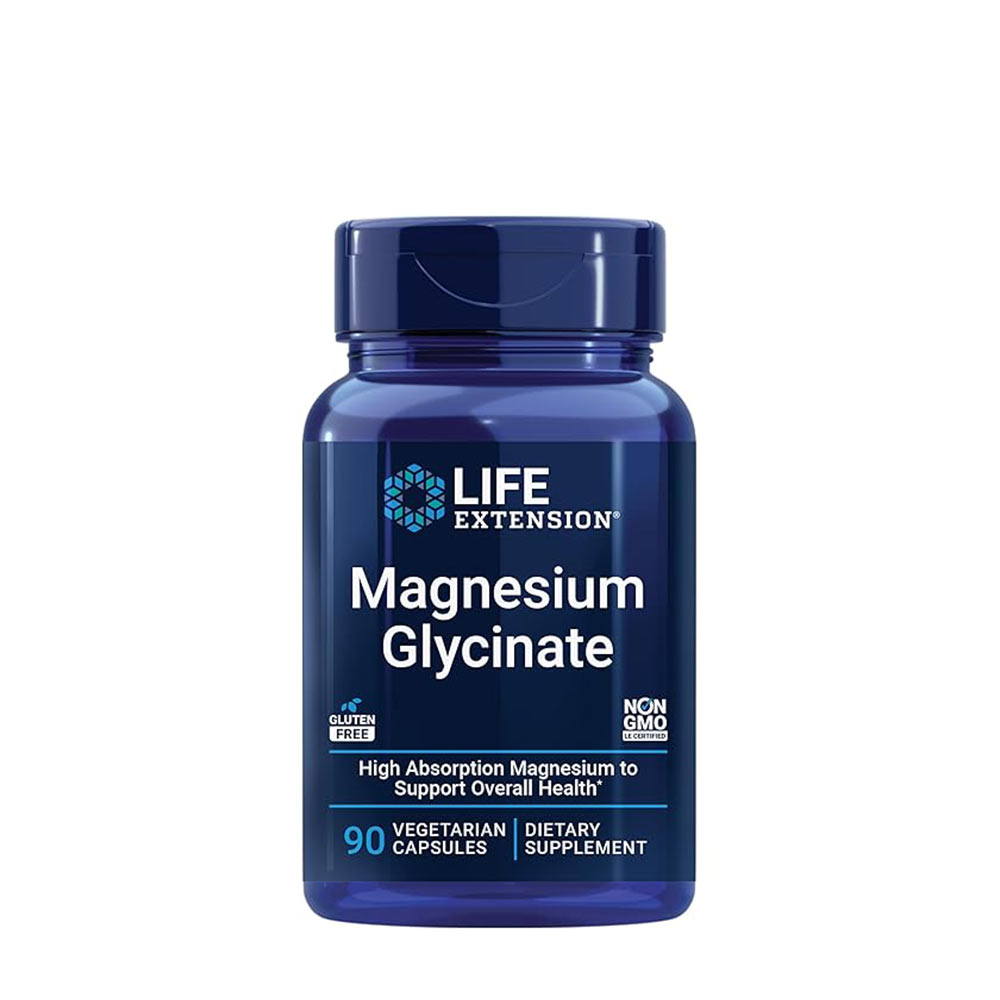
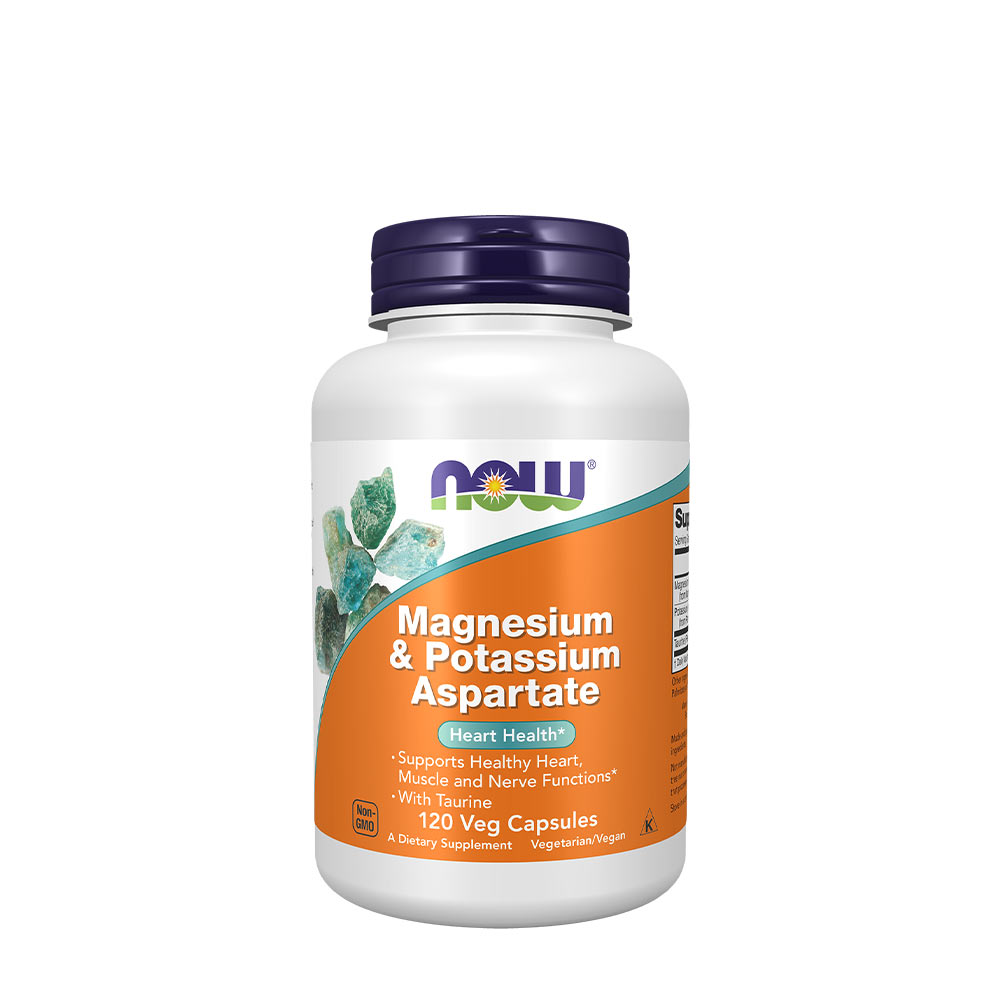
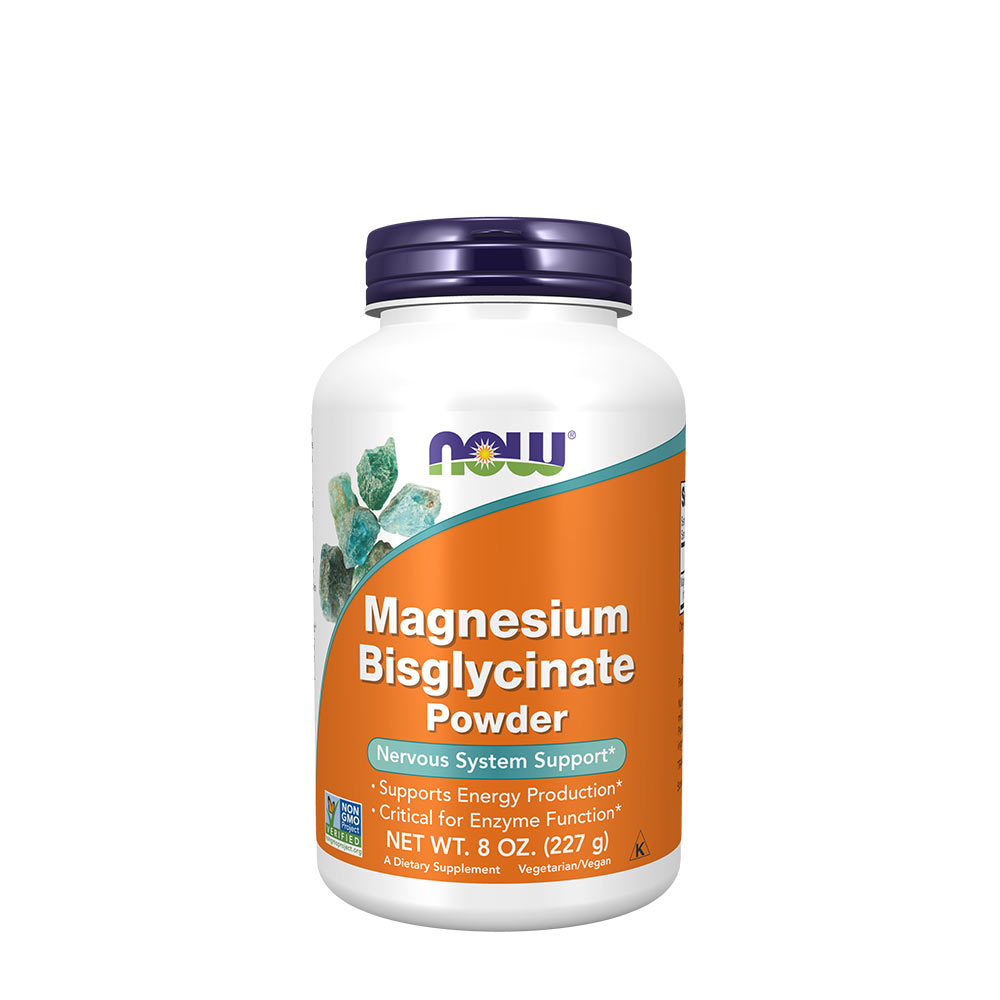
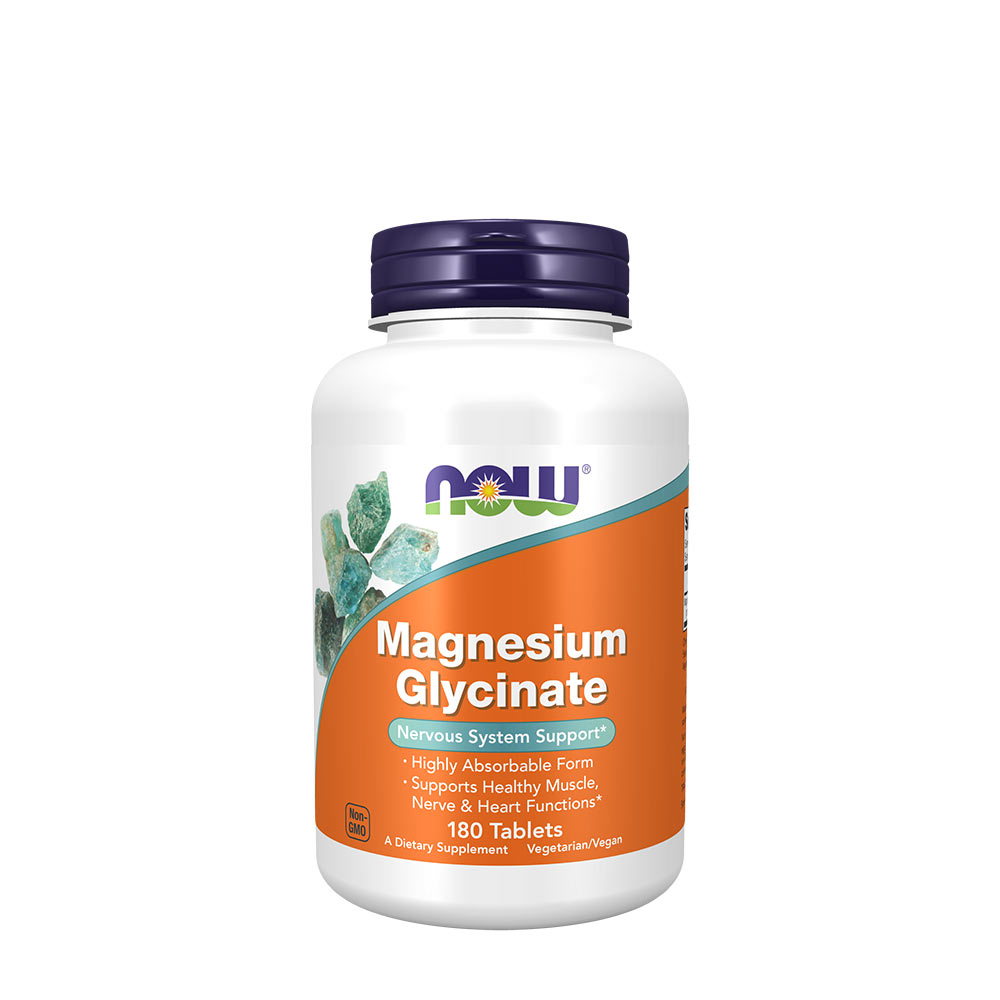
Supplements with the ingredients in this article
Compare contents, dose and price
Frequently asked questions
Which foods contain the most magnesium?
The cited sources do not provide a food-level composition table, so they cannot establish which foods contain the most.
Is there a table of foods containing magnesium here?
No. The sources do not provide comparable amounts per 100 g, per serving or per another reference amount.
Is it possible to identify the ten foods richest in magnesium?
Not with the available information: there are no comparable data with which to rank specific foods.
Is dietary intake equivalent to magnesium measured in blood?
No. Dietary intake is an estimate based on recorded foods; serum magnesium is a concentration measured in blood.
Do the sources identify foods containing both magnesium and potassium?
No. They do not include food-level composition data confirming which foods contain both or allowing their amounts to be compared.
Sources
- Magnesium: Hype and Health Benefits. (external link)
- Nutritional Safety and Health Resilience in Europe: Declining Micronutrient Intakes, Widening Distributional Disparities and Persistent (external link)
- DietaryMineral Density and Clinical Outcomes in Adults with Long COVID: A Cross-Sectional Analysis of Global and Sex-Specific Associations (external link)