Magnesium Sachets: What to Know Before You Buy
Short answer
Magnesium sachets are single-serve powder supplements, so the key label checks are elemental magnesium, source form, serving size and added ingredients. They can be a convenient drink format, but the sachet itself does not make magnesium faster, better absorbed or more effective than tablets or capsules.
Quick facts
- Magnesium sachets are single-serve powder packets mixed with liquid or taken as directed on the label.
- The important label number is elemental magnesium, not just the weight of the magnesium compound.
- Some sachets include flavourings and sweeteners, so the ingredient list matters.
- More soluble magnesium forms tend to be better absorbed than oxide or sulfate, but the packet format alone does not guarantee that.
- One example product is sold as a food supplement and gives one sachet a day.
- Magnesium supplements can cause diarrhoea, nausea and abdominal cramps at higher intakes.

What are magnesium sachets, and what are they for?
Magnesium sachets are single-serve powder packets meant to be mixed with liquid or taken as the product directions say. One example, MAG365 Exotic Raspberry Lemon, is sold as 30 single-serve sachets and tells users to mix the powder with water, then stir and sip.
The label matters more than the packet. The same product says its medicinal ingredient is magnesium from magnesium carbonate, alongside citric acid, raspberry extract, citrus fruit extract and steviol glycoside. NIH’s magnesium fact sheet says supplement labels should be read in terms of elemental magnesium, not just the weight of the magnesium compound itself. MAG365 product page NIH ODS magnesium fact sheet
Why people choose sachets
Sachets can also suit people who prefer a drink format or dislike swallowing tablets and capsules. That preference is about format, not proof of a stronger supplement. The NIH fact sheet notes that more soluble magnesium forms tend to be better absorbed than oxide or sulfate, and a 60-day randomized study in 46 healthy people found greater urinary-magnesium evidence of absorption with citrate than with oxide at 300 mg elemental magnesium per day. Those findings are about the magnesium form, not the packet itself. NIH ODS magnesium fact sheet Randomized citrate-versus-oxide study
| Format | What it offers | What it does not guarantee |
|---|---|---|
| Sachet | Single-serve powder that can be mixed with liquid; some products add flavouring and sweeteners | Not automatically faster, better absorbed, or more effective than another format |
| Tablet or capsule | Another way to take magnesium in a measured dose | Not automatically less convenient for every buyer |
Key point: with magnesium, the source and the amount of elemental magnesium matter more than whether the dose comes in a sachet, tablet or capsule.
For shoppers in the UK, that means the most practical question is not “sachet or pill?” but “what magnesium source is inside, how much elemental magnesium is in one serving, and do I want a flavourful drink format for everyday use?” NIH ODS magnesium fact sheet
How does magnesium work in the body?
Most of the body’s magnesium is not in the blood
Magnesium is spread through the body unevenly. The NIH Office of Dietary Supplements says about 50% to 60% of adult body magnesium is in bone, with most of the rest in soft tissues and less than 1% in blood. That is why a normal-looking blood test does not automatically tell the whole story about magnesium status.

The same fact sheet notes that magnesium is absorbed in the gut and excreted by the kidneys, which helps keep the amount available in a narrow range. In other words, the body regulates magnesium tightly rather than letting levels swing freely.
What magnesium actually does
Magnesium is a cofactor in more than 300 enzyme systems, according to NIH ODS, and EFSA describes it as a cofactor in more than 300 enzymatic reactions. EFSA also lists magnesium as necessary for specific actions in the neuromuscular and cardiovascular systems. NIH ODS magnesium fact sheet and EFSA’s magnesium reference values both point to the same core role: magnesium helps biochemical processes run.
| Body role | What the evidence says |
|---|---|
| Magnesium contributes to normal energy-yielding metabolism. | |
| Nerve and muscle function | Magnesium contributes to the normal functioning of the nervous system and to normal muscle function. |
| Bone maintenance | Magnesium contributes to the maintenance of normal bones. |
These are the authorised claim wordings permitted for foods that are at least a source of magnesium, as listed in Regulation (EU) No 432/2012.
Why status matters, and why symptoms are not specific
Because blood contains only a tiny fraction of total magnesium, a serum result can miss low body stores. The ODS fact sheet says blood concentration does not, by itself, measure all body stores, and it notes that severe deficiency is better assessed clinically than guessed from symptoms alone. Symptoms linked with low magnesium status can include poor appetite, nausea, fatigue, weakness, cramps, seizures and abnormal heart rhythms, but those signs are not unique to magnesium.
Key point: magnesium is essential, but a blood test is only one piece of the picture.
For readers choosing a supplement, the practical takeaway is simple: look for a product that states its magnesium amount clearly, then remember that the body’s need for magnesium is tied to absorption, storage in bone and tissues, and kidney control — not to a single blood number. NIH ODS magnesium fact sheet
What do studies and authorised claims actually support?
What EU claims are allowed
Under Commission Regulation (EU) No 432/2012, magnesium claims are about normal physiological functions, and only for foods that are at least a source of magnesium. The permitted wording includes: magnesium contributes to normal energy-yielding metabolism; a reduction of tiredness and fatigue; electrolyte balance; normal functioning of the nervous system; normal muscle function; normal protein synthesis; normal psychological function; maintenance of normal bones and teeth; and cell division.
Where the clinical evidence is strongest
The clearest use case is correcting low intake or low status. The NIH Office of Dietary Supplements notes that deficiency from diet alone is uncommon in otherwise healthy people, but risk is higher with gastrointestinal losses, type 2 diabetes, alcohol dependence, older age, and certain medicines. In its cited 2013–2016 dietary analysis, 48% of Americans of all ages consumed less magnesium from food and beverages than their estimated average requirement; that is an intake finding, not a measured deficiency rate.
| Area | What the evidence found | What it does not show |
|---|---|---|
| Blood pressure | A 2025 review of 38 randomized trials and 2,709 participants found mean reductions of 2.81 mmHg systolic and 2.05 mmHg diastolic versus placebo; effects were larger in people with hypertension taking blood-pressure medication or with low magnesium. | Results were heterogeneous, with no clear dose-response, and supplementation does not replace hypertension treatment. |
| Sleep | A 2021 review of three randomized trials in 151 older adults with insomnia estimated sleep onset about 17.36 minutes sooner with magnesium than control. | The estimated 16.06-minute gain in total sleep time was not statistically significant, and the evidence quality was low to very low. |
| Leg cramps | A Cochrane review of 11 trials and 735 people found older adults with idiopathic cramps were unlikely to obtain meaningful benefit. | Pregnancy-related findings were conflicting. |
| Blood sugar and migraine | In 24 trials involving 1,325 people with type 2 diabetes, pooled changes were −0.20 mmol/L fasting glucose and −0.22 percentage points HbA1c. Separately, NIH ODS reports three of four small, short-term placebo-controlled migraine trials with modest frequency reductions at doses up to 600 mg/day. |
How to read the evidence as a buyer
That is why the best-supported position is practical rather than dramatic: magnesium can matter when intake or status is low, while many popular outcome claims remain mixed, small, or dose- and population-specific.
Which magnesium forms are used in sachets?
The first number to check is elemental magnesium, because the weight of “magnesium citrate” or another compound is not the same thing as the magnesium itself. The NIH Office of Dietary Supplements says labels report elemental magnesium, and it also notes that more soluble forms tend to be better absorbed than oxide or sulfate, although the supporting studies are small https://ods.od.nih.gov/factsheets/magnesium-healthProfessional/.
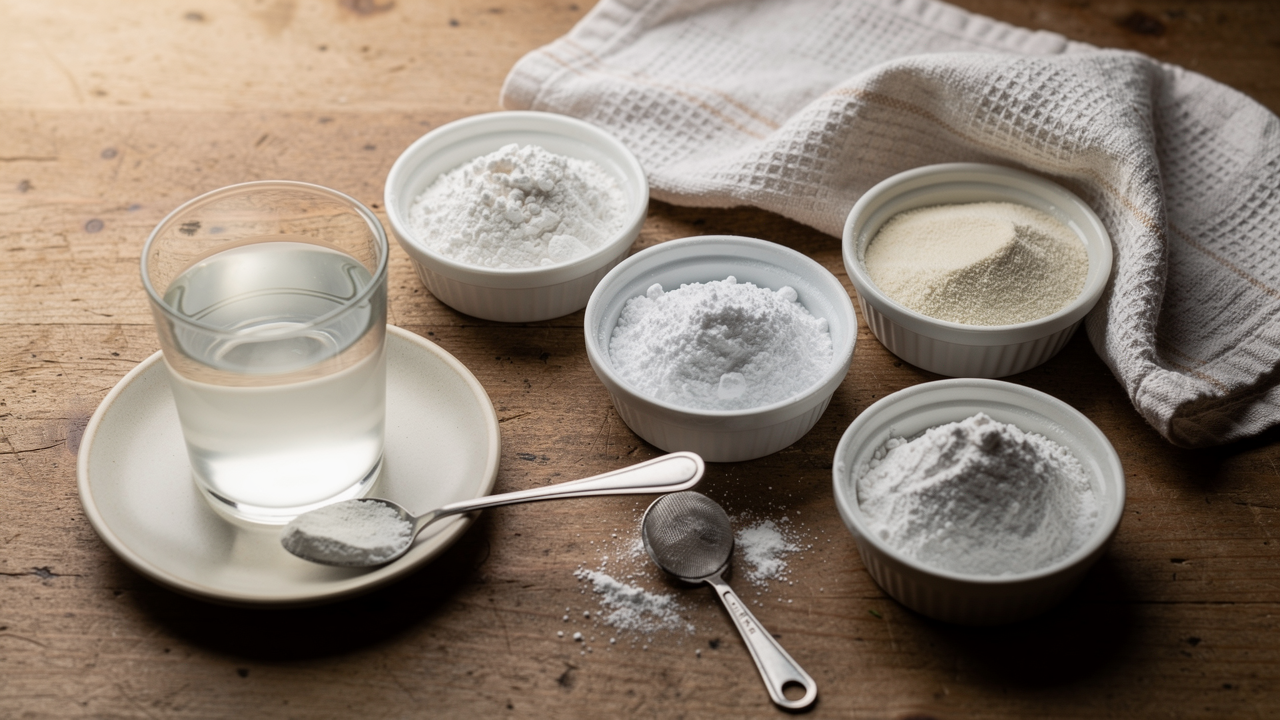
That is why two sachets with the same powder weight can deliver very different magnesium amounts. In one chemistry evaluation, magnesium oxide was about 60.3% magnesium by compound weight, compared with 11.3% for citrate, 14.1% for bisglycinate, 15.5% for malate, and 28.8% for carbonate https://pmc.ncbi.nlm.nih.gov/articles/PMC8122334/.
Citrate, oxide, bisglycinate, and malate
Citrate is the form most often associated with higher solubility in the evidence here, and NIH ODS cites a randomised study of 46 healthy people in which 300 mg elemental magnesium daily for 60 days as citrate or an amino-acid chelate produced greater 24-hour urinary magnesium excretion than oxide https://ods.od.nih.gov/factsheets/magnesium-healthProfessional/. Urinary excretion is an absorption-related marker, not proof of a better health effect.
Oxide looks attractive on paper because it contains more magnesium by weight, but the same sources describe it as less soluble and less bioavailable than several organic forms https://pmc.ncbi.nlm.nih.gov/articles/PMC8122334/. Bisglycinate and malate are also studied forms, yet the evidence is not strong enough to rank them as universally better. EFSA’s assessment of di-magnesium malate found higher short-term serum-magnesium measures than oxide in an unpublished crossover study of 14 healthy volunteers, but that still does not establish a single best sachet form for everyone https://pmc.ncbi.nlm.nih.gov/articles/PMC7009340/.
| Form | What the evidence shows | What to compare on the label |
|---|---|---|
| Citrate | More soluble than oxide; in one 46-person study, 300 mg elemental magnesium/day gave greater urinary-magnesium response than oxide https://ods.od.nih.gov/factsheets/magnesium-healthProfessional/ | Elemental magnesium per sachet |
| Oxide | About 60.3% magnesium by compound weight, but relatively poorly soluble https://pmc.ncbi.nlm.nih.gov/articles/PMC8122334/ | How much elemental magnesium the powder actually provides |
| Bisglycinate | About 14.1% magnesium by compound weight; evidence is limited and mixed https://pmc.ncbi.nlm.nih.gov/articles/PMC8122334/ | Exact salt name and serving size |
| Malate | About 15.5% magnesium by compound weight; short-term absorption data exist, but not enough to rank all products confidently https://pmc.ncbi.nlm.nih.gov/articles/PMC7009340/ | Elemental magnesium and any added ingredients |
Same sachet weight does not mean same magnesium dose.
Gastrointestinal tolerance also varies. The practical rule is simple: read the label for elemental magnesium, the salt form, and the other ingredients, because absorption and tolerance vary with dose, food intake, and person.
One product page illustrates how sachets are built in practice: ITL Health’s MAG365 sachets list magnesium from magnesium carbonate, with citric acid, raspberry extract, citrus fruit extract, and steviol glycosides, and say the ingredients combine with water to create magnesium citrate https://itlhealth.eu/collections/all/products/retail-box-of-30-ie1105z-mag365-rasp-lem-sachet.
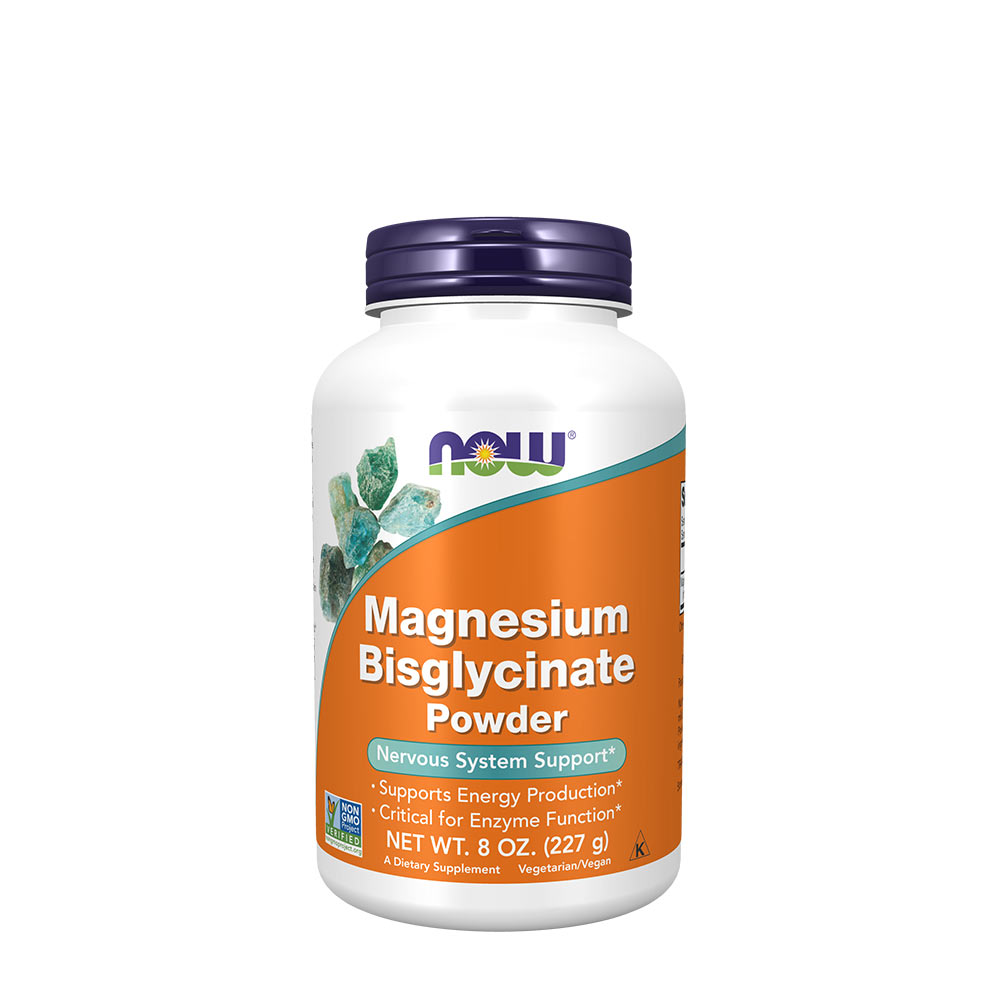
Products with bisglycinat
How much magnesium do you need from food and supplements?
Different authorities use different reference numbers
The main reference values are not identical. EFSA lists adequate intakes of 350 mg/day for men and 300 mg/day for women, and the same EFSA assessment gives 300 mg/day during pregnancy and lactation. The US NIH Office of Dietary Supplements gives RDAs of 400 mg/day for men aged 19–30, 420 mg/day for men 31+, 310 mg/day for women 19–30, and 320 mg/day for women 31+; it also lists 350 mg/day in pregnancy at ages 19–30 and 360 mg/day at ages 31–50, with lactation at 310 mg/day and 320 mg/day respectively. The NHS page cited for the UK gives 300 mg/day for men 19–64 and 270 mg/day for women 19–64, but it does not give separate pregnancy or lactation values on that page.
| Authority | Adult men | Adult women | Pregnancy and lactation |
|---|---|---|---|
| EFSA | 350 mg/day | 300 mg/day | 300 mg/day |
| NIH ODS | 400 mg/day at 19–30; 420 mg/day at 31+ | 310 mg/day at 19–30; 320 mg/day at 31+ | Pregnancy: 350 mg/day at 19–30; 360 mg/day at 31–50. Lactation: 310 mg/day at 19–30; 320 mg/day at 31–50. |
| NHS | 300 mg/day at 19–64 | 270 mg/day at 19–64 | No separate figure on the cited page |
Read sachet labels as elemental magnesium
For supplements, the key number is elemental magnesium per serving, not the weight of magnesium citrate or another compound. The total for the day comes from food plus any supplement. NIH ODS also distinguishes intake needs from safety ceilings: the adult upper limit is 350 mg/day from supplements and medicines, and EFSA’s upper level is 250 mg/day for certain added sources, including supplements, added foods, water, pregnancy and lactation. Those are upper limits, not targets, and they do not replace the daily intake figures above.
The sachet is one part of your day’s magnesium total, not the whole day’s requirement.
Food can add up quickly
NIH ODS reproduces USDA-derived figures for stated servings: 1 oz roasted pumpkin seeds provides 156 mg, 1 oz chia seeds 111 mg, 1 oz dry-roasted almonds 80 mg, 1/2 cup boiled spinach 78 mg, 1/2 cup cooked black beans 60 mg, 1/2 cup cooked brown rice 42 mg, and 1 slice whole-wheat bread 23 mg. An older USDA list also reports 91 mg in 1 cup of cooked black turtle beans and 90 mg in one large baked Russet potato.
That means food alone can contribute a sizeable part of the daily total before any supplement is counted. A day with 1 oz pumpkin seeds and 1/2 cup cooked black beans already adds 216 mg, before breakfast cereal, bread, vegetables, or a sachet are included. To estimate your total, add the sachet’s elemental magnesium to the magnesium from your meals for that day.
How do you choose magnesium sachets in the UK?
Start with the elemental amount, not the powder weight
The first label check is elemental magnesium per sachet and per daily serving, because supplement labels report magnesium that way rather than the weight of the whole compound. A sachet sold as citrate, oxide or another form can therefore look similar on the front, while delivering different amounts of magnesium. NIH ODS also notes that more soluble forms such as citrate, aspartate, lactate and chloride tend to be better absorbed than oxide or sulfate, although the supporting studies are small. NIH ODS magnesium fact sheet

Also check the serving size and the number of sachets you are meant to take. If a pack says one sachet a day, that is the daily reference point; if it says split doses, use that instruction rather than guessing. The practical comparison is the magnesium delivered by the stated daily serving, not the number of sachets in the box alone.
Read the ingredient list like a buyer
For UK shoppers, the source form and the other ingredients matter. Look for the declared magnesium salt or blend, then scan the full ingredient list for flavourings, sweeteners and any added extras. In the retrieved MAG365 product page, the non-medicinal ingredients include citric acid, raspberry extract, citrus fruit extract and steviol glycoside, which is exactly the kind of detail that helps buyers compare a simple unflavoured formula with a flavoured one. The same page describes the product as a food supplement and gives a one-sachet daily direction. MAG365 Exotic Raspberry Lemon sachet product page
It is also sensible to confirm that the pack is being sold as a food supplement, not a medicine, and to avoid treating marketing copy as proof of superiority. A sachet format is still just a delivery format: the useful comparison is what is inside the sachet, how much magnesium it provides, and what else is in the formula.
Tigoo’s range snapshot
| Measure | Catalogue snapshot | Declared elemental magnesium per sachet |
|---|---|---|
| Total magnesium products | 1085 | Not supplied in the retrieved snapshot |
| Citrate | 106 | Not supplied in the retrieved snapshot |
| Oxide | 58 | Not supplied in the retrieved snapshot |
| Bisglycinat | 44 | Not supplied in the retrieved snapshot |
| Malat | 17 | Not supplied in the retrieved snapshot |
Counts by form help you browse the range; they do not prove quality, absorption or superiority.
That is why the smartest UK comparison is still the label panel: elemental magnesium, source form, serving size, number of sachets, flavourings, sweeteners and whether the product is clearly presented as a food supplement.
How should you take magnesium sachets?
Follow the packet for that exact product
Use magnesium sachets exactly as the label says, because sachet instructions are product-specific. One NHS leaflet for a prescription magnesium-aspartate powder says to dissolve one sachet in 50–200 mL of water, tea, or orange juice, stir, and drink immediately, while MAG365’s sachet directions say to activate the powder in a small amount of water, wait 30 seconds if using hot water or 30 minutes if using cold water, then top up the glass. Those are examples of how labels can differ, not a universal method for every magnesium sachet. NHS sachet leaflet MAG365 sachet directions and ingredients
| Label item | What to check |
|---|---|
| Water volume | Some sachets specify an amount to mix with, while others say only a small amount first. |
| Timing | Look for directions on taking it with food, during meals, or on an empty stomach. |
| Daily amount | Check how many sachets the label says to take each day. |
| Ingredient list | Recheck the other ingredients if you change brands. |
Compare products by elemental magnesium, not sachet size
NIH ODS says supplement labels report elemental magnesium, not the weight of the full magnesium compound, so the number on the front of the box can be misleading if you do not check the fine print. NIH ODS magnesium fact sheet When you switch brands, recheck the elemental magnesium per sachet and the total daily serving, because sachets can contain different magnesium salts and different added ingredients such as citric acid, fruit extracts, or steviol glycosides. MAG365 sachet composition
Choose a routine you can repeat
One UK primary-care guideline notes that oral magnesium commonly causes diarrhoea and that this may improve when it is taken with or after food. NHS primary-care magnesium guidance
Who should avoid magnesium sachets or check first?
Start with the part that matters: supplemental magnesium, not food magnesium
Safety limits apply to magnesium from supplements and medicines, not magnesium naturally present in food. NIH ODS gives an adult upper limit of 350 mg/day from supplements and medicines, while EFSA’s adult upper level is 250 mg/day for magnesium from readily dissociable salts or compounds in supplements, added foods or water, including pregnancy and lactation. The EFSA assessment based that limit on mild diarrhoea, not on a finding that ordinary food magnesium is unsafe.
Who needs a clinician check first?
People with kidney disease or reduced kidney function should be cautious because the kidneys clear excess magnesium, and toxicity becomes more likely when function is impaired. NIH ODS also flags older age and certain medicines as factors that can raise risk or complicate magnesium status, so older adults taking several prescriptions should not treat a sachet as a routine self-selection choice. NIH ODS magnesium fact sheet EFSA magnesium opinion
People with chronic gastrointestinal illness or persistent diarrhoea should check first as well. Lancashire Teaching Hospitals hypomagnesaemia guidance
Medicines that need spacing
| Medicine group | Official spacing advice | Why it matters |
|---|---|---|
| Tetracycline antibiotics and quinolone antibiotics | Take the antibiotic at least 2 hours before or 4–6 hours after magnesium. | Magnesium can reduce absorption. |
| Oral bisphosphonates | Separate by at least 2 hours. | Magnesium can reduce absorption. |
NIH ODS gives those spacing rules for tetracycline and quinolone antibiotics, and oral bisphosphonates. If you take regular medicines, check the leaflet and a pharmacist’s advice before putting a sachet into the same routine.
What too much supplemental magnesium feels like
The common dose-limiting effects are diarrhoea, nausea and abdominal cramps. EFSA’s review notes that responses varied by formulation and dosing pattern, and that some studies reported diarrhoea around 360–365 mg/day; very high exposures, especially from magnesium-containing laxatives or antacids and especially with kidney impairment, can progress to weakness, low blood pressure, breathing difficulty, irregular heartbeat and, in extreme cases, cardiac arrest. EFSA tolerable upper intake level report
That is why the key safety question is the amount of supplemental magnesium you are taking, plus the warning signs and medicine interactions around it. The sachet format is only the delivery method; the safety check is still about dose, kidney function and co-medications.
Safety and precautions
Magnesium supplements can cause diarrhoea, nausea and abdominal cramps, and the risk is higher with larger supplemental doses and in people with kidney problems. Follow the packet directions and do not use a sachet as a substitute for medical advice.
If you are pregnant or breastfeeding, are giving magnesium to a child, or take regular medicines such as tetracycline or quinolone antibiotics or oral bisphosphonates, speak to a healthcare professional first and follow any spacing advice on the medicine label.
Supplements with the ingredients in this article
Compare contents, dose and price
Frequently asked questions
Are magnesium sachets better than capsules or tablets?
Not automatically. The article says the source form and amount of elemental magnesium matter more than whether the dose comes in a sachet, tablet or capsule. A sachet can be a convenient drink format, but it is not proof of better absorption or stronger effects.
Can I take magnesium sachets with calcium, zinc, or vitamin D?
The article does not give a specific rule for calcium, zinc or vitamin D. It does say to check the full label, keep track of your total daily magnesium, and ask a pharmacist or clinician if you combine products.
Do magnesium sachets contain sugar, sweeteners, or artificial flavours?
It depends on the product. The article says some sachets include flavourings and sweeteners, and the example shown uses fruit extracts and steviol glycoside. It does not say that every sachet contains sugar or artificial flavours.
Can magnesium sachets be used when travelling or at work?
The article does not specifically discuss travel or work. It does say sachets are single-serve powders and that some people like the drink format or prefer not to swallow tablets or capsules.
How do I store opened magnesium sachets?
The article does not give storage instructions for opened sachets. Follow the packet's storage directions if they are listed, and check the label before using an opened sachet again.
Do magnesium sachets count as a food supplement or a medicine in the UK?
The article says the example product is sold as a food supplement and that buyers should confirm the pack is clearly presented that way. It also says not to rely on marketing copy as proof of superiority. In practice, the label and legal presentation matter.
Sources
- Vitamins and minerals - Others (external link)
- Management of low magnesium (Hypomagnesaemia) (external link)
- EFSA: Dietary reference values: magnesium and phosphorus (external link)
- Commission Regulation (EU) No 432/2012 of 16 May 2012 establishing a list of permitted health claims made on foods, other than those (external link)
- Title of the Technical report (external link)
- complet_chapitres.indd (external link)
- Magnesium - Health Professional Fact Sheet (external link)
- Magnesium - Health Professional Fact Sheet (external link)
Read more
Products related to this article
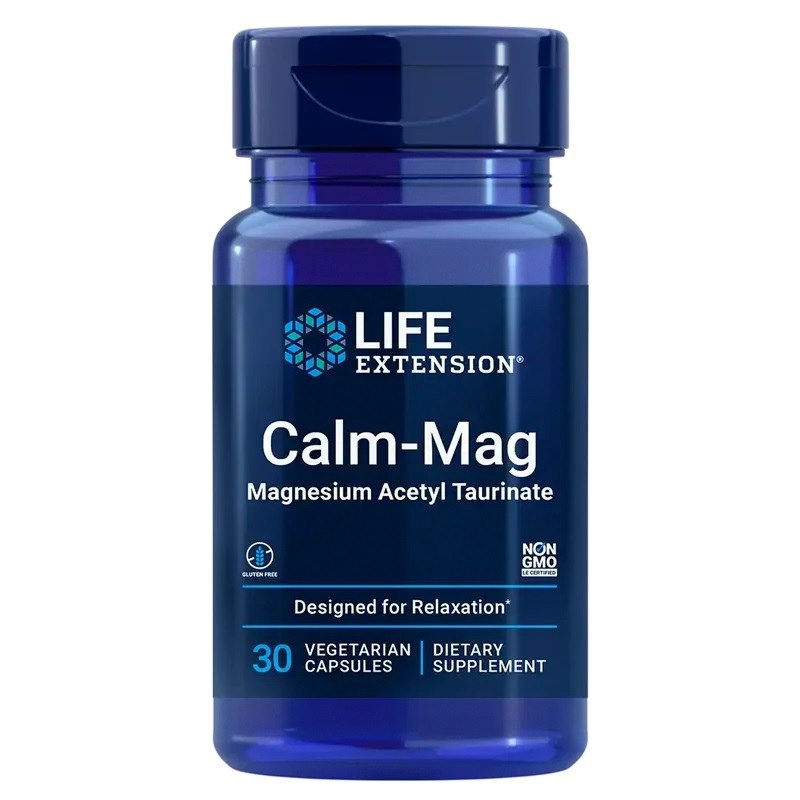
Life Extension
Life Extension - Calm-Mag - 30 Vcaps
286 krIn stockWhy is this shown?
Historiskt katalogurval. Innehåll, mängd och form behöver kontrolleras mot aktuellt underlag.
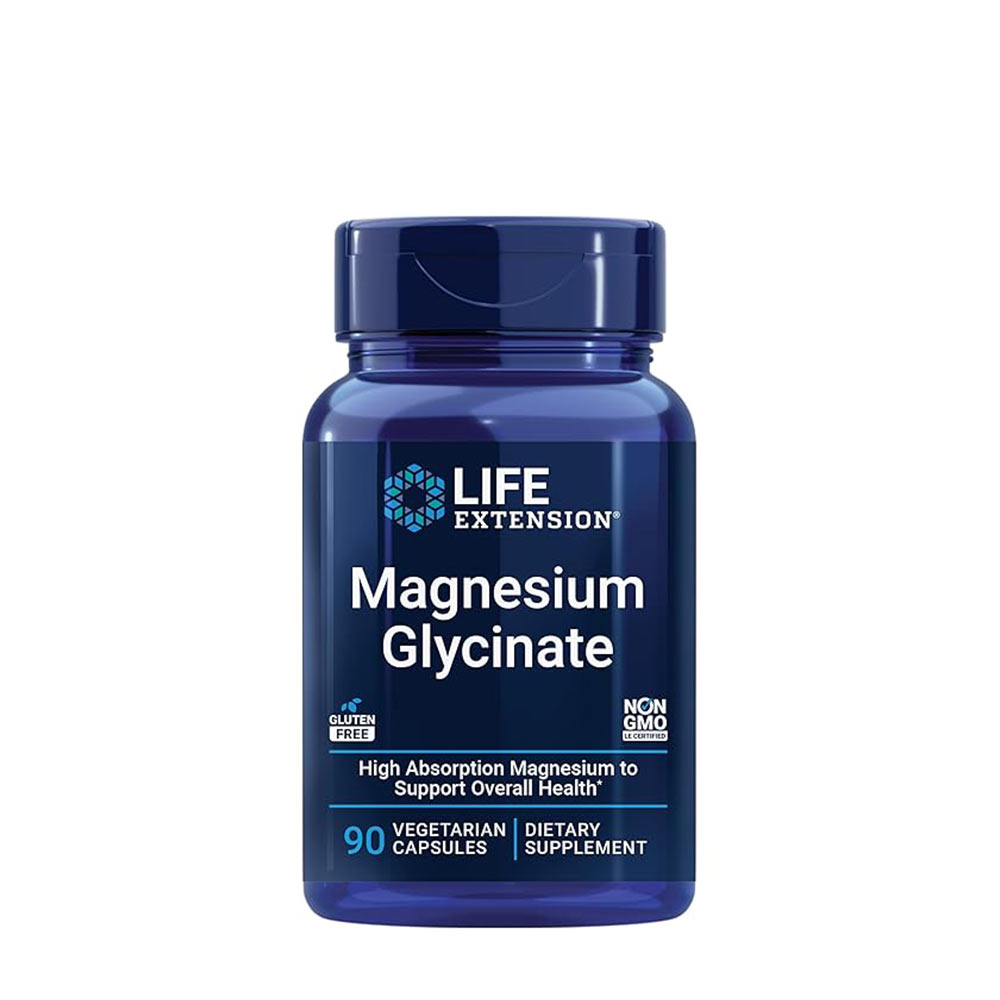
Life Extension
Life Extension - Magnesium Glycinate - 90 Vcaps
260 krIn stockWhy is this shown?
Historiskt katalogurval. Innehåll, mängd och form behöver kontrolleras mot aktuellt underlag.
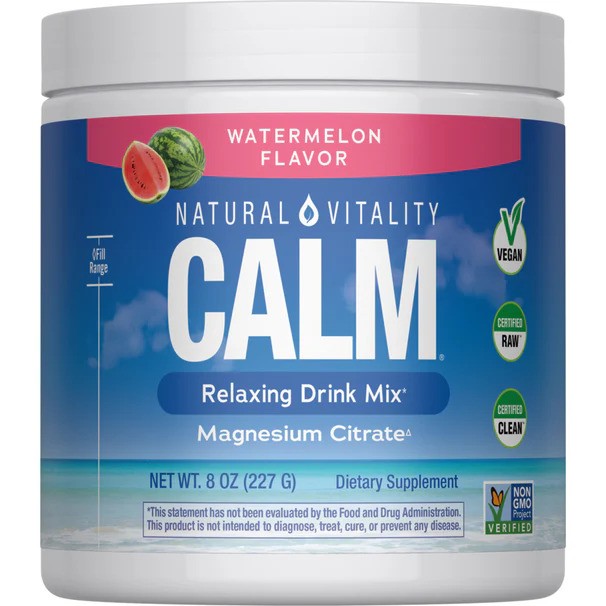
Natural Vitality
Natural Vitality - Calm Magnesium Powder (Watermelon - 227g)
284 krIn stockWhy is this shown?
Historiskt katalogurval. Innehåll, mängd och form behöver kontrolleras mot aktuellt underlag.
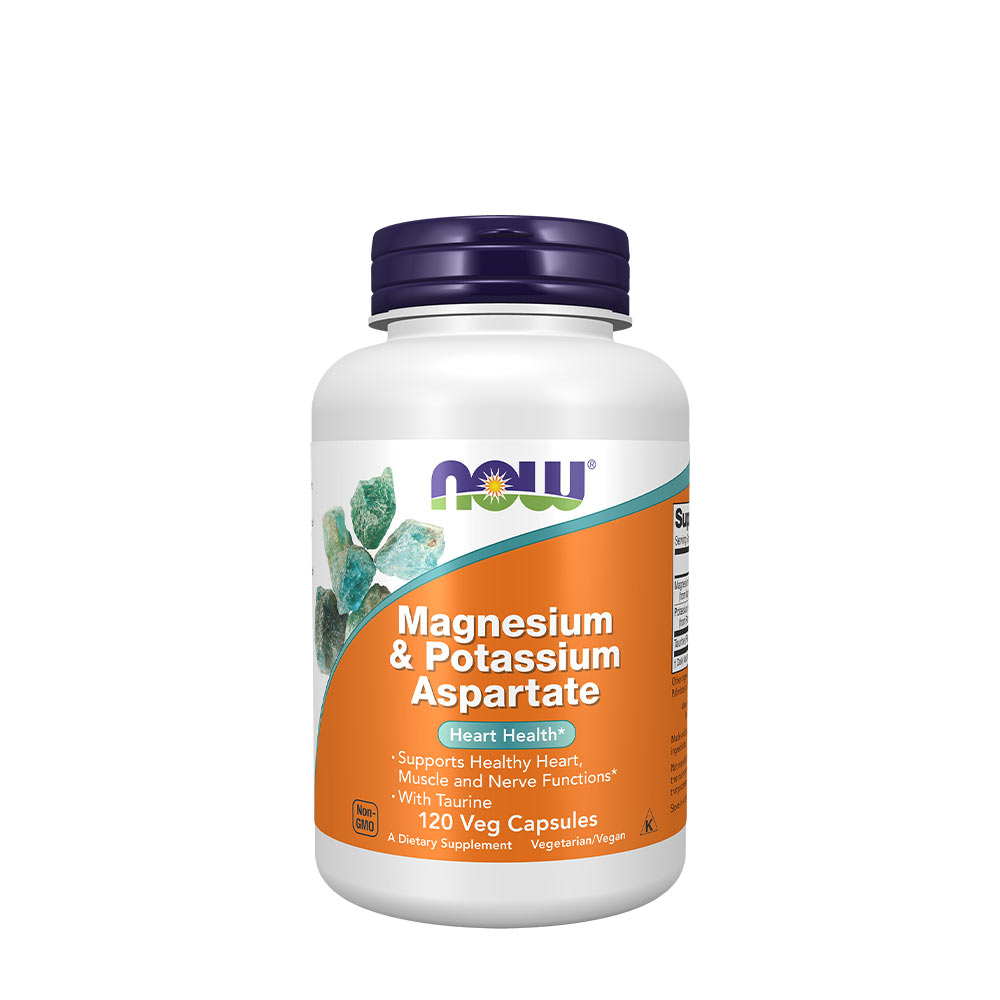
NOW Foods
NOW Foods - Magnesium & Potassium Aspartate - 120 Vcaps
210 krIn stockWhy is this shown?
Historiskt katalogurval. Innehåll, mängd och form behöver kontrolleras mot aktuellt underlag.


