What Is a Vitamin D Spray?
Short answer
A vitamin D spray is an oral supplement that delivers a measured dose into the mouth as a spray or mist. It is a delivery method, not a separate nutrient, and the label matters more than the format.
Quick facts
- It is a measured oral delivery method for vitamin D.
- Products may contain vitamin D2 or vitamin D3.
- Studies mainly measure blood 25(OH)D after use.
- Dose per spray and total daily intake matter most.
- Sprays were not shown to be clearly better than capsules or drops.

What is a vitamin D spray?
A measured oral format
A vitamin D spray is an oral supplement that delivers a measured dose into the mouth as a spray or mist, rather than as a tablet or capsule. In the research literature, it is treated as a delivery method for vitamin D, not as a separate nutrient. The studies that compare sprays with capsules and drops mainly look at blood 25-hydroxyvitamin D, a marker of vitamin D status, rather than long-term outcomes. That means the format changes how the product is taken, not what vitamin D is.
| Format | How it is taken | What matters most |
|---|---|---|
| Spray | Metered liquid dose into the mouth | How many micrograms each spray contains |
| Tablet or capsule | Solid dose swallowed | The labelled daily amount |
| Drops | Liquid dose without a spray pump | The measured serving size |
Which vitamin D does it contain?
Products may contain vitamin D2 or vitamin D3, and the spray format does not tell you which one is inside. The evidence reviewed for sprays focuses mostly on D3 products, but the label on a specific product is what counts. Comparative spray research and the NIH vitamin D fact sheet both make clear that product form and dose must be checked on the package, not guessed from the word “spray.”
Why do people choose sprays?
People often choose a spray because it can be easier than swallowing a capsule, especially if they prefer a non-pill format. A spray can also be useful when someone wants a measured daily dose without having to swallow a solid supplement. In one wintertime crossover trial of 22 healthy adults, participants took 3,000 IU (75 µg) a day either as a spray or as a capsule; both formats raised blood vitamin D status, and the difference between them was not statistically significant.
A vitamin D spray is a convenient way to take a labelled dose — not a special kind of vitamin D.
What matters in practice is the dose per spray, the number of sprays in the daily portion, and the total vitamin D taken that day. A spray is still a supplement, so its usefulness depends on using the product consistently and reading the label carefully.
How does a spray deliver vitamin D in the body?
What happens after you spray it
A vitamin D spray delivers a measured dose into the mouth, but placing it against the cheek does not prove that the whole dose crosses the oral lining or bypasses the gut; some may simply be swallowed. In the comparative studies, the main outcome was the change in blood 25-hydroxyvitamin D (25[OH]D), the marker used to track vitamin D status after intake. Systematic review of vitamin D3 spray comparisons

That means the evidence is about what happened to serum 25(OH)D after use, not about a unique spray-only route or a proven advantage for buccal absorption. Review of spray versus other delivery methods
Sprays versus capsules and drops
| Study | Delivery forms | Participants | Daily dose | Result |
|---|---|---|---|---|
| Winter crossover trial | Spray vs capsule | 22 healthy adults | 3,000 IU (75 µg) | 25(OH)D rose by 26.15 nmol/L with spray and 30.38 nmol/L with capsule; the difference was not statistically significant. |
| Eight-week randomised study | Capsule, oil-based spray, water-based spray | 101 adults with initially suboptimal status | 1,000 IU (25 µg) | 25(OH)D increased in all groups; differences between forms were not statistically significant. |
In the 22-adult crossover trial, 3,000 IU (75 µg) daily for four weeks raised 25(OH)D by 26.15 nmol/L with spray and 30.38 nmol/L with capsule; the difference was not statistically significant (P = 0.313). A separate eight-week study in 101 adults found rises from 39.5 to 70.8 nmol/L with capsules, 39.5 to 69.0 with an oil-based spray, and 39.0 to 66.0 with a water-based spray. Wintertime spray-versus-capsule trial Delivery-form comparison in adults
What the wider review says
A systematic review of four randomised comparisons found one study favouring spray, while the other three found no between-method difference after treatment. The studies compared sprays with capsules and drops, but direct evidence against tablets was particularly limited, and the review could not produce a reliable pooled estimate because the trials differed in populations, doses, designs and laboratory methods.
Small studies can show that a spray raises serum 25(OH)D, but they do not show that a spray is automatically absorbed better than capsules, tablets or drops.
What can vitamin D legally claim to do?
The claim can be used only when the food meets the conditions in the annex, including being at least a source of vitamin D.
Permitted wording is not a disease claim
| Permitted claim | |
|---|---|
| Normal absorption and utilisation of calcium and phosphorus | The legal wording stays tied to the nutrient’s normal role, not to broad promised outcomes. EUR-Lex |
| Maintenance of normal bones and teeth | Deficiency matters: the NHS says too little vitamin D can lead to rickets in children and osteomalacia in adults. NHS Nordic Nutrition Recommendations 2023 |
| A systematic review of 51 randomised controlled trials involving 7,798 non-athletes found no beneficial effect on most muscle-strength, physical-performance or muscle-mass outcomes. Vitamin D and Muscle Health review | |
| Vitamin D and acute respiratory infections meta-analysis |
That is why the same supplement can be marketed within the rules and still have limited evidence for bigger promises. In practice, the clearest support is for avoiding deficiency-related problems, while evidence for broader outcomes in otherwise healthy adults is mixed or limited. NHS Nordic Nutrition Recommendations 2023
How much vitamin D do you need?
Reference intakes are not the same everywhere
European guidance does not give one universal number for everyone. EFSA’s vitamin D opinion sets an adequate intake of 10 µg/day for infants aged 7–11 months and 15 µg/day for healthy people over one year of age, including pregnant and lactating women, using an assumption of minimal sun exposure. In the UK, the NHS says children from age 1 and adults need 10 micrograms a day, while babies up to 1 year need 8.5 to 10 micrograms a day. The Nordic Nutrition Recommendations 2023 are different again: adults under 75 have a recommended intake of 10 µg/day, rising to 20 µg/day from age 75, and 20 µg/day is also recommended for people with little or no sun exposure. One microgram equals 40 IU.

| Authority | Population | Daily amount | Note |
|---|---|---|---|
| EFSA | 7–11 months | 10 µg | Adequate intake |
| EFSA | Over 1 year, including pregnancy and lactation | 15 µg | Adequate intake |
| NHS | Age 1 and over | 10 µg | UK advice |
| NHS | Up to 1 year | 8.5–10 µg | UK advice |
| Nordic Nutrition Recommendations 2023 | Adults under 75 | 10 µg | Recommended intake |
| Nordic Nutrition Recommendations 2023 | Age 75 and over | 20 µg | Recommended intake |
Why the right amount changes from person to person
The number that fits one person can be different for another because the evidence and advice are built around age and sun exposure, and the NHS also flags people who are often indoors, covered up outdoors or have dark skin as groups who may need year-round supplementation. The UK guidance also changes with the season: from late March or early April to the end of September, most people can make enough vitamin D from sunlight, while autumn and winter are the times when a supplement is more often considered. Total daily intake matters too, because food, fortified foods and other supplements all add up.
The useful comparison is always the full daily total, not the front-of-pack headline or the fact that the product comes as a spray.
When a spray is the practical format
A spray is most useful when someone wants a daily maintenance supplement and prefers not to swallow capsules. It is simply a different way to deliver a measured oral dose; the format itself does not replace the need to match the total amount to age, sun exposure and other vitamin D already being taken. Comparative studies of vitamin D3 sprays and other formats measured blood 25-hydroxyvitamin D, but they did not show that sprays were clearly superior.
For vitamin D, the key question is the total daily amount for this person, not whether the dose comes from a spray, capsule or drops.
Which foods and sunlight provide vitamin D?
Oily fish are the strongest ordinary food sources in the retrieved evidence, while egg yolk, UV-exposed mushrooms and some fortified foods contribute smaller amounts. The NHS says it is difficult to get enough vitamin D from food alone, which is why it advises a daily supplement for many people in autumn and winter. NHS vitamin D guidance
Food sources in practical servings
These amounts are for the specific serving and preparation listed, so they are useful as comparisons rather than guarantees for every product. NIH Office of Dietary Supplements vitamin D fact sheet
| Food source | Typical serving | Vitamin D | Note |
|---|---|---|---|
| Cooked sockeye salmon | 3 oz | 14.2 µg | ODS food table |
| Cooked farmed rainbow trout | 3 oz | 16.2 µg | ODS food table |
| Raw, sliced, UV-exposed white mushrooms | 1/2 cup | 9.2 µg | UV treatment matters ODS food table |
| Vitamin-D-fortified 2% milk | 1 cup | 2.9 µg | Fortification is product-specific ODS food table |
| One large scrambled egg | 1 egg | 1.1 µg | ODS food table |
The NHS also lists fortified foods such as some fat spreads and breakfast cereals, and it notes that UK cows’ milk is generally not a good source because it is not fortified. NHS vitamin D guidance
What sunlight can, and cannot, do
From about late March or early April to the end of September, most people should be able to make all the vitamin D they need from sunlight on their skin. NHS vitamin D guidance
That seasonal pattern matters because the NHS says that between October and early March the sun is not strong enough in the UK to make enough vitamin D. EFSA notes that its vitamin D reference values assume minimal sun exposure, and the NIH ODS flags people with limited sun exposure, dark skin, older age and fat-malabsorption conditions as groups more likely to have inadequate status. NHS vitamin D guidance EFSA vitamin D reference values NIH ODS vitamin D fact sheet
If you cover most of your skin outdoors, or are rarely outside, sunlight is even less dependable as a source. NHS vitamin D guidance
How do you choose a vitamin D spray?
Compare the label, not the spray format
Start with the facts that change from one bottle to the next: the vitamin form, the amount per spray, the number of sprays in the daily serving, and the resulting daily total. EU supplement rules require the recommended daily portion and the nutrient amount per portion to be declared on the label (Directive 2002/46/EC). One microgram equals 40 IU, so a label can be read in either unit and converted directly (NHS vitamin D guidance).
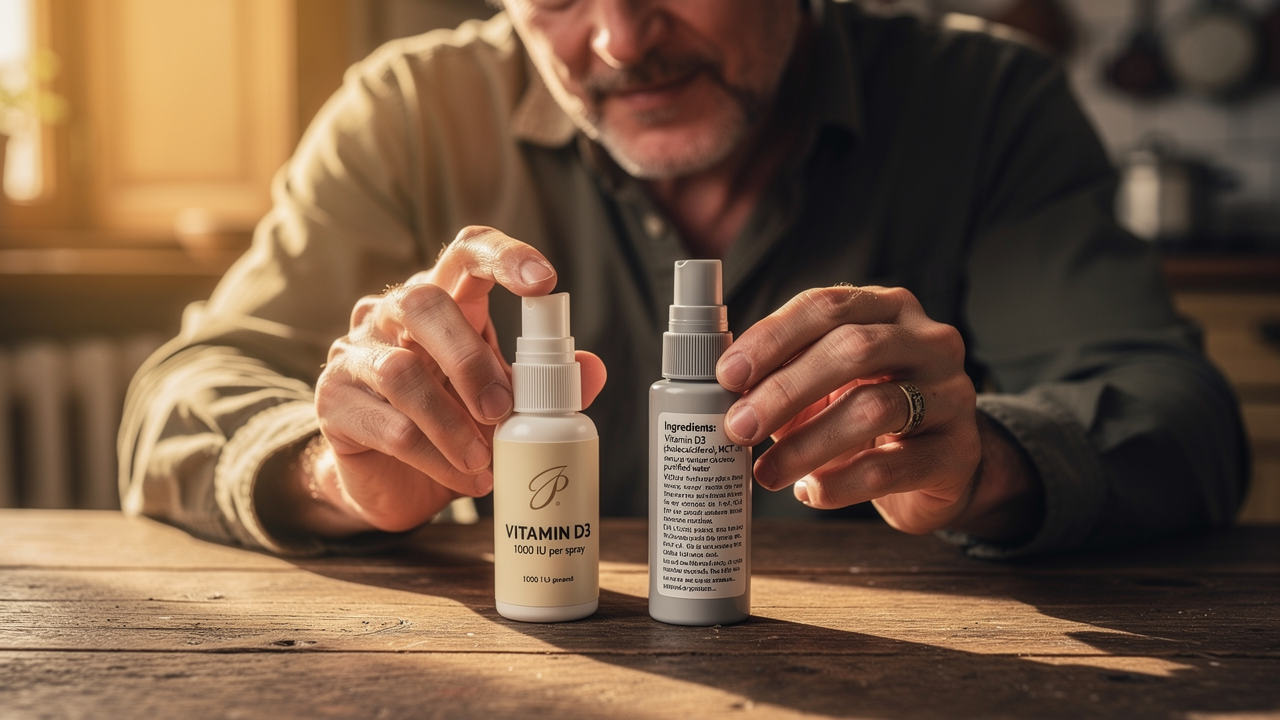
| Label item | What to verify | Example from a reviewed product label |
|---|---|---|
| Vitamin form | D2 or D3 | Cholecalciferol, listed as vitamin D3 |
| Amount per spray | µg or IU in one actuation | 1000 IU |
| Daily serving | How many sprays make the stated dose | One spray under the tongue daily |
| Pack size | How much liquid is in the bottle | 30 ml |
| Other ingredients | Sweeteners, flavourings, carrier ingredients, allergens or alcohol | Water, sorbitol, xylitol, polysorbate 80, flavouring, stevia, potassium sorbate, trisodium citrate, citric acid and xanthan gum |
That kind of panel is the right comparison baseline for any spray, because the front label alone does not tell you the full daily dose. A single spray label can be quite different from another spray label even when both are sold as vitamin D products (Vitamin D3 Sublingual Spray – 1000 IU – 30ml).
Use the same checklist for BetterYou and any other brand
The NHS lists BetterYou among brand names for colecalciferol, alongside Desunin, Stexerol and Strivit (NHS: who can and cannot take colecalciferol). That means the same label check applies whether you are comparing a BetterYou vitamin D spray with another spray or a different delivery form: look for the exact product name, the declared form, the stated dose per spray, the daily portion, and the full ingredient list.
For suitability, read the pack rather than the marketing. The evidence here says a spray can be a convenient way to supply an indicated dose, but the product should match the intended user’s age range and daily amount; a product for adults should not be assumed suitable for babies or children, and infant formula intake needs to be considered where relevant (NHS vitamin D guidance; NHS vitamin D guidance).
What a careful label should make easy to see
Compare the exact product label, not the word “spray” on the front.A clear label should let you answer three practical questions without guesswork: what the spray contains, how much is in each spray, and how many sprays make the daily portion. If the product page or pack does not state the exact product, the ingredient list, the age range, or the daily directions clearly, keep comparing rather than assuming the spray format itself tells you enough. The safest choice is the one whose label you can read completely and convert correctly.
What are the safety issues and who needs advice?
Too much vitamin D can push calcium too high
The main safety problem is not the spray itself but the total vitamin D intake. EFSA says the tolerable upper intake level is a ceiling for chronic daily intake, not a target, and sets it at 100 µg a day (4,000 IU) from age 11 onward, including pregnancy and lactation; lower upper limits apply to younger children. The NHS gives the same adult ceiling and warns that taking too much over time can raise blood calcium and damage the kidneys and heart. EFSA upper-limit tables NHS vitamin D guidance
More is not better: if you already use multivitamins, calcium products or prescribed vitamin D, count the spray as part of the total. ODS notes that excess supplemental vitamin D can cause high blood calcium and, in severe cases, kidney injury. NIH ODS vitamin D fact sheet
Who should check with a clinician first
People with high blood or urinary calcium, kidney failure, previous kidney stones, sarcoidosis or a known excess of vitamin D should ask a clinician or pharmacist before using colecalciferol, according to the NHS. That same NHS page says allergy to an ingredient is also a reason to avoid self-starting. Who can and cannot take colecalciferol
For anyone with a chronic condition, a history of stones, or an existing plan for calcium or vitamin D, the practical rule is to check the label and the full daily total first. A spray should not be assumed to suit every condition or to replace individualized dosing advice. NIH ODS vitamin D fact sheet
Medicines can change the risk
Medicine or situation Why it matters Source Orlistat May reduce vitamin D absorption; a spray should not be assumed to bypass that interaction. ODS Corticosteroids ODS flags them as affecting vitamin D status. ODS Thiazide diuretics Can raise concern about high calcium when combined with vitamin D. ODS ODS also advises checking before use if you take medicines that alter vitamin D status or calcium balance. Pregnancy, breastfeeding, children and older adults may all need product-specific guidance because the daily ceiling and the suitable dose vary by age and situation. NIH ODS vitamin D fact sheet
How should you use a vitamin D spray correctly?
Read the bottle, not the front panel
A vitamin D spray is only useful if the dose you take matches the label on that specific bottle. NIH vitamin D fact sheet
What to check on the label Why it matters Vitamin D form Check whether the spray contains D2 or D3. µg or IU per spray This is the amount that counts for each actuation. Sprays in the daily portion The daily serving may be one spray or more. Intended age group Adult-labelled products are not automatically suitable for children or infants. Any first-use directions Follow bottle-specific instructions if the pack tells you to shake, prime, or place the spray in a particular part of the mouth. Count the whole day’s intake
Take the labelled amount consistently, and do not improvise by adding extra sprays because that only raises the total vitamin D for the day. The NHS advice for colecalciferol says that if you miss a dose and it is nearly time for the next one, you should skip the missed dose and never take two doses together. NHS advice on how and when to take colecalciferol
That same counting rule applies to everything else you take. The ODS fact sheet says vitamin D can come from fortified foods as well as supplements, and specifically flags multivitamins and cod liver oil as sources to include when you total your intake. A higher spray count is not a shortcut for a missed day or a reason to stack products without checking the full daily total first. NIH vitamin D fact sheet
Keep the routine simple
If you change bottles, read the new label again before the next dose. One product may ask for one spray; another may specify a different number of sprays or a different mouth position. The safe habit is to follow the directions on that bottle, keep to the same daily schedule, and return to the usual schedule after a missed dose rather than doubling up. NHS dosing advice
Bottom line: the correct use of a vitamin D spray is product-specific dose counting, total-intake checking, and steady day-to-day use.
Safety and precautions
The main safety issue is total vitamin D intake, because too much over time can raise blood calcium and may damage the kidneys and heart. Check the full daily total if you also use other supplements or prescribed vitamin D, and do not double up doses.
Ask a healthcare professional before starting if you take medicines that affect vitamin D or calcium, or if you are pregnant, breastfeeding, or choosing a product for a child. Also get advice first if you have kidney failure, kidney stones, high calcium, sarcoidosis, or a known excess of vitamin D.
Supplements with the ingredients in this article
Compare contents, dose and price
Frequently asked questions
How long does it take to raise vitamin D levels after starting a spray?
In the studies described, blood 25(OH)D rose within about 4 to 8 weeks. The exact timing depends on your starting level, the dose, and how consistently you use the product.
Do you need a blood test before taking vitamin D spray?
The article does not say that a blood test is required before starting. A test can still be useful if you suspect deficiency, need follow-up after treatment, or have a health condition or medicine that makes dosing less straightforward.
Can you take vitamin D spray together with cod liver oil?
Yes, but you need to count both sources toward your total daily vitamin D. The article specifically says cod liver oil should be included when you add up intake, so combining products can make the total higher than you intended.
What is the difference between prescription vitamin D and over-the-counter spray?
The article does not give a formal side-by-side comparison. Practically, a prescription product is used within a clinician-directed plan, while an over-the-counter spray is chosen by label and needs careful checking of the dose per spray and the full daily total.
Are combination sprays with vitamin K2 or magnesium worth considering?
The article does not evaluate vitamin K2 or magnesium combination sprays, so it does not show that they are better than plain vitamin D. The main things to compare here are the vitamin form, the dose per spray, the daily serving, and whether the product suits the intended user.
How often should vitamin D status be rechecked if you were deficient?
The article does not give a fixed recheck interval. If deficiency was diagnosed, follow the clinician's plan for repeat testing and dose adjustment.
Sources
- NHS: Vitamin D (external link)
- NHS: Who can and cannot take colecalciferol (external link)
- How and when to take colecalciferol (external link)
- NORDIC NUTRITION RECOMMENDATIONS 2023 (external link)
- EUR-Lex: EUR-Lex - 02012R0432-20250820 - EN (external link)
- Title of the Technical report (external link)
- EFSA: Vitamin D: EFSA sets dietary reference values (external link)
- CL2002L0046EN0120010.0001.3bi_cp 1..1 (external link)
Read more
Products related to this article
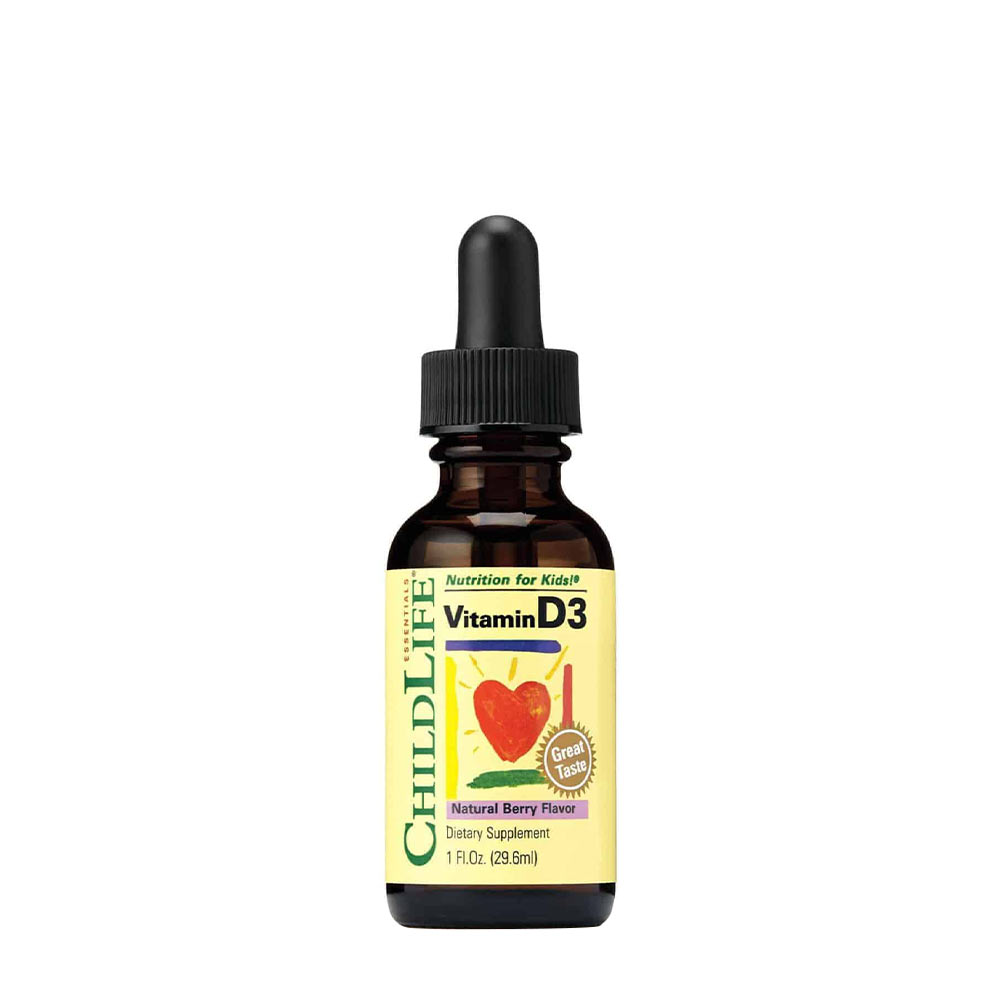
Child Life
Child Life - Vitamin D3 - 1 fl oz
124 krIn stockWhy is this shown?
Katalogkoppling till samtliga valda ingredienser · Ämnesnamnet förekommer i produktnamnet · I lager · Betyg 5.0 av 16 kunder
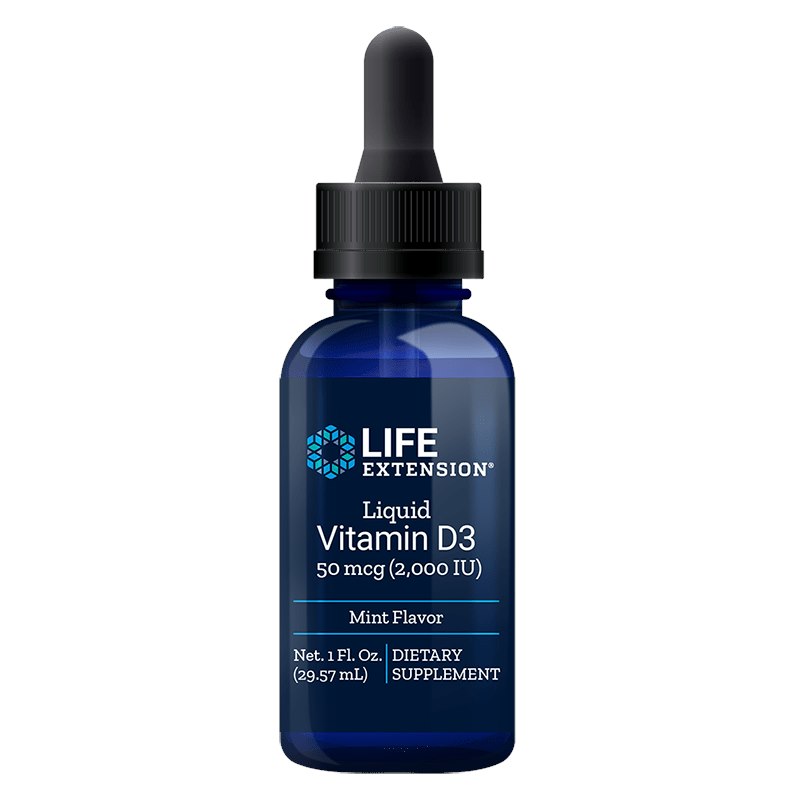
Life Extension
Life Extension - Liquid Vitamin D3 - 29.57ml
288 krIn stockWhy is this shown?
Katalogkoppling till samtliga valda ingredienser · Ämnesnamnet förekommer i produktnamnet · I lager · Betyg 5.0 av 13 kunder
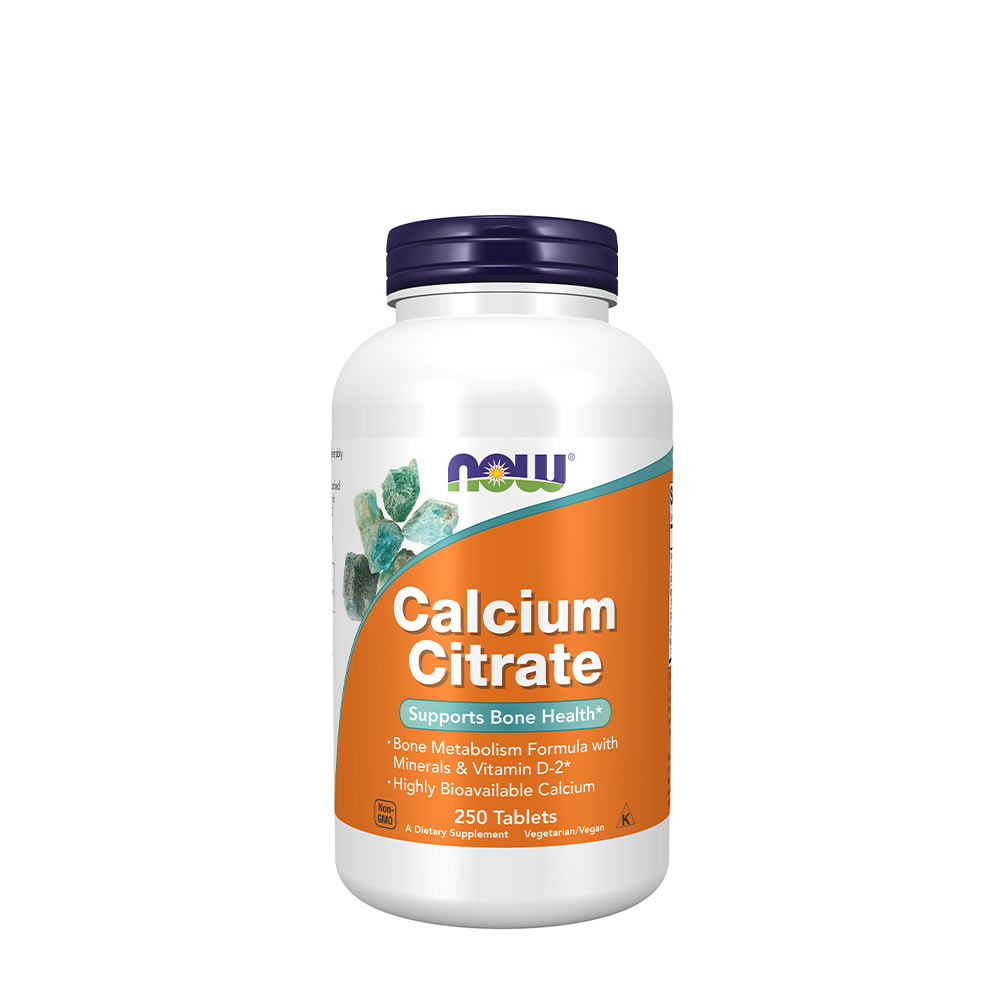
NOW Foods
NOW Foods - Calcium Citrate With Minerals & Vitamin D2 - 250 Tabs
447 krIn stockWhy is this shown?
Katalogkoppling till samtliga valda ingredienser · Ämnesnamnet förekommer i produktnamnet · I lager · Betyg 5.0 av 16 kunder

NOW Foods
NOW Foods - Calcium & Magnesium, Citrate Powder With Vitamin D3 - 227g
221 krIn stockWhy is this shown?
Katalogkoppling till samtliga valda ingredienser · Ämnesnamnet förekommer i produktnamnet · I lager · Betyg 4.9 av 13 kunder
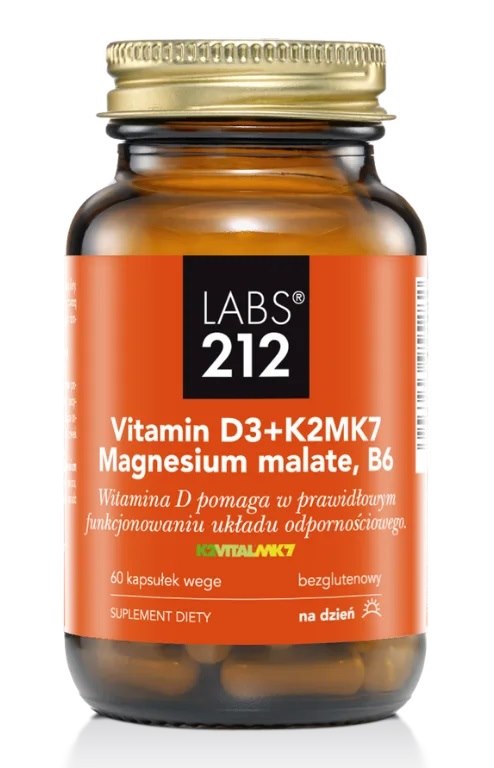
LABS 212
LABS 212 - Vitamin D3 + K2MK7 Magnesium Malate B6 - 60 Caps
254 krIn stockWhy is this shown?
Katalogkoppling till samtliga valda ingredienser · Ämnesnamnet förekommer i produktnamnet · I lager


