What are the main sources of vitamin D?
Short answer
The main sources of vitamin D are UVB sunlight on uncovered skin, naturally vitamin D-rich foods, fortified foods, and supplements. In practice, the best source depends on season, location, diet, and how reliable your routine is.
Quick facts
- Vitamin D can come from sunlight, food, fortified foods, or supplements.
- UVB light must reach uncovered skin; light through ordinary window glass does not work.
- Fish and fish-liver oil are the richest natural food sources in the article.
- Fortification differs by country and product, so labels matter.
- Vitamin D2 and D3 are both vitamin D, but D3 generally raises blood levels more and longer at comparable doses.

What counts as a vitamin D source?
Four practical source categories
The main sources are vitamin D made in skin after UVB sunlight exposure, vitamin D naturally present in food, vitamin D added to fortified foods, and vitamin D taken as supplements. The NIH Office of Dietary Supplements notes that sunlight, food, fortified foods and supplements all contribute, but the mix varies with season, location and habits, and no single source works reliably for everyone.
| Source category | What it means | What to check |
|---|---|---|
| Skin synthesis | UVB light reaches uncovered skin and starts vitamin D production | Sunlight through ordinary window glass does not work |
| Natural foods | Vitamin D is present without being added | Only a few foods naturally contain much vitamin D |
| Fortified foods | Vitamin D has been added by the manufacturer | Fortification differs by country and product |
| Supplements | Vitamin D is taken in measured dose form | Check whether the form is D2 or D3 |
D2 and D3 are both vitamin D, but they are not the same
Vitamin D3 (cholecalciferol) is made in human skin and occurs in fish and other animal foods. Vitamin D2 (ergocalciferol) occurs in mushrooms exposed to ultraviolet light and can be made by irradiating yeast. Supplements and fortified foods may contain either form, and the form cannot reliably be inferred from a food’s name alone. The same ODS fact sheet says both forms are absorbed and raise blood 25-hydroxyvitamin D, but D3 generally raises it more, and for longer, at comparable doses.
Why Europe cannot rely on sunlight alone
Sunlight can be a major source when conditions allow, but it is seasonal and unpredictable. The NHS says that in the UK most people can make enough vitamin D from sunlight from about late March or early April to the end of September, while between October and early March sunlight is not strong enough for that route to work well. The Nordic Nutrition Recommendations 2023 similarly notes that at Nordic and Baltic latitudes sunlight is insufficient for part of the year. For that reason, diet and fortified foods matter when sun exposure is limited.
For European readers, the practical takeaway is simple: use the label to see whether a food is truly fortified, and do not assume that a mushroom, milk or plant drink contains vitamin D unless the package says so. Fortification practices differ between countries, and an ordinary product is not automatically a useful source.
How does sunlight make vitamin D?
The skin pathway
When UVB light, roughly 290–320 nm, reaches uncovered skin, it converts 7-dehydrocholesterol to previtamin D3, which then becomes vitamin D3. The liver and then mainly the kidneys turn vitamin D into its measured and active metabolites. NIH ODS explains the UVB skin pathway.

That is why sunlight behind ordinary window glass does not count for this route: UVB does not pass through window glass. Sitting by a bright window is not the same as having uncovered skin outdoors. NIH ODS on window glass and UVB
What reduces production
Vitamin D production falls when too little UVB reaches the skin. The main reasons listed in the evidence are season, time of day, cloud or smog, being indoors, and clothing that covers the skin. NIH ODS on UVB limits
| Factor | What the evidence says |
|---|---|
| Latitude, season, and time of day | They change how much UVB reaches skin, so sunlight is not equally effective everywhere or all year. NIH ODS |
| Cloud cover, smog, indoor time, clothing | All can reduce UVB exposure to uncovered skin. NIH ODS |
| Skin pigmentation and age | Different skin responses mean the same exposure does not produce the same result for everyone. NIH ODS |
Latitude alone does not tell you a person’s vitamin D status; behavior and local conditions matter. A systematic review found that dose-response results were largely applicable to lighter-skinned participants, not a universal exposure schedule, and another review found reduced UV-induced production in darker skin in 7 of 12 experimental studies, but not all of them. NIH ODS on study limits
Why there is no universal safe time
Sunscreen can substantially block vitamin-D-producing UV under controlled conditions, but the review evidence is mixed in everyday use: it identified four experimental studies, three field trials, and 69 observational studies, and the two randomized field trials using about SPF 16 found no reduction in vitamin D status with daily use. The reviewers also noted the lack of comparable trials of modern high-SPF sunscreens. PubMed review of sunscreen and vitamin D
There is no well-supported, universally safe number of minutes in the sun that guarantees adequate vitamin D for everyone. PubMed review
For that reason, tanning beds are not a reliable strategy for vitamin D planning, and any approach that aims to supply vitamin D must be balanced against skin protection. NHS vitamin D guidance
Which foods are richest in vitamin D?
Among foods that occur naturally, the highest values in the evidence are in fish and fish-liver oil. The NIH Office of Dietary Supplements lists cod-liver oil at 34 µg per tablespoon, while cooked fish examples are lower but still substantial: 16.2 µg in 85 g of cooked farmed rainbow trout and 14.2 µg in 85 g of cooked sockeye salmon. The NHS also lists oily fish such as salmon, sardines, trout, herring and mackerel among food sources of vitamin D. NHS vitamin D advice
No single fish or mushroom has one fixed vitamin D value for every shop, season or preparation.
| Food | Measured amount in the evidence | Why the number can move |
|---|---|---|
| Cod-liver oil | 34 µg per tablespoon | Oil and serving size matter |
| Cooked farmed rainbow trout | 16.2 µg per 85 g | Species and preparation matter |
| Cooked sockeye salmon | 14.2 µg per 85 g | Species and preparation matter |
| Large scrambled egg | 1.1 µg | The vitamin is in the yolk |
| Braised beef liver | 1.0 µg per 3 oz | Cut and preparation matter |
| Cows’ milk in the UK | Generally not a good source | It is not fortified |
Animal foods: fish lead, eggs and liver trail far behind
The same NIH table shows how sharply amounts fall after fish and fish-liver oil: 1.1 µg in one large scrambled egg and 1.0 µg in 3 oz of braised beef liver. For readers comparing salmon, a PubMed analysis found wild Atlantic salmon fillets averaging 9.4 ± 1.9 µg/100 g in North Sea samples and 18.5 ± 4.6 µg/100 g in Baltic Sea samples, while farmed fillets measured 2.9–9.5 µg/100 g. That spread shows why species, farming method and capture area matter. PubMed salmon study
Vegan sources: UV-exposed mushrooms
UV-exposed mushrooms can be a vegan source of vitamin D2, but the amount depends on species and treatment. In retail samples analysed without reported UV treatment, morel, chanterelle and maitake mushrooms ranged from 5.2 to 28.1 µg/100 g, while white button, crimini and portabella samples had only 0.1–0.3 µg/100 g. The EU listing for UV-treated Agaricus bisporus allows up to 20 µg vitamin D2 per 100 g fresh weight, but that is a regulatory maximum, not a guarantee on any package. PubMed mushroom study EU UV-treated mushroom rule
Read the serving, not just the species
The NIH warns not to compare a cooked-food figure with a raw-food figure as if cooking had no effect. That matters because vitamin D values are measured in the specific edible portion described, not in every version of the food. For fish, egg and mushroom shoppers, the safest rule is to treat each number as a snapshot of one product, one preparation and one analysis, not as a permanent value for the whole category. NIH vitamin D fact sheet
Which fortified foods and supplements work?
In Europe, the practical fortified foods to check are milk and other liquid dairy products, fortified plant-based alternatives, and fat spreads, plus breakfast cereals and any juice whose label confirms added vitamin D. Finland’s fortification recommendation, for example, specifies 1 µg vitamin D3 per 100 ml for listed milk and liquid dairy products and 20 µg per 100 g for listed spreads; that is a fortification recommendation, not a measured amount in every product. The practical rule is simple: check the package, because the vitamin D content depends on the exact product, not the food category alone.

| Vehicle | What to check on the label | Practical note |
|---|---|---|
| Milk and liquid dairy products | Whether vitamin D is added, and the amount per serving | A 200 ml drink only gives 2 µg if the product actually contains 1 µg per 100 ml |
| Plant-based drinks | Declared vitamin D in µg, not just the plant-based claim | Fortification varies by brand and country |
| Fat spreads | Vitamin D per 100 g or per portion | Use the amount you spread, not the full tub value |
| Breakfast cereals | Added vitamin D in the nutrition panel | Only fortified cereals count as a source |
| Juices | Vitamin D must be explicitly declared | Do not assume ordinary juice contains any vitamin D |
Which supplement forms are used?
Labels may name D2 or D3. Vitamin D2 (ergocalciferol) occurs in mushrooms exposed to ultraviolet light and can be made by irradiating yeast; vitamin D3 (cholecalciferol) is the form made in human skin and occurs in fish and other animal foods. Supplements and fortified foods may contain either form, so vegan shoppers need to check the ingredient source rather than assuming it from the product category. Both forms raise blood 25-hydroxyvitamin D, though D3 generally raises it more and for longer at comparable doses.
1 µg vitamin D = 40 IU, so the number in micrograms and the serving size matter. The FDA uses 20 µg as 100% Daily Value on US labels, while the EU food-label nutrient reference value is 5 µg; percentages are therefore jurisdiction-specific and should not be compared blindly. Read the amount in the serving you will actually eat or drink, and check whether the vitamin D is naturally present or has been added through fortification. FDA label guidance and EU labelling rules both treat the declared amount as the key number.
What can EU claims say?
The claim is allowed only when the food qualifies as at least a source of vitamin D.
How much vitamin D do you need?
Vitamin D recommendations are usually given in micrograms per day and are set for generally healthy people, not for treating deficiency. EFSA says its dietary reference values assume minimal sun exposure; the Nordic recommendations allow for some ordinary summer exposure, which is one reason the figures differ. EFSA dietary reference values for vitamin D Nordic Nutrition Recommendations 2023
How the main European figures compare
| Life stage | EFSA | Nordic Nutrition Recommendations 2023 | Finnish national guidance |
|---|---|---|---|
| Infants | 10 µg/day AI at 7–11 months | 10 µg/day at 7–11 months | From 2 weeks of age: 2–10 µg/day depending on formula intake |
| Children | 15 µg/day AI from age 1 onward | 10 µg/day from age 1 through 74 | Age 1: 10 µg/day; ages 2–17: 7.5 µg/day |
| Adults | 15 µg/day AI from age 1 onward | 10 µg/day from age 1 through 74; the adult AR is 7.5 µg/day and is not a target | Ages 18–74: 10 µg/day supplement in October–March if fortified dairy or spreads are not used daily and/or fish is not eaten 2–3 times weekly |
| Pregnancy and lactation | 15 µg/day AI | 10 µg/day | 10 µg/day all year |
| Older adults | 15 µg/day AI from age 1 onward | 20 µg/day from age 75 | Age 75+: 10–20 µg/day |
The practical recommendation is the 10 µg/day intake for adults under 75, rising to 20 µg/day at 75 or older or when sun exposure is little or absent. Nordic vitamin D chapter Finnish sustainable health from food guidance
What the authorised EU claims actually cover
In the retrieved EU material, vitamin D claims are tied to foods that qualify as at least a source of vitamin D. The authorised wording is limited to vitamin D contributing to normal calcium and phosphorus absorption, maintenance of normal bones and muscle function, and normal immune-system function. Those are the supported functions to use; they are not a basis for broader promises. EU vitamin D health claims
For label reading, remember that 1 µg equals 40 IU, so the same number can look different across countries or packages even when the underlying amount is the same. NHS vitamin D guidance
Who needs extra care with vitamin D?
Upper limits are ceilings, not goals.
The NIH ODS says excess vitamin D is usually linked to too much supplement use rather than ordinary sun exposure or food, and that it can raise blood and urinary calcium and harm the kidneys. EFSA vitamin D reference values NIH ODS vitamin D fact sheet

| Group | Why extra care is needed | Source-based practical note |
|---|---|---|
| Infants | EFSA sets infant-specific upper limits, and the NHS says babies should take a daily supplement unless they have more than 500 mL of infant formula a day. | Do not use an adult dose for a baby. NHS vitamin D guidance EFSA |
| Older adults, institutionalised people, and people with little sun exposure | The ODS and NHS both flag people who are not often outdoors, are in care homes, or have very limited skin exposure. | These groups are more likely to need individual review of intake. NIH ODS NHS vitamin D guidance |
| Darker skin or skin mostly covered outdoors | The ODS says lower skin exposure and darker skin can reduce vitamin D status; the NHS says people with dark skin or who cover most of their skin may not make enough from sunlight. | Do not assume sunlight alone will cover needs. NIH ODS NHS vitamin D guidance |
| Obesity, fat-malabsorption conditions, or a history of gastric bypass | The ODS identifies all three as higher-risk situations for inadequate status. | These are reasons to seek individual advice rather than guessing a dose. NIH ODS |
| Medicines: orlistat, corticosteroids, thiazide diuretics, statins | ODS says orlistat may reduce absorption of dietary vitamin D; corticosteroids can affect calcium absorption and vitamin D metabolism; and thiazide diuretics can increase concern about high calcium. It also notes potential interactions involving statins. | If you use any of these medicines, ask a clinician before changing vitamin D intake. NIH ODS |
When blood testing or individual advice is sensible
A blood test for 25-hydroxyvitamin D [25(OH)D] reflects vitamin D from both diet and skin production, but does not show how much came from either source. If excess is suspected, the right response is clinical assessment, not more self-dosing. NIH ODS vitamin D fact sheet
Common mistake: treating every label as a green light
One missed detail can matter: EFSA’s upper limits, the NHS supplement advice, and label amounts are not the same thing. The NHS recommends 10 µg/day for adults and children over 4 during autumn and winter, and year-round for some higher-risk groups, but that is not a licence to stack multiple products without checking the total. NHS vitamin D guidance EFSA
How do you choose the best source for your diet?
The practical answer depends on where you live, the season, and how predictable your food routine is. UK public guidance says most people can make enough vitamin D from sunlight only from about late March or early April to the end of September, and that everyone should consider a 10 microgram daily supplement in autumn and winter. The Nordic recommendations also raise the suggested intake to 20 micrograms daily when sun exposure is little or absent.
Match the source to your routine
| Situation | Most practical option | Why |
|---|---|---|
| Regular outdoor time in brighter months | Sun plus food | Sunlight can contribute vitamin D, but only in seasons and conditions where exposure is sufficient. |
| Winter, low sun, indoor work, or covered skin | Fortified foods or a supplement | |
| Vegetarian, vegan, or lactose intolerant | Fortified plant drinks, UV-treated mushrooms, or a supplement | Ordinary plant foods are not assumed to contain vitamin D unless the label says so. |
| Fish eater who prefers food-first | Fish plus fortified foods | Fish is a practical food source, but amounts vary by species and serving. |
If you want a food-first approach, use it only when your usual pattern is realistic. The NHS lists oily fish, egg yolks, fat spreads, breakfast cereals and fortified foods as sources, and says cow’s milk in the UK is generally not a good source because it is not fortified there. In Finland, by contrast, fortification recommendations include milk, liquid dairy products, plant-based alternatives and some fat spreads, so the package matters.
Read the label, not the front-of-pack claim
Compare the amount per serving, not just the %DV; the FDA explains that Daily Value is a label reference, not a personal target. In the EU, the vitamin D nutrient reference value is 5 micrograms, so percentages can be misleading if you do not check the actual micrograms. For fortified foods, confirm that vitamin D is actually added. For supplements, check whether the form is D2 or D3; mushrooms usually provide D2, while animal foods and some supplements provide D3, and supplements may also use animal-free D3.
Best rule: if your sun exposure is seasonal or limited, choose the source you can verify on the label and repeat reliably.
That usually means food-first in brighter months if you eat fish and fortified foods consistently, and fortified foods or a supplement when your routine, latitude, diet, or pill preference makes daily intake less certain.
How does vitamin D fit with B12 and other vitamins?
Foods that can cover more than one nutrient
In mixed diets, the easiest overlap is with animal foods and fortified dairy. The NIH food table gives 2.9 µg vitamin D and about 1.3 µg vitamin B12 per cup of fortified 2%-fat milk, while cooked sockeye salmon is listed at 14.2 µg vitamin D per 3 oz and cooked farmed rainbow trout at 16.2 µg per 3 oz. The same ODS material also lists 1.1 µg vitamin D in one large scrambled egg, 1.0 µg in 3 oz of beef liver, and 1.0 µg in 3 oz of drained canned light tuna. These are specific foods and servings, not a guarantee for every brand or recipe. NIH ODS vitamin D food table
| Food pattern | What the evidence here shows | Why it matters |
|---|---|---|
| Fortified milk | About 2.9 µg vitamin D and 1.3 µg B12 per cup | One of the clearest label-checked overlaps |
| Fish | 14.2–16.2 µg vitamin D per 3 oz cooked salmon or trout | Strong vitamin D source in the food table |
| Eggs and liver | 1.1 µg vitamin D in a large scrambled egg; 1.0 µg in 3 oz beef liver | Smaller vitamin D contributions, but useful in mixed meals |
| Fortified plant drinks | 2.5–3.6 µg vitamin D per cup in the U.S. examples | Practical when a vegan or low-fish diet relies on fortification |
Why one food rarely covers vitamins A, C, E and K
For the other letters, the evidence points to different food groups. Vitamin C is shown by raw sweet red pepper at 95 mg per 1/2 cup and orange juice at 93 mg per 3/4 cup; vitamin E by dry-roasted almonds at 6.8 mg per ounce; and vitamin K by raw spinach at 145 µg per cup. That makes it unrealistic to expect one “all-in-one” food to cover the whole vitamin spread. NIH ODS vitamin C fact sheet
Vitamin A is mainly a label check in this context: the FDA says vitamin A must be listed on Nutrition Facts and Supplement Facts labels when it is added to foods or supplements, and the ODS notes that cereals and plant drinks supply vitamin D, B12, A or E only when those nutrients have been added and declared. For vegan or low-fish diets, that means fortified foods are the practical bridge for vitamin D and any added B12, while fruit, vegetables, nuts, seeds and oils usually fill in the other vitamins. FDA Daily Value label guide NIH ODS vitamin D fact sheet
One food can help, but the label decides whether a plant drink or cereal actually contains the vitamin mix you want.
If you are comparing products, check the package for the exact nutrients added, then compare the amount in the serving you will actually eat or drink. That avoids the common mistake of assuming every milk alternative, cereal or mushroom product contains vitamin D, B12, A or E just because the category sometimes does. EU food label reference value rules
Safety and precautions
Upper limits are ceilings, not goals. Too much vitamin D usually comes from supplements rather than food or sunlight, and excess can raise calcium levels and harm the kidneys. Do not give a baby an adult dose.
If you take medicines such as orlistat, corticosteroids, thiazide diuretics or statins, or if you are pregnant, breastfeeding, or choosing vitamin D for a child, ask a healthcare professional before changing your intake.
Frequently asked questions
Does cooking reduce the vitamin D content of food?
Cooking can change the measured vitamin D amount, so a cooked-food figure should not be compared directly with a raw-food figure. The best approach is to use the number given for that exact product, serving and preparation.
Why do vitamin D labels use both micrograms and IU?
The same amount can be shown in two units because 1 microgram equals 40 IU. Different regions also use different label conventions, so the serving amount in micrograms is the key number to check.
Can you take vitamin D together with a multivitamin?
Yes, but only if you add up the vitamin D from both products. The article warns not to stack products without checking the total amount per serving, especially if you already get vitamin D from fortified foods.
Are fortified breakfast cereals a useful vitamin D source?
They can be, but only if the cereal is actually fortified and the label shows added vitamin D. An ordinary cereal is not automatically a source.
Sources
- Vitamin D (external link)
- EFSA: Vitamin D: EFSA sets dietary reference values (external link)
- NORDIC NUTRITION RECOMMENDATIONS 2023 (external link)
- CL2017R2470EN0590010.0001.3bi_cp 1..7 (external link)
- EUR-Lex: Regulation - 1169/2011 - CS - Food Information to Consumers Regulation (external link)
- EUR-Lex: EUR-Lex - 02012R0432-20250820 - EN (external link)
- NORDIC NUTRITION RECOMMENDATIONS 2023 (external link)
- Vitamin D - Health Professional Fact Sheet (external link)
Read more
Products related to this article
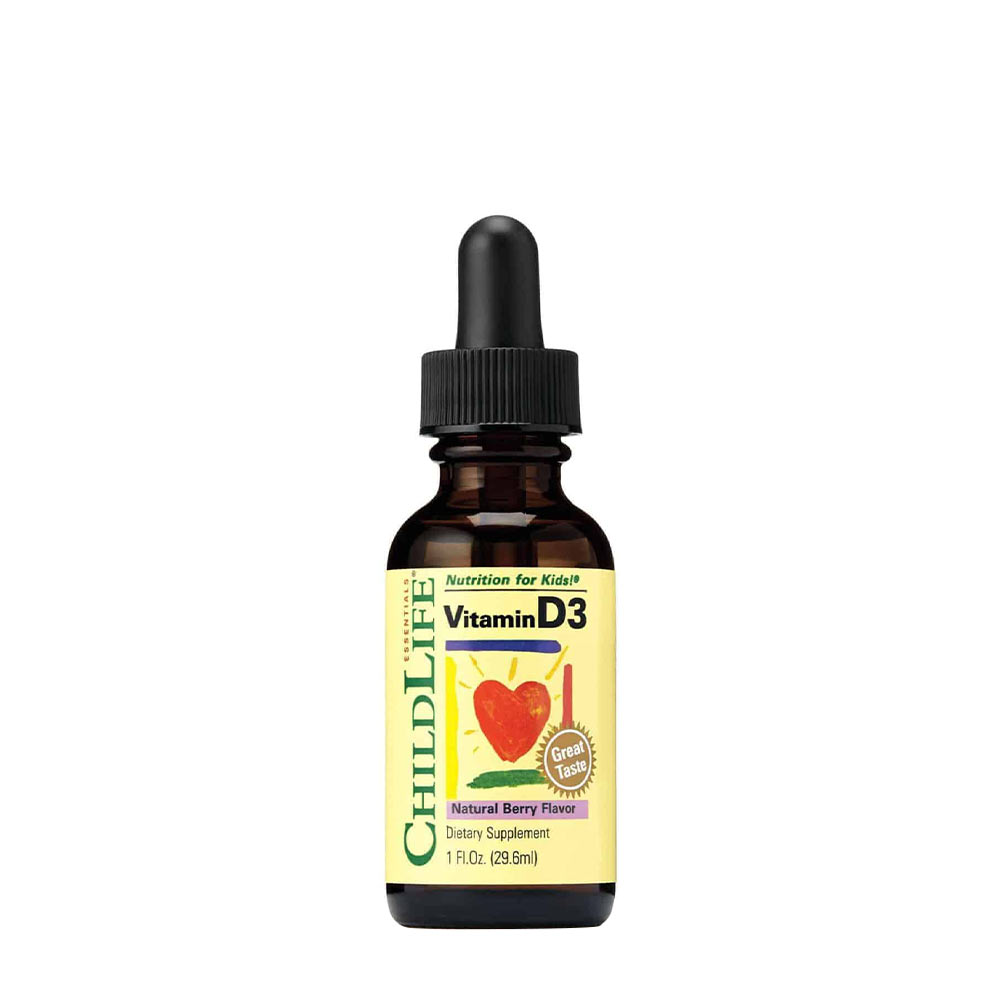
Child Life
Child Life - Vitamin D3 - 1 fl oz
124 krIn stockWhy is this shown?
Historiskt katalogurval. Innehåll, mängd och form behöver kontrolleras mot aktuellt underlag.
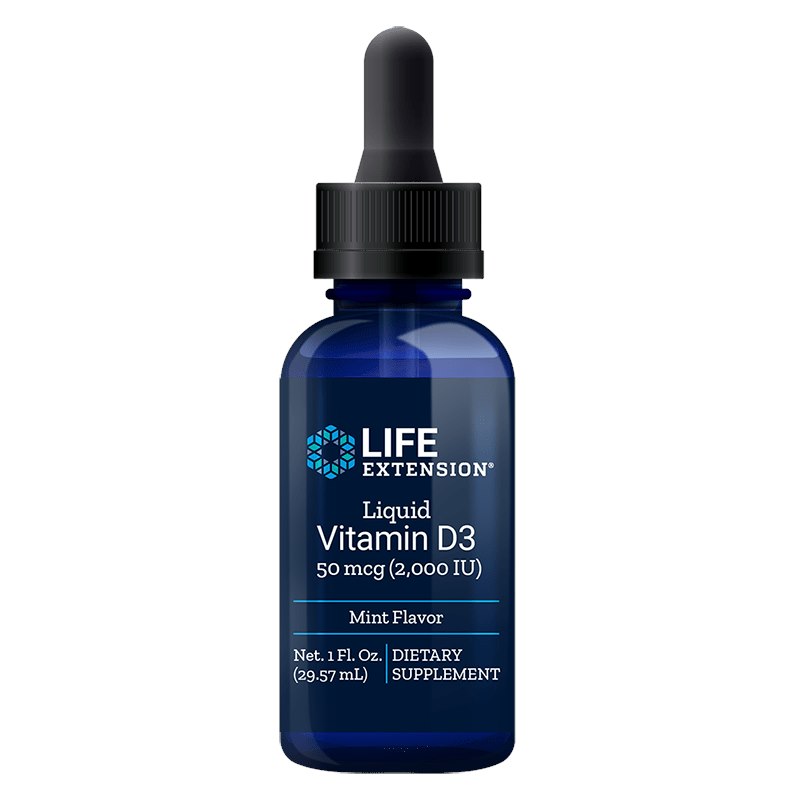
Life Extension
Life Extension - Liquid Vitamin D3 - 29.57ml
288 krIn stockWhy is this shown?
Historiskt katalogurval. Innehåll, mängd och form behöver kontrolleras mot aktuellt underlag.
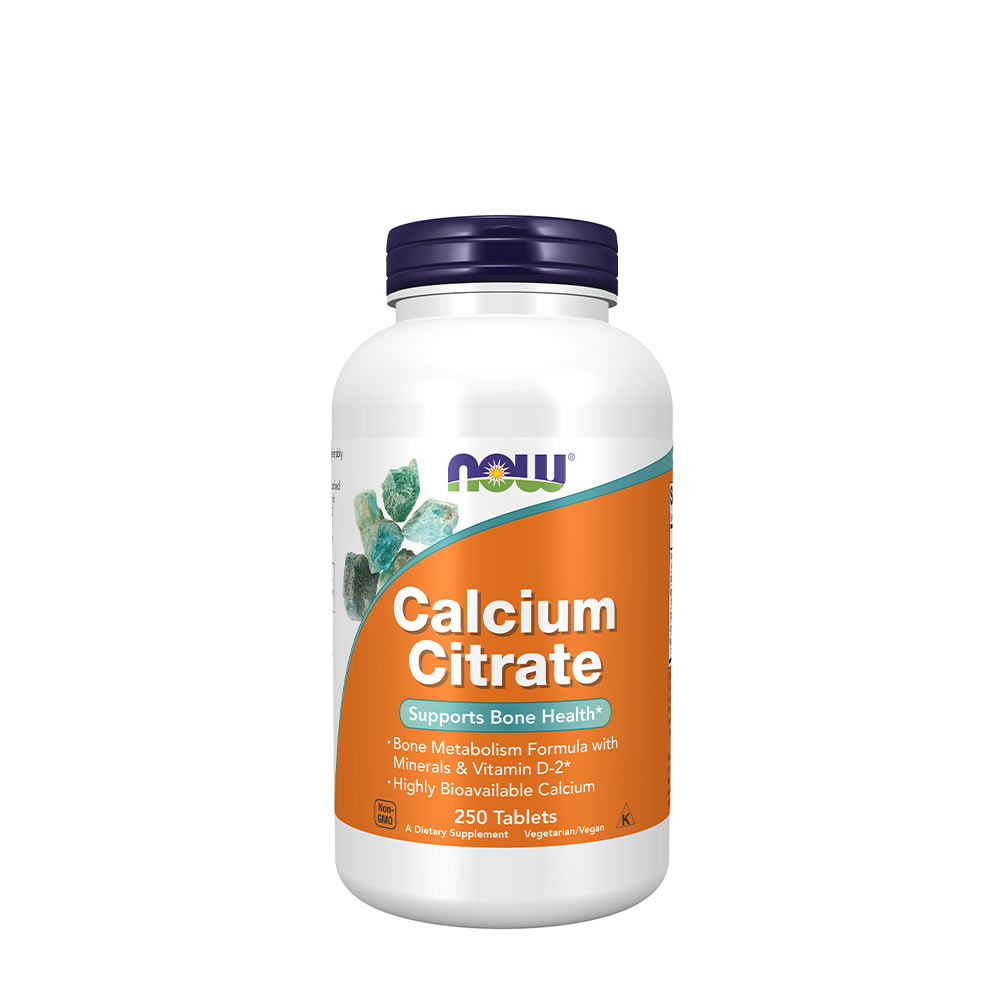
NOW Foods
NOW Foods - Calcium Citrate With Minerals & Vitamin D2 - 250 Tabs
447 krIn stockWhy is this shown?
Historiskt katalogurval. Innehåll, mängd och form behöver kontrolleras mot aktuellt underlag.
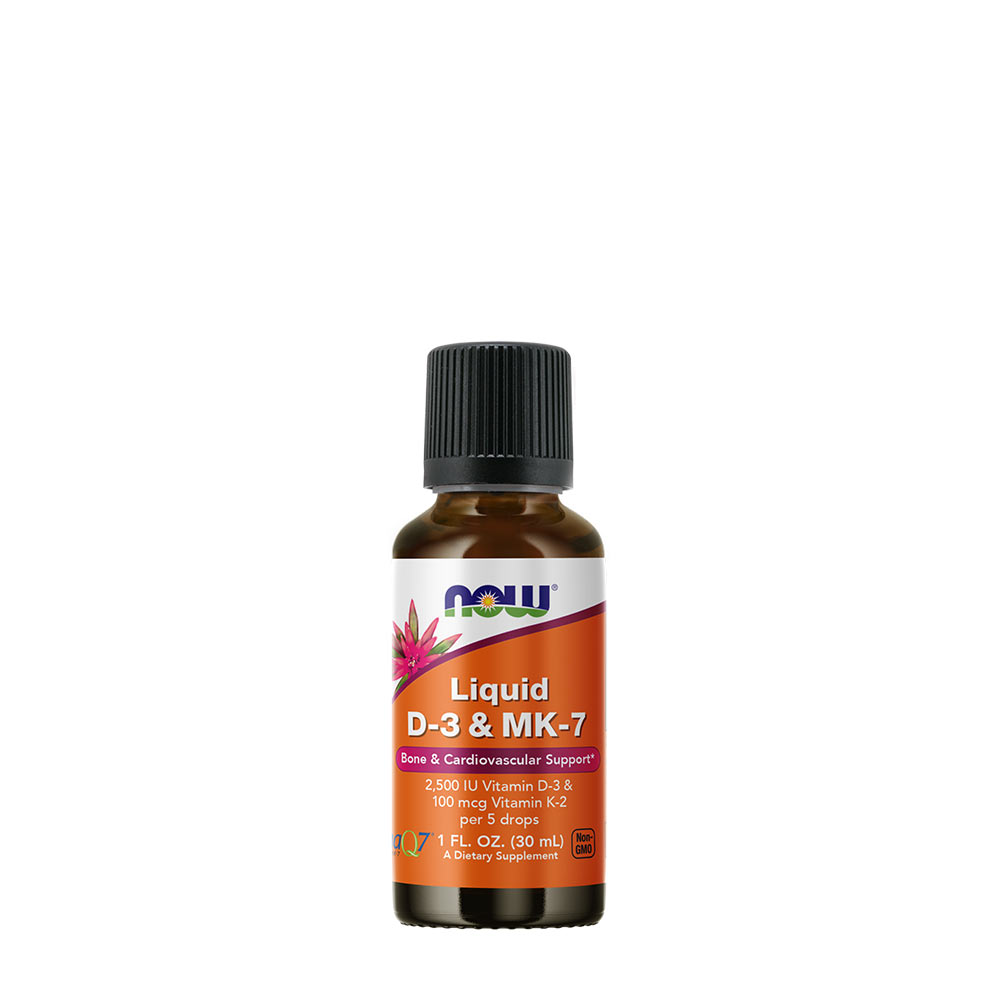
NOW Foods
NOW Foods - Liquid D-3 & MK-7 - 30ml
244 krIn stockWhy is this shown?
Historiskt katalogurval. Innehåll, mängd och form behöver kontrolleras mot aktuellt underlag.
Nutriversum
Nutriversum - Glucosamine Sulphate - 60 Caps
118 krIn stockWhy is this shown?
Historiskt katalogurval. Innehåll, mängd och form behöver kontrolleras mot aktuellt underlag.


