What is riboflavin deficiency?
Short answer
Riboflavin deficiency is another name for ariboflavinosis, and it is not diagnosed from a single symptom alone. The full picture usually includes diet history, mouth, skin and eye signs, and a functional lab marker such as EGRAC.
Quick facts
- Riboflavin is vitamin B2.
- Ariboflavinosis is another name for riboflavin deficiency.
- Mouth, skin and eye changes are the classic signs.
- EGRAC is a functional marker of riboflavin status.
- Riboflavin is light-sensitive and can be lost in boiling water.
- Clinical deficiency is extremely rare in the United States.

What is riboflavin deficiency called?
Vitamin B2, riboflavin, and ariboflavinosis
Riboflavin is vitamin B2. In the NIH Office of Dietary Supplements clinical description, ariboflavinosis is simply another name for riboflavin deficiency, not a separate severity stage. The same source says clinical deficiency is extremely rare in the United States, even though low intake can occur in specific groups. NIH ODS riboflavin fact sheet
One key distinction: low intake, abnormal laboratory status, and symptomatic deficiency are related but not identical. A person can eat less riboflavin than recommended without having symptoms, and symptoms alone do not prove that riboflavin is the cause. NIH ODS riboflavin fact sheet
Three different levels of “low”
| Level | What it means | Example from the source |
|---|---|---|
| Low intake | Dietary intake below a reference value | ODS cites U.S. survey data showing fewer than 6% of people had intakes below the estimated average requirement; that is an intake estimate, not clinical prevalence. NIH ODS riboflavin fact sheet |
| Biochemical insufficiency | A functional marker suggests low status | ODS describes erythrocyte glutathione reductase activity coefficient (EGRAC) values of ≤1.2 as adequate, 1.2–1.4 as marginal deficiency, and >1.4 as deficiency, while noting the cutoffs are uncertain. NIH ODS riboflavin fact sheet |
| Symptomatic deficiency | Clinical signs are present | ODS says that neither a symptom nor a low intake value, by itself, establishes ariboflavinosis. NIH ODS riboflavin fact sheet |
Why the label matters
The name matters because riboflavin deficiency is a clinical diagnosis, not just a nutrition label. ODS notes that the relevant signs can be nonspecific, and the Nordic Nutrition Recommendations also describe riboflavin-deficiency signs as nonspecific. That means diagnosis usually needs the full clinical context plus a functional marker such as EGRAC, or another measure such as 24-hour urinary riboflavin excretion, which ODS says is influenced by recent intake. NIH ODS riboflavin fact sheet Nordic Nutrition Recommendations 2023: riboflavin
Low riboflavin intake and true ariboflavinosis are not the same thing; symptoms, diet, and a lab marker need to be interpreted together. NIH ODS riboflavin fact sheet
How does riboflavin work in the body?
From riboflavin to FMN and FAD
Riboflavin is the vitamin B2 nutrient the body uses to make the coenzymes FMN (flavin mononucleotide, or riboflavin-5′-phosphate) and FAD (flavin adenine dinucleotide).
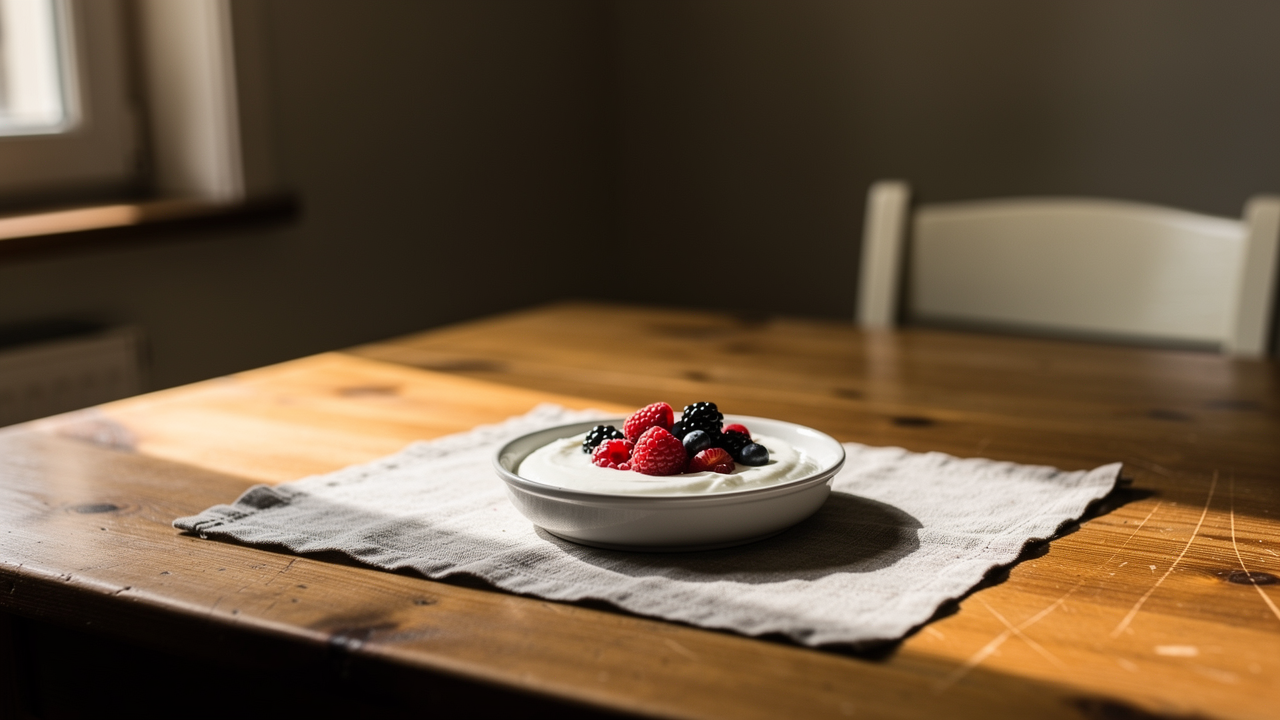
Food riboflavin is mostly present in those bound forms: ODS says more than 90% of dietary riboflavin is FAD or FMN. The vitamin is made available for absorption mainly in the upper small intestine, and ODS estimates about 95% bioavailability for food FMN and FAD within the amount absorbable per meal or dose. Free riboflavin has similar bioavailability. Absorption is saturable, so little additional riboflavin is absorbed beyond about 27 mg at once; in other words, a different supplement form does not by itself prove a better result.
What the EU authorises on labels
Riboflavin contributes to normal energy-yielding metabolism
Riboflavin contributes to the reduction of tiredness and fatigue
Those exact claims are authorised in Regulation (EU) No 432/2012 only for food that is at least a source of riboflavin. They describe riboflavin’s normal nutritional role in food law; they do not state that a higher dose gives extra benefit when intake is already adequate.
How intake targets differ by authority
| Authority | Adults | Pregnancy | Lactation |
|---|---|---|---|
| U.S. NIH / Food and Nutrition Board | RDA 1.3 mg/day for men; 1.1 mg/day for women aged 19+ | RDA 1.4 mg/day | RDA 1.6 mg/day |
| EFSA | PRI 1.6 mg/day for adults of either sex | PRI 1.9 mg/day | PRI 2.0 mg/day |
| Nordic Nutrition Recommendations 2023 | Adult AR 1.3 mg/day; adult RI 1.6 mg/day | RI 1.6, 1.7 and 1.8 mg/day in trimesters 1, 2 and 3 | RI 2.0 mg/day |
The U.S. values differ by sex in adults, while EFSA gives one adult PRI for both sexes. The Nordic system separates an adult average requirement of 1.3 mg/day from a higher recommended intake of 1.6 mg/day. Across all three authorities, pregnancy and lactation values are higher than adult maintenance values, reflecting different life-stage needs rather than competing diagnostic thresholds.
What are the signs of riboflavin deficiency?
Mouth, skin, and eye changes are the classic pattern
The most typical signs are surface changes around the mouth and eyes rather than one single unmistakable symptom. NIH ODS describes angular stomatitis or cheilosis at the mouth corners, cracked or swollen lips, sore throat, redness or swelling of the mouth and throat, skin inflammation, and itchy, red eyes; the Nordic recommendations also list glossitis and seborrhoeic dermatitis. The Nordic guidance explicitly calls these findings nonspecific, which means they can happen for other reasons too. NIH ODS riboflavin fact sheet Nordic Nutrition Recommendations 2023
That is why the pattern matters more than any one complaint. A cracked lip by itself, or fatigue by itself, is not enough to point to riboflavin deficiency. The picture becomes more suggestive when several mouth, skin, and eye findings appear together: sore throat plus mouth-corner lesions, or cracked lips plus irritated eyes and dermatitis. NIH ODS riboflavin fact sheet
Early changes are usually surface-level; advanced disease can go further
| Stage | What tends to show up | What the sources say |
|---|---|---|
| Earlier or milder deficiency | Mouth-corner soreness, cracked lips, sore throat, mouth or throat redness, skin inflammation, eye irritation | These are the recurring clinical signs described by ODS and NNR, and they are described as nonspecific. |
| More severe or prolonged deficiency | Anemia and cataracts may develop | ODS notes these can appear with severe, prolonged deficiency, and that later anatomical changes are less likely to reverse. |
ODS also notes that people with riboflavin deficiency often lack other nutrients too, so the same symptoms do not identify a single cause. In a case-control study of 124 people with atrophic glossitis, many cases also had anemia, vitamin B12 deficiency, low ferritin, dry mouth, or Candida detection, showing how much overlap there can be. Those findings are a reminder that a clinician usually has to rule out iron-related problems, vitamin B12 deficiency, infection, and other causes before calling a mouth or tongue problem riboflavin deficiency. NIH ODS riboflavin fact sheet PubMed study on atrophic glossitis
So the practical clue is not fatigue alone, and not a single cracked corner of the mouth alone, but a cluster of mouth, skin, and eye changes that persists long enough to deserve assessment. NIH ODS riboflavin fact sheet
What does riboflavin deficiency do to the tongue?
How the tongue and mouth can look
ODS also lists angular stomatitis/cheilosis, sore throat, and redness or swelling of the mouth and throat as recurring signs, while the Nordic Nutrition Recommendations 2023 describe these clinical signs as nonspecific. NIH Office of Dietary Supplements riboflavin fact sheet Nordic Nutrition Recommendations 2023 riboflavin chapter

The practical point is that a tongue change can raise suspicion, but the appearance alone does not identify riboflavin deficiency. ODS notes that people with riboflavin deficiency commonly lack other nutrients too, so more than one deficiency can coexist. NIH Office of Dietary Supplements riboflavin fact sheet
What can look similar
Atrophic glossitis studies show how much overlap there is with other causes. PubMed study on atrophic glossitis and related findings
| Look-alike | What the evidence showed |
|---|---|
| Anemia | Present in 48.39% of atrophic glossitis cases in one study |
| Vitamin B12 deficiency | Present in 29.03% of cases in the same study |
| Low ferritin | Present in 22.58% of cases in the same study |
A cracked mouth corner or a sore, red tongue is therefore not proof that riboflavin is low. The pattern matters, and the same mouth picture can reflect more than one problem at the same time. PubMed study on atrophic glossitis and related findings NIH Office of Dietary Supplements riboflavin fact sheet
Why does riboflavin deficiency happen?
Riboflavin status falls low for a few repeatable reasons: intake is too low, the vitamin is lost during handling or cooking, the body cannot absorb or retain it well, or needs are higher than usual. The NIH Office of Dietary Supplements says inadequate intake is one cause, but illness or impaired handling of the vitamin can also contribute. NIH ODS riboflavin fact sheet
Too little in the diet
The simplest mechanism is a diet that does not provide enough riboflavin-rich foods over time. ODS identifies people who eat little dairy or other animal foods as a group at risk of inadequacy, and the Nordic recommendations say low intake is one reason to assess status rather than assume good supply. In a study of 281 children aged 5–15 in south-central Côte d’Ivoire, median intake was 0.42 mg/day and 65% were above the study’s poor-status threshold of EGRAC >1.2; that threshold is not the same as the more stringent >1.4 cutoff used in other work. NIH ODS riboflavin fact sheet
| Cause | What happens | Example from the evidence | Source |
|---|---|---|---|
| Low intake | Not enough riboflavin is eaten regularly | Little dairy or other animal foods | NIH ODS |
| Handling or cooking losses | The vitamin is reduced before the food is eaten | Riboflavin is light-sensitive; boiling can lose more into cooking water than steaming or microwaving | NIH ODS |
| Poor absorption or retention | Less riboflavin is taken up or kept by the body | Severe malabsorption and other conditions linked with low status | NIH ODS; NNR 2023 |
| Higher need | Reference intakes rise in some life stages | Higher values for children, adolescents, pregnancy and lactation in NIH, EFSA and Nordic guidance | NIH ODS; EFSA; NNR 2023 |
Why light and cooking matter
Riboflavin is light-sensitive, so exposure to light can lower how much remains available in food. ODS specifically notes that prolonged light therapy can lower status in newborns, and that boiling can shift more riboflavin into the cooking water than steaming or microwaving. NIH ODS riboflavin fact sheet
When the body cannot keep up
Some low-status cases come from uptake or retention problems rather than diet alone. The Nordic recommendations say to pay attention to older adults, people receiving haemodialysis, people with alcohol use disorder, diuretic users and those with severe malabsorption; ODS also notes illness or impaired handling of the vitamin as contributors. The evidence does not give one universal cause for every person, but it does show that the balance between intake, losses and need can shift enough for status to fall. NIH ODS riboflavin fact sheet; NNR 2023
What this means in practice
For readers, the key point is that low riboflavin status is not explained well by one symptom or one food. A diet can be adequate in one setting and too low in another; handling can reduce what is left in the meal; and some illnesses or life stages raise the amount that must be supplied. That is why the most reliable starting point is to look at the whole pattern of food intake, preparation and health circumstances together. NIH ODS riboflavin fact sheet
How is riboflavin deficiency treated with food and supplements?
Confirmed or strongly suspected low riboflavin status is usually handled in three parts: replace riboflavin, correct the underlying cause, and check for other nutrient gaps. The NIH Office of Dietary Supplements says management should restore a reliably adequate intake through food, fortified food and, when needed, an oral supplement selected for the patient, while also investigating restricted intake, malabsorption and coexisting deficiencies rather than treating mouth signs alone. ODS riboflavin factsheet
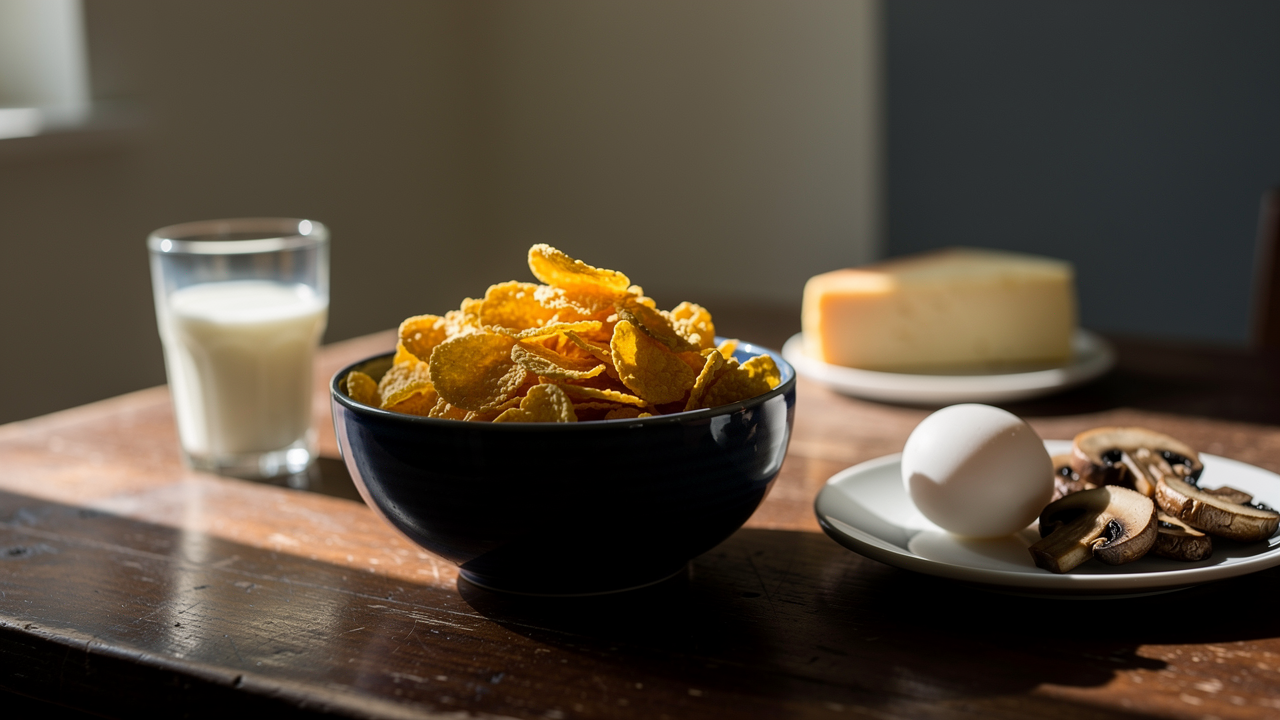
Food first: the serving size matters
Authoritative food-composition data show that riboflavin varies a lot by food and by preparation. These values are for the edible serving named, not for every brand or for raw food weight. ODS food table
| Food | Serving | Riboflavin |
|---|---|---|
| Pan-fried beef liver | 3 oz | 2.9 mg ODS |
| Fortified breakfast cereal | 1 serving | 1.3 mg if formulated to supply 100% of the U.S. Daily Value ODS |
| Fortified instant oats cooked with water | 1 cup | 1.1 mg ODS |
| Plain fat-free yogurt | 1 cup | 0.6 mg ODS |
| 2% milk | 1 cup | 0.5 mg ODS |
| Grilled trimmed beef tenderloin | 3 oz | 0.4 mg ODS |
| Dry-roasted almonds | 1 oz | 0.3 mg ODS |
| Large scrambled egg | 1 egg | 0.2 mg ODS |
| Sliced, grilled portabella mushrooms | 1/2 cup | 0.2 mg ODS |
What to look for on a supplement label
Choose a label that states the riboflavin amount clearly and names the form. ODS says supplements usually contain free riboflavin, while some use riboflavin-5′-phosphate; that difference alone does not prove one product is superior. More is not automatically better: ODS notes that little additional riboflavin is absorbed from a single dose above about 27 mg, and no numerical upper limit has been established. ODS riboflavin factsheet
Common mistakes to avoid
A multivitamin can miss the real problem if the underlying issue is a very restricted diet, alcohol use disorder or malabsorption. The better approach is to correct intake and the cause together, then reassess whether the diet has become varied enough to keep riboflavin status stable over time. ODS riboflavin factsheet
Food, cause and supplement need to line up; one of them alone may not fix the pattern that led to low riboflavin status.
Can riboflavin deficiency cause anemia or depression?
That is a real association, but it is not a one-cause answer: people with low riboflavin often have other nutrient gaps too, so anemia should not be assumed to come from vitamin B2 alone. In the UK RIBOFEM trial, 123 women aged 19–25 with EGRAC above 1.40 received 2 mg/day, 4 mg/day, or placebo for eight weeks; 119 completed the study, riboflavin status improved with dose, and hemoglobin improved most in those who began with the poorest status. NIH ODS riboflavin fact sheet RIBOFEM trial
When anemia is found, the practical next step is still to look for iron deficiency, vitamin B12 deficiency, low ferritin, and other causes rather than stopping at riboflavin. Overlap is common: in a case-control study of 124 people with atrophic glossitis, 48.39% had anemia, 29.03% had vitamin B12 deficiency, 22.58% had low ferritin, and 79.03% had Candida detected. Those numbers do not identify one cause in any given person, but they show why anemia and low riboflavin can coexist without being the same problem. PubMed: atrophic glossitis study NIH ODS riboflavin fact sheet
| Evidence | Population | What it showed | What it did not show |
|---|---|---|---|
| RIBOFEM randomized trial (PubMed) | 123 young UK women with EGRAC above 1.40 | 2 mg/day and 4 mg/day improved riboflavin status; hemoglobin response tracked status, especially in the poorest group | A one-size-fits-all anemia dose |
| Jiangsu Nutrition Study (PubMed) | 1,253 Chinese adults followed for five years | Higher riboflavin intake was associated with less anemia among those already anemic | That riboflavin alone caused or cured anemia |
For depression, the evidence is more indirect. A systematic review and meta-analysis of 13 articles covering 18 observational studies found a pooled relative risk of depression of 0.77 for the highest versus lowest dietary riboflavin-intake category; the female subgroup was 0.80, while the male estimate was 0.83 and not statistically conclusive. PubMed: riboflavin and depression meta-analysis
A separate review of 16 trials involving 2,015 people tested products containing at least three B vitamins for at least four weeks; the pooled effect on depressive symptoms did not reach statistical significance. That is another reason not to turn a nutrition signal into a psychiatric promise. Riboflavin status may matter in a broader nutritional picture, but the current evidence does not establish riboflavin as a treatment for depression. PubMed: B-vitamin supplementation and depressive symptoms PMC review
Takeaway: riboflavin deficiency can sit alongside anemia, but anemia still needs its own cause checked; for depression, the data are observational and do not prove a riboflavin-specific treatment effect.
Is riboflavin safe, and who should be careful?
What the official reviews say about safety
The NIH Office of Dietary Supplements reports no adverse effects from food or supplement intakes of 400 mg/day for at least three months, but it also says the safety data are limited. It further notes that little additional riboflavin is absorbed from a single dose above about 27 mg. The U.S. Food and Nutrition Board, the Nordic Nutrition Recommendations 2023, and the European scientific assessment cited here have not set a numerical upper limit for riboflavin. NIH ODS riboflavin fact sheet Nordic Nutrition Recommendations 2023
Riboflavin has a reassuring oral safety profile in the available reviews, but “no upper limit” means the evidence could not define a ceiling—not that unlimited self-dosing has been proven harmless. NIH ODS
Interactions and practical cautions
ODS states that riboflavin has no known clinically relevant medication interactions. That said, medicines and illness can still matter because they can be linked to lower status or make self-treatment less appropriate. NIH ODS Nordic Nutrition Recommendations 2023
Food is not where the high-dose safety questions usually arise in the official reviews; the caution is about supplements, especially when a person may have an underlying condition that affects intake, absorption, or handling of the vitamin. ODS also notes that prolonged light therapy in newborns can lower riboflavin status. NIH ODS
Who should check intake or status more closely?
| Group | Why it matters | Source |
|---|---|---|
| People receiving haemodialysis | Named by Nordic guidance as a risk group | NNR 2023 |
| People with alcohol use disorder | Named by Nordic guidance as a risk group | NNR 2023 |
| Older adults | Named by Nordic guidance as a risk group | NNR 2023 |
| People who eat little milk or other animal foods | ODS identifies this pattern as a reason to watch intake | NIH ODS |
| Pregnant or lactating people who rarely eat meat or dairy, and their infants | ODS identifies this group as needing closer attention | NIH ODS |
| Vegetarian athletes | ODS identifies them as a group where intake deserves attention | NIH ODS |
| People with riboflavin-transporter deficiency | Rare genetic disorder; specialist care is needed | NIH ODS |
For anyone in one of these groups, the practical step is to assess diet and underlying causes rather than relying on a supplement alone. Riboflavin is one nutrient among several that can be affected when intake is restricted or when illness changes status. NIH ODS
Safety and precautions
Riboflavin has a reassuring oral safety profile in the available reviews, and no numerical upper limit has been set. Even so, supplements should be used with care if you take medication, are pregnant or breastfeeding, or are giving riboflavin to children; ask a healthcare professional for advice.
People with severe malabsorption, haemodialysis, alcohol use disorder, older age, or a newborn receiving light therapy should get individual guidance because status can be affected by health circumstances.
Supplements with the ingredients in this article
Compare contents, dose and price
Frequently asked questions
How is riboflavin deficiency diagnosed?
It is diagnosed from the full clinical picture, not from one symptom alone. A clinician looks at diet, symptoms, and a functional marker such as EGRAC, and may also consider 24-hour urinary riboflavin excretion. Because the signs are nonspecific, other causes and other nutrient gaps often need to be checked too.
What tests measure riboflavin status?
The body names EGRAC as the main functional marker, with values at or below 1.2 described as adequate and values above 1.4 described as deficiency, while also noting that the cutoffs are uncertain. It also mentions 24-hour urinary riboflavin excretion, but that test is influenced by recent intake. No single test by itself proves symptomatic deficiency.
Can cooking or light destroy riboflavin in foods?
Yes. Boiling can move more riboflavin into cooking water than steaming or microwaving. Handling and preparation therefore matter.
Is riboflavin deficiency common in Europe?
The body does not give a Europe-wide prevalence figure. It does say clinical deficiency is extremely rare in the United States, while low intake can still occur in specific groups. So risk depends more on diet, life stage, and health circumstances than on geography alone.
Sources
- CL2012R0432EN0040010.0001_cp 1..1 (external link)
- EFSA: Dietary reference values: advice on riboflavin (external link)
- NORDIC NUTRITION RECOMMENDATIONS 2023 (external link)
- NORDIC NUTRITION RECOMMENDATIONS 2023 (external link)
- Riboflavin - Health Professional Fact Sheet (external link)
- [Related factors of atrophic glossitis in 124 consecutive cases]. (external link)
- PubMed: Correcting a marginal riboflavin deficiency improves hematologic status in young women in the United Kingdom (RIBOFEM) (external link)
- PubMed: Inadequate riboflavin intake and anemia risk in a Chinese population: five-year follow up of the Jiangsu Nutrition Study (external link)
Products related to this article

NOW Foods
NOW Foods - Vitamin B-2 Riboflavin - 100 Veg Capsules
93 krIn stockWhy is this shown?
Katalogkoppling till samtliga valda ingredienser · Ämnesnamnet förekommer i produktnamnet · I lager · Betyg 5.0 av 16 kunder
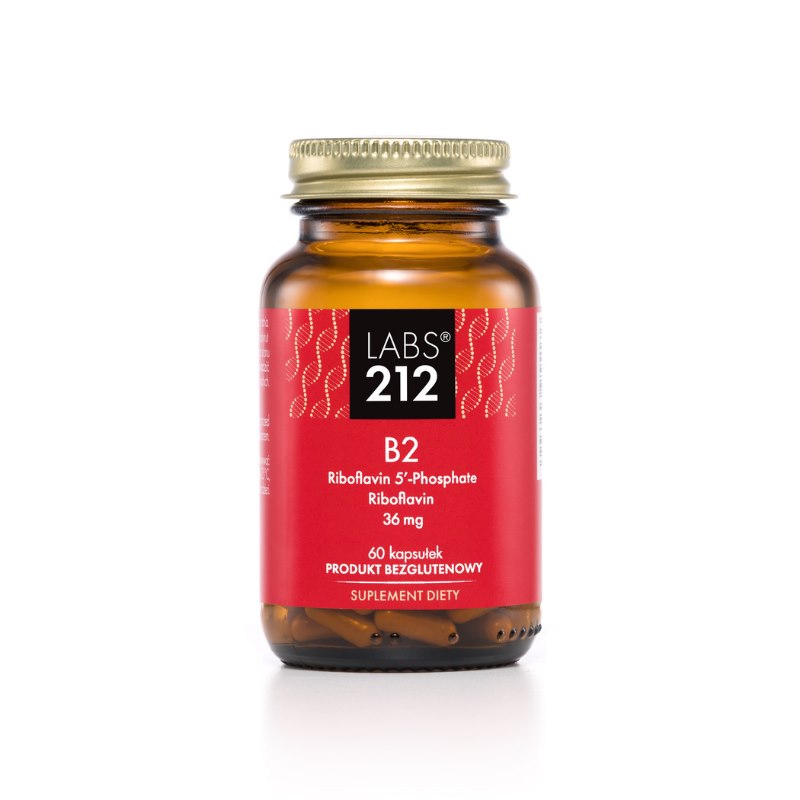
LABS 212
LABS 212 - Vitamin B2 Riboflavin 5'-Phosphate - 60 Caps
217 krIn stockWhy is this shown?
Katalogkoppling till samtliga valda ingredienser · Ämnesnamnet förekommer i produktnamnet · I lager
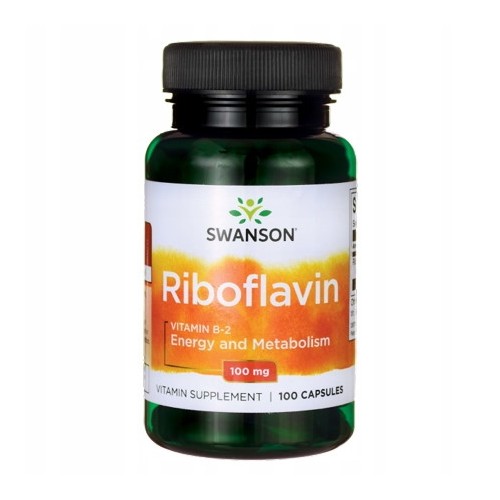
Swanson
Swanson - Riboflavin Vitamin B-2 - 100 Caps
148 krIn stockWhy is this shown?
Katalogkoppling till samtliga valda ingredienser · Ämnesnamnet förekommer i produktnamnet · I lager
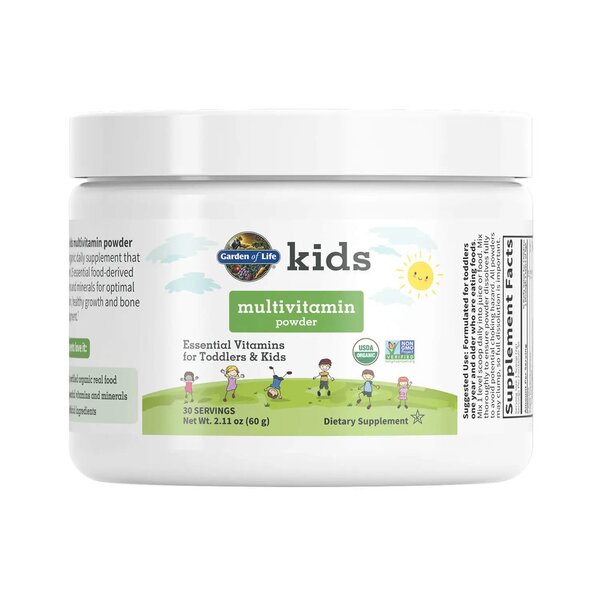
Garden Of Life
Garden Of Life - Kids Multivitamin Powder - 60g
233 krIn stockWhy is this shown?
Katalogkoppling till samtliga valda ingredienser · I lager · Betyg 5.0 av 14 kunder
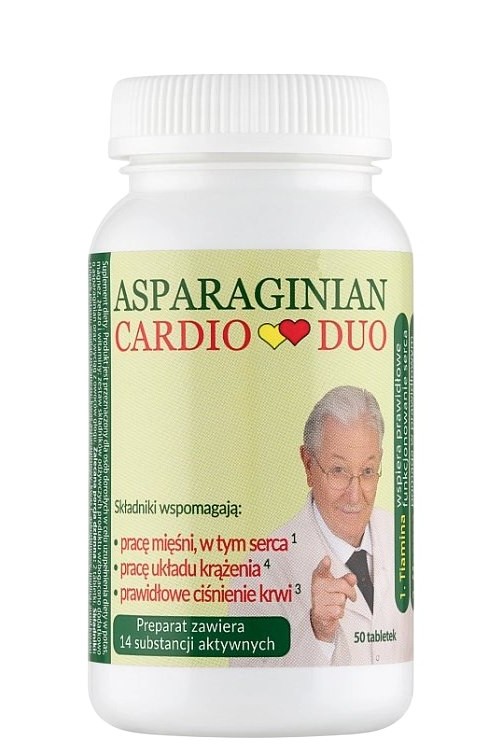
UNIPHAR
Uniphar - Asparaginian Cardio Duo - 50 Tabs
88 krIn stockWhy is this shown?
Katalogkoppling till samtliga valda ingredienser · I lager


