What is liposomal vitamin C?
Short answer
Liposomal vitamin C is ordinary vitamin C packaged in lipid vesicles for oral delivery. The body says it may improve blood-level markers in some studies, but it has not been shown to deliver better real-world health outcomes than standard vitamin C.
Quick facts
- It is vitamin C encapsulated within lipids.
- The active nutrient is still vitamin C.
- Studies often measured plasma and leukocyte vitamin C, not long-term outcomes.
- Reported formulations, doses, and testing windows varied widely.
- FDA Daily Value for adults is 90 mg per day.
- Tigoo’s current snapshot shows 1 liposomal vitamin C product at 800.00 mg.

What exactly is liposomal vitamin C?
A delivery format for the same nutrient
Randomized crossover trial in healthy adults
That is why the term appears on supplement labels: it describes the way the nutrient is packaged and delivered, not a new vitamin. A 2025 scoping review describes liposomal vitamin C as ascorbate encapsulated within lipids and compares it with non-liposomal ascorbate, not with a different active ingredient. Scoping review of liposomal versus non-liposomal ascorbate
| Format | What it contains | What the label is trying to change |
|---|---|---|
| Ordinary vitamin C | Vitamin C in non-liposomal form | Delivered without liposomal encapsulation |
| Liposomal vitamin C | Vitamin C enclosed in phospholipid vesicles | Oral delivery through a liposomal package |
What it is not
It is not a replacement for a varied diet. The scoping review states that humans must obtain vitamin C through dietary intake, with fruits and vegetables as the primary sources. Scoping review on vitamin C intake
It is also not a shortcut around product differences. The same review found that studies used very different liposomal formulations, vitamin C doses from 0.15 to 10 g, and sampling windows from 4 to 24 hours, so the product details matter more than the word “liposomal” alone. Scoping review on liposomal versus non-liposomal ascorbate
The active nutrient is still vitamin C; liposomal mainly describes how the dose is packaged and delivered.
How to read the name on a pack
When you see “liposomal vitamin C,” the useful questions are: what exact vitamin C form is used, how much is declared per serving, and whether the specific product has human data behind it. 2024 trial | 2025 scoping review
Does the liposomal form improve absorption?
How vitamin C gets in, and why the curve flattens
Human vitamin C absorption is not unlimited. The scoping review notes that circulating ascorbate follows saturation kinetics, and the earlier human paper explains that oral bioavailability depends on intestinal absorption plus renal reabsorption and excretion, while infusion bypasses the gut. Liposomal ascorbate is packaged in lipid vesicles and may use SVCT-independent uptake routes such as endocytosis, which is the biological rationale for the formulation scoping review human vitamin C bioavailability paper.

| Study | Participants and dose | Main finding |
|---|---|---|
| Purpura et al., 2024 | 27 healthy adults; single 500 mg dose of liposomal vitamin C versus standard vitamin C and placebo | Liposomal vitamin C raised plasma Cmax by 27% and AUC0–24 by 21%; leukocyte Cmax rose by 20% and AUC by 8% versus standard vitamin C trial report |
| Scoping review, 2025 | 10 studies total; 7 randomized crossover trials; doses 0.15 g to 10 g; sampling 4 to 24 hours | Nine studies reported higher bioavailability with liposomal ascorbate, typically 1.2–5.4-fold higher Cmax and 1.3–7.2-fold higher AUC scoping review |
| Davis et al., 2016 | 11 adults; 4 g liposomal versus non-liposomal ascorbate | Liposomal ascorbate produced a 1.4-fold higher plasma AUC, but the 4-hour sampling window limited interpretation trial report |
Biomarkers are not the same as outcomes
These studies mainly measured plasma and leukocyte vitamin C, not long-term outcomes such as immunity, skin, or fatigue. The review also emphasizes that the studies were heterogeneous in formulation, dose, and collection time, which makes direct comparison difficult scoping review. In practice, that means liposomal vitamin C may improve pharmacokinetic markers in some settings, but there is still no proof here of superior clinical outcomes.
Higher blood levels are a biomarker, not a guarantee of better real-world benefit.
Tolerability data in the retrieved studies are short-term only, so the safest reading is modest: the liposomal form can look better on blood measures, but the evidence does not establish a broader health advantage.
What do authorities say vitamin C is for?
In the United States, the FDA’s Daily Value for adults is 90 mg/day. The NIH Office of Dietary Supplements gives adult reference intakes of 90 mg/day for men, 75 mg/day for women, and +35 mg/day for smokers. In the EU, EFSA’s tolerable upper intake discussion says supplemental vitamin C of about 1 g/day, in addition to dietary intake, was not associated with adverse gastrointestinal effects; higher intakes of 3–4 g/day may cause intolerance, and no official upper limit was set. FDA Daily Value for vitamin C NIH ODS vitamin C fact sheet EFSA tolerable upper intake discussion
| Authority | Population | Reference number | What the number is used for |
|---|---|---|---|
| FDA | Adults | 90 mg/day | Daily Value on Nutrition and Supplement Facts labels. Source |
| NIH ODS | Men | 90 mg/day | Adult reference intake in the health professional fact sheet. Source |
| NIH ODS | Women | 75 mg/day | Adult reference intake in the health professional fact sheet. Source |
| NIH ODS | Smokers | +35 mg/day | Extra amount noted for smokers. Source |
| EFSA | Adults taking supplements | About 1 g/day | Not associated with adverse gastrointestinal effects in the cited assessment; no official UL established. Source |
Which vitamin C claims are authorised on EU labels?
The European Commission says vitamin C claims are listed in the EU Register of health claims, and the wording must match the authorised conditions.
These are normal-function claims, not disease-treatment claims.
Where the line is drawn
Who is most at risk from very low intake?
The clearest deficiency threshold in the retrieved evidence is scurvy: NIH ODS says it can develop when vitamin C intake falls below about 10 mg/day for many weeks, and that the deficiency is now rare in developed countries. For readers, the practical takeaway is simple: if your diet is very restricted and vitamin C intake stays very low for a long time, that is the situation authorities flag most clearly. NIH ODS vitamin C fact sheet
Can food cover your vitamin C needs?
The FDA lists the Daily Value for vitamin C at 90 mg for adults, and the USDA’s food database shows that common vegetables and fruits can supply enough vitamin C to get there through ordinary eating patterns. The practical point from those sources is simple: adults can reach the daily target by combining foods across the day, including both cooked and raw produce. FDA Daily Value on the Nutrition and Supplement Facts Labels USDA vitamin C food database

Foods that make the target realistic
The numbers are examples from food, not a supplement dose recommendation. USDA vitamin C food database
| Food | Typical portion | Vitamin C, about |
|---|
A single food can sometimes do most of the work, and a few foods together can easily clear the 90 mg Daily Value. That is why the USDA material says adults can meet vitamin C needs by combining foods in cooked and raw form. USDA vitamin C food database FDA Daily Value on the Nutrition and Supplement Facts Labels
How to keep more vitamin C on the plate
NIH Office of Dietary Supplements: Vitamin C fact sheet
NIH Office of Dietary Supplements: Vitamin C fact sheet USDA vitamin C food database
Food-first tips if you want to skip capsules or liquids
- USDA vitamin C food database
- Use a mix of raw and cooked produce, because both are compatible with reaching the Daily Value. USDA vitamin C food database
A normal fruit-and-vegetable day can cover vitamin C without supplements if you build it from several produce servings, not just one.
FDA Daily Value on the Nutrition and Supplement Facts Labels USDA vitamin C food database
How should you choose a liposomal supplement?
Read the Supplement Facts first
The first check is the actual vitamin C amount per serving, not the front-of-pack name. FDA says a dietary supplement label must show a Supplement Facts panel with serving size, number of servings per container, and the amount of each dietary ingredient per serving; the same FDA guidance also says ingredients not listed there must appear in Other Ingredients. For vitamin C, FDA’s Daily Value is 90 mg for adults, and 20% DV or more is considered high on the label FDA Daily Value page.
| Label check | What to verify |
|---|---|
| Vitamin C amount | Exact mg per serving in Supplement Facts. |
| Serving size | How many capsules, millilitres, or other units make one serving. |
| Servings per container | How many servings the pack contains. |
| Identity statement | The words “dietary supplement” or an equivalent term on the principal display panel FDA identity-statement guidance. |
Confirm that “liposomal” means more than a marketing name
That is the kind of formulation detail worth looking for when you compare branded searches such as Zooki liposomal vitamin C or Zooki vitamin C: exact ingredient form, the delivery system, and the declared amount of vitamin C per serving. If a product name sounds technical but the label does not show the carrier ingredients, you still do not know what is inside.
FDA also explains that dietary supplement labels must list the product name, the name and place of business of the manufacturer, packer, or distributor, plus a domestic address or domestic phone number for reporting serious adverse events FDA Q&A. That information does not prove better absorption, but it does make the label easier to audit.
Look for transparency, not just claims
A stronger quality signal is evidence of manufacturing control: FDA says firms that manufacture, package, or hold dietary supplements must follow current good manufacturing practices, which are intended to help ensure identity, purity, quality, strength, and composition FDA Q&A.
When you compare liposomal vitamin C products, read the mg per serving, the serving size, and the carrier ingredients before you read the marketing name.
If the pack is a liquid or a capsule, the useful question is the same: does the label let you verify the exact form, the serving, and the amount? If not, it is better to keep comparing.
What does Tigoo currently sell in liposomal vitamin C?
Snapshot of the current range
Tigoo’s catalog snapshot date is 2026-09-22. In that snapshot, the liposomal vitamin C range is very small: 1 product, listed under the former label “l-askorbinsyra (1)”, with a median declared product amount of 800.00 mg. That number is a declared product amount in the catalog, not a recommended dose and not evidence that one product is better than another.

For context, FDA labeling rules require dietary supplements to show a Supplement Facts panel with the serving size and the amount per serving, and to identify the product as a dietary supplement. FDA also states that the label must list each dietary ingredient in the product and, except for proprietary blends, provide the amount of the dietary ingredient per serving.
| Form | Product count | Former label | Declared amount |
|---|---|---|---|
| Liposomal vitamin C | 1 | l-askorbinsyra (1) | 800.00 mg |
How to read the number
The useful distinction for shoppers is between declared amount and purpose. A label amount tells you what is stated on the product record; it does not, by itself, tell you how the product is meant to be used or what outcome to expect. That is why the number should be read alongside the label information required by FDA, including the supplement identity statement and the ingredient list.
If you are comparing products, the safest first check is whether the label clearly shows the name of the dietary supplement, the serving size, and the amount of vitamin C per serving. FDA explains that ingredients not listed in the Supplement Facts panel must appear in Other Ingredients, which is where a liposomal carrier or added excipients may appear if they are not part of the declared dietary ingredients.
Bottom line: Tigoo’s current liposomal vitamin C range is a one-product snapshot, and the catalog’s 800.00 mg figure should be treated as a declared amount, not a recommendation.
Practical buying check
Before you buy, match the product page against the label rules: identity statement, Supplement Facts, serving size, and the ingredient list. If the product is presented as liposomal, make sure that wording is supported on the label itself rather than assumed from marketing text alone.
Who should be cautious with vitamin C supplements?
Higher intakes are most likely to cause digestive trouble
The clearest caution signal in the evidence is gastrointestinal intolerance. EFSA’s Scientific Panel reported that supplemental vitamin C up to about 1 g/day, in addition to dietary intake, was not associated with adverse gastrointestinal effects in the data it reviewed; at higher intakes, around 3–4 g/day, acute gastrointestinal intolerance may occur. EFSA also noted that absorption saturates at about 1 g/day or more, so extra intake is increasingly excreted rather than absorbed. EFSA assessment of vitamin C tolerable intake
| Intake level | What EFSA reported | Practical takeaway |
|---|---|---|
| Up to about 1 g/day supplemental vitamin C | No adverse gastrointestinal effects were seen in the available data. | Lower concern for short-term digestive tolerance, though individual responses still vary. |
| About 3–4 g/day | Acute gastrointestinal intolerance may occur. | Higher risk of diarrhoea-type digestive upset and similar intolerance. |
| Beyond saturating intakes | Absorption saturates and excess is excreted. | More is not necessarily better absorbed. |
Who should get advice before choosing a higher-dose product?
Because EFSA did not establish an official upper limit for vitamin C due to limited data, long-term high-dose safety remains uncertain. That uncertainty matters most when someone is planning regular, higher-dose self-supplementation rather than short-term use. EFSA assessment of vitamin C tolerable intake
The FDA advises consumers to consult a health care professional before deciding to take a dietary supplement. That is the most sensible step for anyone with a chronic condition or anyone who takes regular medication, because a supplement can still be relevant to an overall care plan even when it is sold over the counter. FDA questions and answers on dietary supplements
With vitamin C, the most predictable problem at higher intakes is digestive intolerance, not a guaranteed extra benefit.
What to do if you react badly
If a product causes symptoms you think may be related to it, FDA says to contact a health care provider immediately and then report the adverse event. That advice applies even if you are not sure the supplement caused the problem. FDA questions and answers on dietary supplements
For shoppers, the practical rule is simple: if you want to use a higher-dose vitamin C product, do not start by guessing. Get a medical review first if you already have a chronic condition, take medicines regularly, or have had digestive intolerance with supplements before. FDA questions and answers on dietary supplements EFSA assessment of vitamin C tolerable intake
What are the main limitations and common mistakes?
Blood markers are not the same as better outcomes
Some studies show different blood-level patterns with liposomal vitamin C, but that is not the same as proving better health results. A 2025 scoping review found 10 studies of liposomal versus non-liposomal vitamin C, with doses ranging from 0.15 g to 10 g and collection periods from 4 to 24 hours; nine of the studies reported higher uptake with liposomal vitamin C, yet the review also says urinary elimination was not assessed and that clinically relevant differences in biological effects remain to be explored Do Liposomal Vitamin C Formulations Have Improved Bioavailability? A Scoping Review Identifying Future Research Directions.
Different blood levels are not proof of a better outcome.
Common buying mistakes
| Mistake | Why it matters | Practical fix |
|---|---|---|
| Chasing megadoses | The review found studies using 0.15 g to 10 g, and vitamin C kinetics are dose-dependent, so a larger number on the front label does not automatically mean a better result scoping review. | Compare the amount per serving, not just the headline milligram number. |
| Ignoring serving size | FDA notes that the amount in a single serving is what counts on the Supplement Facts panel, and the manufacturer sets the serving size FDA Questions and Answers on Dietary Supplements. | Check how many capsules make one serving before you buy. |
| Buying on marketing language alone | FDA says structure/function claims are not approved by FDA and must carry the required disclaimer FDA Questions and Answers on Dietary Supplements. | Treat the label as a claim, not proof. |
When a supplement makes sense
A liposomal product may be reasonable if you specifically want that format, find standard vitamin C less comfortable, and are happy with the price. It is less compelling if you already get vitamin C comfortably from food or another supplement, because the evidence here does not show that liposomal vitamin C delivers better health outcomes than ordinary vitamin C. In practice, the safest buying habit is simple: follow the label, avoid doubling up on several vitamin C products, and do not let a bigger milligram number override the rest of the label.
Safety and precautions
Vitamin C supplements can cause digestive intolerance at higher intakes, and the body notes this becomes more likely around 3 to 4 g per day. If you take regular medication, are pregnant, or are considering it for a child, ask a healthcare professional before using a supplement.
If a product seems to cause symptoms, stop using it and contact a healthcare provider. Use the label to check the exact amount per serving and the ingredient list before buying.
Supplements with the ingredients in this article
Compare contents, dose and price
Frequently asked questions
How should a liquid liposomal vitamin C product be stored after opening?
The article does not give storage instructions after opening. It focuses on reading the label and product details, so the safest approach is to follow the instructions on the pack.
Can liposomal vitamin C be mixed into hot drinks?
The article does not say whether it should be mixed into hot drinks. Since the body stresses that product details matter, check the specific label instructions before adding it to a heated drink.
Are liposomal vitamin C supplements usually vegan?
The article does not say that liposomal vitamin C supplements are usually vegan. It does note that carrier ingredients matter, so the ingredient list is the place to check.
Do liquid liposomal products need refrigeration?
The article does not state whether liquid liposomal products need refrigeration. Because the formulation can vary, the product label is the right place to confirm storage needs.
Do you need to shake a liposomal vitamin C bottle before use?
The article does not mention shaking the bottle before use. If the label gives mixing or settling instructions, follow those directions for the specific product.
Sources
- Liposomal delivery enhances absorption of vitamin C into plasma and leukocytes: a double-blind, placebo-controlled, randomized trial - PMC (external link)
- Do Liposomal Vitamin C Formulations Have Improved Bioavailability? A Scoping Review Identifying Future Research Directions - PMC (external link)
- Liposomal-encapsulated Ascorbic Acid: Influence on Vitamin C Bioavailability and Capacity to Protect Against Ischemia–Reperfusion Injury - PMC (external link)
- Vitamin C - Health Professional Fact Sheet (external link)
- complet_chapitres.indd (external link)
- EU register of health claims - Food Safety - European Commission (external link)
- USDA National Nutrient Database-Vitamin C (external link)
- Daily Value on the Nutrition and Supplement Facts Labels | FDA (external link)
- Dietary Supplement Labeling Guide: Chapter II. Identity Statement | FDA (external link)
- Questions and Answers on Dietary Supplements | FDA (external link)
Read more
Products related to this article

Life Extension
Life Extension - Vitamin C 24-Hour Liposomal Hydrogel
295 krIn stockWhy is this shown? Innehåller 1 av 2 ämnen artikeln handlar om · Renodlat tillskott — ämnet står i produktnamnet · I lager · Betyg 5.0 av 8 kunder
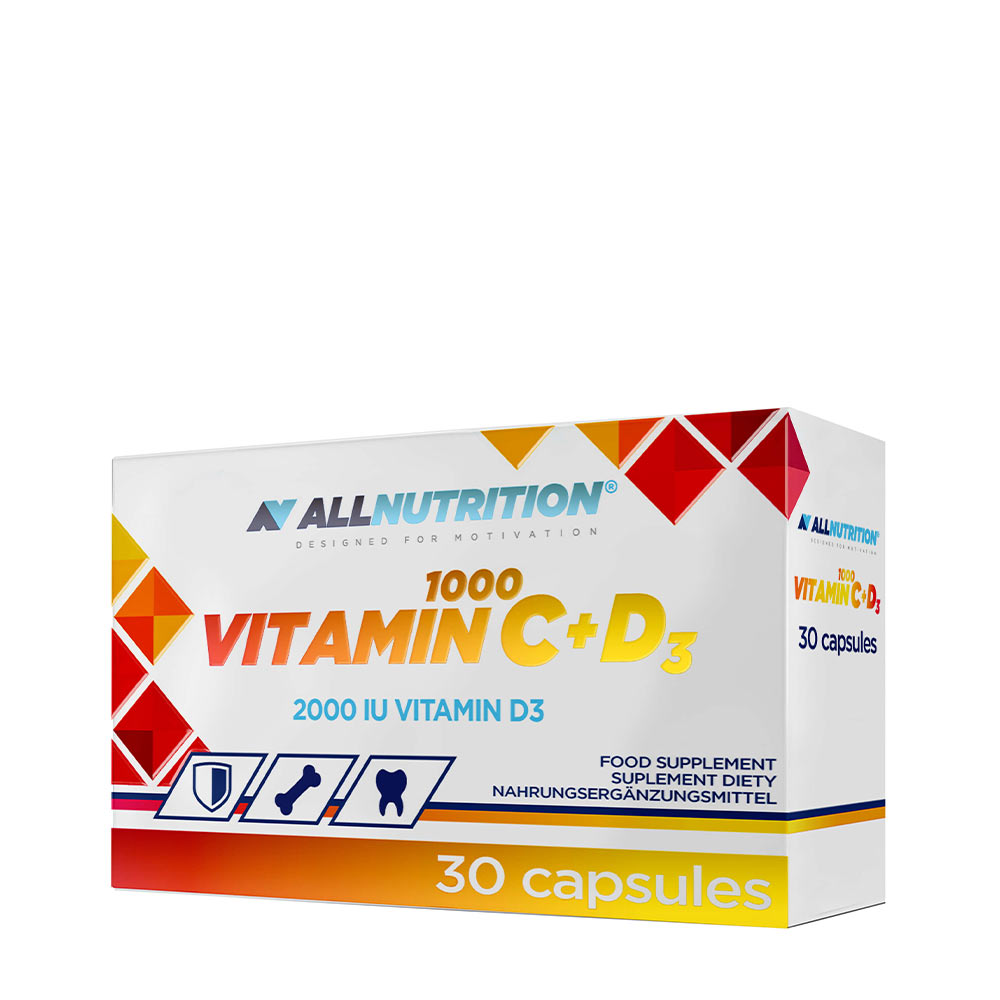
Allnutrition
Allnutrition - Vitamin C 1000 + D3 - 30 Caps
64 krIn stockWhy is this shown? Innehåller 1 av 2 ämnen artikeln handlar om · Renodlat tillskott — ämnet står i produktnamnet · I lager
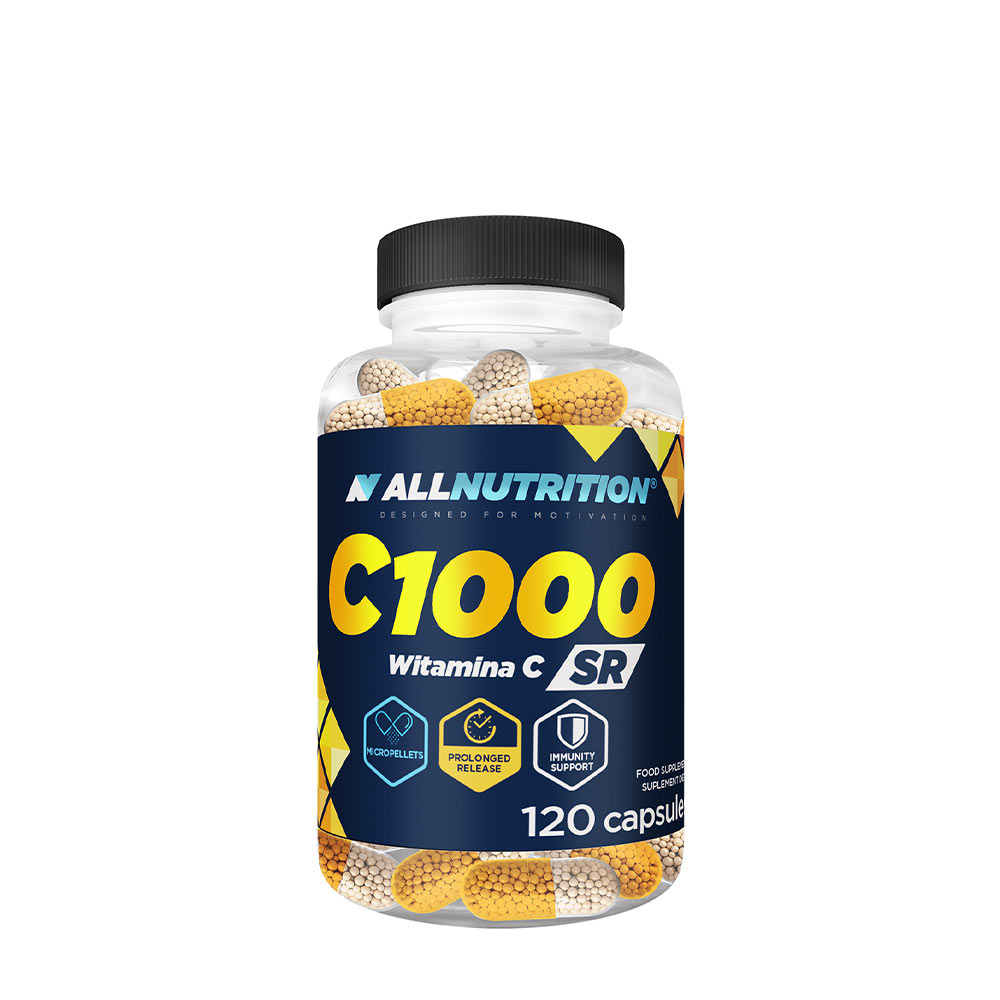
Allnutrition
Allnutrition - Vitamin C 1000 Sr - 120 Caps
172 krIn stockWhy is this shown? Innehåller 1 av 2 ämnen artikeln handlar om · Renodlat tillskott — ämnet står i produktnamnet · I lager
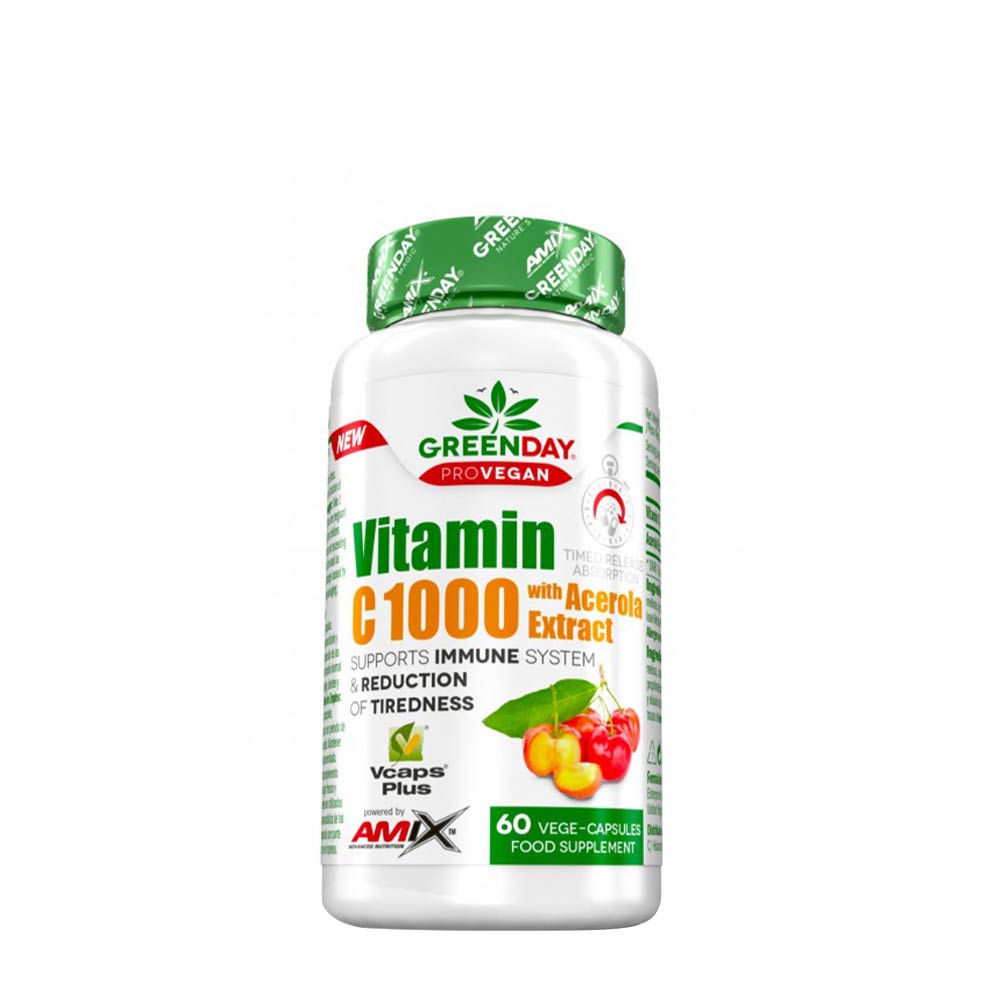
Amix
Amix - Provegan Vitamin C - 60 Caps
144 krIn stockWhy is this shown? Innehåller 1 av 2 ämnen artikeln handlar om · Renodlat tillskott — ämnet står i produktnamnet · I lager
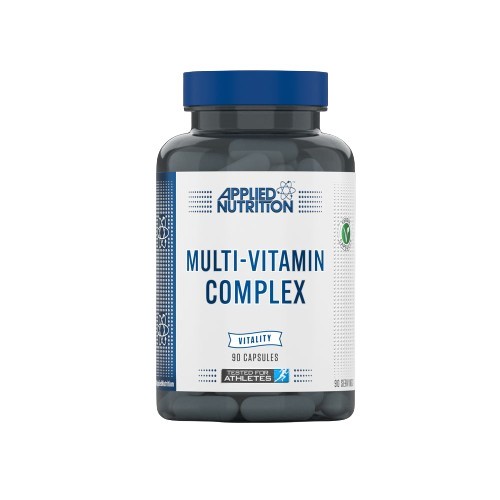
Applied Nutrition
Applied Nutrition - Multi-Vitamin Complex - 90 Caps
141 krIn stockWhy is this shown? Innehåller 1 av 2 ämnen artikeln handlar om · Renodlat tillskott — ämnet står i produktnamnet · I lager