What do vitamin E capsules do?
Short answer
Vitamin E capsules usually provide alpha-tocopherol, the form used to set vitamin E requirements. They supply a nutrient form involved in normal antioxidant function, but the exact form and amount on the label matter because mixed tocopherols and tocotrienols are different compounds. The only authorised EU wording is "Vitamin E contributes to the protection of cells from oxidative stress," and it applies only to foods that are at least a source of vitamin E.
Quick facts
- Vitamin E is a family of eight naturally occurring compounds.
- Alpha-tocopherol is the form used to set human vitamin E requirements.
- Vitamin E is fat-soluble and is absorbed with dietary fat.
- EFSA adult adequate intake is 13 mg/day for men and 11 mg/day for women.
- EFSA adult upper limit is 300 mg/day from all dietary sources.

What are vitamin E capsules and what do they do?
Vitamin E is a family, not one compound
“Vitamin E” covers eight naturally occurring fat-soluble compounds: four tocopherols and four tocotrienols, each in alpha, beta, gamma or delta form. For human vitamin E requirements, the form recognised by EFSA and NIH ODS is alpha-tocopherol, and that is the form a typical vitamin-E-only capsule usually supplies. A label may instead mention mixed tocopherols or tocotrienols, which are different vitamin E compounds, so the contents of any capsule should be checked on the pack. Scientific Opinion on Dietary Reference Values for vitamin E as α-tocopherol NIH ODS vitamin E fact sheet
| Label term | What it means | Why it matters |
|---|---|---|
| Alpha-tocopherol | The form used to set human vitamin E requirements | This is the main form to look for on a standard capsule label |
| Mixed tocopherols | A mixture of tocopherol compounds | It is not the same thing as alpha-tocopherol |
| Tocotrienols | Another group within vitamin E | They are not counted as substitutes for alpha-tocopherol in requirement values |
Why the capsule is fat-soluble
Vitamin E depends on normal fat digestion in the small intestine for absorption. After absorption, the liver preferentially returns alpha-tocopherol to circulation through alpha-tocopherol transfer protein, while other forms are more extensively metabolised and excreted. That is why vitamin E is classed as a fat-soluble nutrient: it travels and is handled in the body differently from nutrients that do not depend on dietary fat. NIH ODS vitamin E fact sheet
What it does in the body
The principal established biochemical role of alpha-tocopherol is as an antioxidant in cell membranes. It helps interrupt chain reactions that oxidise fats, especially polyunsaturated fatty acids. Scientific Opinion on Dietary Reference Values for vitamin E as α-tocopherol NIH ODS vitamin E fact sheet
Capsules versus food
Vitamin E capsules can supply a recognised essential nutrient, and supplementation may be clinically necessary for diagnosed deficiencies or absorption disorders. Food remains the other route, but the capsule itself does not show whether you are getting natural-source RRR-alpha-tocopherol, synthetic all-rac-alpha-tocopherol, or another vitamin E compound. For that reason, the label is more informative than the front-of-pack name alone. NIH ODS vitamin E fact sheet
How much vitamin E do you actually need?
Vitamin E labels do not all use the same accounting system. The US National Institutes of Health says alpha-tocopherol is the form recognized as meeting human requirements, while Nordic recommendations use alpha-tocopherol equivalents; that means the same milligram number can describe different reference systems. NIH Office of Dietary Supplements and Nordic Nutrition Recommendations 2023

EFSA intake targets by age and life stage
EFSA could not establish average requirements or population reference intakes for vitamin E, so it set adequate intakes based on observed intakes in healthy populations. The figures below are the European reference values used for planning intake, not capsule instructions. EFSA dietary reference values for vitamin E as alpha-tocopherol
| Group | EFSA adequate intake |
|---|---|
| Infants 7–11 months | 5 mg/day |
| Children 1 to <3 years | 6 mg/day |
| Children 3 to <10 years | 9 mg/day |
| Children 10 to <18 years | 13 mg/day for boys, 11 mg/day for girls |
| Adult men | 13 mg/day |
| Adult women | 11 mg/day |
| Pregnancy | 11 mg/day |
| Lactation | 11 mg/day |
EFSA’s opinion also states that it found no evidence for an increased dietary requirement in pregnancy or lactation, so the adult women’s figure does not move upward in those life stages. EFSA dietary reference values for vitamin E as alpha-tocopherol
US adult reference intakes
In the US system, the adult RDA is 15 mg/day of alpha-tocopherol, including pregnancy, and 19 mg/day during lactation. The same fact sheet says deficiency caused solely by low dietary intake is unusual in otherwise healthy adults, while people with disorders that impair fat absorption are a different group and may need clinical assessment. NIH Office of Dietary Supplements
Who may fall short more easily
Vitamin E is fat-soluble, and absorption depends on the amount of fat in a meal and on the food matrix. That is why people with fat-malabsorption conditions are more likely to struggle with vitamin E status than healthy adults eating normally. Study on vitamin E absorption and meal fat NIH Office of Dietary Supplements
Targets are not safety limits
Do not confuse a reference intake with a maximum. EFSA’s adult upper limit is 300 mg/day of alpha-tocopherol from all dietary sources, including pregnancy and lactation, while the US adult upper limit is 1,000 mg/day of supplemental vitamin E. Those are safety ceilings, not intake goals. EFSA tolerable upper intake level summary tables NIH Office of Dietary Supplements
Use the unit first, then the number: mg of alpha-tocopherol is not the same reference system as mg of alpha-tocopherol equivalents.
What does the research really say about benefits?
The only authorised claim in Europe
In the EU, the authorised wording is “Vitamin E contributes to the protection of cells from oxidative stress.” It may be used only for food that is at least a source of vitamin E. In plain language, that is a statement about a normal body function, not a promise that a capsule will improve a disease outcome. EU authorised claim text
What the trials show for common promises
| Marketing promise | What was studied | What the evidence showed |
|---|---|---|
| Immunity | 617 nursing-home residents aged at least 65 took 200 IU/day for one year. | Overall respiratory infections were not significantly reduced, although some upper-respiratory measures were lower. That is not a broad immune guarantee. Respiratory infection trial |
| Heart health | About 10,000 people at high cardiovascular risk took 400 IU/day of natural vitamin E for 4.5 years in HOPE. | There was no reduction in major cardiovascular events, and extended follow-up also found no significant protection. NIH ODS vitamin E fact sheet |
| Eye health | Vitamin E alone was tested, including 500 IU/day of d-alpha-tocopherol; AREDS tested a combination with vitamin C, beta-carotene, zinc and copper. | Vitamin E alone did not prevent age-related macular degeneration. In AREDS, the combination lowered progression risk in people already at high risk of advanced AMD, but that result cannot be credited to vitamin E alone. NIH ODS vitamin E fact sheet |
| A Cochrane review examined 12 small or medium-sized trials of antioxidant supplementation in subfertile men; a separate study tested 400 IU/day oral alpha-tocopherol acetate for six months. | The fertility evidence was very low certainty and did not establish a vitamin E-only dose. The oral skin study found no meaningful improvement in measured UVB redness or sunburn-cell response. Cochrane review Oral photoprotection study |
Deficiency correction is different from extra benefit
Vitamin E capsules can be clinically necessary for diagnosed deficiency or absorption problems, but that is a different question from whether extra vitamin E helps when intake is already adequate. EFSA DRV opinion NIH ODS vitamin E fact sheet
Which foods provide vitamin E before you buy capsules?
The most concentrated everyday sources
The NIH Office of Dietary Supplements lists vitamin E as alpha-tocopherol per edible serving. In that table, the most concentrated everyday sources are vegetable oils, nuts and seeds, and the authorised claim for foods that are at least a source of vitamin E is that vitamin E contributes to the protection of cells from oxidative stress.

That food-first view matters because EFSA’s adult adequate intakes for alpha-tocopherol are 13 mg/day for men and 11 mg/day for women. Those are intake targets, not capsule amounts, but they show why a normal serving of a dense food can move the dial quickly. EFSA’s vitamin E opinion
| Food and preparation | Edible serving | Vitamin E | Practical reading |
|---|---|---|---|
| Wheat-germ oil | 1 tablespoon | 20.3 mg | One spoonful is already above EFSA’s adult AI |
| Sunflower seeds, dry roasted | 1 ounce | 7.4 mg | About two-thirds of the women’s AI and a little over half of the men’s AI |
| Almonds, dry roasted | 1 ounce | 6.8 mg | Close to half of the adult AI range |
| Sunflower oil | 1 tablespoon | 5.6 mg | Useful when oil is part of ordinary cooking |
| Boiled spinach | 1/2 cup | 1.9 mg | Smaller than oils, nuts or seeds, but still contributory |
How to read the numbers in real meals
These are food-serving values, not supplement potencies, and the named preparation matters: dry-roasted seeds and almonds are not the same as raw ones, and boiled spinach is not the same as fresh leaves. A spoonful of oil, a small handful of nuts, or a measured serving of seeds can therefore change the day’s total much more than a token sprinkle. ODS vitamin E fact sheet
For readers building meals rather than shopping for capsules, the numbers show a simple pattern: oils and seeds are the densest options, nuts follow closely, and leafy greens contribute smaller amounts per serving. That is why a week that regularly includes these foods can cover a meaningful share of intake before any capsule is needed. ODS vitamin E fact sheet
Look at the serving size first: one tablespoon of wheat-germ oil provides 20.3 mg, while half a cup of boiled spinach provides 1.9 mg. The food name alone does not tell you the total.
When food intake may stay low
Intake is more likely to stay low when meals rarely include vegetable oils, nuts or seeds, or when those foods appear only in very small portions.
Avocado is not one of the foods quantified in the cited ODS table excerpt here, so this section stays with the items that are actually measured: oils, nuts, seeds and leafy greens. ODS vitamin E fact sheet
Which vitamin E capsule should you choose?
Start with the form, not the marketing name
“Vitamin E” can mean several related compounds, but alpha-tocopherol is the form used to set nutritional requirements. Natural-source d-alpha-tocopherol is RRR-alpha-tocopherol; synthetic dl-alpha-tocopherol is all-rac-alpha-tocopherol. The NIH ODS fact sheet says 1 mg of natural RRR-alpha-tocopherol has the activity of 2 mg of synthetic all-rac-alpha-tocopherol, and that 400 IU is about 268 mg of natural-form or 180 mg of synthetic-form alpha-tocopherol. NIH ODS vitamin E fact sheet
| Label term | What it means | What to compare |
|---|---|---|
| d-alpha-tocopherol | Natural-source alpha-tocopherol | mg per capsule and mg per daily serving |
| dl-alpha-tocopherol | Synthetic alpha-tocopherol | Do not compare IU numbers without checking the form |
| Mixed tocopherols | More than one tocopherol form | How much alpha-tocopherol the product actually supplies |
| Tocotrienols | Other vitamin E-related compounds | Do not treat the blend weight as alpha-tocopherol |
A small crossover study in 10 healthy men with an apoE4 genotype found natural-versus-synthetic blood-exposure ratios of about 1.33–1.35:1 during a 400 mg/day, four-week period; that is a kinetic result, not proof that one capsule is better for outcomes. PubMed study on natural and synthetic alpha-tocopherol
Check what the capsule actually contains
“Mixed tocopherols” and “tocotrienols” are additional vitamin E-related compounds, not a free upgrade. In a short study, men took 800 IU/day for 10 days in different alpha-tocopherol formulations, with or without mixed tocopherols; adding the mixture did not materially change the alpha-tocopherol blood response, and gamma-tocopherol fell. Another small study in 38 adults with hair loss used 100 mg/day mixed tocotrienols plus alpha-tocopherol, so that result cannot be read as evidence for alpha-tocopherol alone. PubMed study on mixed tocopherols PMC study on tocotrienols
Read the label like a buyer, not a slogan
Compare the amount per stated serving, the unit used, and the named form. Modern Supplement Facts labels give vitamin E in mg; older labels may use IU. That means the big number on the front is not enough on its own. Also note whether the product is a softgel or a dry capsule; the shell format is a packaging detail, while the active ingredient and serving size tell you what you are actually buying. If you need a vegan option, check whether the shell is gelatin-free or plant-based, and then confirm the allergen statement, batch number, expiry date, and storage instructions on the pack. NIH ODS vitamin E fact sheet
The safest comparison is simple: look for the exact alpha-tocopherol form, the amount per daily serving in mg, and any extra tocopherols or tocotrienols listed separately.
How should you take vitamin E capsules for absorption?
Take it with food, not on an empty stomach
Vitamin E is absorbed with dietary fat, and the simplest routine is to take the capsule with a regular meal rather than trying to engineer a special time of day. The evidence does not support a universal minimum number of grams of fat for every product or every person, because absorption depends partly on the formulation and on whether a study measured early blood appearance or total absorption. PubMed study on meal fat and vitamin E absorption PubMed study on food and fat in vitamin E kinetics

| Study setting | What was tested | What happened |
|---|---|---|
| 10 healthy women | 40%-fat meal versus fat-free meal | Estimated fractional absorption was 55% with the fatty meal and 64% with the fat-free meal; fasting mainly delayed appearance in blood. PubMed |
| Healthy women | 50 mg supplement with meals containing 3 g versus 36 g fat | Plasma responses were similar across the two meals. PubMed |
| 8-person study | 300 mg mixed-tocotrienol fed versus fasted | Blood exposure was greater when taken fed; tocotrienol results should not be assumed to match every alpha-tocopherol capsule. PubMed |
Build a routine you can repeat
For daily use, a sensible habit is to take vitamin E at the same meal each day, because consistency is easier than chasing an exact fat threshold that the studies do not establish. If the capsule is part of a multivitamin or another supplement, read the labels together and count the total vitamin E across all products before you decide how to use them. That helps avoid accidental doubling up, which is easy to do when vitamin E appears in more than one capsule or softgel. NIH Office of Dietary Supplements vitamin E fact sheet
Take vitamin E with an ordinary meal, keep the timing consistent, and do not assume that a larger or fattier meal will automatically mean better use of the capsule. PubMed
Do not expect instant results
So the practical goal is simple: follow the stated serving on the pack, swallow the capsule whole when the label says to do so, and override any guesswork with the product instructions if they are more specific. If you have persistent fat malabsorption, meal timing alone may not solve the problem and a different formulation may be needed under clinical guidance. NIH Office of Dietary Supplements vitamin E fact sheet
Are vitamin E capsules safe for everyone?
Vitamin E safety is mainly a question of dose and drug interactions. NIH’s fact sheet warns that high supplemental amounts can interfere with clotting and increase bleeding risk, especially with warfarin and other antiplatelet medicines such as aspirin; it also says the supplemental amount that causes a clinically significant interaction is uncertain. NIH Office of Dietary Supplements vitamin E fact sheet
That risk is why the European Food Safety Authority’s upper limits are framed as safety ceilings, not targets. In the EFSA summary table, the upper limit is 300 mg/day for adults, including pregnancy and lactation; it is lower in children, from 100 mg/day at 1–3 years up to 260 mg/day at 15–17 years. The same table notes that there is no vitamin E UL for infants. EFSA upper-limit summary table
Who needs medical advice before taking capsules?
| Group | Why caution matters | Practical step |
|---|---|---|
| People taking warfarin, aspirin, or other antiplatelet or anticoagulant medicines | Vitamin E may affect platelet aggregation and vitamin-K-dependent clotting | Discuss supplement use with the clinician managing the medicine |
| People with planned surgery | Bleeding risk is the main concern around procedures | Tell the surgical team about the capsules rather than deciding on your own when to stop |
| People with vitamin-K malabsorption or secondary prevention of cardiovascular disease | EFSA says the ULs do not apply to these groups | Use only with medical supervision |
| People with disorders that impair fat absorption | They are a different population and may need clinical assessment | Ask before self-supplementing |
NIH also notes that people receiving chemotherapy or radiotherapy should discuss antioxidant supplements with their oncology team because interactions remain uncertain. For food, the safety picture is different: NIH reports no adverse effects established from vitamin E consumed in foods. NIH Office of Dietary Supplements vitamin E fact sheet
For capsules, the practical line is simple: if your dose is creeping toward the adult UL of 300 mg/day, or if you use clotting medicines or have surgery coming up, stop self-adjusting and speak to a clinician first. EFSA upper-limit summary table NIH Office of Dietary Supplements vitamin E fact sheet
Can vitamin E capsules help skin, hair or cosmetic concerns?
Oral supplements are not the same as skincare products
Vitamin E is a nutrient, and at nutrition level it has the approved claim that vitamin E contributes to the protection of cells from oxidative stress when the food is at least a source of vitamin E. That is not the same as proving that a swallowed capsule will change skin appearance, hydration, or hair. In a placebo-controlled study of healthy adults, 400 IU/day of oral α-tocopherol acetate for six months did not meaningfully improve measured UVB redness or the sunburn-cell response, so it gave no basis for treating the capsule as sunscreen.
For general cosmetic promises, the evidence stays weak. A review of topical vitamin E for scar management found only six prospective studies, and the results were mixed: some positive reports involved combinations rather than vitamin E alone, while others found no significant benefit. Another scar trial in 122 people with recently healed surgical scars tested twice-daily 5% tocotrienol for six weeks and did not significantly improve scar appearance or vascularity among the 85 who completed all assessments.
What the human studies actually show
| Use | What was studied | What happened |
|---|---|---|
| General skin appearance | Oral vitamin E in healthy adults | No meaningful improvement in UVB redness or sunburn-cell response in the photoprotection study. |
| Eczema-like skin symptoms | 400 IU/day orally for four months in 70 people with mild-to-moderate atopic dermatitis | The vitamin E group improved more on SCORAD, but recurrence data were limited and not significant; the broader review was mixed. See the randomized trial. |
| Scars | Topical vitamin E studies and a 5% tocotrienol scar trial | Evidence was inconsistent, and the 5% tocotrienol study was not significant. See the systematic review and the scar trial. |
One practical mistake is to puncture an oral softgel and rub the contents on skin. The studies above do not treat an oral capsule, a formulated cream, and a topical tocotrienol product as interchangeable products, and the scar literature also reported skin reactions, including contact dermatitis in nearly one-third of users in one postoperative study. A capsule’s oily contents are not a tested cosmetic formula.
How to judge a capsule-labeled skin product
- Check whether it is meant to be swallowed or applied, because route matters more than the word “capsule” in the name.
- Look for the exact ingredient and form, since a vitamin E ingredient in one study is not proof for a different product.
- Ask whether the evidence is for the specific concern, such as scars, eczema, or general skin appearance, rather than a broad beauty claim.
- For vitamin C or vitamin E capsule skincare products, compare formulation, stability, and the actual ingredient evidence instead of assuming the package name says enough.
If a product is marketed as a capsule, that does not tell you whether it is a supplement, a topical product, or a formula with evidence behind it.
For readers scanning acne, dryness, or “glow” claims, the safe rule is simple: do not buy the claim before you check the tested ingredient, the route of use, and the exact study population.
Safety and precautions
Vitamin E safety depends mainly on dose and medicine interactions. High supplemental amounts can increase bleeding risk, especially with warfarin, aspirin, other antiplatelet medicines or anticoagulants, and you should tell your surgical team if you are using it before a procedure.
Ask a healthcare professional before using vitamin E if you are pregnant, breastfeeding, giving it to a child, or have a fat-malabsorption problem. Children have lower upper limits than adults, and infants have no set upper limit, so age-specific advice matters.
Supplements with the ingredients in this article
Compare contents, dose and price
Frequently asked questions
What are vitamin E capsules?
A vitamin E capsule usually contains alpha-tocopherol, the form used to set vitamin E requirements. Some products instead contain mixed tocopherols or tocotrienols, so the ingredient panel matters more than the front label. The shell format is just packaging; the active form and serving size are what count.
Do vitamin E capsules have proven benefits?
Capsules can still be useful when a clinician is correcting a diagnosed deficiency or absorption problem.
How should I take vitamin E capsules?
Take them with an ordinary meal rather than trying to chase a perfect fat target. The studies in the article support a simple, repeatable routine, but they do not show that a larger or fattier meal automatically gives better results. If vitamin E appears in more than one product you use, count the total across them.
How much vitamin E do I need?
EFSA's adequate intake is 13 mg/day for adult men and 11 mg/day for adult women, pregnancy and lactation. In the US system, the adult RDA is 15 mg/day, with 19 mg/day during lactation. These are intake targets, not capsule instructions, and they are different from upper limits.
Are vitamin E capsules safe with medicines?
They can interact with blood-thinning medicines, especially warfarin, aspirin and other antiplatelet or anticoagulant drugs. If you use those medicines, or if surgery is planned, medical advice is important before starting or changing a supplement. The article also notes that people receiving chemotherapy or radiotherapy should discuss antioxidant supplements with their oncology team.
Sources
- NORDIC NUTRITION RECOMMENDATIONS 2023 (external link)
- Scientific Opinion on Dietary Reference Values for vitamin E as α‐tocopherol - PMC (external link)
- Vitamin E - Health Professional Fact Sheet (external link)
- Title of the Technical report (external link)
- Regulation - 432/2012 - EN - EUR-Lex (external link)
- Vitamin E and respiratory tract infections in elderly nursing home residents: a randomized controlled trial. (external link)
- Antioxidants for male subfertility - PubMed (external link)
- Noncompetitive plasma biokinetics of deuterium-labeled natural and synthetic alpha-tocopherol in healthy men with an apoE4 genotype. (external link)
- Relative bioavailabilities of natural and synthetic vitamin E formulations containing mixed tocopherols in human subjects - PubMed (external link)
- The absorption of vitamin E is influenced by the amount of fat in a meal and the food matrix - PubMed (external link)
- Vitamin E absorption and kinetics in healthy women, as modulated by food and by fat, studied using 2 deuterium-labeled α-tocopherols in a 3-phase crossover design - PubMed (external link)
- Evaluation of the photoprotective effect of oral vitamin E supplementation - PubMed (external link)
- Effects of oral vitamin E on treatment of atopic dermatitis: A randomized controlled trial. (external link)
- Effects of Tocotrienol Supplementation on Hair Growth in Human Volunteers - PMC (external link)
- The Role of Topical Vitamin E in Scar Management: A Systematic Review - PubMed (external link)
- Vitamin E for treating children’s scars: Does it help reduce scarring? - PMC (external link)
Read more
- What is liposomal vitamin C?
- What should you know about vitamin C powder?
- Vitamin C Serum: What It Is, How It Works, and How to Choose
- Vitamins and Supplements: What to Know Before You Buy
- Vitamin B1 (Thiamine): What It Does, Sources, and How to Choose
- Vitamin E Oil: What It Is, Uses, and Evidence-Based Facts
Products related to this article
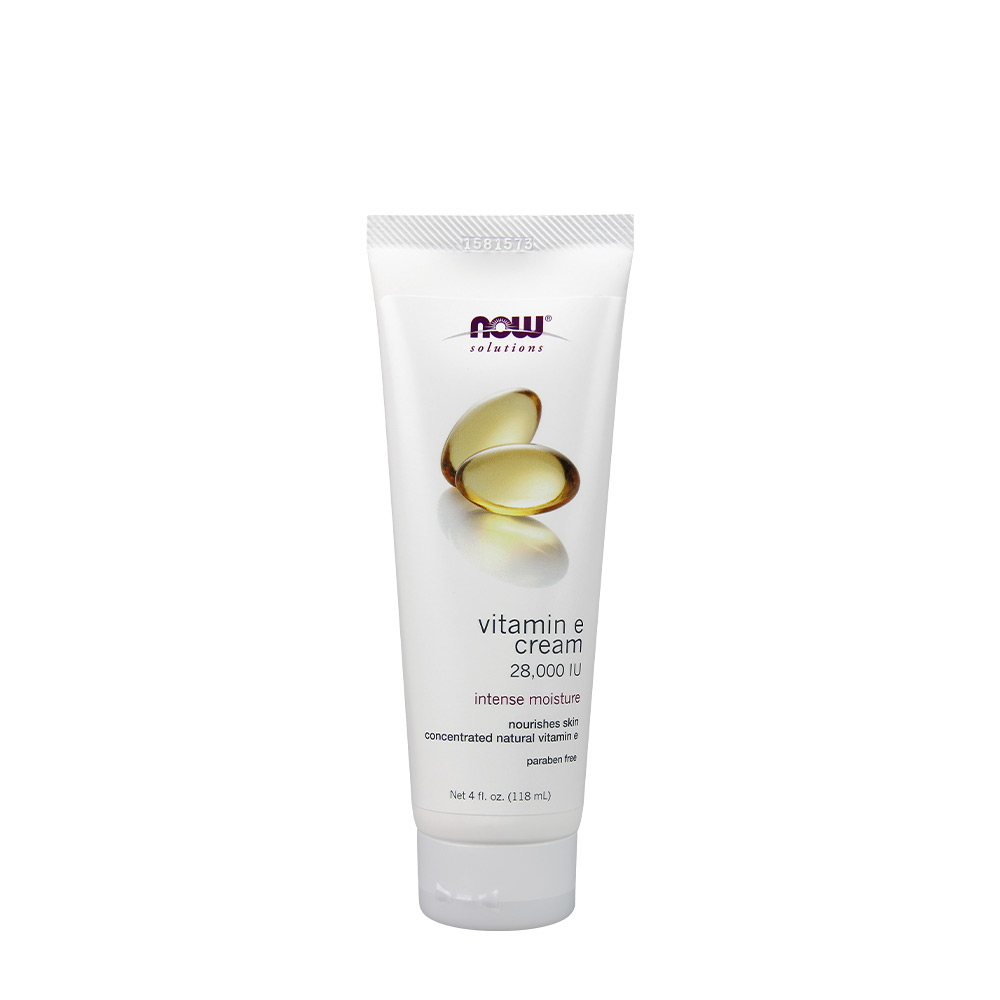
NOW Foods
NOW Foods - Vitamin E Cream - 118ml
162 krIn stockWhy is this shown? Innehåller alla ämnen artikeln handlar om · Renodlat tillskott — ämnet står i produktnamnet · I lager · Betyg 5.0 av 14 kunder
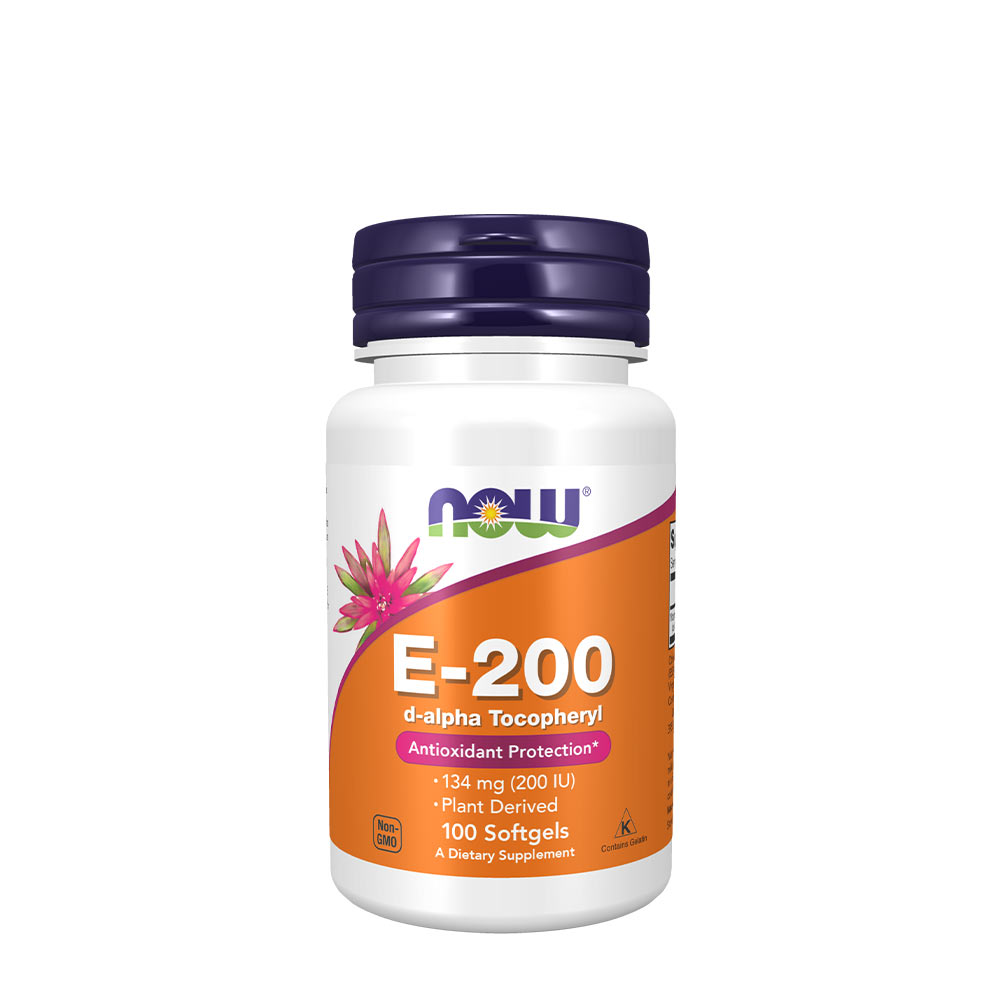
NOW Foods
NOW Foods - Vitamin E-200, Natural - 100 Sgels
151 krIn stockWhy is this shown? Innehåller alla ämnen artikeln handlar om · Renodlat tillskott — ämnet står i produktnamnet · I lager · Betyg 5.0 av 13 kunder
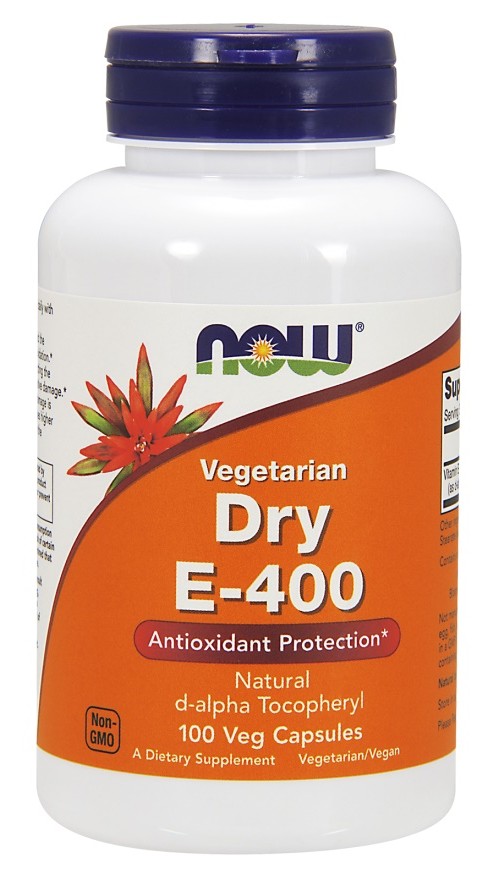
NOW Foods
Now Foods - Vitamin E-400 Dry, Vegetarian - 100 Vcaps
262 krIn stockWhy is this shown? Innehåller alla ämnen artikeln handlar om · Renodlat tillskott — ämnet står i produktnamnet · I lager · Betyg 4.9 av 14 kunder
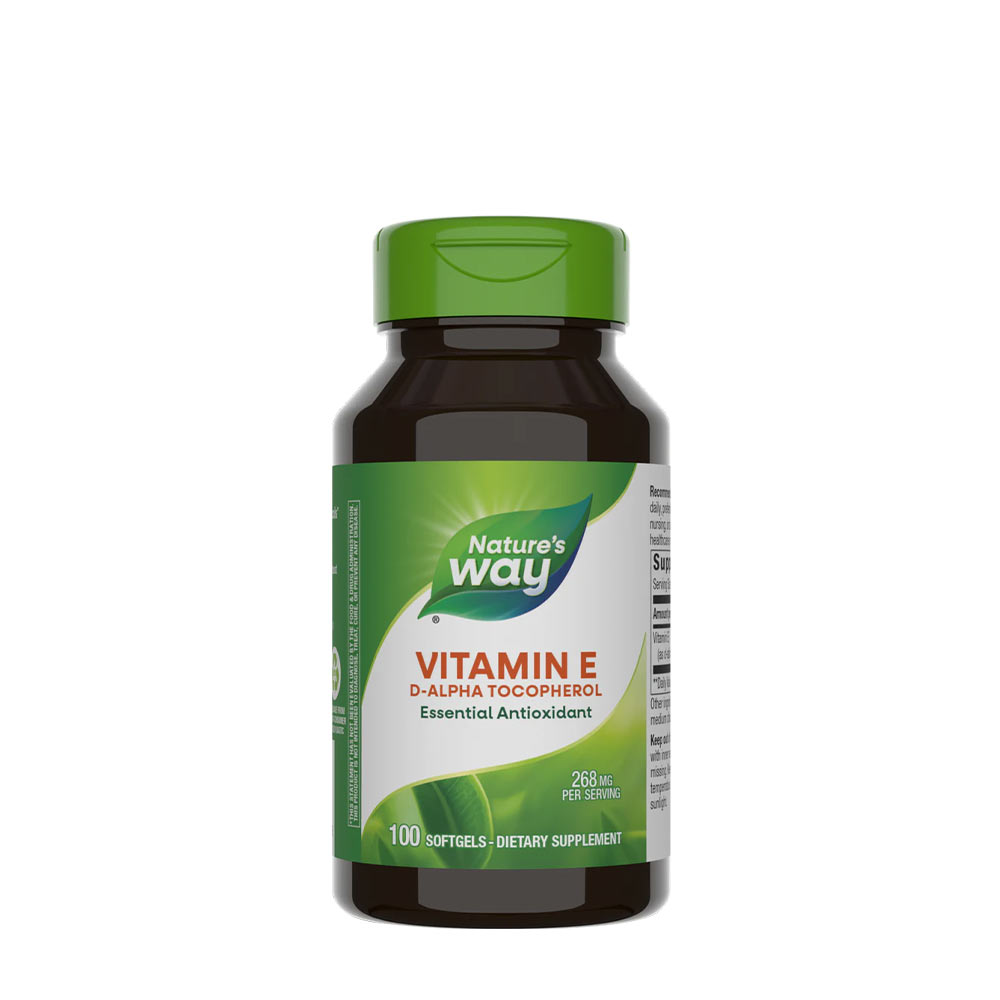
Nature's Way
Nature's Way - Vitamin E D-Alpha Tocopherol - 100 Sgels
352 krIn stockWhy is this shown? Innehåller alla ämnen artikeln handlar om · Renodlat tillskott — ämnet står i produktnamnet · I lager · Betyg 4.9 av 7 kunder
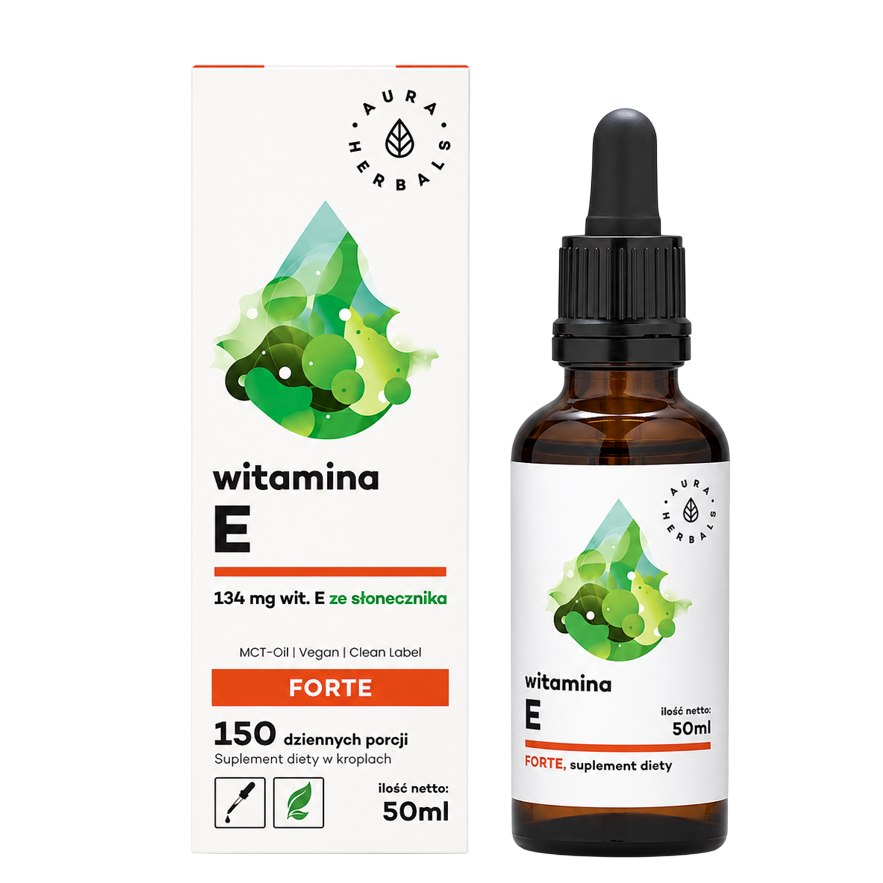
Aura Herbals
Aura Herbals - Vitamin E Forte 200IU MCT Oil Drops 50ml
184 krIn stockWhy is this shown? Innehåller alla ämnen artikeln handlar om · Renodlat tillskott — ämnet står i produktnamnet · I lager