Published · Automatically source-checked · By Tigoo redaktionSupplements
Short answer
Magnesium is involved in normal energy-yielding metabolism, nerve signalling, muscle function and the maintenance of normal bones. When comparing supplements, the key label check is the elemental magnesium per serving, not just the salt name or format.
Quick facts
Magnesium is a cofactor in more than 300 enzymatic reactions.
Magnesium contributes to normal energy-yielding metabolism.
Magnesium contributes to normal muscle function.
Magnesium contributes to the normal functioning of the nervous system.
Magnesium contributes to the maintenance of normal bones.
The serving size and elemental magnesium per serving matter most on the label.
In U.S. survey data from 2013–2016, 48% of people of all ages got less magnesium from food and beverages than their age- and sex-specific estimated average requirement; that is an intake measure, not a diagnosis of deficiency. NIH ODS also notes that a necessary role in the body does not mean extra magnesium will improve those functions if intake is already adequate. NIH ODS magnesium fact sheet
What this means when you compare gummies
For readers comparing Novomins-style gummies with other supplement formats, the first practical check is still the same: look for the serving size and the amount of magnesium per serving. FDA says dietary supplements can come as gummies, and Supplement Facts labels must list the serving size and the amount per serving of each listed ingredient. The format can change convenience, but it does not change what magnesium does in the body. FDA dietary supplements overviewFDA Supplement Facts label guide
How much magnesium do adults need?
Reference intakes depend on the authority
There is no single global number. The NIH Office of Dietary Supplements reports U.S. RDAs of 400 mg/day for men aged 19–30 and 420 mg/day for men 31+, versus 310 mg/day and 320 mg/day for women in the same age bands. For pregnancy, the U.S. RDA is 350 mg/day at 19–30 and 360 mg/day at 31–50; for lactation it is 310 mg/day and 320 mg/day. EFSA sets adequate intakes of 350 mg/day for adult men and 300 mg/day for adult women, and the Nordic Nutrition Recommendations 2023 use the same adult AIs while also listing provisional average requirements of 280 mg/day for men and 240 mg/day for women.
There is no single global number.
Authority
Adults
Pregnancy and lactation
Source
NIH ODS
Men 19–30: 400 mg/day; men 31+: 420 mg/day. Women 19–30: 310 mg/day; women 31+: 320 mg/day.
Those numbers are intake references, not diagnostic cut-offs. NIH ODS notes that in U.S. survey data from 2013–2016, 48% of people of all ages got less magnesium from food and beverages than their age- and sex-specific estimated average requirement; that is an intake comparison, not proof of clinical deficiency. ODS also notes that the kidneys conserve magnesium, so deficiency from low food intake alone is uncommon in otherwise healthy people. Nordic guidance adds that there is no adequate functional biomarker for magnesium status: serum or plasma magnesium can help identify severe deficiency, but it does not settle every question about body stores.
In practice, that means a low intake can sit in a grey zone between “probably not enough” and true deficiency. A blood test may help in severe cases, but a normal result does not automatically prove that intake is ideal, and a low result does not explain everything on its own. Nordic guidance
What low magnesium status can look like
Early signs can include poor appetite, nausea, fatigue and weakness; more severe deficiency can involve tingling, cramps, seizures or an abnormal heart rhythm. These symptoms are not specific enough to diagnose magnesium deficiency on their own. NIH ODS
Who is more likely to fall short?
Risk is higher with prolonged diarrhoea or malabsorption, including Crohn’s disease or coeliac disease; type 2 diabetes; alcohol dependence; older age; and eating little or restricting food groups. That is why magnesium questions are often about overall eating patterns and losses, not just whether a supplement contains the mineral. NIH ODS
Key point: a low intake is a prompt to review the diet and circumstances, not a diagnosis of deficiency by itself.
Which foods supply magnesium best?
High-magnesium foods in practice
NIH ODS, using USDA food data, lists nuts and seeds as concentrated sources, with cooked legumes, leafy greens and whole grains also making substantial contributions. The figures below are for the edible food in the stated preparation and portion, not dry-weight equivalents. NIH ODS magnesium food-composition data
Food
Standard serving
Approximate magnesium
Pumpkin-seed kernels, roasted
1 oz
156 mg
Almonds, dry-roasted
1 oz
80 mg
Spinach, boiled
1/2 cup
78 mg
Black beans, cooked
1/2 cup
60 mg
One practical day of magnesium-rich foods can add up quickly: the four servings above total about 374 mg, and NIH ODS gives an illustrative five-food total of about 416 mg when cooked brown rice is included. NIH ODS magnesium food-composition data
Can a normal diet reach the adult range?
Often, yes. The Nordic review reports average intakes of roughly 260–440 mg/day across the populations it reviewed, which shows that food alone can land in the range of adult reference intakes. Nordic Nutrition Recommendations 2023 magnesium review
That does not mean everyone gets enough. Diets with few nuts, seeds, legumes, leafy greens or whole grains have less room to reach the target, and refining grains can substantially reduce their magnesium content. If you rely heavily on refined grains and very few plant foods, magnesium intake can slip even when total calories look adequate. NIH ODS magnesium fact sheet
Food magnesium and supplement magnesium are not the same thing
Food magnesium is part of the diet; supplemental magnesium is a separate, labelled source that is counted toward total intake on its own serving size. Supplement labels list elemental magnesium, while food tables list magnesium in a specific edible portion, so the two should not be mixed up when comparing a diet with a capsule or gummy. FDA guidance on dietary supplementsNIH ODS magnesium fact sheet
Which magnesium forms differ most in supplements?
Start with the elemental amount, not the salt name
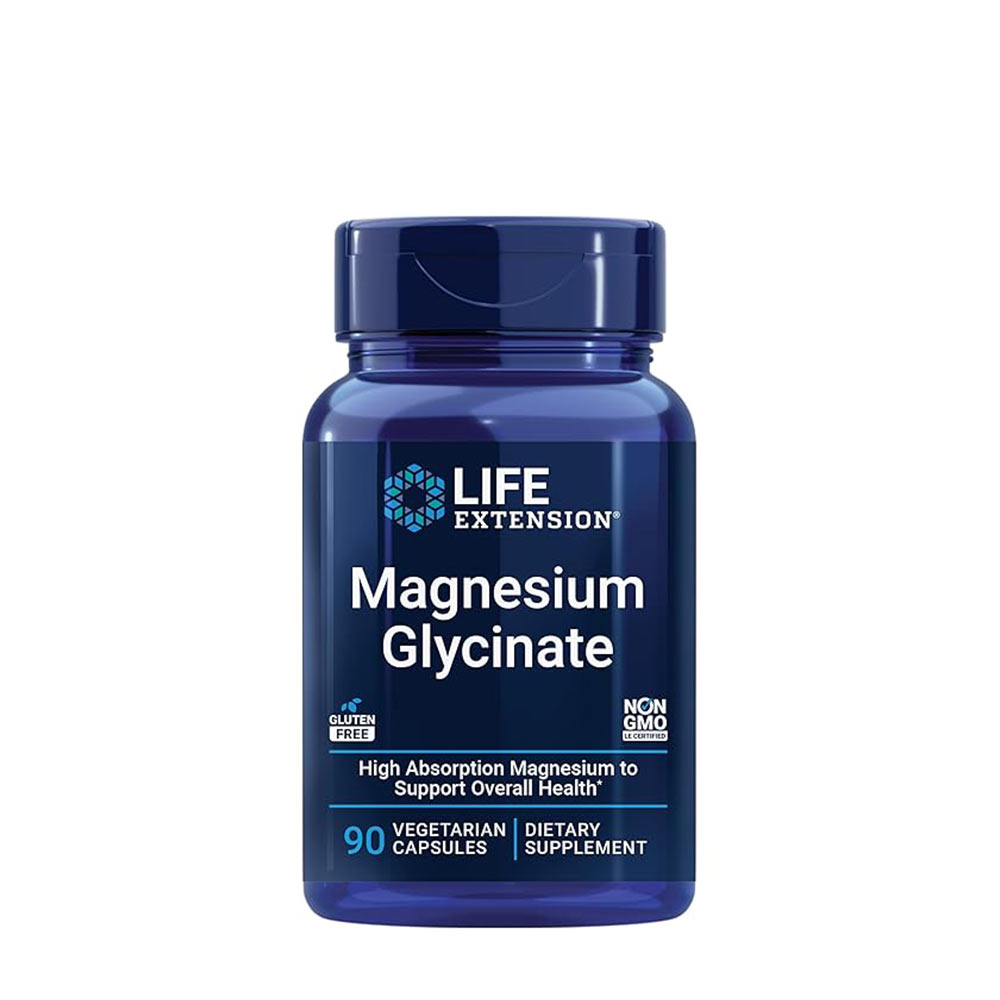
On a supplement label, magnesium should be read as elemental magnesium per serving, not the weight of the whole compound. The FDA says supplement labels must list the serving size and the amount per serving, and NIH ODS notes that magnesium labels report elemental magnesium rather than the mass of the magnesium compound itself. That is why the name on the front can be less useful than the numbers in the Supplement Facts panel. FDANIH ODS
On a supplement label, magnesium should be read as elemental magnesium per serving, not the weight of the whole compound.
Form
What the retrieved evidence shows
How to read it
Oxide
In a 60-day trial in 46 healthy people, 300 mg/day elemental magnesium as oxide produced weaker urinary-magnesium evidence of absorption than citrate or an amino-acid chelate. PubMed
Do not assume the salt name tells you the elemental dose.
Citrate
NIH ODS lists citrate among forms that tend to be more bioavailable than oxide or sulfate, and the same 46-person trial found stronger absorption markers than with oxide. A separate 14-person study using 400 mg elemental magnesium also found higher urinary excretion and some higher plasma measures after citrate than after oxide. NIH ODSPubMed
Better absorption markers do not prove better outcomes.
Bisglycinate / amino-acid chelate
The 46-person trial found greater urinary-magnesium evidence of absorption than oxide at 300 mg/day elemental magnesium. PubMed
The label still needs the elemental amount per serving.
Lactate
NIH ODS includes lactate among forms that generally appear more bioavailable than oxide or sulfate. NIH ODS
Solubility can help, but it is not a guarantee.
Chloride
NIH ODS includes chloride among forms that generally appear more bioavailable than oxide or sulfate. NIH ODS
Check the serving, not just the form.
Gummies, capsules and powders are formats, not proof
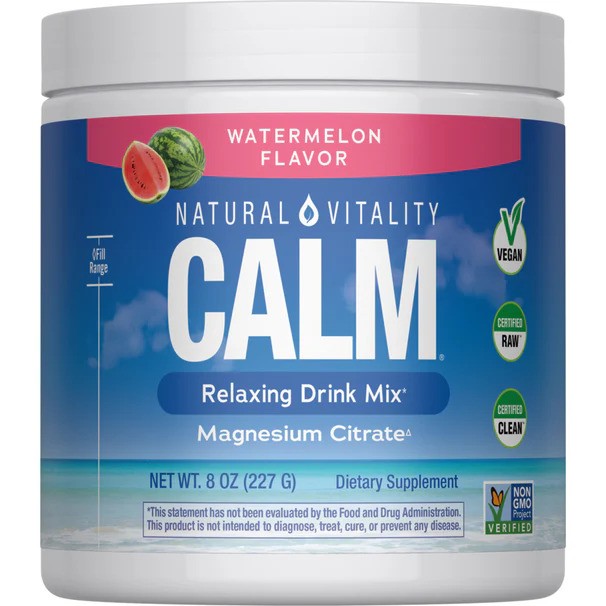
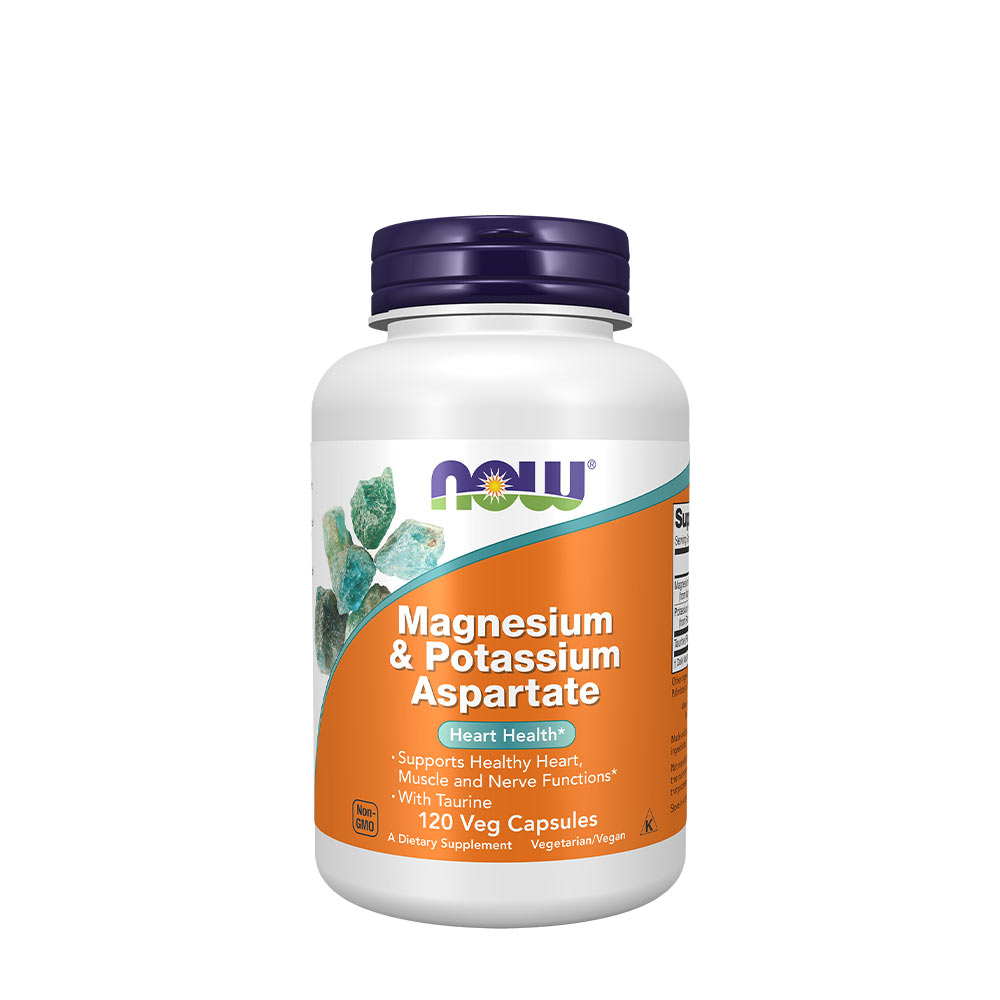
Gummies, capsules, powders and liquids are all supplement formats; the FDA lists them as ordinary ways supplements are sold. What matters for comparison is the actual compound and the amount per serving, not whether the product is sweet or chewable. The retrieved studies compare magnesium salts and absorption markers, but they do not show that gummies absorb better or work better than the same elemental dose in capsules or powder. FDANIH ODSPubMed
There is also a tolerability trade-off. NIH ODS says excess supplemental magnesium commonly causes diarrhoea, nausea or abdominal cramps, and that some forms are better absorbed than others, but the evidence here still stops at small studies and absorption proxies. A more soluble form can look better on paper without proving a better practical result for every person. NIH ODS
Key point: the label’s elemental-magnesium number is the figure to compare; the salt name and the gummy format do not, by themselves, prove better absorption or a better result. NIH ODSPubMed
The retrieved sources compare oxide, citrate, chloride, lactate, aspartate, sulfate and amino-acid chelates; they do not provide comparative data here for every other named magnesium salt. NIH ODS
What can magnesium realistically help with?
The strongest signals are modest, not dramatic
Magnesium has a biological role in hundreds of reactions, but supplementation does not automatically produce a noticeable benefit when intake is already adequate. In the best-studied areas, the signal is usually small, mixed, or limited to specific groups. For example, a randomized trial in 155 adults with poor sleep used 250 mg elemental magnesium a day as bisglycinate for four weeks; insomnia scores fell by 3.9 points with magnesium versus 2.3 with placebo, a small between-group effect (PubMed trial on magnesium and sleep).
For muscle cramps, the evidence is even less supportive for broad use. A Cochrane review of 11 trials and 735 people found that prevention was unlikely to be clinically meaningful in older adults with idiopathic cramps, and the findings for pregnancy-associated rest cramps were conflicting (Cochrane review on magnesium for skeletal muscle cramps).
Area
What the trials found
Plain-language read
Sleep
155 adults with poor sleep; 250 mg/day for four weeks; small improvement in insomnia scores versus placebo (source)
Promising, but not strong enough to treat as a routine sleep aid
Muscle cramps
11 trials, 735 people; unlikely to help older adults with idiopathic cramps; pregnancy data conflicted (source)
No broad cramp solution
Blood pressure
38 randomized trials, 2,709 participants; average changes of −2.81 mmHg systolic and −2.05 mmHg diastolic; larger reductions in hypertension medication users or people with hypomagnesemia (source)
Small average effect, not a stand-alone answer
Blood pressure, glucose and mood: some signal, but not a guarantee
A 2025 meta-analysis of 38 randomized trials found average blood-pressure changes of −2.81 mmHg systolic and −2.05 mmHg diastolic versus placebo, with larger reductions in people taking hypertension medicine or with hypomagnesemia; the review also reported no clear dose-response relationship (PubMed meta-analysis on blood pressure). For glucose control, one dose-response analysis in 18 trials involving people with type 2 diabetes estimated an HbA1c difference of −0.73 percentage points at 500 mg/day, but the authors said the evidence was still too limited for clinical-practice guidelines (PubMed meta-analysis on glycaemic control).
Evidence on mood and exercise performance is similarly mixed. A meta-analysis of seven placebo-controlled trials in 325 adults with depressive disorders found lower depression scores with supplementation, but the authors called for larger, higher-quality trials (PubMed meta-analysis on mood). A review of muscle fitness covering 14 randomized trials found no supported benefit for most athletes or active people with relatively high magnesium status (PubMed review on exercise performance).
Takeaway: magnesium supplements look most plausible when intake is low or a study population already has a specific issue, but the average effects in sleep, cramps, blood pressure, glucose, mood and performance are modest, inconsistent, or uncertain.
That is why essential does not mean “the more the better”: a nutrient can be necessary in the body and still show only limited, context-dependent effects when added as a supplement.
What claims are actually authorised in Europe?
EU magnesium labels are allowed to use authorised claims that describe a normal body function, not a medical promise. The legal text is Regulation (EU) No 432/2012, and the claim may be used only for food which is at least a source of magnesium.
EU magnesium labels are allowed to use authorised claims that describe a normal body function, not a medical promise.
Compliant magnesium marketing says what magnesium contributes to; it does not say that the product treats, cures, prevents, or replaces medical care.
The authorised magnesium wording
Authorised claim
What it means in plain language
The wording may refer to maintaining normal mineral balance in the body.
Magnesium contributes to normal muscle function
The claim can point to muscles working normally.
The claim can refer to normal mental function.
How to spot compliant vs inflated marketing
For readers, the practical rule is simple: if the packaging turns a normal-function claim into a treatment promise, it has left the authorised territory. EU claim wording also has to be set in the context of a varied and balanced diet and healthy lifestyle, with the quantity and pattern of consumption stated where required.
How should you choose a magnesium supplement?
Start with elemental magnesium, not bottle size
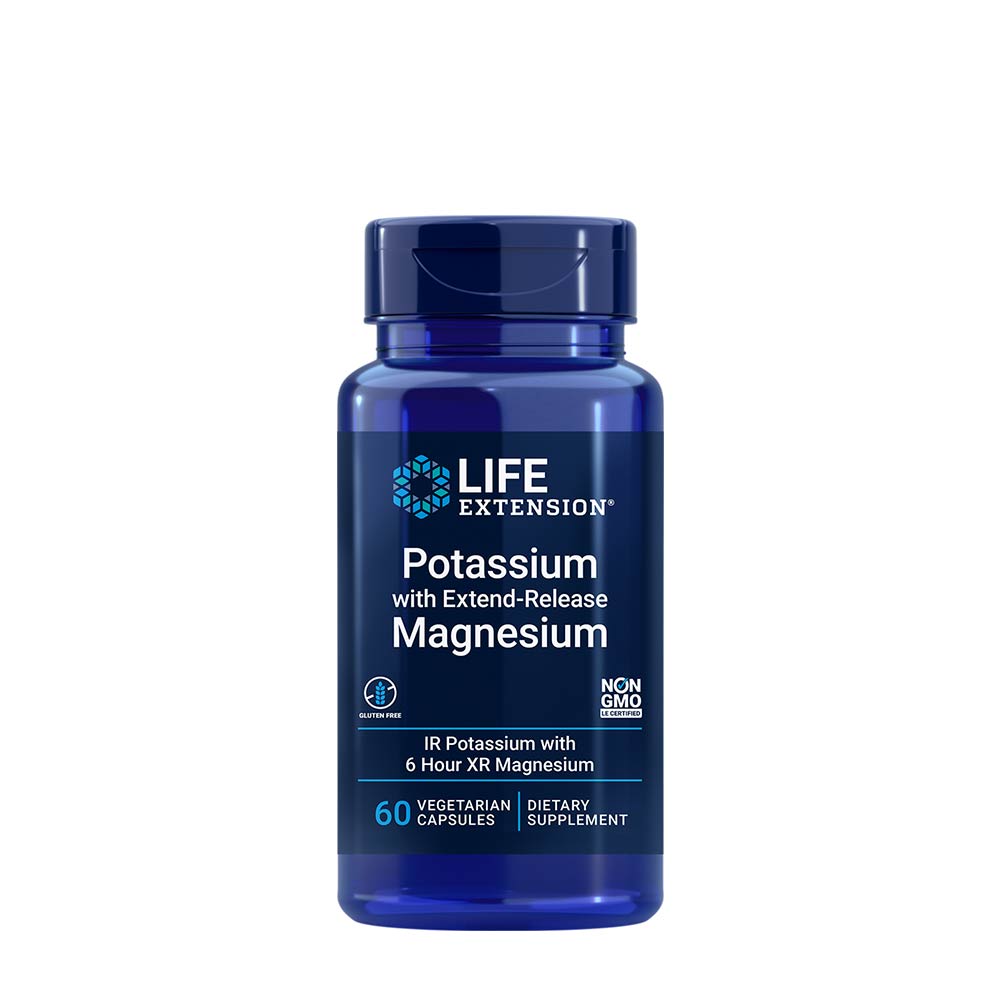
The first label check is elemental magnesium per serving. FDA supplement labels must show the serving size and the amount per serving, and magnesium supplements can come as tablets, capsules, gummies, powders or liquids. The number on the front of the bottle is less useful than the panel that tells you how much magnesium you actually get in one daily serving. FDA: dietary supplement labeling basics
Compare products by elemental magnesium per day, not by total bottle weight or marketing language.
That distinction matters because “magnesium citrate” or “magnesium oxide” is the compound name, not the elemental dose. NIH notes that more soluble forms such as citrate, aspartate, lactate and chloride generally appear better absorbed than oxide or sulfate in small studies, and gives a 60-day trial in 46 healthy people where 300 mg/day elemental magnesium as citrate or a chelate produced higher urinary-magnesium responses than oxide. That does not make one format universally better; it means the label should tell you both the form and the elemental amount. NIH ODS: magnesium fact sheet
Check serving size and daily count
Read how many gummies, capsules or tablets make one serving, then check how many servings the label expects per day. A product can look “stronger” simply because the serving is larger, not because each piece contains more magnesium. One common mistake is confusing compound weight with elemental magnesium: 500 mg of magnesium oxide is not the same as 500 mg of elemental magnesium, and FDA says the %DV is only the contribution of one serving to the daily diet. The U.S. Daily Value for magnesium is 420 mg. FDA: Daily Value for magnesium
What to check
Why it matters
What not to assume
Elemental magnesium per serving
Shows the real magnesium amount you will take
Bottle size or compound weight
Magnesium salt form
Can affect absorption and tolerance
That gummies are always better than tablets
Daily serving count
Tells you the number of gummies or capsules needed
That one piece equals one serving
Look beyond the mineral number
Once the magnesium dose is clear, compare the rest of the label: excipients, sweeteners, allergens, vegan status, and whether third-party testing is documented. A gummy format does not guarantee a gentler product or a higher dose; the actual compound and serving size still decide what you get. FDA also warns consumers not to mix supplements casually, because combining products can increase the chance of problems. FDA: safe supplement use
To avoid undercounting, add up magnesium from every supplement you take and then compare the total with the label’s daily serving. If two products both list magnesium, the sum matters more than the bottle design, flavouring or the word “premium.”
Who should be careful with magnesium supplements?
Most problems start in the gut
In the NIH Office of Dietary Supplements fact sheet, excess supplemental magnesium most commonly causes diarrhoea, nausea and abdominal cramps. Those bowel effects are the reason the safety limits were set for supplemental magnesium and magnesium-containing medicines, not for magnesium naturally present in food. EFSA’s scientific opinion says its upper level was based on studies in which mild diarrhoea occurred after magnesium supplements. NIH ODS magnesium fact sheetEFSA scientific opinion on magnesium
The absorption evidence also shows that magnesium salts are not all identical: NIH notes that citrate, aspartate, lactate and chloride are generally better absorbed than oxide or sulfate in small studies. That finding is about bioavailability, not a promise of better tolerance, so the label alone does not tell you how your gut will react. NIH ODS magnesium fact sheet
The main safety check is the total magnesium you are taking from supplements and magnesium-containing medicines.
Kidney impairment is the biggest red flag
People with kidney disease or impaired kidney function need individual caution because magnesium can accumulate when the kidneys do not clear it well. The ODS fact sheet also says kidney function increases the danger of accumulation, so a supplement should be reviewed against the whole picture rather than chosen from a brand name alone. NIH ODS magnesium fact sheet
That is why total intake matters. NIH says to count magnesium from other supplements and from magnesium-containing antacids or laxatives when checking supplemental-intake limits. The U.S. adult upper limit is 350 mg/day from supplements and magnesium-containing medicines, while EFSA’s adult upper level is 250 mg/day for supplemental magnesium and magnesium added to foods or water; EFSA excludes magnesium naturally present in food. NIH ODS magnesium fact sheetEFSA scientific opinion on magnesium
Medicines that need spacing
NIH says magnesium can reduce absorption of tetracycline and quinolone antibiotics; those should be taken at least 2 hours before, or 4 to 6 hours after, a magnesium supplement. Oral bisphosphonates should be kept at least 2 hours apart from magnesium. For any regular prescription medicine, the FDA advises speaking with a health care professional before using a supplement because dietary supplements can interact with medicines. NIH ODS magnesium fact sheetFDA dietary supplements advice
Safety and precautions
Magnesium supplements can cause diarrhoea, nausea and abdominal cramps, and people with kidney disease or impaired kidney function need extra caution because magnesium can accumulate. The article also says to count magnesium from other supplements and magnesium-containing antacids or laxatives when checking your total intake.
If you take regular medicines, especially tetracycline or quinolone antibiotics or oral bisphosphonates, ask a healthcare professional about spacing. Please also seek healthcare advice before use if you are pregnant, breastfeeding, or giving magnesium to children.
The article does not give one best time of day. It says the more important checks are the serving size and the elemental magnesium per serving, and that some medicines need to be spaced apart from magnesium. If you use it with other medicines, follow the timing advice in the article or ask a healthcare professional.
›Can magnesium help with constipation?
The article does not support a constipation claim. It mainly notes that excess supplemental magnesium commonly causes diarrhoea, nausea and abdominal cramps.
›Can I take magnesium on an empty stomach?
The article does not give a specific empty-stomach rule. It does say excess supplemental magnesium can cause nausea and abdominal cramps, so stomach tolerance matters. If you are unsure, a healthcare professional can help you decide what works best for you.
›How long before magnesium might affect sleep or recovery?
For sleep, the article describes a four-week trial using 250 mg a day of elemental magnesium as bisglycinate, with a small improvement in insomnia scores. That means any effect is not immediate or guaranteed.
›Can magnesium be taken with a multivitamin or vitamin D?
The article does not give a specific rule for multivitamins or vitamin D. It does say to add up magnesium from all supplements and magnesium-containing medicines, because the total amount matters. It also warns that some medicines need spacing from magnesium.