Viridian Magnesium: Forms, Label Amounts and Comparisons
Short answer
Compare Viridian magnesium by elemental magnesium, serving size and form, not by compound weight alone. The bisglycinate, citrate and blend products all use different label layouts, so the number to check first is the elemental magnesium per serving.
Quick facts
- Elemental magnesium is the key number to compare on the label.
- High Potency Magnesium Bisglycinate provides 200 mg per 2 capsules.
- Magnesium Citrate provides 120 mg per capsule.
- High Potency Magnesium provides 300 mg per capsule from oxide, citrate and bisglycinate.
- Viridian adult directions on these pages are 1 to 2 capsules daily with food.

What exactly should you compare on a Viridian label?
Start with the elemental magnesium number, not the total weight of the salt. Viridian’s High Potency Magnesium Bisglycinate says two capsules contain 1,668 mg of magnesium bisglycinate compound but only 200 mg of elemental magnesium, while Magnesium Citrate gives 120 mg of elemental magnesium per capsule. The compound weight tells you what the ingredient is; the elemental figure tells you how much magnesium the serving actually delivers.
Read the serving line first
Viridian labels use different serving sizes, so compare the words per capsule, per 2 capsules and daily carefully. On the bisglycinate page, the label states 200 mg per 2 capsules and adult directions of 1–2 capsules daily with food; on the citrate page, the label states 120 mg per 1 capsule with the same adult direction. The High Potency Magnesium page lists 300 mg per capsule and adult directions of 1–2 capsules daily with food. If you miss the serving size, you can easily misread the day’s total.
| Product | Named form | Stated serving | Elemental magnesium | % NRV | Adult directions |
|---|---|---|---|---|---|
| High Potency Magnesium Bisglycinate | Bisglycinate only | 2 capsules | 200 mg | 53% | 1–2 capsules daily with food |
| Magnesium Citrate | Citrate | 1 capsule | 120 mg | 32% | 1–2 capsules daily with food |
| High Potency Magnesium | Oxide, citrate and bisglycinate blend | 1 capsule | 300 mg | 80% | 1–2 capsules daily with food |
Single form or blend?
The named form tells you what the product actually is. Bisglycinate is presented as a single-form product, while High Potency Magnesium is a blend of oxide, citrate and bisglycinate. Viridian does not state how much of the 300 mg in the blend comes from each form, so you cannot split the capsule into three separate magnesium figures from the label alone.
A bigger compound weight, or a higher capsule count, does not automatically mean more elemental magnesium per day.
Do not skip the other label details
Viridian’s pages also show the non-active ingredients: the bisglycinate and citrate products list a plant cellulose capsule, and the bisglycinate page describes the formula as vegan with no artificial fillers. Those details matter if you are checking shell type, excipients or whether a product fits a vegan shopping preference. When a label says % NRV, treat it as a comparison figure on the pack, not as a personalised target.
How do bisglycinate and 'complex' formulas differ?
What the label is really telling you
On a magnesium label, compare three things separately: the form, the elemental magnesium, and the serving size. Viridian’s High Potency Magnesium Bisglycinate says two capsules provide 200 mg of elemental magnesium and that the magnesium is bound to glycine; its High Potency Magnesium says 300 mg per capsule from oxide, citrate and bisglycinate, but does not split the amount by form. That distinction matters because compound weight and elemental magnesium are not the same number.

What bisglycinate, citrate and oxide usually signal
Viridian describes its bisglycinate as a fully reacted product with no other magnesium forms, while its citrate product gives 120 mg elemental magnesium per capsule Viridian bisglycinate Viridian citrate.
| Form or label style | What the supplied sources say | What to check first |
|---|---|---|
| Bisglycinate | Magnesium bound to glycine; Viridian says 200 mg elemental magnesium per 2 capsules product page | Elemental magnesium per serving |
| Citrate | Viridian says 120 mg elemental magnesium per capsule product page | Whether the label is per capsule or per 2 capsules |
| Oxide | Appears in Viridian’s blend; NIH ODS notes oxide is commonly reported to cause diarrhoea NIH ODS | Total daily supplemental magnesium |
| Blend or “complex” | Viridian’s High Potency Magnesium combines oxide, citrate and bisglycinate; another Viridian product pairs magnesium citrate with vitamin B6 blend B6 product | Whether cofactors are added and whether the form split is disclosed |
Why a blend is not proof of a better result
A blend or “complex” usually means multiple forms, sometimes with added cofactors, not proof of superior absorption or a gentler effect. In one systematic review, only 14 of 433 studies met inclusion criteria, and the authors said inorganic forms generally looked less bioavailable than organic ones PubMed. In a 60-day randomised trial of 46 healthy people, citrate and an amino-acid chelate produced higher urinary magnesium than oxide, but an older crossover study in 41 healthy volunteers found a different result on a different measure: oxide increased magnesium in sublingual cells while citrate did not PubMed PubMed.
Key takeaway: a “complex” broadens the label, but it does not automatically deliver better absorption, better tolerance or better everyday results.
That is the practical limit of the evidence: absorption markers can move in different directions, and gastrointestinal tolerance is dose- and person-dependent. NIH ODS says high supplemental doses can cause diarrhoea, nausea and abdominal cramps, and one trial found citrate raised urinary magnesium more than oxide without changing the main arterial-stiffness outcome NIH ODS PubMed.
Products with bisglycinat
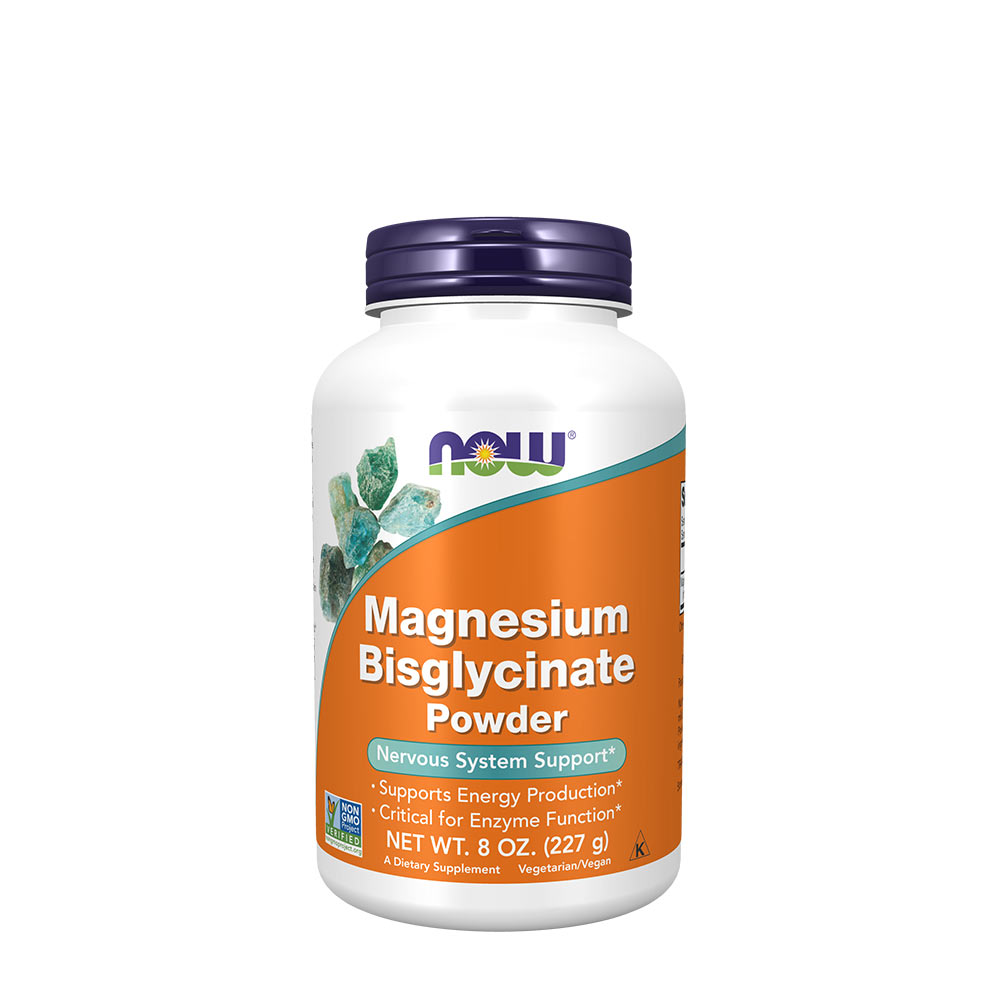
Products with citrat

How much magnesium do adults need?
EFSA and NIH ODS both express magnesium needs in mg per day, but they use different reference systems. EFSA gives adequate intakes for adults, while NIH ODS gives recommended dietary allowances by age and sex. Both are intake reference values for the diet overall, not instructions for a specific supplement serving. EFSA’s magnesium summary and the NIH ODS fact sheet set them out as population-level numbers.
Adult reference intakes side by side
| Authority | Group | Magnesium intake |
|---|---|---|
| EFSA AI | Adult men | 350 mg/day source |
| EFSA AI | Adult women | 300 mg/day source |
| EFSA AI | Pregnancy and lactation | 300 mg/day source |
| NIH ODS RDA | 14–18 years | 410 mg/day for males; 360 mg/day for females; 400 mg/day for pregnancy; 360 mg/day for lactation source |
| NIH ODS RDA | 19–30 years | 400 mg/day for males; 310 mg/day for females; 350 mg/day for pregnancy; 310 mg/day for lactation source |
| NIH ODS RDA | 31–50 years | 420 mg/day for males; 320 mg/day for females; 360 mg/day for pregnancy; 320 mg/day for lactation source |
The main difference is structure: EFSA keeps one adult figure for men and one for women, and leaves women at 300 mg/day in pregnancy and lactation. NIH ODS uses narrower adult age bands, so the value changes across life stages rather than staying fixed for all adults. That is why a capsule that looks high against one reference can look more moderate against another.
How to read a European label percentage
On a European label, the %NRV is the percentage version of the reference value printed beside the serving size. The mg per day figure is the number to compare with EFSA or NIH intake references, because it shows the actual amount of magnesium in the serving. When a label gives both, use the milligram amount first and the percentage as a quick cross-check.
Why the whole day matters
These reference values describe the total magnesium intake a person gets across the day. Food, drinks and any supplements all contribute, so the right comparison is not "one bottle versus one number" but "this serving versus the day’s total need." That is the simplest way to judge whether a product is a small top-up or a larger share of the day’s intake.
A magnesium serving only makes sense in context: compare the mg amount with the right age- and life-stage reference, then factor in the rest of the day’s diet.
Which foods provide meaningful magnesium amounts?
The NIH Office of Dietary Supplements food table is useful because it gives magnesium in the edible portion and the preparation and serving size stated; the figures are typical values, not guarantees for every variety or brand. That makes them practical for real meals, where portion size matters as much as the food itself. NIH ODS magnesium food table

Seed and nut portions give the biggest numbers
On the same snack-size measure, pumpkin seeds give almost twice as much magnesium as almonds. NIH ODS magnesium food table
| Food and preparation | Typical serving | Magnesium |
|---|---|---|
| Roasted pumpkin seeds | 1 ounce | 156 mg |
| Dry-roasted almonds | 1 ounce | 80 mg |
| Boiled spinach | 1/2 cup | 78 mg |
| Cooked black beans | 1/2 cup | 60 mg |
Greens and beans still add up
1/2 cup of boiled spinach provides 78 mg, and 1/2 cup of cooked black beans provides 60 mg. Those are smaller numbers than pumpkin seeds, but they are still meaningful amounts for a side dish or part of a meal. Because the table uses the prepared serving named, the day’s total changes when you repeat those portions more than once. NIH ODS magnesium food table
Why the serving matters more than the package
These food values are for what you actually eat, not for the raw ingredient on the shelf. That is why a small handful of seeds can contribute more magnesium than a larger-looking vegetable serving, and why a day built from several magnesium-containing foods adds up faster than a day built around one portion. NIH ODS magnesium food table
Food magnesium still counts toward meeting nutritional needs, so the most practical approach is to let meals carry most of the intake and use a supplement only when a diet leaves a clear gap. The food table above shows why: the numbers come from ordinary servings, not supplement doses. NIH ODS magnesium food table
What can magnesium realistically help with?
Those are normal-function claims, not disease-treatment claims, and the regulation does not authorise magnesium supplements to treat insomnia, cramps, depression, high blood pressure or impaired glucose control.
Where the research is strongest
| Outcome | What the supplied research shows |
|---|---|
| Blood pressure | A review of 38 trials and 2,709 participants found average reductions of 2.81 mmHg systolic and 2.05 mmHg diastolic versus placebo; the effects were larger in people with hypertension already taking blood-pressure medicine or with low magnesium, while normotensive groups did not reach statistical significance. PubMed review on magnesium and blood pressure |
| Muscle cramps | A Cochrane review found no clinically meaningful prevention of common skeletal-muscle cramps in older adults; pregnancy-associated rest cramps were conflicting, and there were no randomised trials of exercise-associated cramps in that review. PubMed review on magnesium for skeletal muscle cramps |
| Glucose control | In 24 trials involving 1,325 people with type 2 diabetes, pooled differences were −0.20 mmol/L fasting glucose and −0.22 percentage points HbA1c. A newer review of 15 trials in people with diabetes or prediabetes found no statistically significant overall improvement in fasting insulin or HOMA-IR. PubMed review on magnesium and glucose control |
What stays mixed or too small for many healthy adults
Sleep, mood and migraine sit outside the authorised claim list, so they should not be presented as established label outcomes. That is clearest in blood-pressure research, where effects were larger in people with hypertension or low magnesium, and in exercise research, where already-active people with relatively good magnesium status showed little benefit. PubMed review on magnesium and blood pressure PubMed review on magnesium and muscle fitness
Magnesium is best framed as a nutrient with a few authorised normal-function claims and some modest, population-dependent research signals — not as a stand-in for treatment of sleep, mood, cramps or blood-sugar problems.
How should you choose and use a Viridian product?
Compare the elemental magnesium, not the capsule count
The key number is the daily elemental magnesium on the label, not the weight of the magnesium compound and not the capsule count on its own. Viridian’s Magnesium Citrate declares 120 mg of magnesium per capsule, High Potency Magnesium Bisglycinate declares 200 mg per 2 capsules, and High Potency Magnesium declares 300 mg per capsule in a blend of oxide, citrate and bisglycinate. The bisglycinate page also shows that 1,668 mg of magnesium bisglycinate compound is not the same as 1,668 mg of magnesium; the serving supplies 200 mg elemental magnesium. High Potency Magnesium Bisglycinate

| Product | Declared elemental magnesium | Formula | Adult directions | How to read it |
|---|---|---|---|---|
| Magnesium Citrate | 120 mg per capsule | Citrate | 1-2 capsules daily with food | Single-form label |
| High Potency Magnesium Bisglycinate | 200 mg per 2 capsules | Bisglycinate | 1-2 capsules daily with food | Single-form bisglycinate label |
| High Potency Magnesium | 300 mg per capsule | Oxide, citrate and bisglycinate | 1-2 capsules daily with food | Blend; the label does not split the 300 mg across the three forms |
| Magnesium Citrate with Vitamin B6 | 100 mg magnesium + 25 mg vitamin B6 per capsule | Citrate plus B6 | 1-2 capsules daily with food | Specific-use formula with an added ingredient |
Choose form and extras for convenience, not as proof of superiority
A single-form capsule, a bisglycinate-only product, a blended formula and a formula with an added nutrient are all different label designs. That matters for convenience, household use and whether you want extra ingredients on the label; it does not by itself prove better absorption or better tolerance. Viridian’s blended product is described as a high-strength dose in a bioavailable form, but the evidence summary says the exact absorption of its three-form blend cannot be inferred from the ingredient names alone. High Potency Magnesium
Use food timing and split doses as routine tools
Viridian’s product pages direct these magnesium supplements to be taken with food, so meal-time dosing is the clearest label-based routine. If a product allows more than one capsule a day, splitting the amount between meals is a practical way to organise intake and may make a routine easier to stick to, but it is a convenience choice rather than evidence that timing changes outcomes. Magnesium Citrate High Potency Magnesium
Takeaway: pick the smallest, clearest label you will actually use, then count the total magnesium from all supplements and medicines before deciding how much to take.
That final check matters because upper limits apply to supplemental or medicinal magnesium, not food magnesium. On that basis, one 300 mg High Potency capsule is above the European figure, and two capsules would total 600 mg, above both adult figures. NORDIC NUTRITION RECOMMENDATIONS 2023 Magnesium - Health Professional Fact Sheet
The common mistakes are picking by marketing name alone, assuming more capsules means a better product, or forgetting that another magnesium supplement taken on the same day counts too. If a dose causes ongoing digestive upset, the sensible next step is to reassess the amount rather than keep forcing the same routine. Magnesium - Health Professional Fact Sheet
Who needs extra care with magnesium supplements?
Kidney disease is the main safety check
Healthy kidneys excrete excess magnesium; impaired kidney function reduces that protection, so magnesium can accumulate. The NIH Office of Dietary Supplements magnesium fact sheet says high supplemental or medicinal doses commonly cause diarrhoea, nausea and cramps, and that severe toxicity can involve low blood pressure, breathing difficulty, abnormal heart rhythm or cardiac arrest.
Medicines that need spacing
| Situation | Why it matters | Practical step |
|---|---|---|
| Oral bisphosphonates | Magnesium can impair absorption. | Separate by at least two hours. NIH ODS |
| Tetracycline or quinolone antibiotics | Magnesium can reduce absorption. | Take the antibiotic at least two hours before, or four to six hours after, magnesium. NIH ODS |
| More than one supplement or a magnesium-containing medicine | Total magnesium can add up across products. | Count the day’s total from all sources, not just one label. NIH ODS |
Other groups that need a slower start
Older adults need a closer look because NIH ODS says they tend to consume less magnesium, absorb less from the gut, and are more likely to have conditions or medicines that affect magnesium status. The same fact sheet flags chronic diarrhoea or malabsorption, including Crohn’s disease and coeliac disease, intestinal surgery, type 2 diabetes and alcohol dependence. Long-term proton-pump inhibitor use can also lower magnesium, and diuretics can shift magnesium status. NIH ODS magnesium fact sheet
If magnesium has already caused loose stools, cramping or nausea, that is a reason to reconsider the product or the dose rather than forcing the same routine. Those symptoms are common enough that they should be treated as a signal to slow down, especially if you are also dealing with kidney disease, bowel disease or multiple medicines. NIH ODS magnesium fact sheet
Get professional advice before starting, continuing or combining magnesium supplements if you have kidney disease, chronic diarrhoea or malabsorption, or if you take a diuretic, a long-term proton-pump inhibitor, a bisphosphonate or an antibiotic that needs spacing. NIH ODS magnesium fact sheet
Safety and precautions
Magnesium supplements can cause diarrhoea, nausea and cramps, and people with kidney disease need extra care because excess magnesium can build up. If you take an oral bisphosphonate or a tetracycline or quinolone antibiotic, the article says to separate doses as directed.
Ask a healthcare professional before starting magnesium if you are pregnant, breastfeeding or giving it to a child, and also if you take prescription medicines or have kidney problems.
Supplements with the ingredients in this article
Compare contents, dose and price
Frequently asked questions
How long should I trial magnesium before deciding whether it helps?
The article does not give a fixed trial length. It does say that if a magnesium dose causes ongoing digestive upset, you should reassess the amount or the product rather than keep forcing the same routine.
Can magnesium be taken every day for months if I tolerate it well?
The article gives daily directions for the listed products, but it does not set a month limit. If you tolerate magnesium well, the main ongoing check is your total intake from all supplements and medicines, plus whether you need medical advice because of kidney issues or interacting medicines.
Is a magnesium supplement still useful if my diet already includes nuts, beans and whole grains?
Foods such as nuts and beans can contribute meaningful magnesium, and the article says food magnesium still counts toward daily intake. A supplement can still be a useful top-up, but it should be judged against the day’s total intake rather than against food alone.
Do I need a blood test before starting magnesium?
The article does not say that a blood test is required before starting. Its practical advice is to read the label carefully and get professional guidance if you have kidney disease or take medicines that need spacing.
Sources
- High Potency Magnesium Bisglycinate (external link)
- Magnesium Citrate (external link)
- High Potency Magnesium (external link)
- Magnesium Citrate with Vitamin B6 (external link)
- Bioavailability of magnesium food supplements: A systematic review - PubMed (external link)
- Mg citrate found more bioavailable than other Mg preparations in a randomised, double-blind study. (external link)
- Comparison of magnesium status using X-ray dispersion analysis following magnesium oxide and magnesium citrate treatment of healthy subjects - PubMed (external link)
- Magnesium - Health Professional Fact Sheet (external link)
- Dietary Reference Values for nutrients Summary report (external link)
- Dietary reference values: magnesium and phosphorus | EFSA (external link)
- Regulation - 432/2012 - EN - EUR-Lex (external link)
- Magnesium for skeletal muscle cramps - PubMed (external link)
- Magnesium Supplementation and Blood Pressure: A Systematic Review and Meta-Analysis of Randomized Controlled Trials. (external link)
- The effect of magnesium supplementation on muscle fitness: a meta-analysis and systematic review - PubMed (external link)
- Effects of magnesium supplementation on improving hyperglycemia, hypercholesterolemia, and hypertension in type 2 diabetes: A pooled analysis of 24 randomized controlled trials - PubMed (external link)
- NORDIC NUTRITION RECOMMENDATIONS 2023 (external link)
- Effect of Magnesium Supplements on Improving Glucose Control, Blood Pressure and Lipid Profile in Patients With Type 2 Diabetes Mellitus: A systematic review and meta-analysis - PubMed (external link)
Read more
Products related to this article
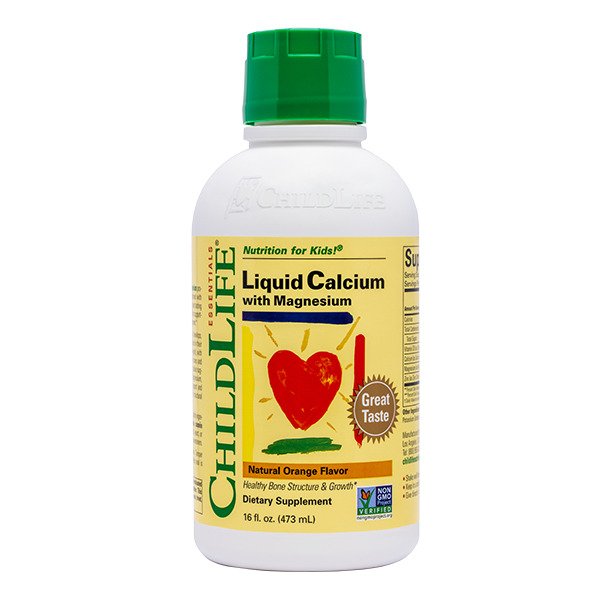
Child Life
Child Life - Liquid Calcium with Magnesium - 16 fl. oz.
243 krIn stockWhy is this shown? Innehåller alla ämnen artikeln handlar om · Renodlat tillskott — ämnet står i produktnamnet · I lager · Betyg 5.0 av 8 kunder
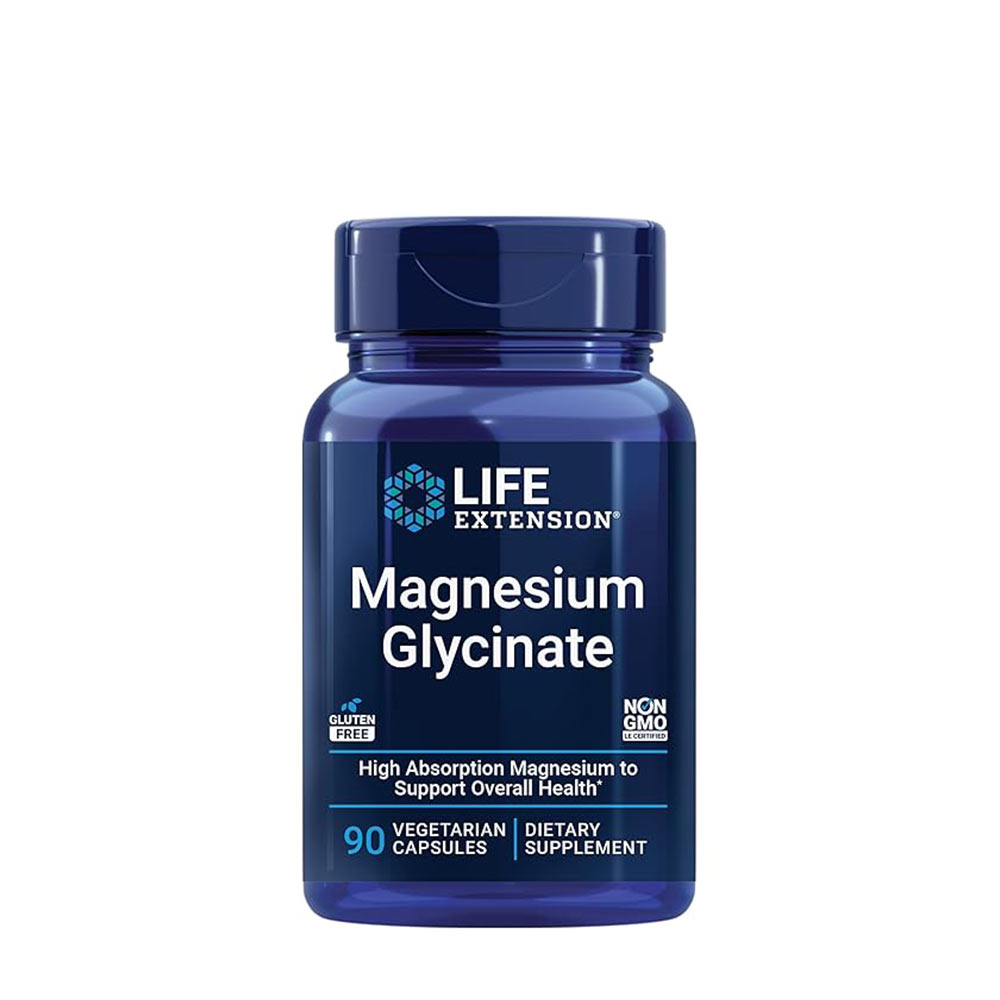
Life Extension
Life Extension - Magnesium Glycinate - 90 Vcaps
260 krIn stockWhy is this shown? Innehåller alla ämnen artikeln handlar om · Renodlat tillskott — ämnet står i produktnamnet · I lager · Betyg 5.0 av 8 kunder

Life Extension
Life Extension - Neuro-Mag Magnesium L-Threonate - 90 Vcaps
532 krIn stockWhy is this shown? Innehåller alla ämnen artikeln handlar om · Renodlat tillskott — ämnet står i produktnamnet · I lager · Betyg 5.0 av 8 kunder
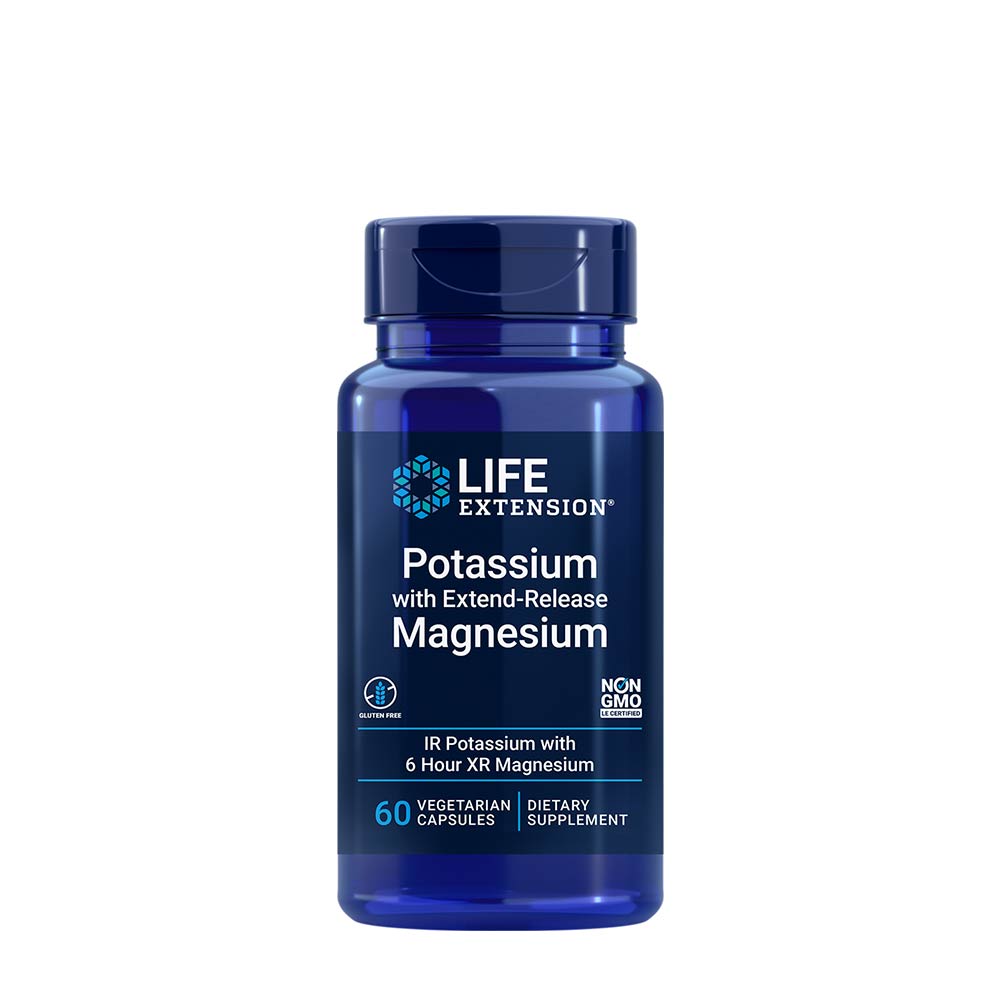
Life Extension
Life Extension - Potassium with Extend-Release Magnesium
169 krIn stockWhy is this shown? Innehåller alla ämnen artikeln handlar om · Renodlat tillskott — ämnet står i produktnamnet · I lager · Betyg 5.0 av 8 kunder