High protein foods: What are the best sources?
Short answer
High protein foods include both animal and plant-based sources such as lean meats, dairy, legumes, and certain grains. The best choice depends on dietary preferences, nutritional needs, and individual goals. Always consider variety and balance in your protein intake.
Quick facts
- Protein is found in both animal and plant foods.
- Lean meats, dairy, legumes, and some grains are common high protein foods.
- Tigoo offers 4 protein products in its range.
- Protein needs vary by age, activity, and individual factors.
How it works
Protein is a macronutrient made up of amino acids, which are the building blocks of the body's tissues. The body uses protein to build and maintain muscles, organs, skin, and other tissues. Unlike fats and carbohydrates, the body does not store protein in the same way, so regular intake from food is necessary.
Protein is a key part of a balanced diet, found in both animal and plant foods.
There are 20 different amino acids, nine of which are considered essential because the body cannot produce them and they must be obtained from food. Animal-based proteins generally contain all essential amino acids, while many plant-based proteins are lower in one or more essential amino acids.
The structure of proteins and their amino acid composition influence how the body digests and utilizes them. Proteins from animal sources, such as meat, eggs, and dairy, tend to have higher digestibility scores, meaning the body can use a greater proportion of the amino acids they contain. Plant proteins, while valuable, sometimes have lower digestibility due to the presence of fiber and other plant compounds that can interfere with absorption.
Protein is involved in numerous bodily processes beyond tissue maintenance. It is a component of enzymes, hormones, and antibodies, and plays a role in transporting molecules throughout the body. However, the body breaks down and rebuilds proteins constantly, so dietary intake must be regular to support these ongoing processes.
What the research and authorised claims say
No other health or nutrition claims are authorised for protein in the EU at this time.
Recommended daily protein intake varies depending on age, sex, and activity level. For most adults, a daily intake of 0. 83 grams of protein per kilogram of body weight is suggested. This means a 70 kg adult would need about 58 grams of protein per day. Children, adolescents, pregnant and breastfeeding women, and older adults may have different requirements based on growth, development, or physiological changes.
EFSA also notes that protein needs can increase with higher physical activity levels, such as in athletes or individuals with physically demanding jobs. However, the majority of people in Europe meet or exceed their daily protein requirements through a typical diet.
Authorised claims for protein are strictly regulated in the EU. Only statements regarding the maintenance of muscle mass and normal bones are permitted on food labels or supplements. No claims about protein supporting weight loss, improving athletic performance, or preventing disease are authorised.
Key limitations
While protein is essential, more is not always better. Consuming very high amounts of protein does not necessarily lead to additional benefits for most people. Excessive protein intake may place strain on the kidneys in individuals with pre-existing kidney conditions.
Not all protein sources are equal in terms of amino acid profile, digestibility, or additional nutrients. Some animal sources may be higher in saturated fat, while some plant sources may lack certain essential amino acids.
Choosing a variety of protein sources helps ensure a balanced intake of essential amino acids.
It is also important to consider the overall nutritional context of high protein foods. Some processed meats, for example, can be high in sodium and preservatives, while certain plant-based protein foods may be high in added sugars or fats, depending on preparation.
Another limitation is the potential for dietary imbalances if protein intake is prioritized at the expense of other nutrients. A diet overly focused on protein may lack sufficient fiber, vitamins, or minerals if not planned carefully.
For individuals following restrictive diets (such as vegan or very low-calorie diets), achieving adequate protein intake can require more careful planning and a broader knowledge of food composition.
How to choose
When selecting high protein foods, consider the following factors:
- Protein content per serving: Check labels or reference tables to compare protein amounts.
- Amino acid profile: Animal proteins are typically "complete"; some plant proteins may need to be combined (e. g. , beans and rice).
- Other nutrients: Look for options low in saturated fat, added sugar, and sodium.
- Dietary preferences: Choose vegetarian, vegan, or allergen-free sources as needed.
- Convenience and preparation: Consider how foods fit into your routine and cooking habits.
Of the 4 protein products in Tigoo's range, options include both animal-based and plant-based protein powders, allowing for flexibility based on dietary needs.
When choosing animal-based protein sources, lean cuts of meat and low-fat dairy are generally preferred for those seeking to limit saturated fat intake. Fish is another high-quality protein source, and oily fish also provides omega-3 fatty acids. For plant-based eaters, combining different protein sources throughout the day (such as grains and legumes) can help achieve a complete amino acid profile.
Preparation methods can also affect the nutritional value of protein foods. Grilling, baking, steaming, or boiling are generally healthier than frying or breading, which can add extra calories and fat. For convenience, ready-to-eat options like Greek yogurt, cottage cheese, or pre-cooked legumes can make it easier to meet protein needs without extensive meal preparation.
For those with allergies or intolerances (such as lactose intolerance or egg allergy), there are a variety of plant-based protein sources and specialized products available, including soy, pea, rice, and hemp protein powders.
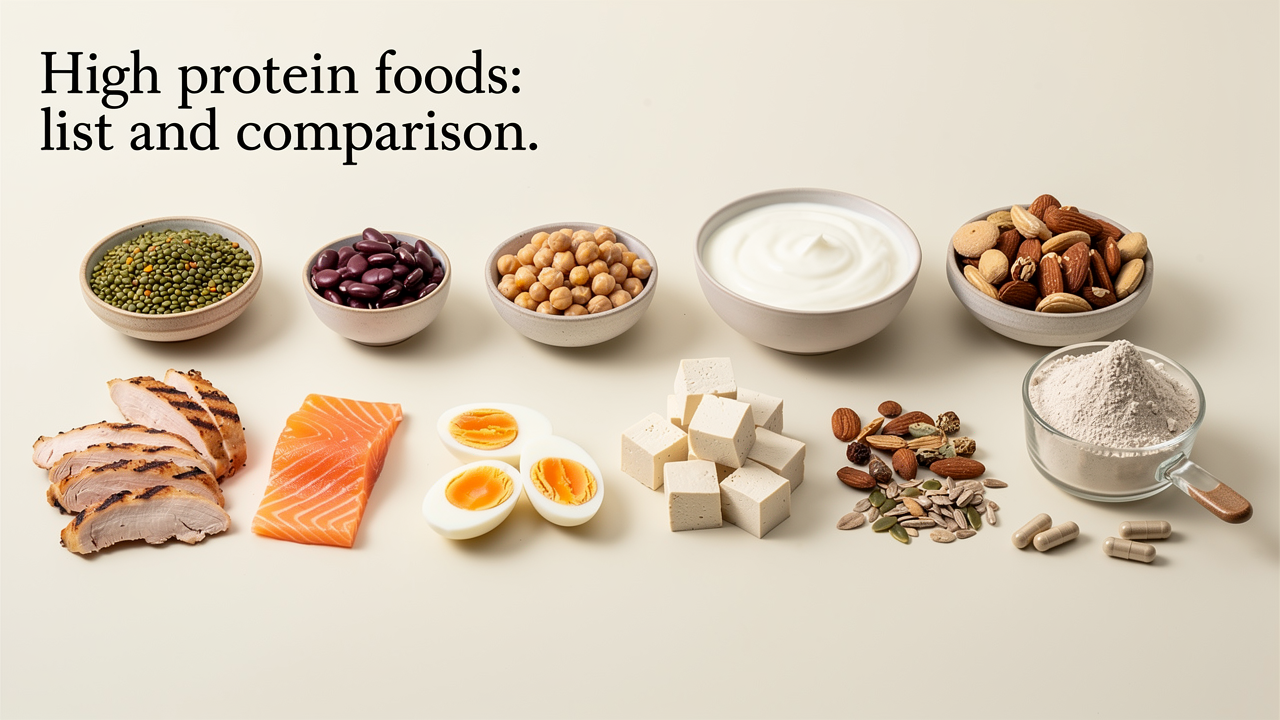
Comparison of common high protein foods
| Food | Protein per 100g | Calories per 100g | Animal/Plant | Complete Protein? |
|---|---|---|---|---|
| Chicken breast (cooked) | 31g | 165 kcal | Animal | Yes |
| Eggs | 13g | 143 kcal | Animal | Yes |
| Greek yogurt (plain, low-fat) | 10g | 59 kcal | Animal | Yes |
| Lentils (cooked) | 9g | 116 kcal | Plant | No |
| Chickpeas (cooked) | 8. 9g | 164 kcal | Plant | No |
| Tofu (firm) | 15g | 144 kcal | Plant | Yes |
| Quinoa (cooked) | 4. 1g | 120 kcal | Plant | Yes |
| Whey protein powder | ~80g | ~400 kcal | Animal | Yes |
| Pea protein powder | ~80g | ~380 kcal | Plant | Yes |
Values are approximate and may vary by brand and preparation method.
Other notable high protein foods include lean beef (26g protein/100g), pork tenderloin (22g/100g), tuna (canned in water, 23g/100g), tempeh (19g/100g), and seitan (wheat gluten, 25g/100g). Nuts and seeds, such as almonds (21g/100g) and pumpkin seeds (30g/100g), are also protein-rich, though they are higher in fat and calories.
High protein, low calorie options
- Lean poultry (e. g. , chicken or turkey breast)
- White fish (e. g. , cod, haddock)
- Egg whites
- Low-fat cottage cheese
- Tofu
- Legumes (e. g. , lentils, black beans)
- Plain Greek yogurt (low-fat)
These foods provide substantial protein with relatively low calorie content, making them suitable for those seeking to manage calorie intake while meeting protein needs. For example, egg whites contain about 11g protein and only 52 kcal per 100g, while cod provides about 18g protein and 82 kcal per 100g. Low-fat cottage cheese and plain Greek yogurt are also popular for their high protein-to-calorie ratio.
Incorporating these foods into meals can support a balanced diet without excessive energy intake. For instance, adding grilled chicken or tofu to salads, or using Greek yogurt as a base for dips and dressings, can boost protein content without significantly increasing calories.
Vegetarian and plant-based protein sources
Vegetarian diets can provide adequate protein through careful selection of foods. Some of the highest protein vegetarian foods include:
- Eggs
- Dairy products (milk, cheese, yogurt)
- Legumes (lentils, chickpeas, beans)
- Tofu and tempeh
- Quinoa
- Seitan (wheat protein)
- Nuts and seeds
- Pea protein and other plant-based protein powders
Combining different plant proteins (such as grains and legumes) can help ensure intake of all essential amino acids. For example, rice and beans together provide a more complete amino acid profile than either food alone.
Some plant-based foods, like soy (tofu, tempeh, edamame) and quinoa, are considered complete proteins because they contain all essential amino acids in adequate amounts. Seitan, made from wheat gluten, is high in protein but low in lysine, so it is best consumed alongside other protein sources.
Nuts and seeds, such as peanuts, almonds, chia seeds, and hemp seeds, are also valuable protein sources, though they are energy-dense due to their fat content. Plant-based protein powders (pea, rice, hemp, soy) can supplement protein intake for vegetarians and vegans, especially when whole food intake is limited.
Vegetarian protein sources also contribute other nutrients, such as fiber, vitamins, and minerals, which are important for overall health. However, some plant proteins may be less digestible due to fiber and antinutrients, so soaking, sprouting, or cooking legumes and grains can improve protein availability.
Protein supplements
Protein powders and supplements can be a convenient way to increase protein intake, especially for those with higher needs or limited access to whole food sources. Of the 4 protein products in Tigoo's range, options include both whey and plant-based protein powders.
Supplements should not replace a varied and balanced diet. Always follow package instructions and consult a healthcare professional if you have questions about your protein needs.
Common types of protein supplements include:
- Whey protein: Derived from milk, contains all essential amino acids, and is rapidly absorbed.
- Casein protein: Also from milk, digested more slowly, often used for sustained protein release.
- Soy protein: Plant-based, complete protein, suitable for vegans.
- Pea protein: Plant-based, high in certain amino acids, often combined with rice protein to improve amino acid profile.
- Rice, hemp, and other plant proteins: May be lower in some essential amino acids, but can be combined for a balanced profile.
Protein supplements are available in various forms, including powders, ready-to-drink shakes, and bars. When choosing a supplement, consider the protein content per serving, ingredient list, presence of added sugars or artificial additives, and whether the product fits your dietary restrictions (e. g. , lactose-free, vegan).
It is important to note that protein supplements are not necessary for most people who consume a balanced diet with sufficient protein from whole foods. They may be useful for individuals with increased needs, such as athletes, older adults with reduced appetite, or those recovering from illness or surgery, but should be used as part of an overall balanced diet.
Environmental and ethical considerations
In addition to nutritional factors, environmental and ethical considerations may influence the choice of protein sources. Animal-based protein foods, particularly red meat and dairy, generally have a higher environmental footprint in terms of greenhouse gas emissions, land use, and water consumption compared to plant-based proteins.
Plant-based protein sources such as legumes, grains, tofu, and nuts typically require less land and water and produce fewer emissions per gram of protein. For those concerned about sustainability, incorporating more plant-based proteins and reducing reliance on animal products can be a practical approach.
Ethical considerations, such as animal welfare and fair labor practices, may also play a role in food choices. Some consumers prefer to choose certified or locally sourced products, or to support brands with transparent supply chains.
Practical tips for increasing protein intake
There are several strategies to help increase protein intake throughout the day:
- Include a source of protein at every meal, such as eggs at breakfast, legumes or lean meat at lunch, and tofu or fish at dinner.
- Use protein-rich snacks, like Greek yogurt, cottage cheese, roasted chickpeas, or a handful of nuts.
- Incorporate legumes into soups, stews, salads, and casseroles for added protein and fiber.
- Replace some refined grains with higher-protein options like quinoa, buckwheat, or whole wheat pasta.
- Try plant-based protein powders in smoothies or baked goods to boost protein content.
- Experiment with new recipes that feature protein-rich ingredients, such as stir-fries with tofu, tempeh, or shrimp.
Meal planning and preparation can make it easier to ensure adequate protein intake. Preparing protein-rich foods in advance, such as grilling chicken breasts or cooking a batch of lentils, can provide convenient options for quick meals and snacks.
Safety, interactions and risk groups
Most people can safely consume protein from a variety of foods as part of a balanced diet. However, individuals with kidney disease or impaired kidney function should consult a healthcare professional before increasing protein intake. Pregnant or breastfeeding women, children, and those taking medication should also seek medical advice before making significant dietary changes or using protein supplements. Excessive protein intake from supplements or single food sources is not recommended.
Some protein supplements may interact with medications or medical conditions. For example, certain protein powders may contain added vitamins, minerals, or herbal extracts that could interact with prescription drugs. Always read product labels carefully and consult a healthcare provider if you are unsure about potential interactions.
People with allergies or intolerances (such as dairy, soy, or gluten) should choose protein sources and supplements that are free from these allergens. Many products are now available in allergen-free formulations, but cross-contamination can occur, so checking labels is important.
For children and adolescents, protein needs are based on age, growth rate, and activity level. It is important to provide a variety of protein sources to support healthy development. Older adults may require slightly more protein to help maintain muscle mass, especially if appetite or food intake is reduced.
Safety and precautions
Most people can safely consume protein from a variety of foods. However, those with kidney disease, pregnant or breastfeeding women, children, and individuals taking medication should consult a healthcare professional before making significant changes to protein intake or using protein supplements. Do not exceed recommended dosages. Supplements should not replace a varied and balanced diet. Always read product labels and follow usage instructions.
Supplements with the ingredients in this article
Compare contents, dose and price
Frequently asked questions
protein foods
Protein foods include both animal sources (such as meat, fish, eggs, and dairy) and plant sources (such as legumes, tofu, nuts, seeds, and whole grains).
protein rich foods
Protein rich foods are those with a high protein content per serving, such as chicken breast, eggs, Greek yogurt, lentils, tofu, and certain fish.
high protein low calorie foods
Examples include lean poultry, white fish, egg whites, low-fat cottage cheese, tofu, and legumes. These provide protein with relatively few calories.
protein foods list
A list of protein foods includes: chicken, turkey, fish, eggs, milk, yogurt, cheese, lentils, beans, tofu, tempeh, quinoa, nuts, and seeds.
what foods have protein
Foods containing protein include meats, fish, eggs, dairy, legumes, nuts, seeds, and some grains like quinoa and buckwheat.
highest protein foods vegetarian
High protein vegetarian foods include eggs, dairy products, tofu, tempeh, seitan, legumes, and certain whole grains like quinoa.
high-protein low calorie snacks
Snacks such as low-fat Greek yogurt, cottage cheese, hard-boiled eggs, roasted chickpeas, and tofu cubes are high in protein and relatively low in calories.
high protein vegetarian meals
Examples include lentil stew, tofu stir-fry, chickpea salad, and quinoa with vegetables. Combining different plant proteins can help ensure a complete amino acid profile.
top 10 protein foods
Top protein foods (by protein content per 100g) include chicken breast, turkey, tuna, eggs, Greek yogurt, lentils, tofu, cottage cheese, tempeh, and seitan.
Sources
- EFSA: protein health claims, protein content in foods
- National food agencies: food composition tables
- Tigoo's product database: number and type of protein products
Read more
Products related to this article
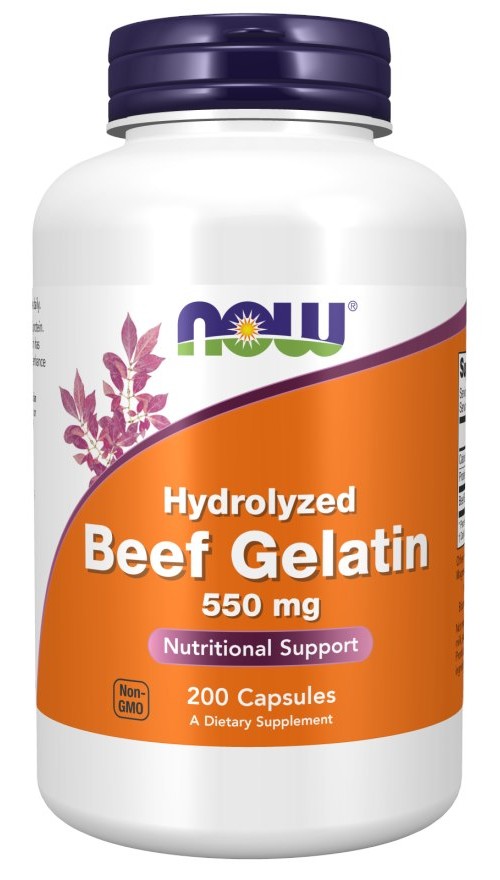
NOW Foods
NOW Foods - Hydrolyzed Beef Gelatin - 200 Caps
209 krIn stockWhy is this shown? Innehåller alla ämnen artikeln handlar om · I lager · Betyg 5.0 av 9 kunder
Stacker2
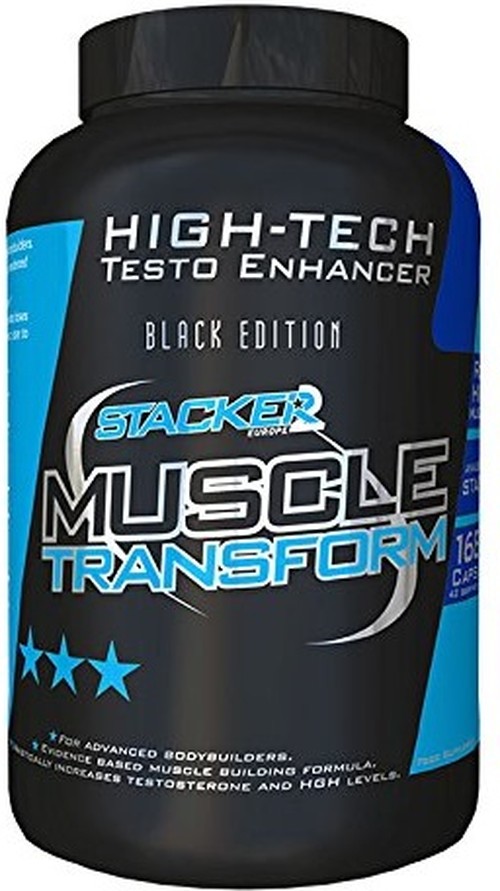
Stacker2 Europe - Muscle Transform - 168 Caps
259 krIn stockWhy is this shown? Innehåller alla ämnen artikeln handlar om · I lager