Collagen: What Is It and How Is It Used?
Short answer
Collagen is a family of fibrous proteins found in connective tissues. EU material cited here also distinguishes collagen itself from hydrolysed proteins derived from bovine hides, which are mixtures of polypeptides, peptides and amino acids obtained from collagen. No authorised EU health claims were provided for collagen in the material used for this guide.
Quick facts
- Collagen is a family of fibrous proteins found in connective tissues such as hides, bones, tendons, cartilage, cornea, blood vessels and teeth.
- The structural unit of collagen is tropocollagen, formed by three intertwined helices of about 1,000 amino acids each.
- A cited EU scientific opinion describes hydrolysed proteins from bovine hides as mixtures of polypeptides, peptides and amino acids obtained from the hydrolysis of collagen.
- EU Novel Food rules apply to foods not consumed to a significant degree in the EU before 15 May 1997.
- The European Commission describes the Novel Food status Catalogue as a non-binding, non-exhaustive orientation tool.
- No authorised EU health claims were provided for collagen in the material used for this guide.
What is it?
Collagen is described by the European Commission's Scientific Steering Committee as a family of fibrous proteins with high tensile strength, found in connective tissues such as hides, bones, tendons, cartilage, cornea, blood vessels and teeth. The same opinion says the structural unit of collagen is tropocollagen, formed from three intertwined helices, with each helix containing about 1,000 amino acids. It also gives a characteristic amino-acid pattern, including glycine at about 35%, alanine at about 11%, proline at about 12%, hydroxyproline at about 9%, and a few percent hydroxylysine. (EU-kommissionen)
That definition matters because the word collagen is often used very broadly in shopping and media, while technical and regulatory documents can be more specific. In the same Commission opinion, a separate definition is given for hydrolysed proteins derived from bovine hides: mixtures of polypeptides, peptides and amino acids obtained from the hydrolysis of collagen. The production process described there includes degreasing, acid treatment, alkaline treatment, concentration, sterilisation and filtration. (EU-kommissionen)
Collagen is the protein family; hydrolysed protein is a processed ingredient made from it.
For a shopper, the practical point is simple: two products can both mention collagen while referring to different things on the label. One may use a general ingredient name, while another may describe a processed form more precisely. When labels are vague, it becomes harder to compare products clearly.
The Commission material cited here is strongest on basic definition, process description and regulatory context. It does not serve as a full consumer guide to every collagen product on the market, and it does not provide broad product-by-product comparisons. It mainly helps answer three useful questions: what collagen is, how a processed bovine-hide ingredient can be described in EU material, and what kind of regulatory framework can apply to ingredients of this type. (EU-kommissionen) (EU-kommissionen) (EU-kommissionen)
The same scientific opinion also shows why ingredient identity matters. It links safety to the raw material, the ability of the production process to reduce or eliminate possible infectivity, and the intended end use. In other words, the ingredient name on a label is not just a marketing detail: it is part of understanding what material is being used and how it has been processed. (EU-kommissionen)
If you are trying to understand collagen as a shopper, it helps to separate three layers:
- The biological term: collagen as a family of structural proteins in connective tissues.
- The processing term: hydrolysed proteins obtained from collagen in a specific manufacturing context.
- The retail question: how clearly a product label tells you what ingredient is actually inside.
That last point is especially important because the EU material cited here does not support broad promises about results. Clear naming, clear sourcing and clear instructions become more important when authorised claim language is absent.
Authorised health claims

No authorised health claims were provided for collagen in the material used for this guide. The cited EU Register material indicates that claims for collagen hydrolysate have been assessed without resulting in authorised claim wording that could be used here. (EU-kommissionen)
Because no authorised collagen health claims were provided, this article does not describe collagen supplements in terms of beauty, joint, skin, hair, nail, bone or other outcome claims. For shoppers, that means the safest way to read a collagen label is to focus first on the ingredient identity, serving information and general transparency rather than on bold promise-style wording.
When authorised claim wording is absent, the label should still be clear about what the ingredient is and how to use it.
This is also why two products can sound similar on the front of the pack while giving very different levels of useful detail on the back. A product may still be easier to assess if it clearly states the ingredient name, source, daily portion and warnings, even when it does not make effect-based promises.
Key limitations
The biggest limitation of the cited material is scope. The core scientific opinion is about hydrolysed proteins produced from bovine hides and discusses them mainly through a safety and processing lens. It is not a general consumer handbook for all collagen ingredients or all products that use collagen-related wording. (EU-kommissionen)
A second limitation is that the EU Novel Food framework is ingredient-specific and use-specific. The European Commission explains that a novel food is a food that had not been consumed to a significant degree by humans in the EU before 15 May 1997. Novel foods require pre-market authorisation, and the underlying principles are that they must be safe, properly labelled and not nutritionally disadvantageous if intended to replace another food. (EU-kommissionen)
At the same time, the Commission says the Novel Food status Catalogue is a non-binding and non-exhaustive orientation tool based on information from Member States. It also states that food business operators must be able to prove a history of consumption before 15 May 1997 when relying on non-novel status, and that businesses unsure about status should contact the competent national authorities. (EU-kommissionen) (EU-kommissionen)
A third limitation is that the material cited here is not product-specific. It does not tell you that one retail collagen product is better than another, and it does not give a general human dosage recommendation for collagen supplements. That means careful shopping has to rely on straightforward checks such as the exact ingredient name, the declared amount per serving, the full ingredient list and the quality of the label information.
In practice, this limitation is useful to remember. If a brand says a lot on the front of the pack but gives very little exact ingredient information, the label is harder to evaluate. If the pack clearly names the ingredient and gives complete use instructions, it is easier to compare responsibly.
Forms and alternatives
The terms around collagen are easy to mix up. The table below stays close to the cited EU material and separates scientific definitions from broader regulatory categories that a shopper may come across while reading labels and product information.
| Term | What the cited material says | Why it matters for shopping |
|---|---|---|
| Collagen | A family of fibrous proteins with high tensile strength, found in connective tissues such as hides, bones, tendons, cartilage, cornea, blood vessels and teeth. (EU-kommissionen) | This is the broad protein family term, not automatically a full description of a finished ingredient. |
| Tropocollagen | The structural unit of collagen, formed from three intertwined helices of about 1,000 amino acids each. (EU-kommissionen) | Useful for understanding what collagen is at a structural level. |
| Hydrolysed proteins from bovine hides | Mixtures of polypeptides, peptides and amino acids obtained from the hydrolysis of collagen; the process described includes degreasing, acid treatment, alkaline treatment, concentration, sterilisation and filtration. (EU-kommissionen) | This is a more specific processed-ingredient description than the single word collagen. |
| Novel food | A food not consumed to a significant degree in the EU before 15 May 1997. Novel foods need pre-market authorisation. (EU-kommissionen) | This is a regulatory category, not a synonym for collagen. |
| Novel Food status Catalogue | A non-binding, non-exhaustive orientation tool that should be read together with the Union list of novel foods. (EU-kommissionen) | Helpful for context, but not the final word on every ingredient situation. |
| Union list of novel foods | The EU list of authorised novel foods, including conditions of use, labelling requirements and specifications. (EU-kommissionen) | Useful when a shopper wants to understand whether a specific ingredient has been authorised as a novel food. |
This comparison shows why label precision matters. Similar-sounding words can point to different things: a protein family, a structural unit, a processed ingredient or a regulatory category. The more specific the wording, the easier it is to understand what you are buying.
If you are choosing between products, it is sensible to prefer one that names its ingredient clearly over one that relies mostly on large front-of-pack wording. Specific naming does not prove quality by itself, but it makes comparison more straightforward.
How to choose

When comparing collagen products, start with the full ingredient name rather than the front label alone. If the back of the pack gives a more exact description, you are in a better position to judge what is actually being sold.
- Read the ingredient name in full. A more precise name is easier to compare than a broad headline word.
- Check the declared amount per serving. This is a practical comparison point, even though it does not prove that a product is more suitable for everyone.
- Read the full ingredient list. This helps you spot added ingredients, flavourings, sweeteners or source materials you may prefer to avoid.
- Look for clear use instructions. Daily portion information matters more than the largest number printed on the front.
- Check who is responsible for the product. Complete business and contact information is part of a transparent label.
- Notice how specific the sourcing information is. Where animal-derived materials are involved, source transparency can matter for personal preferences as well as for confidence in the label.
The Commission explains that the Novel Food status Catalogue is only an orientation tool and that businesses uncertain about novel-food status should consult the relevant national authorities. For a shopper, that does not create a checklist you must do yourself, but it does mean careful brands should be able to describe their ingredients clearly and present them responsibly. (EU-kommissionen) (EU-kommissionen)
A useful rule of thumb is this: if two products look similar, choose the one that makes comparison easier. Clear serving information, a readable ingredient list and precise naming are practical advantages even when no outcome claims are being made.
Dosage and use
The material cited here does not provide a general human dosage recommendation for collagen supplements. It also does not provide authorised collagen health claims that would support choosing one intake level over another. For that reason, the most careful approach is to follow the product label exactly and not exceed the stated daily amount.
For comparison purposes, focus on the serving size and the declared amount per serving rather than on headline wording. If you use more than one supplement, read the labels together so that your total daily intake from all products is easy to track.
- Check the serving size first.
- Use the product only as directed on the label.
- Do not assume a larger declared amount is automatically a better choice.
- Review the full ingredient list before first use.
- If the ingredient name is unclear, consider a clearer label.
That approach keeps dosage in the right place: as a labelling and comparison issue, not as a promise of results.
Safety, interactions and risk groups
The Commission opinion cited here shows that, for bovine-hide hydrolysed proteins, safety assessment focuses on three things: the status of the raw material, the ability of the production process to reduce or eliminate possible infectivity, and the intended end use. The opinion also describes manufacturing controls such as careful preparation of hides, alkaline treatment, heat treatment and process control points. (EU-kommissionen)
For everyday supplement use, the safest shopping guidance is more basic. Use a product only as directed on its label. Avoid it if you know you are allergic or sensitive to any ingredient or to the source material used. Read the ingredient list and warnings before first use, especially if source material matters to you for dietary, ethical or personal reasons.
If you take medication, are pregnant or breastfeeding, are buying for a child, or have any medical concern about whether a supplement is appropriate for you, speak with a healthcare professional before use. If any unwanted reaction occurs, stop use and seek medical advice.
It is also sensible to store the product as directed by the manufacturer, keep supplements out of the reach of children, and avoid treating a higher declared amount as automatically more suitable. Clear labelling, cautious use and complete ingredient information are the best starting points for safer product selection.
Safety and precautions
Use collagen products only as directed on the label. Avoid any product if you are allergic or sensitive to its ingredients or source material. If you take medication, are pregnant or breastfeeding, are buying for a child, or have any medical concern about supplement use, consult a healthcare professional before use. Stop use and seek medical advice if an unwanted reaction occurs.
Frequently asked questions
What is collagen?
Collagen is a family of fibrous proteins found in connective tissues such as hides, bones, tendons, cartilage, cornea, blood vessels and teeth.
What is tropocollagen?
Tropocollagen is the structural unit of collagen. In the cited EU scientific opinion, it is described as three intertwined helices of about 1,000 amino acids each.
What are hydrolysed proteins from collagen in the cited EU material?
The cited Commission opinion describes hydrolysed proteins from bovine hides as mixtures of polypeptides, peptides and amino acids obtained from the hydrolysis of collagen.
Are there any authorised EU health claims for collagen?
No authorised EU health claims were provided for collagen in the material used for this guide.
Is collagen a novel food in the EU?
Novel-food status depends on the specific ingredient and its history of use. The European Commission says novel food means a food not consumed to a significant degree in the EU before 15 May 1997, and the Novel Food status Catalogue is a non-binding, non-exhaustive orientation tool.
What should I compare when buying a collagen product?
Compare the exact ingredient name, the declared amount per serving, the full ingredient list, the use instructions, any stated source material, and how complete and clear the label information is.
Sources
- Updated Report and Scientific Opinion on the safety of hydrolysed proteins (external link)
- Novel Food - Food Safety - European Commission (external link)
- Novel Food status Catalogue - Food Safety - European Commission (external link)
- Union list of novel foods - Food Safety - European Commission (external link)
- Consultation process on novel food status - Food Safety (external link)
- EU Register on nutrition and health claims (external link)
Read more
Products related to this article
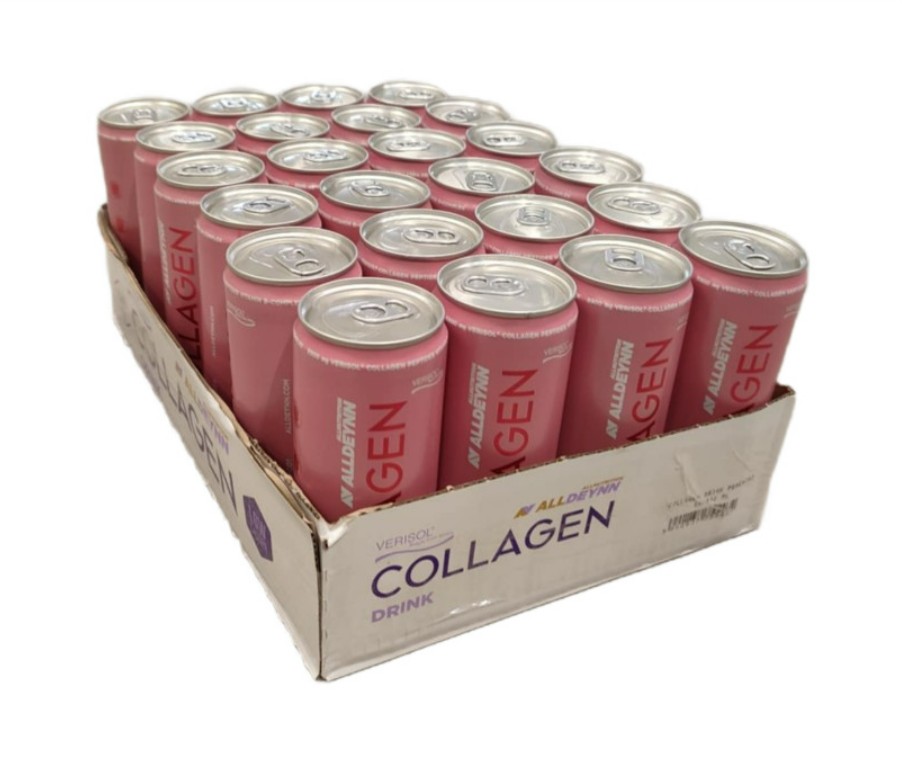
Alldeynn
AllDeynn - Collagen Drink - 330ml (24 cans)
393 krIn stockWhy is this shown?
Historiskt katalogurval. Innehåll, mängd och form behöver kontrolleras mot aktuellt underlag.
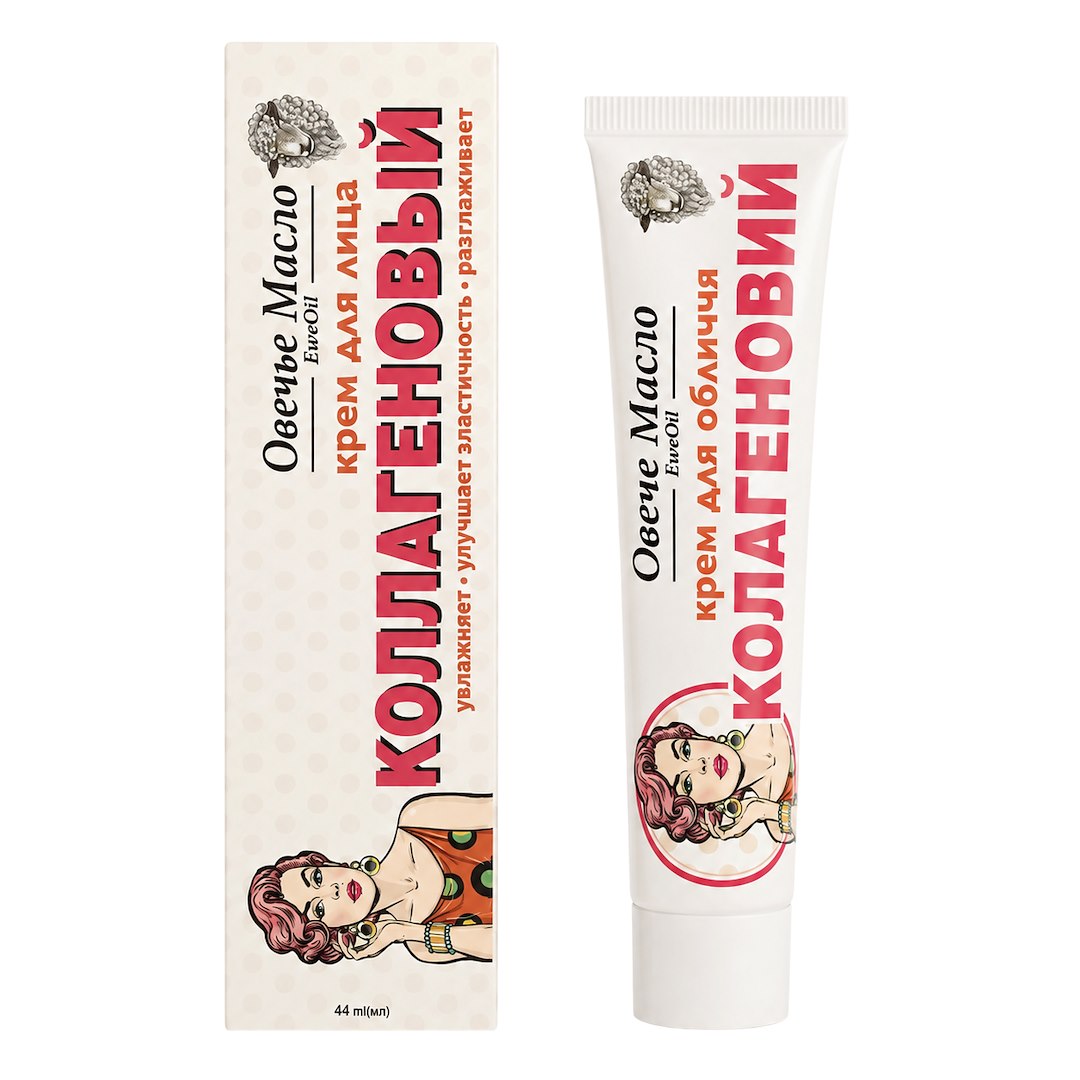
Aram Natura
Aram Natura - Collagen and Lanolin Cream - 44 ml
87 krIn stockWhy is this shown?
Historiskt katalogurval. Innehåll, mängd och form behöver kontrolleras mot aktuellt underlag.
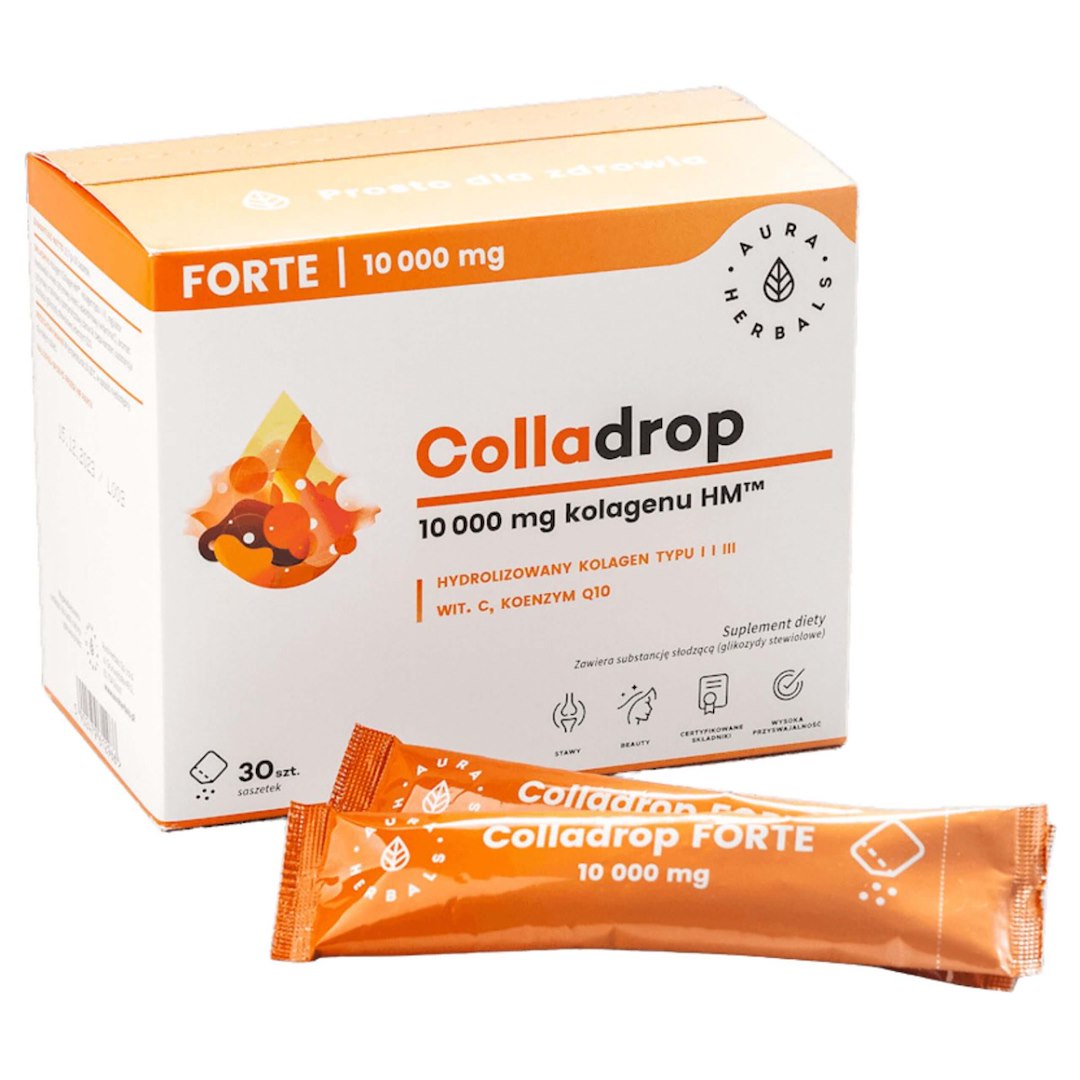
Aura Herbals
Aura Herbals - Colladrop® Collagen - 30 Sachets
464 krIn stockWhy is this shown?
Historiskt katalogurval. Innehåll, mängd och form behöver kontrolleras mot aktuellt underlag.
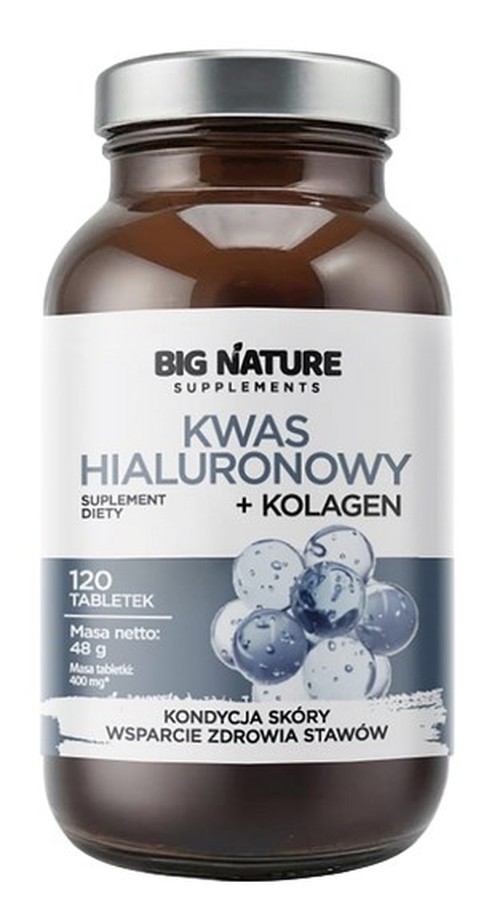
Big Nature
Big Nature - Hyaluronic Acid + Collagen - 120 Tabs
136 krIn stockWhy is this shown?
Historiskt katalogurval. Innehåll, mängd och form behöver kontrolleras mot aktuellt underlag.
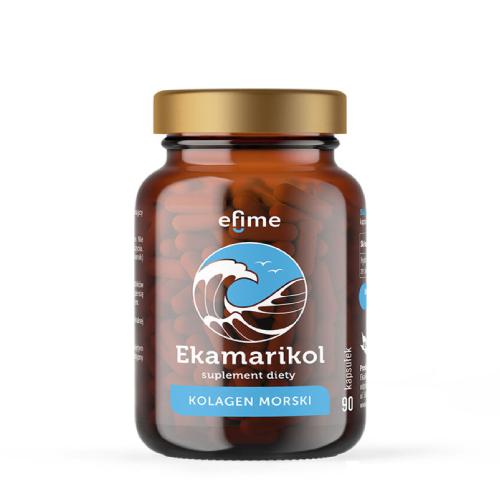
Efime
Efime - Marine Collagen - 90 Caps
179 krIn stockWhy is this shown?
Historiskt katalogurval. Innehåll, mängd och form behöver kontrolleras mot aktuellt underlag.


