Protein Balls Recipe: How to Make, Ingredients, and Tips
Short answer
Protein balls are simple, no-bake snacks made by combining protein powder with ingredients like oats, nut butter, and dates. They offer a convenient way to include protein in your diet, and can be tailored to different tastes and dietary needs. Always check ingredient suitability and consult a healthcare professional if you have specific health concerns.
Quick facts
- Protein balls are typically made with protein powder, oats, nut butter, and a sweetener like dates or honey.
- They are a convenient snack option and can be adapted for vegan, gluten-free, or nut-free diets.
- Of the 4 protein products in Tigoo's range, all are suitable for use in protein ball recipes.
- No health or nutrition claims are authorised for protein supplements in the EU.
How it works
Protein balls are a popular homemade snack designed to provide a portable source of protein and energy. The basic process involves mixing a protein powder with a binding agent (such as nut butter), a sweetener (like dates or honey), and a dry ingredient (such as oats or seeds). The mixture is rolled into small balls and chilled until firm. No baking is required, making them a quick and easy option for meal prep or on-the-go snacking.
Protein balls are a customisable, no-bake snack that can fit a wide range of dietary preferences.
The appeal of protein balls lies in their flexibility. You can adjust the recipe to suit your taste, dietary restrictions, or nutritional goals. For example, you can choose between different types of protein powders (whey, casein, soy, pea, rice), select nut or seed butters based on allergy needs, and use various sweeteners or add-ins. This makes protein balls suitable for vegan, gluten-free, nut-free, or dairy-free diets, depending on the chosen ingredients.
Preparation is straightforward and does not require advanced kitchen skills or equipment. Most recipes can be made in under 20 minutes, and the balls can be stored in the fridge or freezer, making them a convenient snack for busy lifestyles.
What the research and authorised claims say
Protein is an essential macronutrient found in many foods, including dairy, meat, fish, legumes, and nuts. It is made up of amino acids, which are the building blocks of the body. While protein is necessary for normal bodily functions, there are currently no authorised health or nutrition claims for protein supplements in the EU. This means that no specific benefits can be stated for protein balls or protein powders beyond their role as a source of protein.
Protein balls made with protein powder can be a way to include this macronutrient in your diet, especially for those with higher protein needs due to activity levels or dietary preferences. However, protein requirements vary between individuals, and most people can meet their needs through a balanced diet.
It is important to note that protein supplements, including those used in protein balls, are not intended to replace whole foods. The European Food Safety Authority (EFSA) and national food agencies recommend obtaining most nutrients from a varied and balanced diet.
Key limitations
- Protein balls may be high in calories, sugar, or fat depending on the recipe, so portion control is important.
- Some recipes may not be suitable for people with allergies (e. g. , nuts, dairy, gluten).
- Homemade protein balls are not a substitute for a varied and balanced diet.
Another limitation is that the nutritional content of homemade protein balls can vary widely depending on the ingredients and proportions used. For example, using a high-fat nut butter or adding chocolate chips can increase the calorie content significantly.
Some protein powders contain added sweeteners, flavours, or other additives, which may not be suitable for everyone. Always check the ingredient list if you have sensitivities or dietary preferences.
Storage and food safety are also considerations. Because protein balls are often made with perishable ingredients and are not cooked, they should be stored in the refrigerator and consumed within a week, or frozen for longer shelf life.
How to choose
When selecting ingredients for protein balls, consider your dietary needs, taste preferences, and any allergies. Here are some factors to compare:
| Ingredient | Common Forms | Dietary Notes | Protein Content (per 30g) |
|---|---|---|---|
| Protein Powder | Whey, casein, soy, pea, rice | Vegan options: soy, pea, rice | 20-25g |
| Nut Butter | Peanut, almond, cashew, sunflower seed | Nut-free: sunflower seed butter | 6-8g |
| Oats | Rolled, quick, gluten-free | Gluten-free available | 3-4g |
| Sweetener | Dates, honey, maple syrup | Vegan: dates, maple syrup | 0-1g |
Of the 4 protein products in Tigoo's range, all are suitable for use in protein ball recipes. Choose a protein powder that matches your dietary requirements (e. g. , vegan, lactose-free) and taste preferences.
When choosing oats, opt for gluten-free if you have a gluten intolerance or celiac disease. For nut butters, sunflower seed butter or tahini are good alternatives for those with nut allergies. Sweeteners can be adjusted based on dietary needs; for example, dates and maple syrup are vegan-friendly, while honey is not.
Consider the texture and flavour of each ingredient. Some protein powders have a strong taste or gritty texture, which can affect the final product. Testing small batches with different brands or types of protein powder can help you find the best fit for your recipe.
Basic Protein Balls Recipe
- 1 cup rolled oats
- 1/2 cup protein powder (whey, soy, or plant-based)
- 1/2 cup nut butter (peanut, almond, or sunflower seed)
- 1/3 cup dates (pitted and chopped) or honey
- 2-3 tablespoons milk or milk alternative (as needed)
- Optional: cocoa powder, seeds, coconut flakes
- Combine oats, protein powder, and any dry add-ins in a bowl.
- Add nut butter and dates or honey. Mix well.
- Add milk a tablespoon at a time until the mixture holds together.
- Roll into balls (about 1 tablespoon each). Place on a tray.
- Chill in the fridge for at least 30 minutes before serving.
Adjust the recipe to suit your taste and dietary needs by swapping nut butters or sweeteners.
For best results, use a food processor to blend dates or other tough ingredients before mixing. This ensures a smooth, even texture and helps the balls hold together. If the mixture is too sticky, add more oats or protein powder; if too dry, add more nut butter or milk.
Common Variations
- Peanut Butter Protein Balls: Use peanut butter as the main binding ingredient. For extra flavour, add a pinch of salt or a handful of chocolate chips.
- Protein Balls with Dates: Blend dates into a paste for natural sweetness and binding. This variation is popular for vegan and refined sugar-free diets.
- Nut-Free Protein Balls: Substitute nut butter with sunflower seed butter or tahini for those with nut allergies.
- Vegan Protein Balls: Use plant-based protein powder and a vegan sweetener like maple syrup or agave.
- Chocolate Protein Balls: Add unsweetened cocoa powder or use chocolate-flavoured protein powder for a chocolatey taste.
- Seed-Based Protein Balls: Incorporate chia seeds, flaxseed, or hemp seeds for added texture and variety.
- Fruit and Nut Protein Balls: Mix in dried cranberries, raisins, or chopped nuts for extra flavour and crunch.
- Coconut Protein Balls: Roll finished balls in desiccated coconut or add coconut flakes to the mixture.
Each variation can be tailored to suit different dietary needs and flavour profiles. Experimenting with different combinations can help you discover new favourites and keep your snacks interesting.
Tips for Making Protein Balls
- Use a food processor to blend dates or tough ingredients for a smoother texture.
- If the mixture is too dry, add more nut butter or a splash of milk. If too wet, add more oats or protein powder.
- Store protein balls in an airtight container in the fridge for up to one week, or freeze for longer storage.
- Experiment with add-ins like chia seeds, flaxseed, cocoa powder, or dried fruit for variety.
- For uniform size, use a small cookie scoop or tablespoon to portion the mixture before rolling.
- To prevent sticking, lightly wet your hands before rolling the mixture into balls.
- Label containers with the date made if storing in the freezer to track freshness.
- If making large batches, separate layers with parchment paper to prevent sticking.
- Allow frozen protein balls to thaw for a few minutes before eating for best texture.
Making protein balls can be a fun activity for families or meal prep enthusiasts. The no-bake process is safe for children to help with, provided allergens are managed.
Comparing Protein Sources for Protein Balls
| Protein Source | Vegan? | Common Allergens | Texture/Flavour |
|---|---|---|---|
| Whey Protein | No | Dairy | Creamy, mild |
| Soy Protein | Yes | Soy | Neutral, slightly beany |
| Pea Protein | Yes | None (legume) | Earthy, mild |
| Rice Protein | Yes | None | Neutral, slightly grainy |
| Casein Protein | No | Dairy | Thick, creamy |
| Hemp Protein | Yes | None | Nutty, earthy |
Each protein source has unique properties. Whey and casein are derived from milk and are not suitable for vegans or those with dairy allergies. Soy, pea, rice, and hemp proteins are plant-based and suitable for vegan diets, though soy is a common allergen. Pea and rice proteins are often combined to create a more balanced amino acid profile.
Texture and flavour can influence your choice. Some plant-based proteins have a stronger taste or grittier texture, which may be masked by flavourful add-ins like cocoa powder or spices.
What to compare when buying protein powder for protein balls
- Protein content: Check the grams of protein per serving. Most powders offer 20-25g per 30g scoop.
- Dietary suitability: Look for vegan, lactose-free, or allergen-free options as needed.
- Flavour: Unflavoured or vanilla protein powders are versatile for recipes, but chocolate or other flavours can add variety.
- Ingredient list: Choose products with minimal additives or sweeteners if you prefer a cleaner label.
- Texture: Some protein powders blend more smoothly than others; this can affect the final texture of your protein balls.
- Solubility: Powders that dissolve well in liquids are less likely to create a gritty or chalky texture in the finished product.
- Origin and processing: Some consumers prefer organic or non-GMO protein powders. Check labels for certifications if this is important to you.
It can be helpful to read reviews or request samples before purchasing a large quantity of protein powder, as taste and texture preferences are highly individual.
Storage, shelf life, and food safety
Proper storage is essential to maintain the quality and safety of homemade protein balls. Because they are made with perishable ingredients and are not cooked, protein balls should be stored in an airtight container in the refrigerator. They typically keep for up to one week when refrigerated. For longer storage, protein balls can be frozen for up to three months.
If freezing, place the balls in a single layer on a baking sheet to freeze individually before transferring to a container or freezer bag. Thaw frozen protein balls in the refrigerator or at room temperature for a few minutes before eating.
Always check for signs of spoilage before consuming, such as off smells, visible mold, or changes in texture. Discard any protein balls that show these signs.
When preparing protein balls, use clean utensils and wash your hands thoroughly to reduce the risk of contamination.
Safety, interactions and risk groups
Protein balls are generally safe for most people when made with common food ingredients. However, individuals with allergies (such as to nuts, dairy, or gluten) should carefully check all ingredients. If you are taking medication, pregnant, breastfeeding, or preparing food for children, consult a healthcare professional before introducing new supplements or significant dietary changes. Excessive protein intake is not recommended for everyone, and supplements should not replace a balanced diet.
Some protein powders may contain ingredients that interact with certain medications or medical conditions. Always read labels and consult a healthcare provider if you have concerns.
Children, pregnant or breastfeeding individuals, and people with kidney or liver conditions may have different protein requirements or restrictions. Homemade protein balls may not be suitable for all groups, especially if they contain added supplements or allergens.
Protein balls should be consumed as part of a varied and balanced diet, not as a replacement for meals or whole foods.
Environmental and ethical considerations
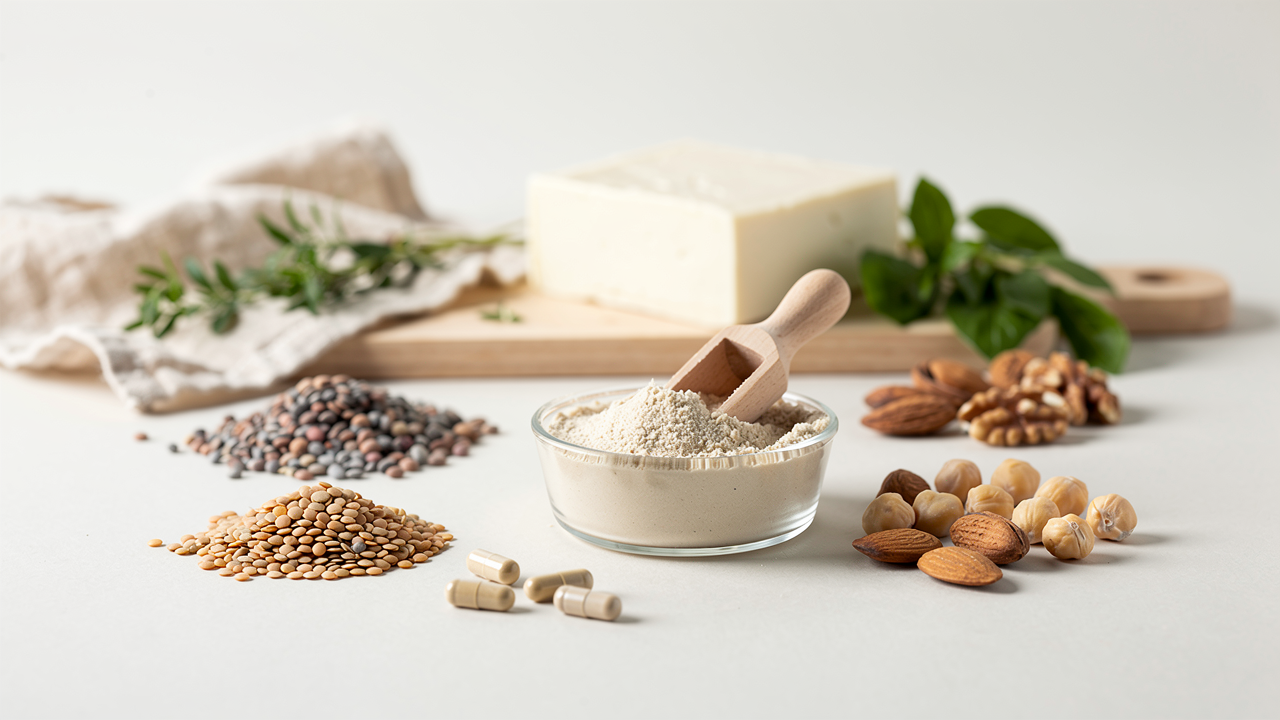
When making protein balls, you may wish to consider the environmental impact of your ingredient choices. Plant-based protein powders (such as pea, rice, or hemp) generally have a lower environmental footprint compared to animal-based proteins like whey or casein.
Choosing organic, fair-trade, or locally sourced ingredients can also reduce environmental impact and support ethical production practices. Packaging waste can be minimised by buying ingredients in bulk or using reusable containers for storage.
Some consumers prefer to avoid palm oil or other ingredients associated with environmental concerns. Reading ingredient lists and researching brands can help align your choices with your values.
Summary
Protein balls are a versatile, no-bake snack that can be tailored to a wide range of dietary needs and preferences. They are easy to prepare, store well, and can be adapted with different protein powders, nut or seed butters, sweeteners, and add-ins. While they offer a convenient way to include protein in your diet, they should not replace a varied and balanced diet. Always check ingredient suitability, especially for allergies or dietary restrictions, and consult a healthcare professional if you have specific health concerns.
Safety and precautions
Protein balls are typically safe for most adults when made with standard food ingredients. However, always check for potential allergens such as nuts, dairy, or gluten. If you are pregnant, breastfeeding, have a medical condition, take medication, or are preparing food for children, consult a healthcare professional before introducing new supplements or significant dietary changes. Protein supplements should not replace a varied and balanced diet.
Supplements with the ingredients in this article
Compare contents, dose and price
Frequently asked questions
protein balls
Protein balls are small, no-bake snacks made by mixing protein powder with ingredients like oats, nut butter, and a sweetener. They are popular for their convenience and adaptability to different dietary needs.
peanut butter protein balls
Peanut butter protein balls use peanut butter as the main binding ingredient, combined with protein powder and other mix-ins like oats or dates. They offer a nutty flavour and can be adjusted for sweetness or texture.
protein balls dates
Protein balls with dates use blended dates as a natural sweetener and binder. This variation is popular for those seeking a vegan or refined sugar-free snack option.
Sources
- EFSA: Confirm general statements about protein as a nutrient.
- Tigoo product data: Verify the number and types of protein powder products.
- KÄLLA SAKNAS: Identify where no authoritative source is available.
Read more
Products related to this article
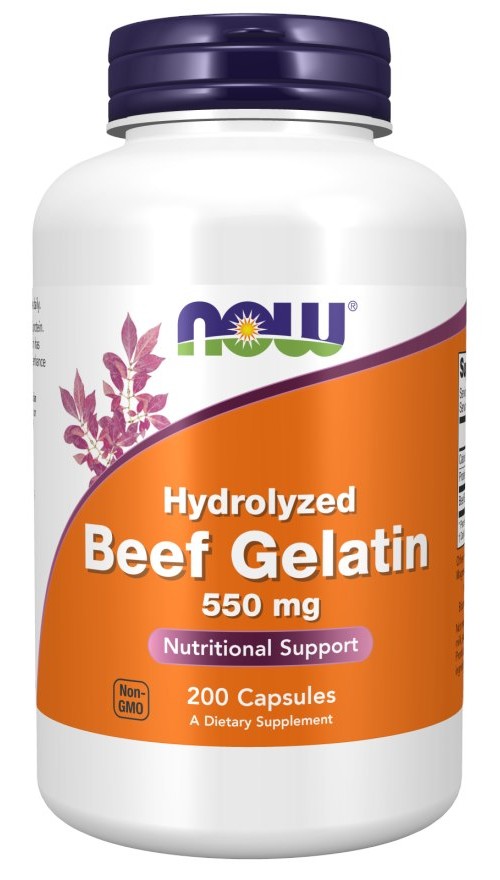
NOW Foods
NOW Foods - Hydrolyzed Beef Gelatin - 200 Caps
209 krIn stockWhy is this shown? Innehåller alla ämnen artikeln handlar om · I lager · Betyg 5.0 av 9 kunder
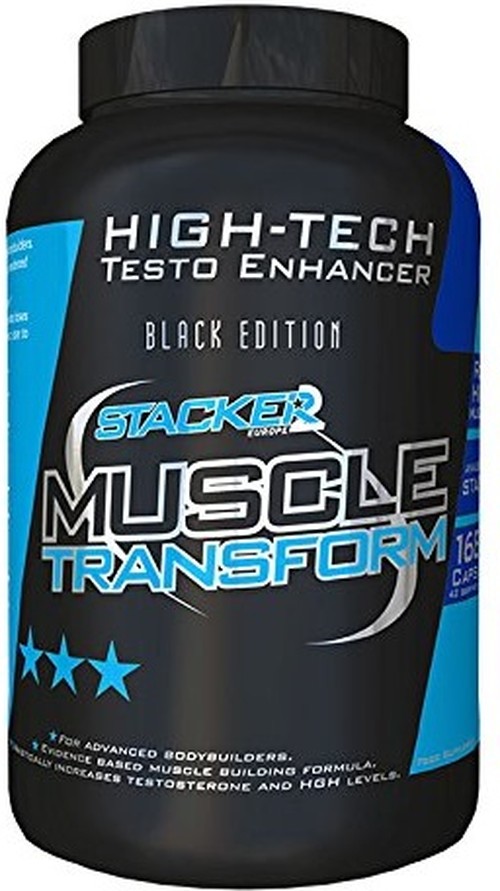
Stacker2
Stacker2 Europe - Muscle Transform - 168 Caps
259 krIn stockWhy is this shown? Innehåller alla ämnen artikeln handlar om · I lager