Vegan High Protein Diet: What to Know, How to Choose
Short answer
A vegan high-protein diet starts with the adult protein baseline of 0.83 g per kg of body weight per day, then uses varied plant foods or powders to help meet it. The best choice is the one you can use consistently, while checking serving size, calories, protein grams, and the full ingredient list.
Quick facts
- EFSA sets the adult protein baseline at 0.83 g per kg of body weight per day.
- NIH consumer guidance lists 0.8 g/kg/day for adults.
- For a 70 kg adult, the EFSA baseline is about 58 g protein per day.
- EFSA did not set a separate higher protein value for older adults.
- For athletes or people restricting calories, NIH gives a working range of about 0.5 to 0.9 g per pound per day.
- Protein powders are a convenience format, not a free extra.

How much protein does a vegan diet need?
For healthy adults, the baseline in the supplied official guidance is 0.83 g of protein per kg of body weight per day from EFSA, which the agency says also applies to older adults. The NIH Office of Dietary Supplements gives the adult RDA as 0.8 g/kg/day. In practical terms, that means a 70 kg adult is around 58 g per day at the EFSA level. EFSA also notes that average adult protein intake in Europe is often at or above the PRI.
The adult baseline is a maintenance target
EFSA set the adult protein PRI from nitrogen-balance studies, where the goal in healthy adults is zero nitrogen balance, meaning maintenance of body protein. In the same opinion, EFSA says the available data were not sufficient to derive protein PRIs from outcomes such as body weight, muscle mass, bone health or kidney function, and it found no separate higher protein reference value for older adults. The NIH ODS reference pages likewise present protein as a general adequacy target, not a weight-loss-specific target.
| Group | Reference value | What it means |
|---|---|---|
| Healthy adults | 0.83 g/kg/day EFSA; 0.8 g/kg/day NIH ODS | Baseline adequacy level |
| Older adults | Same as adults | No separate higher adult value in these sources |
| Athletes or people restricting calories | About 0.5 to 0.9 g per pound of body weight per day | Higher working range in NIH consumer guidance |
What changes on a vegan plate
EFSA says the PRIs apply to mixed dietary protein from both animal and plant sources, and it notes that plant proteins usually have lower indispensable amino-acid content and/or lower digestibility than animal proteins. That is why a vegan diet can meet the same gram target but still need more attention to source mix.
The official sources here discuss indispensable amino acids and digestibility rather than setting a vegan-only cutoff, a leucine-specific target, or a soy-specific benchmark. What they do support is a simple rule: if your protein comes entirely from plants, total grams matter, but the mix of foods matters too.
Takeaway: A vegan diet does not have a separate official protein number; the evidence-supported starting point is the adult baseline, then attention to protein quality and source variety.
When “high protein” becomes a practical label
The clearest higher-intake range in the supplied sources is NIH consumer guidance for athletes or people limiting calories, at 0.5 to 0.9 g per pound of body weight per day—roughly 1.1 to 2.0 g/kg/day. That is a working range, not a separate official requirement.
Can a high-protein diet help you lose weight?
What the EFSA review found
EFSA reviewed controlled human studies comparing higher- and lower-protein diets under ad libitum and energy-restricted conditions, and its conclusion was restrained: when calorie intake is controlled, macronutrient proportions — including protein — are not directly related to weight loss. The Panel also examined body weight, bone health, muscle mass and kidney function, but said the available data were insufficient to derive protein reference values from those outcomes. EFSA draft opinion on protein DRVs EFSA protein PRI announcement
That means a higher-protein diet can be part of a weight-loss plan, but the evidence here does not support calling protein a stand-alone weight-loss driver. The calorie deficit still does the work; protein is part of the diet pattern, not a shortcut around energy balance. EFSA draft opinion on protein DRVs
What protein can and cannot do during dieting
For healthy adults, EFSA’s population reference intake for protein is 0.83 g per kg of body weight per day, and the Panel describes the adult requirement as the amount needed to achieve zero nitrogen balance, meaning maintenance. For a 70 kg adult, that is about 58 g per day. EFSA did not establish a separate higher intake for people losing weight. EFSA protein PRI announcement EFSA DRVs summary report
Protein can fit into a calorie-restricted diet, but EFSA did not find enough evidence to treat higher protein itself as a weight-loss method.
| Question | What the EFSA evidence supports | What not to promise |
|---|---|---|
| Higher vs lower protein | No direct relation to weight loss when calories are controlled | A fat-burning effect |
| Body weight and obesity | Reviewed, but not enough to set a higher protein PRI | A separate weight-loss target |
| Muscle mass during dieting | Reviewed, but evidence was insufficient for a protein-based recommendation | Guaranteed lean-mass preservation |
The practical takeaway
If you raise protein while dieting, the useful question is whether it helps you stay within your calorie target and still reach the adult protein intake EFSA considers adequate. If calories do not come down, the evidence here does not show that extra protein by itself produces weight loss. If calories do come down, protein may fit the plan, but the EFSA review does not justify promising more than that. EFSA draft opinion on protein DRVs
Which vegan foods give the most protein per calorie?
When shoppers compare soy foods such as tofu, tempeh, edamame and soy yogurt, lupins, seitan, legumes, and higher-protein grains, the useful question is which food group gives the most protein in the portion you will actually serve. EFSA groups leguminous vegetables, bread and grain-based products, and nuts among the plant foods high in protein, and its protein opinion explains that protein quality is judged by digestibility and indispensable amino-acid composition. EFSA draft protein opinion
| Food group | What the evidence supports | Portion-planning angle |
|---|---|---|
| Soy and lupin foods | EFSA’s novel-food guidance names soy, pea, lupin and bean proteins as plant protein sources. EFSA novel-food guidance | Use the label serving as the comparison point, not the raw ingredient weight. |
| Higher-protein grains | EFSA includes bread and grain-based products among plant foods high in protein. USDA’s protein list is organized by household measure, and one listed example is whole-wheat pasta, dry, at 12.62 g protein per 1 cup spaghetti. USDA Protein nutrient list | Household measures help you judge the portion you will actually eat. |
Why fibre changes the picture
EFSA says whole grain cereals, pulses, fruit, vegetables and potatoes are the main sources of dietary fibre.
Why cooking method matters
The USDA protein list is built around household measures, not just 100 g weights, so a cup, slice or serving spoon is the relevant unit for real-life planning. For mixed dishes, that means you should compare the served portion, not the dry ingredient in isolation. USDA nutrient lists page
Practical rule: choose the vegan food that gives a meaningful protein contribution in the portion you will actually eat, and give extra weight to foods that also bring fibre.
Do protein powders and shakes help with weight loss?
EFSA’s weight-control guidance is about energy replacement, not about a protein drink acting as a special weight-loss tool. In its opinion on total diet replacements for weight control, EFSA says these products should provide a minimum daily energy intake of 600 kcal a day. That matters because a shake only fits a weight-loss routine when it takes the place of calories you were already planning to eat.
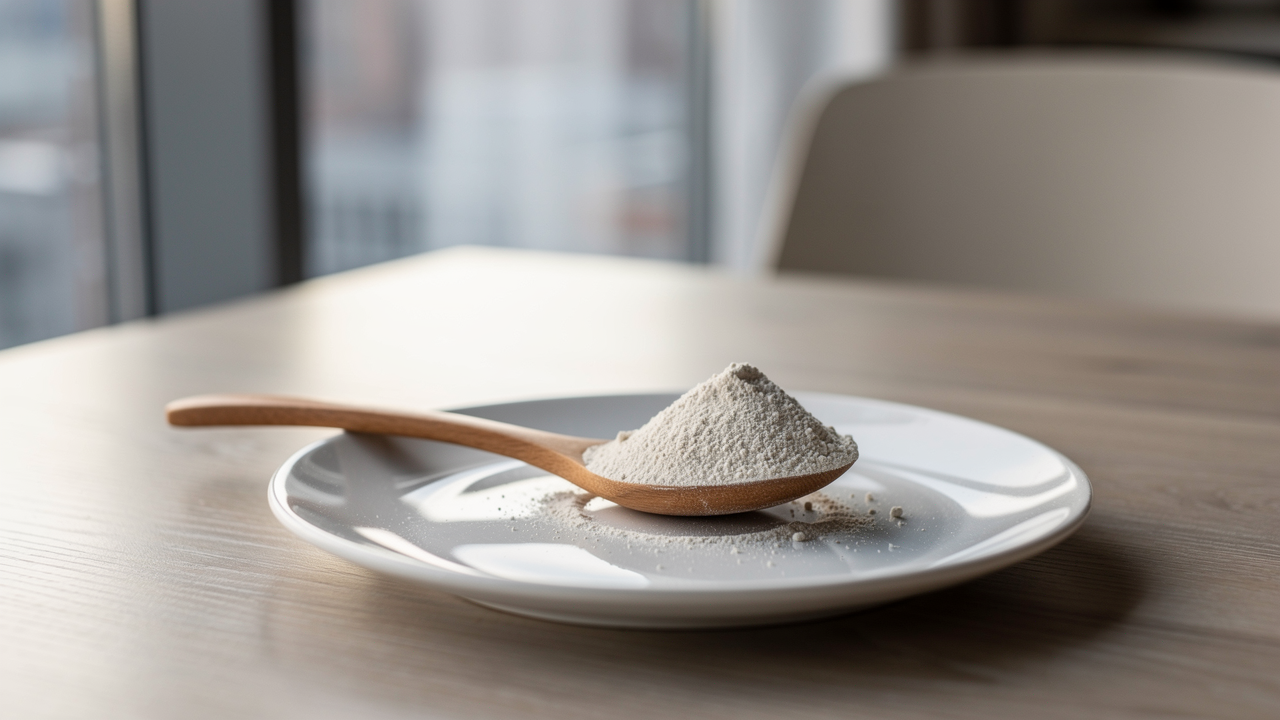
For a snack, breakfast, or after training, the practical question is simple: does the drink help you keep the day’s food budget organised, or does it sit on top of it? EFSA’s materials here do not establish a direct appetite or adherence effect for protein powders or ready-to-drink shakes as such, so it is safer to treat them as a convenience format, not as proof of better results.
| Form | When it makes sense | What to check on the label |
|---|---|---|
| Protein powder | When you want to measure the serving yourself and keep the drink simple | Serving size, calories per serving, protein grams actually delivered, added sugar, fat, fibre |
| Ready-to-drink shake | When convenience matters more than custom mixing | Bottle size, serving size, calories, protein grams per bottle, added sugar, fat, fibre |
| Meal replacement shake | When the product is intended to stand in for a meal inside a structured low-calorie plan | Whether it is framed as a replacement and whether the daily energy plan fits EFSA’s 600 kcal minimum for total diet replacements |
What the label has to tell you
The numbers that matter most are the ones that affect the day’s total energy: calories, protein, and serving size. A product can look impressive on the front of the pack while the real serving is larger or smaller than you expected. That is why the scoop, bottle, or portion size matters as much as the protein figure itself.
If you are comparing options, compare the portion you will actually consume, not the headline protein number.
How to use one without adding extra calories
If you want the lowest-energy version, use the powder in a drink whose calories you have already counted, rather than adding it on top of another meal. Keep the mix-ins simple and count anything extra you pour in. A shake that replaces a snack or breakfast can be straightforward; a shake that becomes a snack plus a second snack is not.
A protein drink is useful for weight control only when it replaces something else; it is not a free extra.
What not to assume
Do not assume that a higher protein number automatically means better appetite control. In the EFSA sources available here, there is no direct basis for saying that powders or ready-to-drink shakes reduce hunger or produce weight loss on their own. The safer use case is practical: a pre-portioned drink can help you keep intake organised, but the energy still counts.
How do you choose a vegan protein powder?
EFSA sets the protein Population Reference Intake for healthy adults, including older adults, at 0.83 g per kg of body weight per day, so the real question is which powder helps you reach your total without making the label harder to read or the product harder to use EFSA protein PRI for adults.
What the evidence says about the main forms
EFSA’s protein work says plant proteins usually have lower indispensable amino acid content and/or lower digestibility than animal proteins, and that protein quality depends on digestibility plus indispensable amino acid composition EFSA draft protein opinion.
| Form | What the supplied evidence supports | What to check on the label |
|---|---|---|
| Soy concentrate | No separate amino acid score is given in the supplied EFSA excerpts. | Protein grams per serving and the full ingredient list. |
| Pea | Named as a plant protein source, but not separately ranked in the supplied material. | Taste, texture, and whether it mixes smoothly. |
| Hydrolysates | No separate EFSA comparison is provided in the supplied excerpts. | Mixability, taste, and whether the processing changes how you personally tolerate it. |
What matters more than the name on the tub
The label often matters more than the format name: protein percentage, grams of protein per serving, sugar, salt, sweeteners and allergens are the first checks. Mixability, texture and taste matter too, because they affect whether the powder is convenient to drink regularly. Format can change palatability and convenience, but the supplied EFSA evidence does not show that one vegan powder format guarantees better weight-loss or muscle-gain results.
Choose the powder you can actually finish regularly; a tidy amino-acid label is only useful if the product also suits your taste and routine.
A practical buying rule
If you want the strongest direct EFSA support among the listed vegan options, soy isolate is the clearest case in the supplied material. For pea, rice and hydrolysates, the safest approach is to compare the Nutrition Declaration and ingredient list, then pick the version you will actually mix, drink and reorder.
What do official claims and research actually support?
Nutrition claims are threshold claims, not weight-loss promises
In the EU, “source of protein” is allowed only when protein provides at least 12% of the product’s energy, and “high protein” is allowed only when protein provides at least 20% of the energy Regulation (EC) No 1924/2006. These are nutrition claims: they describe composition, not a special fat-loss effect, appetite effect, or superiority over another food.
| Claim type | EU condition | What it does not mean |
|---|---|---|
| Source of protein | At least 12% of energy from protein | Not a claim of weight loss or muscle gain |
| High protein | At least 20% of energy from protein | Not a claim that the product works better than other foods |
| Health claim | Must be authorised in the Union list and scientifically substantiated | Not free-form marketing wording |
Health claims have to match the authorised list
EU law requires health claims to be authorised and clear to the average consumer, and it specifically separates nutrition claims from health claims Regulation (EC) No 1924/2006. That matters for protein because brands cannot turn a composition claim into a lifestyle promise. Claims about slimming, weight control, hunger, or satiety are only allowed if they are in the authorised list, and claims that refer to the rate or amount of weight loss are prohibited Regulation (EC) No 1924/2006; Regulation (EU) No 432/2012.
For protein-related claims about muscle mass or normal bones, the practical rule is the same: use only an authorised Union claim, and use it exactly as authorised Regulation (EU) No 432/2012. A brand can say it meets a protein threshold; it cannot invent a new health promise around that threshold.
What the research supports for vegan users
EFSA set the adult protein Population Reference Intake at 0.83 g per kg body weight per day for adults, including older adults, and noted that the available data were insufficient to derive protein PRIs from outcomes such as body weight, muscle mass, bone health, or kidney function EFSA protein PRI opinion. EFSA also concluded that the evidence did not support setting a higher protein PRI based on extra health outcomes beyond adequacy EFSA draft opinion on protein; EFSA nutrient-profiling opinion.
Takeaway: for vegan shoppers, the strongest official support is for getting enough protein consistently; the weakest support is for claiming that a protein product itself produces weight loss or other extra outcomes.
That is the plain-language line between plausible and proven: a vegan protein powder can help a diet meet a protein threshold, but official EU claims do not turn it into a weight-loss product.
What are the main limitations and common mistakes?
Missing the daily protein total
EFSA sets the protein population reference intake for adults, including older adults, at 0.83 g per kg body weight per day, with an average requirement of 0.66 g/kg/day. That makes protein a daily target, not a per-shake target. For a 70-kg adult, the PRI is about 58 g/day, so one scoop can look impressive while the full day still falls short.
EFSA notes that the PRIs apply to mixed dietary protein from both animal and plant sources, and that plant proteins usually have lower indispensable amino acid content and/or digestibility than animal proteins (EFSA DRVs summary report).
Using shakes as extras instead of replacements
EFSA says energy balance is the ultimate goal when planning diets, and it identifies whole grain cereals, pulses, fruit, vegetables and potatoes as the main sources of dietary fibre.
That is a useful reminder that an ordinary protein shake is not automatically a complete daily diet.
Confusing protein percentage with overall diet quality
EFSA’s nutrient-profiling work distinguishes a food’s nutritional composition from its role in the overall diet, and notes that overall dietary balance may be achieved by different combinations of foods. So a high protein percentage on the front of a tub does not tell you whether the rest of the diet is balanced.
| Common mistake | What the evidence supports | Practical check |
|---|---|---|
| One shake as the whole plan | Protein targets are daily values: 0.83 g/kg/day PRI for adults (EFSA) | Count the whole day, not one serving |
| Chasing protein % only | Diet quality depends on the full nutritional profile, not one number (EFSA nutrient profiling) | Check the whole label and the whole day |
Relying on one narrow protein source
EFSA also notes that protein quality depends on digestibility and indispensable amino acid composition, and that plant proteins usually score lower on these points than animal proteins (EFSA DRVs summary report).
Who should be careful with a high-protein vegan diet?
EFSA set the adult protein PRI at 0.83 g per kg body weight per day, including older adults, and said the available data were not sufficient to derive protein PRIs from bone health, body weight, muscle mass, or kidney function. EFSA also did not establish a protein upper limit because the evidence was insufficient. In practice, that means a higher-protein vegan plan should be individualized rather than treated as a universal target. EFSA protein PRI summary EFSA draft protein opinion
Groups that need a person-specific target
| Group | Source-backed reason for caution | What that means in practice |
|---|---|---|
| Pregnant women | EFSA proposed additional intakes of 1 g/day, 9 g/day, and 28 g/day in the first, second, and third trimesters. EFSA | Pregnancy is not a one-number situation, so a self-set “high protein” target is too blunt. |
| Breast-feeding women | EFSA proposed an additional 19 g/day during the first 6 months of lactation and 13 g/day thereafter. EFSA | Lactation has its own pattern of needs and should be planned separately from the adult baseline. |
| Children and adolescents | EFSA set PRIs between 0.83 g/kg/day and 1.31 g/kg/day depending on age. EFSA | Age matters, so adult-style supplement use should not be copied into younger eaters. |
| Adults pushing intake far above the PRI | EFSA said data were not sufficient to establish a UL; it also noted that intakes up to twice the PRI are considered safe in adults. EFSA draft protein opinion | If the plan depends on very large daily servings of protein powder, it belongs in individualized planning. |
When a soy-based powder may be a poor fit
EFSA consultation paper For someone who already knows that concentrated soy foods do not sit well, that is a reason to choose a different protein source or to review the overall plan before making the product a daily habit.
When to bring in a clinician or dietitian
A higher-protein vegan diet is best handled with professional input when the target needs to be adjusted for pregnancy, breastfeeding, or childhood, or when the person wants to go substantially above the adult PRI. EFSA consultation paper EFSA protein PRI summary
Safety and precautions
Use protein products as part of your overall daily intake, and check the label for serving size, calories, protein grams, and ingredients before you buy or use them. Ordinary shakes are not automatically complete meals, and they should fit your full day’s food plan.
If you take medication, are pregnant or breastfeeding, or are choosing protein foods for a child or adolescent, get personalised advice from a healthcare professional or registered dietitian.
Supplements with the ingredients in this article
Compare contents, dose and price
Frequently asked questions
Do you have to combine legumes and grains in the same meal on a vegan diet?
No single-meal rule is given in the supplied guidance. The clearer message is to meet your protein total across the day and use a varied mix of plant foods, because plant proteins differ in amino acids and digestibility. Combining foods can still be useful, but the body of the diet matters more than strict meal-by-meal pairing.
Is soy protein a complete protein source?
The supplied guidance does not label soy protein as complete. So the safest reading is that soy is a useful option, not a special claim.
How much protein should a vegan eat at breakfast or after a workout?
The supplied guidance does not set a separate breakfast or post-workout protein target. It points back to the daily total, with adult baseline intake at 0.83 g per kg of body weight per day, and a working range of about 0.5 to 0.9 g per pound per day for athletes or people restricting calories. At those meals, the practical goal is simply to help you reach your daily total.
Can a protein shake be a full meal replacement for weight loss?
Only if it is being used as a true meal replacement inside a structured low-calorie plan. The supplied guidance says ordinary protein shakes are convenience products and should replace calories you were already planning to eat, not add extra energy on top. It also notes that total diet replacements should provide at least 600 kcal a day.
Is it better to get protein from whole foods or from powders?
Whole foods bring more than protein, including fibre from foods like pulses, whole grains, fruit, vegetables, and potatoes. Powders can be useful when convenience matters or when you want to measure a serving precisely. The best option is the one that fits your routine and helps you meet your daily total without adding unnecessary calories.
Can you build and maintain muscle on a vegan high-protein diet?
The supplied guidance does not promise muscle gain or guaranteed lean-mass preservation from a higher-protein diet. What it does support is meeting your daily protein needs consistently and choosing a varied mix of plant proteins rather than relying on one product alone. If muscle is your goal, the safest takeaway is to focus on the full diet pattern, not just one shake or one ingredient.
Sources
- Dietary Reference Values for nutrients Summary report (external link)
- EFSA sets population reference intakes for protein | EFSA (external link)
- Nutrient Recommendations and Databases (external link)
- Cover (external link)
- Microsoft Word - Draft_protein_DRVs_08072011-FINAL.doc (external link)
- Nutrient Lists from Standard Reference Legacy (2018) | National Agricultural Library (external link)
- USDA United States Department of Agriculture (external link)
- Low-calorie diets: EFSA updates nutrition advice | EFSA (external link)
- Guidance on Novel Foods (external link)
- solution vs. the supernatant of these precipitate; or protein concentrates obtained by ultrafiltration after extraction. Examples: soy, pea, lupin or bean proteins . (external link)
- Regulation - 1924/2006 - EL - EUR-Lex (external link)
- Regulation - 432/2012 - EN - EUR-Lex (external link)
- untitled (external link)
- Dietary Supplements for Exercise and Athletic Performance - Consumer (external link)