Vitamin D Deficiency Disease: Causes, Symptoms & Guidance
Short answer
Vitamin D deficiency disease refers to health problems that can arise when the body does not get enough vitamin D over time. This can affect bone health and other normal bodily functions. Consult a healthcare professional for individual advice.
Quick facts
- Vitamin D is a fat-soluble vitamin naturally present in some foods and produced by the skin when exposed to sunlight.
- Deficiency is more common in people with limited sun exposure, certain medical conditions, or dietary restrictions.
- Vitamin D contributes to the maintenance of normal bones, teeth, and muscle function.
- Supplements are available in several forms, including D2 and D3.
- No supplement can treat, cure, or prevent disease.

How it works
Vitamin D is a fat-soluble nutrient that is unique among vitamins because the body can produce it endogenously when the skin is exposed to sunlight, specifically ultraviolet B (UVB) rays. This synthesis occurs in the skin, where 7-dehydrocholesterol is converted to previtamin D3 and then to vitamin D3 (cholecalciferol).
Once vitamin D is produced in the skin or ingested from food or supplements, it is transported to the liver, where it is converted to 25-hydroxyvitamin D (calcidiol), the main circulating form. The kidneys then convert this to the physiologically active form, 1,25-dihydroxyvitamin D (calcitriol). This active form acts as a hormone, helping to regulate the absorption of calcium and phosphorus from the gut, which are minerals essential for the maintenance of normal bones and teeth.
There are two main forms of vitamin D found in the diet and supplements: vitamin D2 (ergocalciferol), which is derived from plant sources and fungi, and vitamin D3 (cholecalciferol), which is primarily found in animal-based foods and is also the form produced in the skin. Both forms are effective at raising vitamin D levels in the blood, though D3 is generally considered more bioavailable and is more effective at increasing serum 25-hydroxyvitamin D concentrations.
Vitamin D is unique because it can be produced by the body through sunlight exposure.
Vitamin D is stored in the body’s fat tissues and liver, which allows reserves to be built up during periods of adequate sun exposure and dietary intake. However, these stores can become depleted over time if intake or synthesis is insufficient.
The efficiency of vitamin D synthesis from sunlight depends on several factors, including latitude, season, time of day, skin pigmentation, age, and use of sunscreens or clothing that covers the skin. People living at higher latitudes or who spend little time outdoors may produce less vitamin D through sunlight.
What the research and authorised claims say

According to the European Food Safety Authority (EFSA), vitamin D has several authorised nutrition claims when consumed at adequate levels:
- Vitamin D has a role in the process of cell division.
Research has established that vitamin D status is influenced by both dietary intake and endogenous synthesis. The majority of vitamin D in most populations is derived from sunlight exposure, with dietary sources playing a supportive role, especially in regions with limited sunlight.
EFSA and other authorities have set population reference intakes (PRIs) for vitamin D to help ensure adequate status. These recommendations vary by age, sex, and physiological status (such as pregnancy or lactation).
Key limitations

While vitamin D is essential for normal body functions, there are important limitations to consider:
- Supplements cannot replace a balanced diet or adequate sunlight exposure.
- Individual requirements for vitamin D can vary based on age, skin pigmentation, geographic location, and health status.
- Excessive intake of vitamin D from supplements can lead to adverse effects.
Supplements are not a substitute for a healthy lifestyle or medical advice.
It is also important to recognise that vitamin D status can be affected by factors beyond diet and sunlight, such as certain health conditions (for example, disorders affecting fat absorption) and the use of specific medications that alter vitamin D metabolism.
National guidelines may differ slightly in their recommendations for vitamin D intake, reflecting differences in sun exposure, dietary habits, and population risk factors.
Some individuals may require monitoring of their vitamin D status through blood tests, especially if they belong to risk groups or have conditions that affect vitamin D metabolism. However, routine screening is not universally recommended for the general population.
How to choose
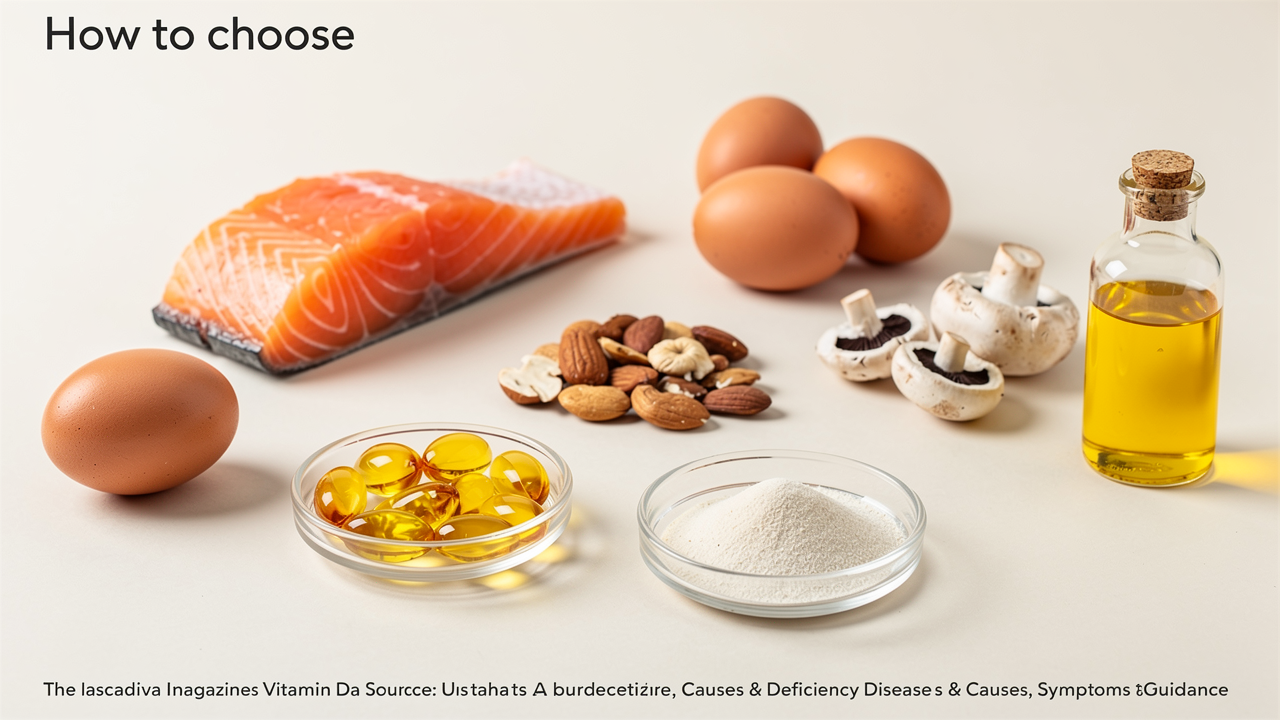
When considering vitamin D supplements, several factors can help guide your choice:
- Form: Vitamin D supplements are available as D2 (ergocalciferol) and D3 (cholecalciferol). D3 is often preferred for its higher bioavailability.
- Dosage: Recommended daily intakes vary by age, sex, and life stage. Always follow national guidelines or consult a healthcare professional.
- Source: D3 is typically derived from animal sources (such as lanolin), while D2 is plant-based and suitable for vegans.
- Combined products: Some supplements combine vitamin D with calcium or other nutrients. Check labels for content and suitability.
| Form | Source | Bioavailability | Suitable for Vegans |
|---|---|---|---|
| Vitamin D2 (Ergocalciferol) | Fungi, fortified foods | Moderate | Yes |
| Vitamin D3 (Cholecalciferol) | Animal (lanolin, fish oil) | High | No (unless plant-based D3) |
When choosing a supplement, consider the form that best fits your dietary preferences and ethical choices. Plant-based D3, derived from lichen, is available for those seeking a vegan option with the higher bioavailability of D3.
Supplements come in various formats, including tablets, capsules, drops, and sprays. The choice of format may depend on personal preference, ease of swallowing, or absorption considerations. Liquid forms may be preferred for young children or individuals with swallowing difficulties.
Check the label for the amount of vitamin D per dose, the form of vitamin D used, and any additional ingredients. Some products may contain allergens or additives that are not suitable for everyone.
It is also important to consider the quality and reputation of the manufacturer. Choose products that are produced according to good manufacturing practices and, where possible, have been independently tested for purity and potency.
Some vitamin D supplements are combined with other nutrients, such as calcium or vitamin K. While these combinations may be convenient, it is important to ensure that the total intake of each nutrient does not exceed recommended levels.
Dietary sources and lifestyle factors
Natural food sources include oily fish (such as salmon, mackerel, and sardines), fish liver oils, egg yolks, and liver. Some foods, such as milk, margarine, breakfast cereals, and plant-based drinks, may be fortified with vitamin D in some countries.
Dietary intake of vitamin D is typically low in populations with limited consumption of these foods. Vegetarians and vegans may have particular difficulty meeting their needs through diet alone, especially if fortified foods are not widely available.
Lifestyle factors such as time spent outdoors, use of sunscreen, clothing that covers most of the skin, and air pollution can all reduce the skin’s ability to produce vitamin D from sunlight.
Older adults may have reduced capacity for vitamin D synthesis in the skin, and people with darker skin pigmentation require more sun exposure to produce the same amount of vitamin D as those with lighter skin.
National guidelines in some countries recommend vitamin D supplementation for specific groups, such as infants, young children, pregnant and breastfeeding women, older adults, and people with limited sun exposure.
Safety, interactions and risk groups
Before starting any vitamin D supplement, consider the following safety information:
- Excessive intake of vitamin D can cause adverse effects, such as elevated blood calcium levels.
- People taking medications, those with chronic health conditions, pregnant or breastfeeding women, and children should consult a healthcare professional before using supplements.
- Vitamin D can interact with certain medications, including some anticonvulsants and steroids.
- Always follow the recommended dosage and avoid exceeding the tolerable upper intake level set by national authorities.
Risk groups for vitamin D deficiency include:
- People with limited sun exposure (such as those living in northern latitudes, institutionalised individuals, or those who cover their skin for cultural or medical reasons).
- Individuals with darker skin pigmentation.
- Older adults, due to reduced skin synthesis and dietary intake.
- People with conditions affecting fat absorption (such as celiac disease, Crohn’s disease, or cystic fibrosis).
- Infants who are exclusively breastfed and whose mothers have low vitamin D status.
- People who are overweight or obese, as vitamin D can be sequestered in body fat.
Vitamin D toxicity is rare but can occur with excessive supplementation. Symptoms of toxicity are related to hypercalcaemia (high blood calcium levels) and may include nausea, vomiting, weakness, and, in severe cases, kidney impairment.
Some medications can reduce vitamin D absorption or increase its breakdown in the body. Examples include certain anticonvulsants, glucocorticoids, and weight-loss medications that reduce fat absorption.
Pregnant and breastfeeding women should be particularly cautious with supplementation and follow the advice of their healthcare provider to avoid both deficiency and excessive intake.
For children, the recommended intake and upper limits are lower than for adults, and overdosing can have serious consequences.
Safety and precautions
Vitamin D supplements should be used with caution. Excessive intake can lead to adverse effects, especially in children, pregnant or breastfeeding women, and individuals with certain health conditions. If you are taking any medications or have a medical condition, consult a healthcare professional before starting any supplement. Always follow recommended dosages and do not exceed the tolerable upper intake levels set by national authorities. Supplements are not a substitute for a varied diet or medical care.
Frequently asked questions
vitamin d deficiency
Vitamin D deficiency occurs when the body does not have enough vitamin D to maintain normal functions. This can result from limited sun exposure, inadequate dietary intake, or certain health conditions.
b12 vitamin deficiency symptoms
Symptoms of vitamin B12 deficiency may include fatigue, weakness, numbness or tingling in the hands and feet, difficulty walking, and cognitive disturbances.
14 signs of vitamin d deficiency
Common signs of vitamin D deficiency can include bone discomfort, muscle weakness, fatigue, mood changes, and frequent infections. Other symptoms may vary.
vitamin c deficiency diseases symptoms
Vitamin C deficiency can lead to symptoms such as fatigue, swollen gums, joint pain, and, in severe cases, scurvy.
weird symptoms of vitamin d deficiency
Some less common symptoms of vitamin D deficiency may include hair loss, delayed wound healing, or muscle cramps.
vitamin a deficiency signs and symptoms
Vitamin A deficiency may cause symptoms such as night blindness, dry eyes, and increased risk of infections.
treating vitamin b12 deficiency
Treatment for vitamin B12 deficiency typically involves dietary adjustments or supplementation, under the guidance of a healthcare professional.
high vitamin b12 symptoms
High vitamin B12 levels are usually not associated with symptoms but may indicate underlying health conditions. Consult a healthcare professional for interpretation.
vitamin adek deficiency symptoms
Deficiency symptoms for vitamins A, D, E, and K can include vision problems, bone discomfort, muscle weakness, and issues with blood clotting.
vitamin d deficiency causes
Causes of vitamin D deficiency include limited sun exposure, darker skin pigmentation, certain medical conditions, and inadequate dietary intake.
vitamin d symptoms
Symptoms related to low vitamin D may include bone discomfort, muscle weakness, and increased risk of infections.
vitamin d deficiency supplements
Vitamin D supplements are available in various forms and dosages. Consult a healthcare professional to determine if supplementation is appropriate for you.
vitamin d deficiency women
Women, especially those who are pregnant, breastfeeding, or postmenopausal, may be at increased risk for vitamin D deficiency and should discuss their needs with a healthcare provider.
Sources
- EFSA: vitamin D authorised claims and intake recommendations
- National food agency: prevalence and risk factors for vitamin D deficiency
- Meta-analysis: general prevalence and non-specific symptoms of deficiency