Which Vegetables Contain Vitamin D? Sources, Facts & Guidance
Short answer
Ordinary vegetables are not meaningful natural vitamin D sources in the official guidance cited here. Mushrooms are fungi rather than vegetables; some UV-exposed mushrooms contribute vitamin D. Fortified foods can also supply it.
Quick facts
- Most ordinary vegetables are not identified as vitamin D foods in the official sources used here.
- Mushrooms can provide some vitamin D, and UV exposure can increase their vitamin D content.
- Fortified foods provide most of the vitamin D in U.S. diets.
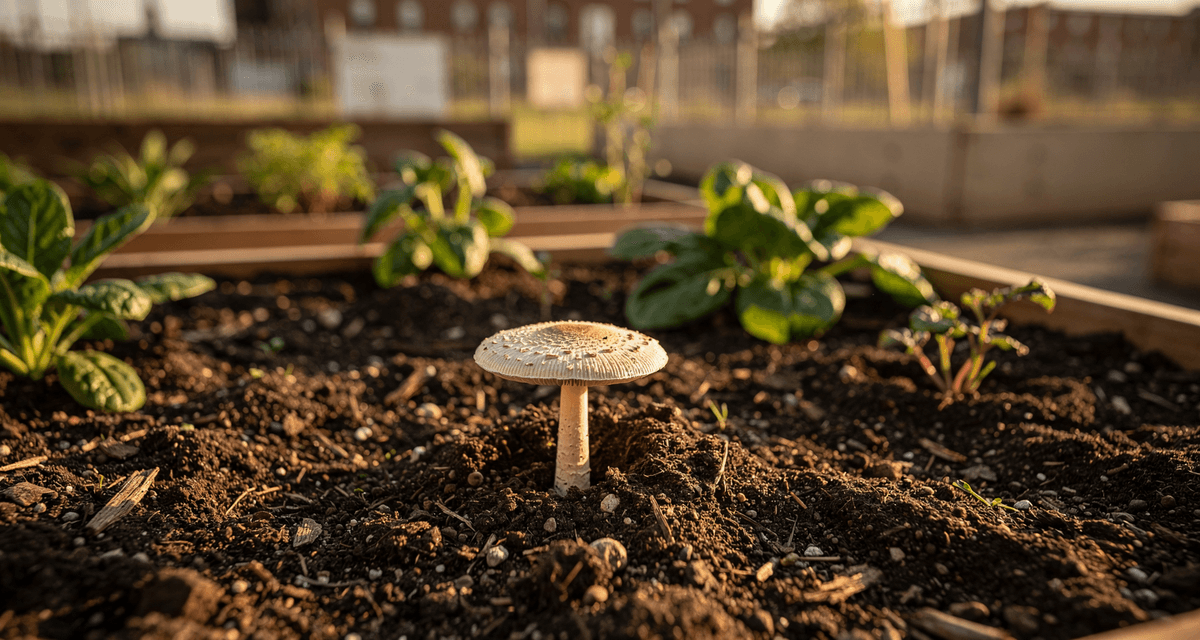
The main exception people usually mean: mushrooms
Mushrooms are fungi, often sold alongside vegetables, but they are not presented as a blanket guarantee of high vitamin D. ODS says mushrooms provide a little vitamin D and notes that some mushrooms are exposed to ultraviolet light to increase their vitamin D content. That means mushrooms can contribute, but the category is variable rather than uniform. ODS consumer fact sheet
Why fortified foods often matter more in practice
For day-to-day intake, fortified foods are usually more relevant than vegetables. ODS says fortified foods provide most of the vitamin D in U.S. diets. Milk is one example. ODS also advises checking the Nutrition Facts label for the amount of vitamin D in a food or beverage, which is especially useful because vitamin D content is not equally present across products. ODS consumer fact sheet
What this article can and cannot say
These sources support a clear answer: ordinary vegetables are not meaningful vitamin D foods, mushrooms may contribute some vitamin D, and fortified foods are often the more dependable dietary source. They do not provide a ranked list of common vegetables with vitamin D values, so claims that standard vegetables are useful vitamin D sources are not supported here. ODS consumer fact sheet
The NIH health-professional fact sheet likewise identifies UV-treated mushrooms as a vitamin D source; amounts vary with the product and treatment. NIH ODS health-professional fact sheet
Safety and precautions
Check the vitamin D amount on the label of fortified foods and drinks. NIH ODS distinguishes recommended intake from upper limits and warns that excessive supplement intake can be harmful. A food-source list is not a personal supplement prescription. NIH ODS consumer fact sheet
Frequently asked questions
Do ordinary vegetables contain vitamin D?
The official sources used here do not identify ordinary vegetables as meaningful vitamin D foods.
Are mushrooms the only produce-aisle source worth mentioning?
They are the main relevant exception in these sources. Mushrooms can provide some vitamin D, especially when exposed to ultraviolet light.
What foods usually matter more than vegetables for vitamin D intake?
Fortified foods such as milk can contribute vitamin D; check the specific product label.