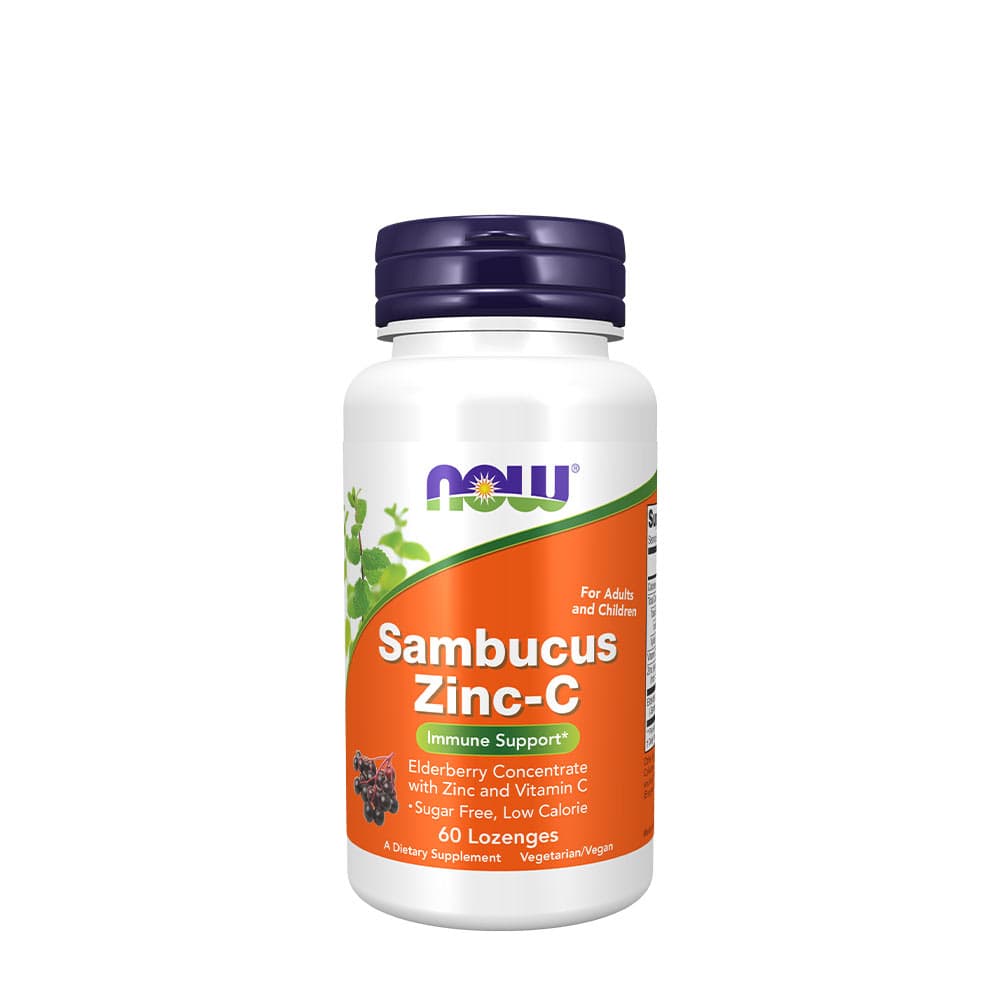
Elderberry
English name for black elder (Sambucus nigra). Popular supplement in syrup and gummy form for immune support in children and adults.
What is Elderberry?
Elderberry, or black elder (Sambucus nigra), is a plant that has been used in traditional medicine for centuries.
How does it work in the body?
These substances can help neutralise free radicals, which are harmful molecules that can cause cell damage and inflammation. By supporting the body's natural immune response, Elderberry may help counteract colds and flu.
Scientific benefits
Several studies have investigated the potential health benefits of Elderberry. Participants who took Elderberry reported a faster recovery compared to those who received a placebo.
- Another study showed that Elderberry can reduce the duration of cold symptoms by up to four days.
- Several laboratory studies have also demonstrated that Elderberry extract may have antiviral properties, suggesting that it can help fight viral infections.
Dosage and recommendations
The dosage of Elderberry can vary depending on the form of the supplement. Generally, the following doses are recommended:
- For syrup: 15-30 ml per day for adults, and 5-15 ml for children.
- For gummies: Follow the manufacturer's recommendations; usually 1-2 pieces per day for adults and children.
It is important to always follow the dosing instructions on the packaging and consult a doctor before starting any new supplement, especially if you have underlying health conditions or are pregnant or breastfeeding.
Best sources and forms
Elderberry can be found in several different forms, including:
- Syrup: One of the most popular forms, easy to use and often sweet-tasting.
- Gummies: A convenient and tasty method, especially for children.
- Capsules: For those who prefer a more concentrated form of supplement.
- Tea: Made from dried berries or flowers, can be a good alternative for those who enjoy brewing their own tea.
It is important to choose high-quality products from reliable manufacturers to ensure you receive the best health benefits.
Side effects and warnings
Elderberry is generally considered safe when used as recommended. However, there are some side effects that may occur:
- Gastrointestinal discomfort, including diarrhoea or nausea, may occur at higher doses.
- It is important not to eat raw berries, as they may contain toxic compounds that can cause nausea.
- People with allergies to elder or related plant species should avoid Elderberry.
Always consult a doctor before taking Elderberry, especially if you have a medical history or are taking medications.
Frequently asked questions
Can children take Elderberry?
Yes, children can take Elderberry, but it is important to follow recommended doses and consult a doctor before use.
Is it safe to take Elderberry during pregnancy?
There is not enough research to ensure that Elderberry is safe during pregnancy, so it is best to consult a doctor.
What are the best ways to take Elderberry?
Elderberry can be taken in the form of syrup, gummies, capsules, or tea. Choose the form that suits you best and follow the dosing instructions.
Can Elderberry interact with other medications?
It is possible that Elderberry may interact with certain medications, so it is important to discuss its use with a doctor if you are taking other medicines.